Nutrient dense postpartum foods – Nutrient-dense postpartum foods are crucial for a smooth recovery after childbirth. This guide dives deep into the importance of nourishing your body with the right nutrients, highlighting the specific foods that will support your physical and emotional well-being during this transformative time. From understanding the basics of nutrient density to practical strategies for meal planning, we’ll explore everything you need to know about fueling your postpartum journey.
This comprehensive guide delves into the vital nutrients needed for postpartum recovery, including protein, iron, calcium, and essential vitamins. We’ll also discuss hydration and its impact on recovery, explore foods that support breastfeeding, and offer practical tips for incorporating these nutrient-rich foods into your daily life. We’ll also address dietary restrictions and needs, and highlight foods to avoid or limit for optimal postpartum health.
Defining Nutrient Density in Postpartum Foods
Nourishing your body after childbirth is paramount for a speedy recovery and establishing a healthy foundation for you and your little one. Postpartum nutrition isn’t just about eating enough; it’s about prioritizing nutrient-dense foods that provide the essential building blocks for healing, milk production (if breastfeeding), and overall well-being. This crucial period demands a heightened focus on foods packed with vitamins, minerals, and proteins that support the unique physiological changes your body is undergoing.Nutrient density refers to the amount of essential nutrients a food provides relative to its calorie content.
In the postpartum period, focusing on nutrient-dense foods is vital. These foods offer the necessary vitamins, minerals, and proteins without excessive calories, which is particularly important for managing weight and supporting breastfeeding, if applicable. A balanced diet rich in nutrient-dense foods promotes faster recovery, improved energy levels, and a stronger immune system – all essential for navigating the challenges and joys of the postpartum journey.
Crucial Nutrients for Postpartum Recovery
Essential nutrients play a critical role in the postpartum recovery process. A variety of nutrients support healing, hormone regulation, and milk production. Iron, for example, is crucial for red blood cell production, while calcium is essential for bone health, which can be compromised during pregnancy and breastfeeding. Vitamin B12 and folate are also vital for cell growth and development.
Assessing Nutrient Density
Several methods can help you assess the nutrient density of foods. One approach involves looking at the nutritional information labels on packaged foods. These labels provide a detailed breakdown of macronutrients (protein, carbohydrates, and fat) and micronutrients (vitamins and minerals). Comparing the nutrient content to the calorie count allows you to identify foods that offer significant nutritional value for their caloric intake.Another approach is to prioritize whole, unprocessed foods.
Fruits, vegetables, lean proteins, and whole grains are generally rich in nutrients and low in empty calories. Choosing these foods over highly processed or refined options often leads to a more nutrient-dense diet. Consider the food’s natural composition. A food high in fiber, for example, will contribute to a more nutrient-dense meal plan.
Nutrient Content of Postpartum Foods
The table below provides a glimpse into the nutrient content of various postpartum foods. Keep in mind that this is not an exhaustive list, and portion sizes can significantly affect the nutrient intake. This table offers a starting point for understanding the potential nutrient contributions of different foods.
| Food | Protein (grams) | Iron (mg) | Calcium (mg) |
|---|---|---|---|
| Spinach (1 cup, cooked) | 5 | 2.7 | 24 |
| Salmon (3 oz, baked) | 20 | 2 | 15 |
| Greek Yogurt (1 cup) | 15 | 0.5 | 300 |
| Lentils (1 cup, cooked) | 9 | 3.6 | 40 |
| Eggs (2 large) | 13 | 1.8 | 20 |
| Sweet Potatoes (1 medium) | 2 | 0.8 | 15 |
Essential Nutrients for Postpartum Mothers: Nutrient Dense Postpartum Foods
The postpartum period is a time of significant physical and emotional change for new mothers. Beyond the emotional adjustments, the body undergoes a remarkable transformation as it recovers from childbirth and establishes breastfeeding. Nourishing the body with the right nutrients is crucial for successful recovery and the well-being of both mother and baby. This crucial phase requires a heightened focus on essential nutrients that support the healing process, milk production, and overall energy levels.
Protein’s Role in Postpartum Recovery
Protein is essential for tissue repair and rebuilding after childbirth. It plays a vital role in the healing of the uterus, perineum, and other tissues affected by the birthing process. Adequate protein intake also helps maintain muscle mass, which is often lost during pregnancy and childbirth. Breastfeeding further increases protein needs, as protein is a crucial component of breast milk.
Iron’s Impact on Postpartum Health
Iron deficiency is a common concern during the postpartum period, particularly for breastfeeding mothers. Iron is essential for red blood cell production and oxygen transport throughout the body. Postpartum blood loss and breastfeeding can significantly deplete iron stores. Low iron levels can lead to fatigue, weakness, and anemia, which can impact both the mother’s well-being and the baby’s development.
A diet rich in iron-containing foods is vital for maintaining adequate iron levels and preventing these complications.
Calcium’s Role in Postpartum Well-being
Calcium is crucial for maintaining bone health, especially for mothers who are breastfeeding. Calcium is vital for maintaining strong bones and teeth, which are crucial during the postpartum period as the body continues to recover from pregnancy and childbirth. Sufficient calcium intake is also essential for breast milk production. If calcium intake is insufficient, the body may draw calcium from the mother’s bones, potentially leading to long-term bone health issues.
Other Crucial Nutrients
Beyond protein, iron, and calcium, other essential nutrients play critical roles in postpartum recovery and breast milk production. These include vitamins (like vitamin D, vitamin B12, and folate) and minerals (like zinc and magnesium). These nutrients support various bodily functions, including immune function, energy production, and nerve function. Adequate intake of these nutrients can contribute to a smoother and healthier postpartum transition.
Foods Rich in Essential Nutrients
A balanced diet rich in nutrient-dense foods is essential for postpartum mothers. The following list provides examples of foods rich in the essential nutrients discussed above. Note that this is not an exhaustive list and individual needs may vary. Consult a healthcare professional for personalized dietary recommendations.
- Lean Protein Sources: Chicken breast, fish (salmon, tuna), lean beef, eggs, Greek yogurt, lentils, beans.
- Iron-Rich Foods: Red meat (beef, lamb), beans (kidney, black, pinto), lentils, spinach, fortified cereals, dried fruits (raisins, apricots).
- Calcium-Rich Foods: Dairy products (milk, yogurt, cheese), leafy green vegetables (kale, collard greens), fortified plant-based milk alternatives, almonds.
- Nutrient-Dense Foods: Fruits (berries, bananas, oranges), vegetables (broccoli, carrots, sweet potatoes), whole grains (brown rice, quinoa), nuts (almonds, walnuts).
Breast Milk Production and Nutrients
The nutrients consumed by the mother directly impact the quality and quantity of breast milk. Sufficient protein, iron, calcium, and other essential nutrients are crucial for producing adequate breast milk, which provides essential nutrients for the baby’s growth and development. A well-nourished mother is better equipped to meet her baby’s nutritional needs through breast milk.
Importance of Hydration and Fluid Intake
Staying hydrated is crucial during the postpartum period, as your body works hard to recover and rebuild. Fluid loss through breastfeeding, exertion during recovery, and simply the demands of caring for a newborn all contribute to the need for increased fluid intake. Proper hydration supports breastfeeding, reduces fatigue, aids in healing, and promotes overall well-being for both you and your baby.Adequate hydration is essential for the proper functioning of all bodily systems during postpartum recovery.
It helps transport nutrients, regulate body temperature, and flush out waste products. Dehydration, on the other hand, can lead to fatigue, headaches, and difficulty concentrating, all of which can hinder your ability to care for your newborn. It can also affect milk production, and exacerbate existing health conditions. Prioritizing hydration during this time is vital for a smooth and healthy recovery.
Impact of Dehydration on Postpartum Recovery
Dehydration during the postpartum period can significantly hinder recovery. Reduced blood volume can lead to feelings of fatigue, dizziness, and even lightheadedness. It can also negatively affect milk production, making it challenging to provide your baby with sufficient nourishment. Furthermore, inadequate hydration can slow down the healing process of any postpartum injuries or wounds.
Hydrating Foods and Drinks
Nourishing your body with fluids from various sources is a great way to maintain optimal hydration levels. Water remains the most crucial source, but incorporating hydrating foods and drinks can enhance your nutrient intake.
Comparison of Hydration Options, Nutrient dense postpartum foods
| Drink | Electrolytes | Nutrient Density | Benefits |
|---|---|---|---|
| Water | Low | Very High (Pure) | Essential for all bodily functions, excellent for overall hydration. |
| Coconut Water | High (Potassium, Sodium) | Moderate | Provides electrolytes lost during breastfeeding and exertion; good source of natural sugars. |
| Broth-based Soups | Moderate (Sodium, Potassium) | High (Vitamins, Minerals) | Provides hydration and essential nutrients; ideal for replenishing lost electrolytes and nutrients. |
| Fruit Juices (Diluted) | Moderate (Potassium, depending on fruit) | Moderate (Vitamins, Minerals) | Provides some vitamins and minerals, but high sugar content should be considered. Diluting with water is important. |
| Milk (Breast Milk/Formula) | High (Calcium, Potassium, Sodium) | High (Protein, Vitamins, Minerals) | Excellent source of hydration and essential nutrients, especially protein, calcium, and vitamins; crucial for breastfeeding mothers and infants. |
Foods to Support Breastfeeding
Nourishing your body during the postpartum period is crucial, especially when breastfeeding. A well-balanced diet rich in specific nutrients directly impacts breast milk production and quality. This support is vital for both mother and baby, ensuring a healthy start for your little one.
Nutrients Crucial for Breast Milk Production
Breast milk composition is dynamic, adjusting to your baby’s needs. Several nutrients play a pivotal role in maintaining a healthy supply and optimal quality. Protein, fats, vitamins, and minerals are essential components for creating a nutritious and complete meal for your infant. Sufficient intake of these nutrients from your diet directly influences the quantity and quality of breast milk.
Impact of Specific Foods on Breast Milk
The foods you consume significantly affect the nutritional profile of your breast milk. Foods rich in protein, healthy fats, and essential vitamins and minerals directly contribute to the richness and completeness of the milk. For instance, consuming iron-rich foods ensures your baby receives adequate iron, preventing potential deficiencies. Likewise, calcium-rich foods support strong bone development in the infant.
Foods Enhancing Breast Milk Composition
A variety of foods can enhance the nutritional composition of breast milk. Prioritizing a diverse diet rich in these nutrient-dense foods ensures your baby receives the best possible start.
Table Categorizing Foods Based on Impact on Breast Milk Production
| Food Category | Example Foods | Impact on Breast Milk |
|---|---|---|
| Protein-Rich Foods | Lean meats (chicken, fish), eggs, beans, lentils, tofu, Greek yogurt | Provide essential amino acids for breast milk protein synthesis, contributing to its overall quantity and quality. Sufficient protein in breast milk supports healthy growth and development in infants. |
| Healthy Fats | Fatty fish (salmon, tuna), avocados, nuts, seeds | Essential for the development of brain and nervous system in infants. These fats contribute to the healthy fats in breast milk, supporting healthy growth and cognitive development. |
| Iron-Rich Foods | Red meat, spinach, lentils, fortified cereals | Ensures sufficient iron levels in breast milk, crucial for preventing iron deficiency anemia in infants. Iron deficiency can affect cognitive development. |
| Calcium-Rich Foods | Dairy products (milk, yogurt, cheese), leafy green vegetables, almonds | Supports strong bones and teeth in infants. Sufficient calcium in breast milk contributes to healthy skeletal development. |
| Vitamin-Rich Foods | Fruits (berries, citrus fruits), vegetables (broccoli, carrots), fortified cereals | Provide essential vitamins for both mother and baby. Vitamins in breast milk support various bodily functions in infants, including immune function and overall well-being. |
| Hydration-Supporting Foods | Watermelon, cucumbers, spinach, broth-based soups | Essential for maintaining adequate hydration, which directly impacts breast milk production. Staying well-hydrated is crucial for both the mother and baby. |
Practical Strategies for Incorporating Nutrient-Dense Foods
Nourishing your body after childbirth requires a conscious effort to prioritize nutrient-dense foods. This is crucial for both your physical recovery and the well-being of your breastfeeding baby. This section provides practical strategies to seamlessly integrate these vital foods into your daily routine.Effective meal planning is key to ensuring you’re getting the right nutrients. Planning ahead allows you to strategically incorporate a variety of nutrient-rich foods, reducing the likelihood of feeling overwhelmed or lacking the time to prepare healthy meals.
Meal Planning for Postpartum Mothers
Proper meal planning is essential for postpartum mothers to meet their nutritional needs. A well-structured plan ensures sufficient intake of essential vitamins, minerals, and macronutrients necessary for recovery and breastfeeding. This includes considering portion sizes, timing of meals, and incorporating a diverse range of foods.Planning your meals for the week in advance can make a significant difference. Create a meal plan that accounts for your dietary preferences and restrictions.
Focusing on nutrient-dense postpartum foods is crucial for recovery, but it’s also important to remember the bigger picture. Sadly, more and more children are arriving at hospitals addicted to opioids, a devastating trend that highlights the critical need for comprehensive support systems. This underscores the importance of providing mothers with not only nutritious food but also access to resources and mental health support, alongside the vital nutrient-dense postpartum foods needed for healing and well-being.
This complex issue demands a multi-pronged approach, and ensuring adequate nutrition is just one vital piece of the puzzle. more children coming to hospitals addicted to opioids A balanced diet rich in vitamins, minerals, and protein is essential for a healthy recovery, and it plays a key role in overall well-being during this vulnerable time.
List ingredients needed and create a shopping list to avoid impulse purchases. Consider utilizing meal prep techniques to save time during the week. Pre-cooking components or preparing complete meals in advance allows you to grab and go, ensuring a healthy meal is available throughout the day.
Quick and Simple Postpartum Recipes
Utilizing readily available ingredients and simple techniques can yield delicious and nutritious meals. These recipes are designed to be quick and easy, minimizing time spent in the kitchen while maximizing nutrient intake.
Example Recipes:
- Overnight Oats: Combine rolled oats, milk (dairy or non-dairy), chia seeds, and your favorite fruits (berries, banana) in a jar. Refrigerate overnight. This provides a quick and nutritious breakfast or snack, rich in fiber and antioxidants.
- Spinach and Feta Stuffed Chicken Breast: A simple method to add extra vegetables and protein to your meals. Lightly season chicken breasts and layer with spinach, crumbled feta cheese, and a sprinkle of herbs. Bake until cooked through. This offers a protein-packed meal that’s quick to prepare.
- Lentil Soup: A hearty and nourishing soup that can be made in a large batch and stored for future meals. Combine lentils, vegetables (carrots, celery, onions), broth, and spices. Simmer until lentils are tender. This soup is rich in fiber, protein, and various vitamins and minerals.
Preparing Foods for Maximum Nutrient Retention
Proper food preparation techniques can significantly impact nutrient retention. Knowing how to handle different foods ensures that you’re maximizing the nutritional value of your meals.
- Steaming: This method preserves vitamins and minerals by minimizing exposure to water. Steaming vegetables is a great way to keep them tender-crisp and retain their natural flavor.
- Roasting: Roasting vegetables with a little olive oil and herbs can add flavor and nutrients without excessive water exposure.
- Minimal Cooking Time: Avoid overcooking vegetables, as this can lead to nutrient loss. Aim for tender-crisp textures, rather than mushy ones. The shorter the cooking time, the higher the nutrient retention.
Easy Recipes Using Nutrient-Dense Foods
Here are a few more recipe ideas to inspire your postpartum meals:
| Recipe | Ingredients (Key Nutrients) | Instructions |
|---|---|---|
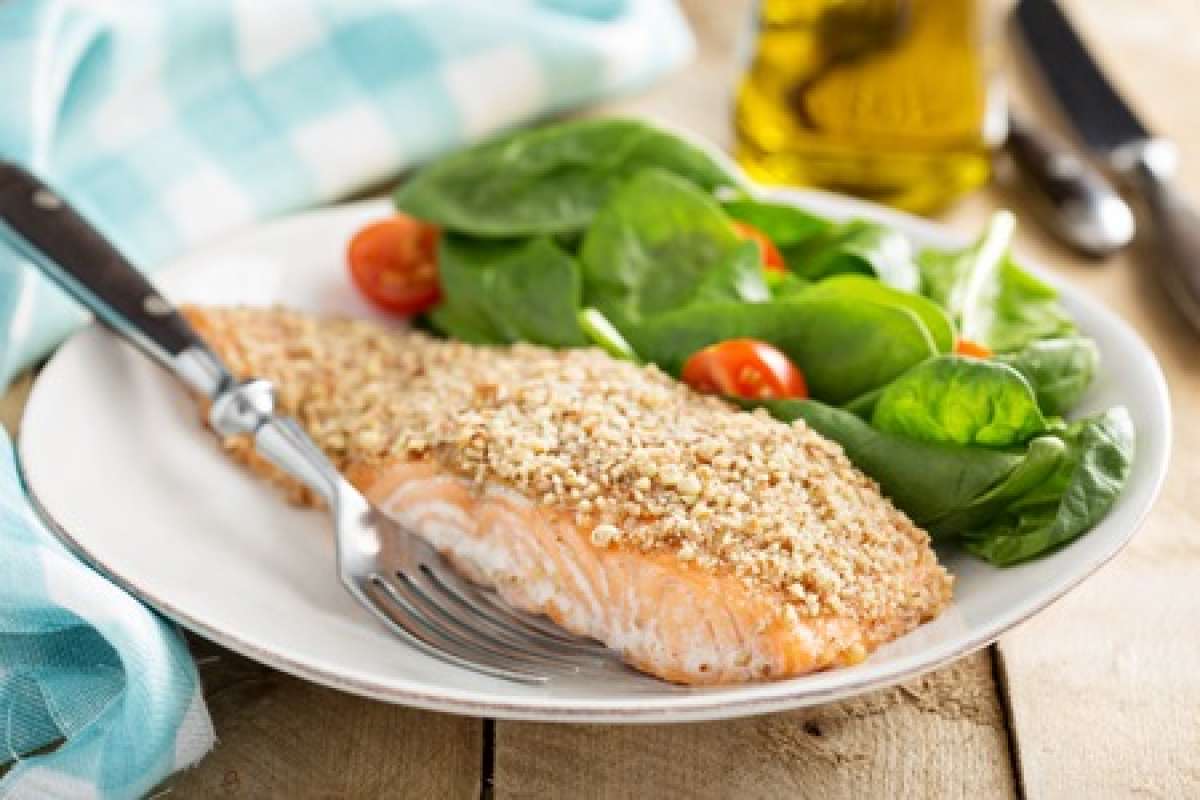
| Salmon with Roasted Asparagus | Salmon (Protein, Omega-3s), Asparagus (Vitamins, Minerals) | Roast asparagus with olive oil and herbs. Pan-fry or bake salmon fillets. |
| Quinoa Salad with Chickpeas and Veggies | Quinoa (Protein, Fiber), Chickpeas (Protein, Fiber), Vegetables (Vitamins, Minerals) | Cook quinoa and combine with chickpeas, chopped vegetables (cucumber, bell peppers, tomatoes), and a light vinaigrette. |
| Black Bean Burgers | Black Beans (Protein, Fiber), Oats (Fiber), Vegetables (Vitamins, Minerals) | Mash black beans with oats, spices, and finely chopped vegetables. Form into patties and pan-fry or bake. |
Addressing Potential Dietary Restrictions and Needs
Postpartum, your body and nutritional needs are unique. Beyond the general need for nutrient-dense foods, individual circumstances like allergies, intolerances, cultural preferences, or specific postpartum conditions demand tailored dietary approaches. Understanding these variations and adapting your meal plan accordingly is crucial for optimal recovery and well-being.Dietary restrictions or needs during the postpartum period can vary significantly. This can include food allergies, intolerances, or cultural preferences, alongside conditions like gestational diabetes or postpartum thyroiditis.
Adapting meal plans to accommodate these factors is essential for maintaining a healthy diet. This section will delve into various dietary modifications and suitable substitutions, offering practical strategies for a successful postpartum nutritional journey.
Dietary Restrictions and Allergies
Food allergies and intolerances can be prevalent during pregnancy and postpartum. Recognizing and managing these conditions is critical for a healthy recovery. Common food allergies like to dairy, soy, eggs, or nuts may need to be completely avoided. Substituting alternative options like lactose-free milk, soy-free protein sources, or nut-free snacks becomes necessary.
Intolerances
Food intolerances, such as lactose intolerance, gluten intolerance, or fructose malabsorption, require careful attention. Symptoms can vary from mild discomfort to more severe reactions. Identifying and avoiding trigger foods, and implementing suitable substitutions, is paramount for managing symptoms and maintaining overall health. For instance, individuals with lactose intolerance can opt for lactose-free dairy alternatives, almond milk, or coconut milk.
Postpartum recovery needs nutrient-dense foods to replenish energy stores and support healing. A great way to ensure you’re getting those vital nutrients is to plan lunches that avoid mid-afternoon energy crashes. Check out this delicious and energizing lunch recipe to keep your energy levels up lunch recipe avoid energy crash for ideas on incorporating protein and complex carbs to sustain your energy throughout the day, which are key components of nutrient-rich postpartum meals.
Cultural Preferences
Cultural dietary traditions play a vital role in postpartum nutrition. Adapting meal plans to respect these preferences is important. This might involve incorporating traditional postpartum foods rich in nutrients, or modifying recipes to align with specific cultural requirements. If traditional postpartum foods are not nutrient-dense, explore suitable substitutes to ensure adequate intake of essential nutrients.
Postpartum Conditions
Specific postpartum conditions may necessitate dietary modifications. For example, gestational diabetes often requires a controlled carbohydrate diet to regulate blood sugar levels. Consult with a healthcare professional or registered dietitian for personalized dietary advice, and consider incorporating foods rich in fiber to aid digestion and overall well-being. If you have postpartum thyroiditis, you might need to adjust your iodine intake.
Dietary advice should be tailored to specific conditions.
Examples of Suitable Substitutions
| Original Food | Suitable Substitute | Considerations |
|---|---|---|
| Milk | Almond milk, soy milk, lactose-free milk | Choose low-sugar options for optimal nutrition. |
| Wheat bread | Gluten-free bread, rice bread | Ensure the substitute provides adequate fiber and nutrients. |
| Soy sauce | Tamari, coconut aminos | Consider sodium content in alternatives. |
| Nuts | Seeds, nut-free protein bars | Check for hidden nuts in processed foods. |
Foods to Avoid or Limit During Postpartum
The postpartum period is a time of significant physical and hormonal changes, and while nourishing your body with the right foods is crucial, certain foods may not be the best choice during this sensitive time. Understanding which foods to avoid or limit can contribute to your overall well-being and recovery. This section will provide insights into specific foods and beverages to be mindful of, outlining the reasons behind these restrictions.Postpartum recovery is a journey unique to each individual, and dietary needs may vary based on personal circumstances.
It is always advisable to consult with a healthcare professional or registered dietitian for personalized dietary advice during this period. They can assess your specific needs and provide guidance tailored to your circumstances.
Foods to Limit or Avoid
A balanced and nutritious diet is vital during postpartum, but some foods may interfere with recovery, breastfeeding, or cause digestive discomfort. This section details foods to limit or avoid, alongside the rationale.
Focusing on nutrient-dense postpartum foods is crucial for recovery, but sometimes I wonder about other health factors. For example, are certain health conditions, like brain aneurysms, hereditary? Understanding the potential genetic links, as explored in this article about are brain aneurysms hereditary , might influence my choices regarding the foods I prioritize during this time. Ultimately, a balanced diet rich in vitamins and minerals is key for both physical and mental well-being after giving birth.
Processed Foods
Processed foods often lack essential nutrients and are frequently high in unhealthy fats, sodium, and added sugars. These ingredients can negatively impact your energy levels, overall well-being, and can make breastfeeding less efficient. Consuming excessive amounts of processed foods during postpartum can also strain your digestive system.
- Processed meats (e.g., bacon, sausage, deli meats): These often contain high levels of sodium and saturated fat, which may negatively impact your blood pressure and overall health. They can also potentially contribute to digestive issues.
- Highly sugared drinks and snacks (e.g., soda, candy, cookies): These provide minimal nutritional value and often contain excessive amounts of sugar, which can lead to energy crashes, weight gain, and disrupt your blood sugar levels.
- Fast food (e.g., burgers, fries, pizza): High in saturated and unhealthy fats, sodium, and often lack essential nutrients. These can contribute to digestive discomfort and potential weight gain.
- Highly processed cereals and grains (e.g., white bread, sugary cereals): These often lack fiber and essential vitamins and minerals, potentially impacting digestion and overall well-being.
Caffeine and Alcohol
Moderation is key with both caffeine and alcohol. High caffeine intake can affect both you and your baby, and excessive alcohol consumption can impact your milk production and overall recovery.
- Caffeine (e.g., coffee, tea, chocolate): While moderate amounts may be acceptable, high caffeine intake can impact your sleep, energy levels, and potentially interfere with breastfeeding.
- Alcohol (e.g., wine, beer, liquor): Alcohol can reduce milk production and affect your baby’s health. It’s best to avoid alcohol completely during breastfeeding.
Foods That Can Cause Digestive Issues
Certain foods can cause bloating, gas, or indigestion, especially during postpartum when your digestive system may be adjusting.
- Foods high in FODMAPs (e.g., beans, lentils, onions, garlic, certain fruits): These fermentable carbohydrates can cause gas and bloating in some individuals. If you experience digestive discomfort after consuming these, it’s best to monitor your intake.
- Spicy foods (e.g., chili peppers, curry): These can exacerbate digestive issues, leading to discomfort.
Summary Table
| Food Category | Specific Foods | Reason for Restriction |
|---|---|---|
| Processed Foods | Processed meats, highly sugared drinks and snacks, fast food, highly processed cereals and grains | Lack essential nutrients, high in unhealthy fats, sodium, and added sugars, potentially impacting energy, well-being, and breastfeeding efficiency. |
| Caffeine and Alcohol | Coffee, tea, chocolate, wine, beer, liquor | High caffeine intake can affect sleep, energy levels, and potentially interfere with breastfeeding. Alcohol can reduce milk production and impact baby’s health. |
| Foods That Can Cause Digestive Issues | Foods high in FODMAPs, spicy foods | Can cause bloating, gas, or indigestion, especially during postpartum digestive adjustments. |
Long-Term Nutritional Strategies for Postpartum Well-being
Postpartum recovery is not just about the immediate weeks following childbirth; it’s a journey that extends into the long term. Sustaining a healthy lifestyle through nutrition is crucial for long-term well-being, enabling mothers to regain energy, maintain a healthy weight, and support their overall health and the health of their families. A balanced approach to nutrition, incorporating regular check-ups and mindful food choices, is vital for a successful and fulfilling postpartum experience.Long-term postpartum health hinges on consistent, sustainable nutritional strategies.
These strategies extend beyond the immediate breastfeeding phase and encompass lifelong well-being. This involves understanding the body’s evolving needs and making informed choices to support overall health and vitality.
Incorporating Nutrient-Dense Foods into Daily Meals
A crucial aspect of long-term postpartum well-being is the consistent incorporation of nutrient-dense foods into daily meals. This involves planning meals and snacks that offer a variety of vitamins, minerals, and essential nutrients. For example, a breakfast of oatmeal with berries and nuts provides complex carbohydrates, fiber, and healthy fats, fueling the body for the day ahead. Similarly, a lunch featuring a salad with lean protein (chicken or fish) and whole grains offers sustained energy and essential nutrients.
Dinner options could include grilled vegetables, lean protein, and whole grains. Snacking on fruits, vegetables, and nuts throughout the day can also help maintain energy levels and nutrient intake.
Importance of Regular Check-ups with a Healthcare Provider
Regular check-ups with a healthcare provider are essential for monitoring postpartum health and identifying any potential issues early on. These check-ups allow for personalized guidance on nutritional needs, weight management, and overall well-being. A healthcare provider can assess individual needs and tailor recommendations based on factors such as breastfeeding status, activity levels, and any existing health conditions. This proactive approach helps in preventing long-term health complications and ensures the mother is receiving the support she needs to thrive.
These visits are vital for ensuring the mother’s overall health and well-being.
Long-Term Benefits of Healthy Eating
Maintaining a healthy diet throughout the postpartum period has significant long-term benefits for both the mother and the child. A balanced diet rich in nutrients supports the mother’s physical recovery, reduces the risk of chronic diseases such as heart disease and diabetes, and promotes overall well-being. Furthermore, healthy eating habits during this time can significantly influence the child’s nutritional development and long-term health.
Healthy eating patterns establish a foundation for a lifetime of good health habits, benefiting both the mother and her family.
Epilogue
In conclusion, prioritizing nutrient-dense foods during the postpartum period is paramount for a healthy recovery. This guide has provided a comprehensive overview of essential nutrients, practical meal planning strategies, and dietary considerations. Remember to consult with your healthcare provider for personalized advice and support. By focusing on nutrient-rich foods, you can empower yourself to nurture your body and embark on a positive and fulfilling postpartum journey.