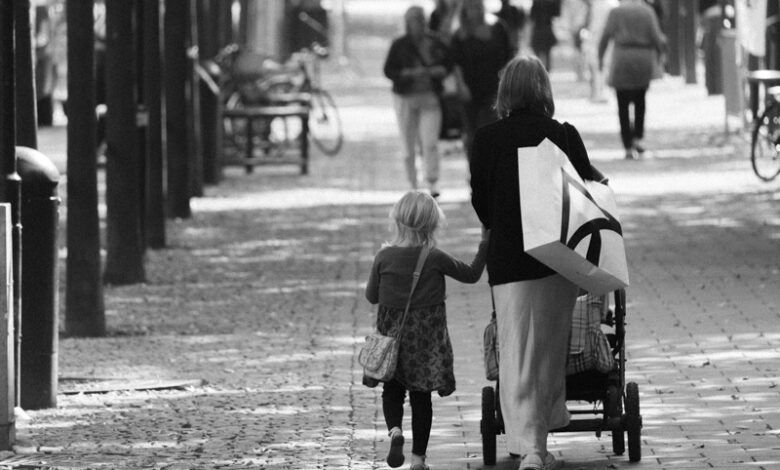
Parenting like the French sets the stage for this enthralling narrative, offering readers a glimpse into a rich and nuanced parenting style often praised for its effectiveness. This exploration delves into the core values and practices behind this approach, examining its unique characteristics and comparing them to other prominent parenting philosophies. We’ll uncover the secrets behind French child-rearing, from discipline strategies to emotional support, education, and family life, ultimately helping parents consider how these principles might be adaptable to their own families.
The French approach emphasizes independence, creativity, and a strong sense of responsibility in children. It highlights the role of extended family and community support, as well as the importance of emotional regulation and open communication. This parenting style, while fascinating, also comes with its own set of potential challenges and limitations, and we’ll explore these nuances in depth.
Defining “Parenting Like the French”
The concept of “parenting like the French” evokes a romanticized image of effortless grace and child-centered upbringing. It often contrasts with the perceived pressures and anxieties surrounding parenting in other cultures, particularly those emphasizing structure and achievement. This idealized portrayal, however, requires careful unpacking to avoid misinterpretations and cultural biases.This approach to parenting is not a monolithic style but rather a collection of intertwined values and practices often observed in French families.
Understanding these nuances is crucial to grasping the complexities of this parenting philosophy and its potential application in diverse contexts. It’s essential to remember that generalizations about any culture, including France, can be misleading. True understanding comes from appreciating the richness and diversity within families and their individual approaches.
Key Characteristics of the French Parenting Style
French parenting, while not a single, defined methodology, shares several core values. These values often manifest in practices that prioritize child autonomy, emotional intelligence, and a healthy balance between freedom and structure.
- Emphasis on emotional intelligence: French parents often place a strong emphasis on fostering emotional literacy in their children. This involves teaching children to understand and manage their emotions, as well as empathize with others. It recognizes that emotional development is fundamental to overall well-being.
- Respect for child autonomy: French parenting often promotes a sense of autonomy in children, allowing them more freedom and independence in decision-making. This approach, however, isn’t about complete lack of boundaries but rather about creating an environment where children feel empowered to make choices.
- Importance of quality time over quantity: French families often prioritize quality time with their children, focusing on shared experiences and meaningful interactions. This could involve engaging in activities together, like cooking or gardening, or simply having conversations.
- Flexibility and adaptability: French parents often demonstrate a flexible approach to parenting, adjusting their strategies based on their child’s needs and personality. This flexibility allows for a more nuanced and responsive approach to raising children.
Cultural Context and Potential Biases
The perceived “French” parenting style is heavily influenced by cultural factors, including the French educational system and societal values. It’s essential to acknowledge that this approach is rooted in a specific cultural context and may not translate perfectly to other cultures. Furthermore, the concept of “French parenting” is often a romanticized ideal, and many French families adopt diverse approaches.
Parenting like the French often emphasizes a relaxed approach, and I’ve been thinking about how that translates to other aspects of life. Like Drew Barrymore’s advice on transitioning to a plant-based diet, Drew Barrymore on switching to a plant based diet start slowly and be flexible , it’s all about gradual changes and embracing flexibility. Ultimately, a similar philosophy can be applied to parenting – small, manageable steps are key to a more sustainable and enjoyable journey.
- French educational system: The French educational system emphasizes critical thinking, intellectual curiosity, and self-expression. This can influence the parenting style, shaping expectations and values regarding child development.
- Societal values: French society often values leisure, social interaction, and personal fulfillment. These values can influence parenting choices, such as prioritizing quality time and encouraging independence.
- Potential biases: The concept of “French parenting” is often presented as an idealized picture. This can lead to misunderstandings and potential biases. It’s crucial to recognize the diversity within French families and avoid imposing a single model.
Comparison with Other Parenting Philosophies
Comparing “French parenting” with other prominent parenting philosophies reveals nuanced similarities and differences.
| Characteristic | Description | Cultural Context | Potential Drawbacks |
|---|---|---|---|
| Emphasis on Emotional Intelligence | Prioritizes emotional literacy and regulation. | Rooted in French cultural values emphasizing emotional well-being. | May not align with cultures prioritizing strict structure and discipline. |
| Child Autonomy | Promotes independent decision-making and self-reliance. | Reflects a French emphasis on individual expression. | Can lead to challenges in establishing clear boundaries and expectations in some contexts. |
| Quality Time | Values meaningful interactions and shared experiences. | Part of a broader French cultural emphasis on social connection. | Might be challenging for families with limited time or resources. |
| Flexibility | Adapts parenting strategies based on child’s needs. | Reflects a French approach to raising children. | Can lead to inconsistent or unclear expectations for children if not carefully managed. |
Child-Rearing Practices
French parenting, often lauded for its effectiveness, emphasizes a unique blend of warmth, structure, and independence. This approach prioritizes nurturing a child’s self-esteem and fostering responsible citizens. It contrasts with some other approaches, especially those in the United States, in its focus on long-term development rather than immediate compliance.French parents cultivate a strong sense of security and trust within the family unit, which in turn empowers children to explore their world with confidence and curiosity.
They believe that fostering a child’s natural curiosity and independence is crucial to their overall development, rather than attempting to control every aspect of their lives.
Discipline and Guidance
French parents typically rely on a combination of reasoning, explanations, and consistent boundaries. Punishment is generally avoided, and instead, they focus on understanding the child’s perspective and helping them understand the consequences of their actions. This approach aims to foster self-regulation and responsibility rather than fear-based compliance. Empathy and understanding are highly valued, encouraging children to consider the impact of their choices on others.
Fostering Independence and Self-Reliance
French parents encourage children to take on age-appropriate responsibilities from a young age. This might include helping with chores around the house, managing their belongings, and making decisions about their activities. They trust children to make choices and learn from their mistakes, providing guidance and support rather than constant supervision. This fosters a sense of self-sufficiency and confidence.
Children are encouraged to resolve conflicts on their own, under the guidance of parents who act as mediators rather than immediate problem-solvers.
Encouraging Creativity and Exploration
French parents prioritize play and exploration as essential components of development. They believe that children learn best through hands-on experiences, allowing them to discover and experiment. Structured activities are balanced with opportunities for unstructured play, fostering imagination and creativity. They value the natural curiosity of children and encourage them to ask questions and seek out answers.
Managing Screen Time and Technology Use
French parents tend to be more cautious about excessive screen time compared to some American parents. They often limit screen time and encourage alternative activities, like outdoor play and social interaction. They see technology as a tool, not a primary source of entertainment. This approach aims to ensure that children develop a balanced perspective and don’t become overly reliant on screens.
Parenting like the French often emphasizes healthy habits, and that extends to nutrition. It’s a great approach, and studies show that incorporating fruits, vegetables, and whole grains daily can significantly reduce the risk of type 2 diabetes, which is a serious concern for children and adults alike. fruits vegetables whole grains every day can reduce type 2 diabetes risk.
This mindful approach to food, similar to the French, can lay the groundwork for a lifetime of healthy eating, promoting well-being and potentially preventing future health issues.
Instilling Responsibility and Civic Duty
French parents actively engage children in community activities and discussions about societal issues. They instill a sense of responsibility to their family, friends, and the broader community. Children are encouraged to contribute to their families and neighborhoods through acts of kindness and service. This fosters a strong sense of social responsibility and empathy. A shared understanding of the broader community and its needs is a vital aspect of their upbringing.
Comparison of Discipline Methods
| Method | Description | Potential Benefits | Potential Challenges |
|---|---|---|---|
| French Discipline | Reasoning, explanations, consistent boundaries, empathy, understanding. Punishment is generally avoided. | Develops self-regulation, responsibility, empathy, understanding of consequences. | May require more patience and time to address misbehavior. May be perceived as lenient by some. |
| American Discipline | Often includes time-outs, consequences, and punishments. | Can be effective in establishing immediate compliance. | May not foster deeper understanding of consequences or empathy. May lead to resentment or fear-based compliance. |
Emotional Development and Support
French parenting prioritizes emotional well-being alongside academic and social development. This holistic approach fosters resilience and self-awareness in children, equipping them to navigate life’s challenges with emotional intelligence. French families understand that nurturing a child’s emotional landscape is crucial for their overall growth and happiness.French parents believe that a child’s emotional intelligence is as important as their cognitive abilities.
They create a supportive environment where children feel safe expressing their feelings, understanding them, and learning to manage them constructively. This approach, combined with a strong sense of community and family support, contributes to the emotional strength and well-being of French children.
Emotional Support Systems
French families benefit from a robust network of support, extending beyond immediate family. Grandparents, aunts, uncles, and other relatives often play active roles in a child’s life, providing emotional comfort and guidance. Neighborhoods and communities often foster a sense of belonging and shared responsibility, creating a supportive environment where families can rely on each other for assistance.
Fostering Emotional Intelligence
French parents prioritize open communication and empathy. They encourage children to identify and articulate their emotions, providing validation and support without judgment. This process cultivates emotional literacy, enabling children to understand and manage their feelings effectively. They often use storytelling and real-life examples to illustrate emotional concepts.
Role of Extended Family and Community
Extended family members frequently participate in a child’s upbringing, contributing to a rich social network. This shared responsibility fosters a sense of belonging and communal support. French communities often organize events and activities that bring families together, reinforcing a sense of shared responsibility and support for child development. This collective approach fosters strong social skills and emotional resilience in children.
Emotional Regulation in French Parenting
French parents emphasize the importance of emotional regulation. They teach children strategies for managing stress and frustration, promoting self-control and coping mechanisms. This approach prepares children to navigate challenging situations with emotional composure.
Examples of Conversations About Emotions
“I see you’re upset. Can you tell me what happened?””It’s okay to feel angry sometimes. How can we find a way to handle this feeling in a healthy way?””Sometimes, disappointment is a part of life. Let’s talk about how you feel and what you can do next time.”
Emotional Responses and Parental Reactions
| Child’s Emotion | Parental Response | Rationale | Potential Outcomes |
|---|---|---|---|
| Anger | Listen empathetically, validate feelings, help identify triggers and develop coping mechanisms. | Acknowledging and understanding the anger is crucial, not suppressing it. | Increased self-awareness, improved coping strategies, reduced aggression. |
| Fear | Provide reassurance, create a safe space for discussion, offer practical solutions to address the fear. | Addressing the source of the fear directly can help alleviate anxiety. | Reduced anxiety, increased trust in parents, development of problem-solving skills. |
| Sadness | Validate the sadness, offer comfort, encourage expression of feelings, provide support and understanding. | Sadness is a normal emotion; allowing children to express it helps them process it. | Increased emotional literacy, ability to express sadness healthily, resilience in dealing with sadness. |
| Frustration | Encourage problem-solving, help identify the source of the frustration, suggest alternative approaches. | Addressing the source of frustration directly is key, not just distracting from it. | Increased self-reliance, improved conflict resolution skills, better understanding of cause and effect. |
Education and Learning: Parenting Like The French
The French approach to education emphasizes holistic development, fostering not just academic excellence but also social responsibility and a love for learning. This philosophy extends beyond the classroom, shaping children’s attitudes towards knowledge and their place within society. The system aims to cultivate well-rounded individuals capable of critical thinking and independent learning.
The French Educational System’s Approach to Child Development
The French educational system prioritizes a structured, yet adaptable, approach to child development. Emphasis is placed on early childhood development, with a focus on fostering social-emotional intelligence alongside academic skills. Teachers are expected to create engaging and stimulating learning environments that cater to individual needs. This includes incorporating hands-on activities, group projects, and opportunities for creative expression.
The system encourages a gradual progression of knowledge, building upon previous learning rather than jumping ahead.
The French Approach to Teaching Social Responsibility
French educators integrate social responsibility into the curriculum from a young age. Children are taught the importance of civic duty, respect for others, and contributing to the community. This is not presented as a separate subject, but rather woven into everyday lessons and interactions. Discussions on societal issues and current events are commonplace, encouraging critical thinking and empathy.
Classroom activities often involve collaborative projects and group work, fostering a sense of shared responsibility.
Examples of How French Parents Encourage Learning Outside the Classroom
French parents frequently encourage extracurricular activities that foster learning and exploration. Museums, libraries, and parks are common destinations, exposing children to different cultures, art forms, and natural wonders. These activities are often seen as extensions of the classroom, rather than purely recreational pursuits. Trips to historical sites or workshops on various subjects are common, encouraging curiosity and a deeper understanding of the world.
The Role of Play and Exploration in French Children’s Learning
Play is viewed as an integral part of learning in the French system. Children are encouraged to explore their creativity and problem-solving skills through play. This might involve building elaborate structures, role-playing different scenarios, or engaging in imaginative games. The emphasis is on the process of learning through exploration, rather than just achieving a specific outcome. This approach allows children to develop their natural curiosity and innate drive to learn.
Examples of How French Parents Encourage Curiosity and a Love of Learning
French parents often encourage their children to ask questions and explore their interests. They create opportunities for their children to delve deeper into topics that pique their curiosity. This might involve visiting a local science museum, joining a book club, or attending a workshop on a specific subject. Encouraging independent learning and investigation is crucial in fostering a love for learning.
How French Parents Instill a Love for Books and Reading in Children
Reading is deeply ingrained in French culture. French parents emphasize the importance of reading aloud to their children from a young age. This habit is often maintained throughout childhood, with parents making reading a shared and enjoyable experience. Libraries are cherished destinations, and children are encouraged to select their own books, fostering a love of reading and exploration.
This is seen as an essential part of expanding their vocabulary, imagination, and knowledge base.
| Educational Approach | Description | Benefits | Potential Drawbacks |
|---|---|---|---|
| Holistic Development | Focuses on social-emotional intelligence alongside academic skills, with a structured yet adaptable approach. | Well-rounded individuals, critical thinking, independent learning | Potential for slower pace in certain subjects compared to more accelerated systems. |
| Social Responsibility Integration | Incorporates civic duty, respect, and community contribution into everyday lessons and interactions. | Empathy, civic engagement, and shared responsibility | Potential for over-emphasis on conformity, less room for individualistic expression. |
| Learning Outside the Classroom | Utilizing museums, libraries, parks, historical sites, and workshops to extend learning beyond the classroom. | Encourages curiosity, broader knowledge base, and cultural exposure. | Requires more time and effort from parents, may not be accessible to all families. |
| Play and Exploration | Play is an integral part of learning, fostering creativity, problem-solving, and exploration. | Development of natural curiosity, innate drive to learn. | May be perceived as less structured by those accustomed to more formal learning approaches. |
| Encouraging Curiosity and Inquiry | Parents encourage children to ask questions, explore interests, and delve deeper into topics. | Fostering a love of learning, independent thought, and self-directed learning. | Requires a supportive environment that encourages risk-taking and exploration. |
| Love for Books and Reading | Emphasis on reading aloud from a young age, shared reading experiences, and access to libraries. | Enhanced vocabulary, imagination, knowledge base, and appreciation for literature. | Potential for children with a less receptive attitude towards books to struggle to develop the same love. |
Family Life and Structure
French families, while diverse, often exhibit a strong sense of community and shared values. The importance of family relationships extends beyond immediate family members, encompassing a broader network of relatives. This interconnectedness shapes the upbringing of children, influencing their emotional development and social skills. Shared meals and family time are highly valued, fostering close bonds and creating a foundation for strong familial support.The traditional French family model, though evolving, often emphasizes the importance of shared responsibilities and collective well-being.
This societal emphasis on family is deeply ingrained in French culture and plays a significant role in shaping the values and beliefs of individuals within the community.
Typical Family Structures in France
French family structures exhibit a diversity of configurations, including nuclear families (parents and children), single-parent families, and blended families. While the nuclear family remains prevalent, the increasing number of single-parent and blended families reflects societal changes and evolving lifestyles. The cultural context in which these structures exist profoundly influences the dynamic within the family unit.
Role of Extended Family
The extended family plays a crucial role in French child-rearing. Grandparents, aunts, uncles, and cousins often participate actively in the upbringing of children. This involvement can manifest in various ways, such as providing childcare, offering emotional support, or sharing cultural traditions. The presence of extended family members contributes to a sense of community and support, providing children with a broader network of relationships.
Importance of Shared Meals and Family Time
The shared meal, a cornerstone of French family life, is a significant opportunity for connection and communication. Family members gather around the table, often for extended periods, fostering conversations, sharing experiences, and strengthening bonds. These shared meals are not just about nourishment but about nurturing social and emotional connections. The ritual of family meals promotes a sense of belonging and instills valuable social etiquette.
Role of the Father in French Families
The role of the father in French families is evolving, moving beyond the traditional breadwinner model to encompass a more active and involved role in childcare. While there are variations, there’s a growing emphasis on fathers sharing responsibilities and actively participating in the daily lives of their children. This evolving dynamic reflects broader societal changes and a recognition of the importance of shared parenting.
Comparison with Other Cultures
French family dynamics often contrast with those in other cultures. In some cultures, extended family involvement may be less pronounced, or the emphasis on shared meals might be less significant. Understanding these differences provides insight into the diverse ways in which families across the globe structure and maintain their relationships. The varying levels of support and involvement among family members reflect the unique cultural values and societal expectations within different communities.
Table: Family Structures and Child Development
| Family Structure | Description | Child Development | Cultural Context |
|---|---|---|---|
| Nuclear Family (parents and children) | Traditional family unit with two parents and their biological children. | Can foster close, individual bonds, but may limit exposure to diverse perspectives. | Common structure across many cultures, including France. |
| Single-Parent Family | Family unit headed by one parent. | May require greater adaptability and resourcefulness from the child. | Increasingly prevalent due to various factors like divorce or single motherhood. |
| Blended Family | Family formed through remarriage, including children from previous relationships. | Can involve adjustments and potential conflicts as children navigate new family dynamics. | Becoming more common as divorce and remarriage rates fluctuate. |
| Extended Family | Family unit including relatives beyond parents and children. | Offers a broader support network and exposure to diverse relationships. | Strong emphasis in French culture, with grandparents, aunts, uncles, and cousins often involved in child-rearing. |
Challenges and Criticisms
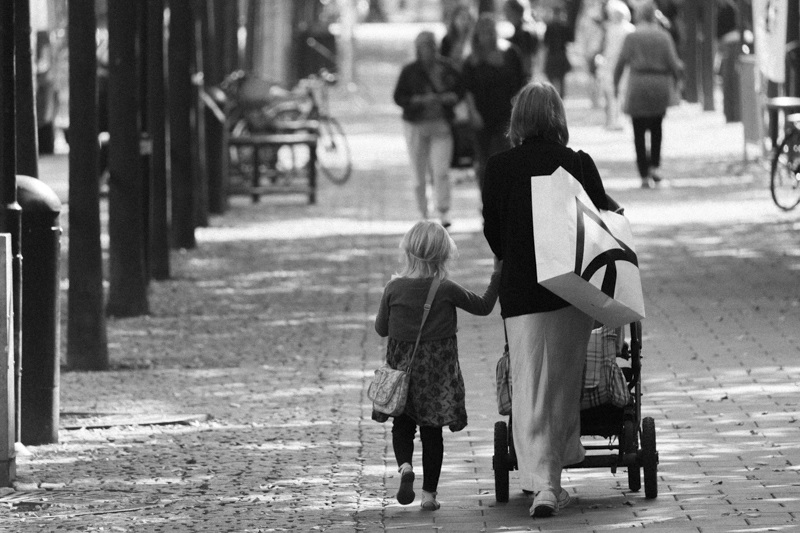
The “parenting like the French” approach, while often lauded for its emphasis on balance and child-centeredness, faces several potential challenges and criticisms. It’s crucial to recognize that any parenting style, regardless of cultural origin, must be adaptable and tailored to individual circumstances. Blindly adopting any model without careful consideration of personal contexts and family dynamics can lead to unintended consequences.
Potential Limitations of Generalization
Parenting styles are complex and multifaceted. While certain patterns might be prevalent in a particular culture, applying them universally is fraught with limitations. Factors like socioeconomic status, family structure, individual child temperament, and specific life events all influence how a parenting style manifests and impacts a child. Attempting to create a single definition of “parenting like the French” overlooks the wide spectrum of experiences within French families themselves.
It’s essential to avoid oversimplifying and stereotyping any cultural approach to child-rearing.
Cultural Sensitivity and Contextual Factors
Cultural sensitivity is paramount when discussing parenting styles. The values and norms that underpin French parenting may not align with those in other cultures. For instance, the emphasis on extended family interactions and communal child-rearing practices in some cultures contrasts sharply with the more individualistic approach prevalent in others. Generalizations about parenting approaches should always acknowledge the diverse experiences and contexts that shape family life.
Socioeconomic Influences
Socioeconomic factors significantly impact parenting approaches. Access to resources, education, and social support networks plays a pivotal role in how parents approach child-rearing. Families in France, despite their often-cited emphasis on quality time and nurturing, may face economic pressures that limit their ability to fully implement certain ideals. A middle-class French family’s ability to prioritize quality time might differ greatly from a low-income family struggling to meet basic needs.
Societal Expectations in France
Societal expectations in France, like in any nation, play a role in shaping parenting styles. Traditional gender roles, educational systems, and community norms can influence parental choices. For instance, the French educational system, with its focus on critical thinking and independent learning, can potentially influence how parents approach their child’s education. The emphasis on the French “art de vivre” can also subtly affect how parents approach everyday interactions with their children.
Comparison Table: Challenges of “Parenting Like the French”
| Challenge | Description | Possible Mitigation | Cultural Context |
|---|---|---|---|
| Potential for Overgeneralization | “Parenting like the French” simplifies a complex cultural phenomenon. | Recognize the diverse experiences within French families and consider individual circumstances. | French parenting encompasses various socioeconomic and family structures. |
| Lack of Cultural Sensitivity | Applying a French parenting model to families from other cultures can lead to misunderstandings. | Engage in cross-cultural dialogue and consider the unique values and norms of each culture. | Cultural norms shape expectations and practices regarding child-rearing. |
| Socioeconomic Disparities | Economic limitations may prevent families from fully implementing ideals of “parenting like the French.” | Identify and address the specific socioeconomic challenges faced by families. | Socioeconomic status influences resource availability and parental choices. |
| Societal Expectations | French societal norms and expectations may impact parenting choices. | Understand how societal expectations influence the French parenting style and adapt approaches accordingly. | Societal norms and traditions shape parenting values and practices. |
Practical Applications and Strategies
Embracing French parenting principles can feel like a fascinating journey of cultural exchange. It’s about adopting a mindful approach to child-rearing, recognizing that different approaches yield varying results. This section delves into practical strategies for incorporating elements of French parenting into diverse family structures. The aim is not to rigidly copy a model, but rather to extract valuable lessons and adapt them to individual circumstances.By understanding the core tenets of French parenting, parents can develop a more holistic approach to raising children.
This involves focusing on fostering emotional intelligence, promoting independence, and creating a supportive family environment. The focus shifts from strict rules to understanding and respecting the child’s needs within the context of family values.
Strategies for Incorporating French Parenting Principles, Parenting like the french
Understanding the core principles of French parenting involves more than just mimicking a specific set of rules. It’s about cultivating an atmosphere of trust, respect, and emotional well-being within the family dynamic. This section offers strategies for adapting key French parenting elements to different family structures and situations.
- Promoting Independence and Self-Regulation: Encourage children to develop self-sufficiency through age-appropriate tasks. Instead of immediately jumping in to help, provide guidance and support, allowing them to problem-solve and make choices. For example, a young child might be encouraged to select their own clothes or a teenager to manage their own schedule for extracurricular activities. This fosters a sense of responsibility and self-reliance.
- Building Emotional Intelligence: French parenting emphasizes acknowledging and validating children’s emotions. This involves teaching children to express their feelings constructively and to understand the feelings of others. Active listening, empathy, and providing opportunities for emotional processing are crucial. A child feeling frustrated over a lost toy might be encouraged to articulate their feelings instead of immediately providing a replacement.
- Creating a Supportive and Structured Environment: French families often maintain a structured daily routine. This provides children with a sense of security and predictability. However, flexibility is also key, accommodating children’s needs and spontaneous events. This might include a set bedtime and mealtimes but also allowing for some flexibility to accommodate unforeseen events or interests.
- Encouraging Open Communication and Respect: Establishing clear communication channels between parents and children is crucial. Open dialogue, active listening, and mutual respect are vital components of this approach. This involves actively listening to a child’s concerns and responding with empathy, fostering a trusting relationship where the child feels heard and valued.
Practical Implementation Guide
This guide provides step-by-step instructions for implementing specific strategies. It’s designed to be adaptable and personalized to fit the unique needs of each family.
| Strategy | Description | Implementation Steps | Potential Outcomes |
|---|---|---|---|
| Promoting Independence | Encouraging self-sufficiency and problem-solving skills. | 1. Identify age-appropriate tasks. 2. Provide guidance, not immediate solutions. 3. Allow children to experience the consequences of their choices. | Increased self-reliance, improved decision-making, greater sense of responsibility. |
| Building Emotional Intelligence | Helping children understand and manage their emotions. | 1. Validate children’s feelings. 2. Encourage verbal expression of emotions. 3. Model healthy emotional responses. | Enhanced emotional regulation, improved social skills, greater empathy. |
| Creating a Supportive Structure | Establishing routines while maintaining flexibility. | 1. Create a predictable daily schedule. 2. Involve children in creating the schedule. 3. Be adaptable to unexpected events. | Increased security and predictability, improved time management, greater sense of control. |
| Encouraging Open Communication | Fostering trust and mutual respect through open dialogue. | 1. Create a safe space for open discussion. 2. Actively listen to children’s concerns. 3. Respond with empathy and understanding. | Stronger parent-child bonds, improved communication skills, increased trust. |
Ending Remarks

In conclusion, understanding “parenting like the French” provides a valuable lens through which to examine diverse parenting approaches. While not a one-size-fits-all solution, the principles of fostering independence, emotional intelligence, and a love for learning offer valuable insights for parents worldwide. This exploration encourages thoughtful consideration of cultural contexts and the importance of adaptability in raising children.
