PARP inhibitor ovarian cancer treatment is rapidly evolving, offering new hope for patients. This exploration delves into the mechanisms of action, clinical trial data, resistance strategies, patient selection, and the future of this promising therapy. We’ll cover everything from the basic science to the practical applications, providing a comprehensive overview.
Understanding how PARP inhibitors work in the context of ovarian cancer is crucial. These drugs target specific DNA repair pathways, exploiting vulnerabilities in cancer cells. Different types of PARP inhibitors have emerged, each with its own characteristics and potential applications. We’ll explore these details, highlighting their unique mechanisms and the factors influencing their effectiveness.
PARP Inhibitors in Ovarian Cancer
PARP inhibitors represent a significant advancement in the treatment of ovarian cancer, particularly for patients with specific genetic predispositions. These targeted therapies work by exploiting vulnerabilities in cancer cells, leading to enhanced treatment efficacy and improved patient outcomes. Their success hinges on understanding the intricate mechanisms of DNA repair, a crucial process often disrupted in cancer cells.Ovarian cancer, a complex disease, frequently exhibits defects in DNA repair pathways.
Recent research on PARP inhibitor ovarian cancer treatments has been promising, but managing side effects is crucial. One surprisingly effective approach to coping with potential emotional distress, often a factor in cancer treatment, is meditation. Techniques like those explored in meditation for binge eating disorder can be adapted to help patients manage stress and anxiety related to the treatment process, ultimately improving their overall well-being and increasing the chances of successful PARP inhibitor ovarian cancer outcomes.
This makes them susceptible to PARP inhibitors, which can effectively halt tumor growth and spread. These agents have revolutionized treatment strategies, offering new hope for patients with advanced or recurrent ovarian cancer.
Mechanism of Action
PARP inhibitors work by targeting a specific enzyme called poly(ADP-ribose) polymerase (PARP). PARP plays a vital role in DNA repair, particularly in single-strand DNA breaks. In normal cells, PARP activity is tightly regulated, but in cancer cells with defects in other DNA repair pathways, like homologous recombination (HR), PARP activity becomes crucial for survival. When HR is impaired, PARP inhibitors cause accumulation of DNA damage, leading to cell death.
This process, known as synthetic lethality, selectively targets cancer cells without significantly affecting normal cells.
Types of PARP Inhibitors
Several PARP inhibitors are currently approved for use in ovarian cancer treatment. Their mechanisms of action and characteristics vary slightly, impacting their effectiveness in specific patient populations.
PARP Inhibitors Used in Ovarian Cancer
| Inhibitor | Trade Name | Mechanism | Characteristics |
|---|---|---|---|
| Olaparib | Lynparza | Inhibits PARP, leading to accumulation of DNA damage in cells deficient in homologous recombination. | Often used as a first-line treatment for patients with BRCA mutations and recurrent ovarian cancer. Generally well-tolerated, but potential side effects include nausea, fatigue, and myelosuppression. |
| Rucaparib | Rubraca | Inhibits PARP, similarly leading to synthetic lethality in HR-deficient cells. | Often used as a second-line or maintenance therapy in patients with ovarian cancer, often after initial treatment with other agents. Also, well-tolerated, but potential side effects are similar to olaparib. |
| Talazoparib | Talzenna | Inhibits PARP, triggering synthetic lethality in HR-deficient cells. | Used as a treatment option for patients with ovarian cancer, often in combination with other therapies. Similar tolerability profile to other PARP inhibitors, with potential side effects including nausea and fatigue. |
| Niraparib | Zejula | Inhibits PARP, resulting in synthetic lethality in HR-deficient cells. | Often used as a maintenance therapy to prevent recurrence in ovarian cancer patients. Similar side effect profile to other PARP inhibitors. |
Role of DNA Repair in Ovarian Cancer Development
DNA repair mechanisms are crucial for maintaining genomic stability. Defects in these mechanisms can lead to mutations and genomic instability, driving uncontrolled cell growth and tumor development. In ovarian cancer, mutations in genes involved in DNA repair, such as BRCA1 and BRCA2, are frequently observed. These mutations compromise the cell’s ability to repair DNA damage, leading to accumulation of mutations and increased cancer risk.
ParP inhibitor therapy for ovarian cancer is showing promising results, but the high cost of these treatments is a major concern. It’s a complex issue, and understanding the factors driving healthcare costs is crucial. For a deeper dive into the economics of healthcare, check out this Q&A with a doctor who can explain why costs are so astronomical: q a with the doctor who can tell you why healthcare costs an arm and a leg.
Ultimately, these expensive treatments need to be balanced with the potential benefits and long-term impact on patients with ovarian cancer.
Clinical Trials and Evidence
PARP inhibitors have emerged as a significant advancement in the treatment of ovarian cancer, particularly for patients with specific genetic characteristics. Clinical trials have played a crucial role in demonstrating their efficacy and identifying patient populations most likely to benefit. Understanding the results of these trials provides critical insights into the optimal use of these agents.
Key Findings from Clinical Trials
Extensive clinical research has evaluated PARP inhibitors in various settings, including platinum-sensitive recurrent ovarian cancer, and platinum-resistant disease. The key findings consistently point towards significant improvements in progression-free survival (PFS) and overall survival (OS) for specific patient groups. For instance, trials have demonstrated that PARP inhibitors, when used in combination with other therapies, can delay disease progression and extend survival, especially in patients with homologous recombination deficiency (HRD) and BRCA mutations.
Role of Biomarkers in Predicting Response
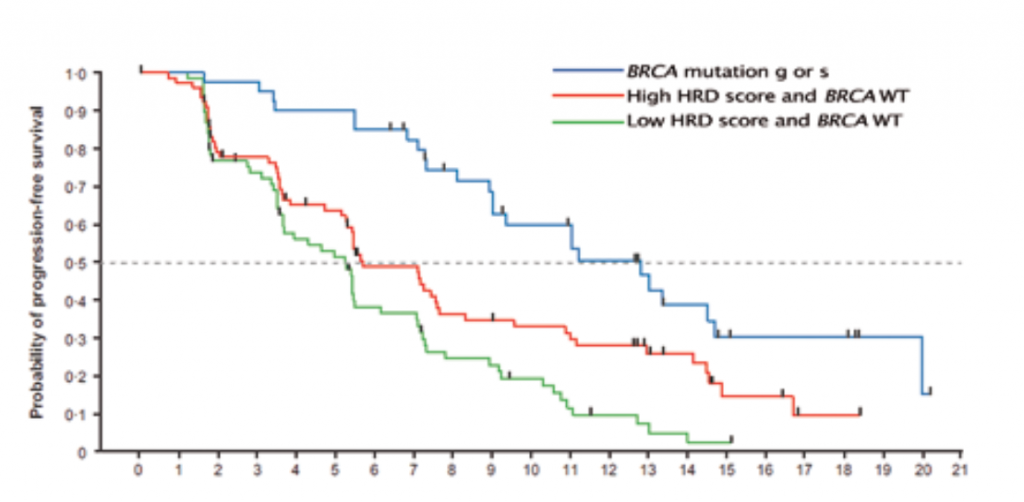
Identifying patients most likely to respond to PARP inhibitors is a crucial aspect of personalized treatment. Biomarkers, such as HRD status and BRCA mutations, are instrumental in predicting response to PARP inhibitors. Studies have demonstrated that patients with HRD or BRCA mutations are more likely to benefit from PARP inhibitor therapy. This targeted approach maximizes treatment efficacy and minimizes potential side effects in patients who are less likely to respond.
Phases of Clinical Trials
Clinical trials evaluating PARP inhibitors have progressed through various phases, each contributing to a deeper understanding of their effectiveness and safety. Phase I trials focused on establishing safety and determining the optimal dosage. Phase II trials explored efficacy in specific patient populations, such as those with BRCA mutations. Phase III trials, the largest and most definitive, compared PARP inhibitors to standard treatments, yielding crucial evidence for widespread clinical use.
Comparison of Clinical Trial Outcomes
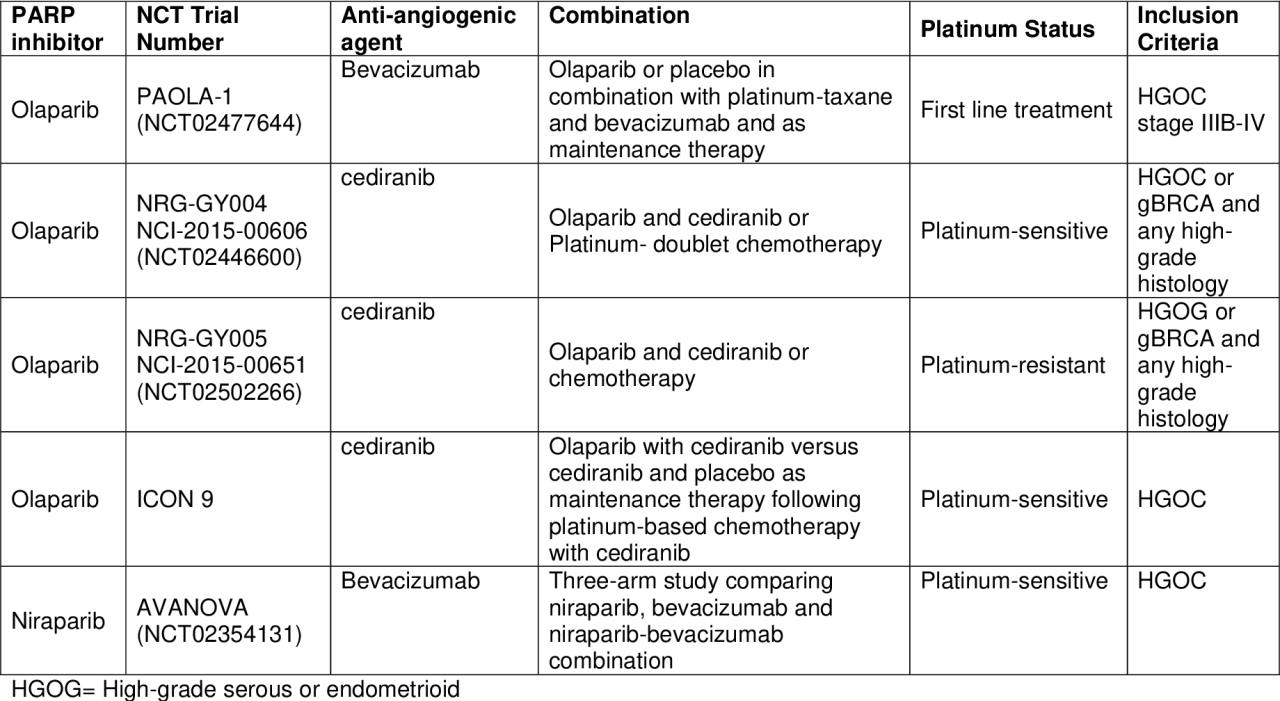
| Trial ID | Patient Population | Treatment Regimen | Response Rate |
|---|---|---|---|
| Example Trial 1 (e.g., SOLOIST) | Women with recurrent, platinum-sensitive ovarian cancer; BRCA-mutated | Olaparib monotherapy | Approximately 30-40% objective response rate; significant improvement in PFS |
| Example Trial 2 (e.g., POLE) | Women with recurrent, platinum-sensitive ovarian cancer; HRD-positive | Talazoparib in combination with chemotherapy | Improved PFS and OS compared to chemotherapy alone; significant benefit for specific subgroups |
| Example Trial 3 (e.g., PAOLA-1) | Women with platinum-resistant ovarian cancer | Olaparib in combination with chemotherapy | Limited objective response rate; but demonstrated some benefit in terms of survival in some patient subgroups |
The table above provides a simplified overview of clinical trial outcomes. Each trial encompasses detailed data on patient characteristics, treatment protocols, and outcomes, enabling a comprehensive understanding of PARP inhibitor effectiveness in different ovarian cancer settings. Important factors like patient age, tumor grade, and prior treatment history are often included in the selection criteria.
Resistance Mechanisms and Strategies
PARP inhibitors have revolutionized ovarian cancer treatment, but resistance inevitably emerges. Understanding the mechanisms behind this resistance is crucial for developing effective strategies to overcome it and improve patient outcomes. This knowledge allows clinicians to tailor treatment approaches and potentially extend the efficacy of these vital therapies.The development of resistance to PARP inhibitors in ovarian cancer is a complex process, often involving multiple genetic and cellular changes.
These changes can alter the way cancer cells respond to the treatment, rendering the inhibitor ineffective. This complex interplay of molecular events underscores the need for a multifaceted approach to combat resistance.
Mechanisms of PARP Inhibitor Resistance, Parp inhibitor ovarian cancer
Resistance to PARP inhibitors can arise through various mechanisms, including alterations in homologous recombination (HR) pathways, which are the primary targets of PARP inhibitors. These changes can be due to mutations in DNA repair genes, such as BRCA1 and BRCA2, or through epigenetic modifications that affect the expression of these genes. Other pathways, like alternative DNA repair pathways, can also become dominant.
Further, acquired resistance can arise through changes in cellular metabolism or through activation of other signaling pathways.
Strategies to Overcome PARP Inhibitor Resistance
Overcoming PARP inhibitor resistance necessitates a multi-pronged approach that targets multiple potential mechanisms. Combination therapies that combine PARP inhibitors with other agents can enhance the efficacy of the treatment.
Potential Strategies to Overcome Resistance
Several strategies are being explored to combat PARP inhibitor resistance. These strategies encompass combination therapies and novel approaches:
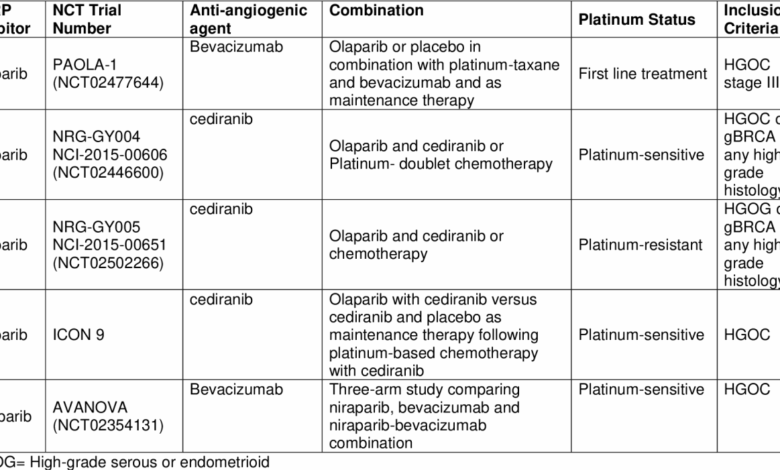
- Combination Therapies: Combining PARP inhibitors with other chemotherapeutic agents, such as platinum-based drugs, or with targeted therapies that target other cancer-driving pathways, can improve treatment efficacy. For example, combining a PARP inhibitor with a platinum-based drug may be more effective than using the PARP inhibitor alone in some cases. The rationale behind this is that combining drugs with different mechanisms of action can target multiple aspects of the cancer cell’s biology and enhance the overall anti-cancer effect.
Recent breakthroughs in PARP inhibitor treatments for ovarian cancer are promising, but navigating the complexities of healthcare costs is crucial. Understanding how these advancements interact with healthcare policies like the Affordable Care Act (ACA) is vital. For a comprehensive overview of the ACA, including its impact on healthcare coverage and costs, check out this helpful resource: obamacare everything you need to know about the aca before you vote.
Ultimately, access to these life-saving PARP inhibitors hinges on both innovative research and a robust, accessible healthcare system.
- Targeting Alternative DNA Repair Pathways: Identifying and targeting alternative DNA repair pathways that become activated in response to PARP inhibitor treatment can be a promising approach. If these pathways are successfully targeted, the cancer cells may be more vulnerable to the PARP inhibitor’s action.
- Epigenetic Modifications: Exploring agents that reverse epigenetic modifications associated with resistance can be a potential strategy. These modifications can alter gene expression, potentially leading to resistance. Reversing these changes could restore sensitivity to the PARP inhibitor.
- Immunotherapy: Incorporating immunotherapy approaches alongside PARP inhibitors can potentially enhance the anti-tumor immune response and counteract the development of resistance. By stimulating the immune system to recognize and eliminate cancer cells, the overall efficacy of PARP inhibitors might be improved.
Table of Common Resistance Mechanisms and Potential Countermeasures
| Resistance Mechanism | Potential Countermeasures |
|---|---|
| Loss of Homologous Recombination (HR) function | Combination therapies with platinum-based agents, targeted therapies targeting alternative DNA repair pathways, immunotherapy |
| Activation of Alternative DNA Repair Pathways | Targeted therapies that inhibit alternative DNA repair pathways, combination therapies |
| Acquired mutations in PARP or other genes | Combination therapies targeting multiple pathways, therapies that modulate the DNA repair process, development of next-generation PARP inhibitors |
| Epigenetic silencing of DNA repair genes | Agents that reverse epigenetic modifications, combination therapies |
Patient Selection and Management: Parp Inhibitor Ovarian Cancer
Choosing the right ovarian cancer patients for PARP inhibitor therapy is crucial for maximizing treatment effectiveness and minimizing potential side effects. Careful consideration of various factors, including the patient’s genetic makeup, tumor characteristics, and overall health, is essential for personalized treatment plans. This approach ensures that the therapy is tailored to the individual patient’s needs, improving the chances of a positive outcome.
Factors Considered in Patient Selection
Selecting patients for PARP inhibitor therapy requires a multi-faceted approach, evaluating several key factors. These factors help predict treatment response and potential side effects, ultimately optimizing the therapeutic strategy. Understanding these factors allows healthcare providers to make informed decisions about which patients are most likely to benefit from PARP inhibitors.
- Germline BRCA mutations: The presence of germline BRCA mutations is a significant factor in patient selection. These mutations are strongly associated with a higher likelihood of response to PARP inhibitors. For instance, patients with BRCA1 or BRCA2 mutations often experience durable responses to PARP inhibitors, demonstrating the efficacy of this treatment approach for this specific genetic profile.
- Tumor characteristics: The characteristics of the ovarian cancer itself play a crucial role in treatment selection. These include the histological type, tumor grade, and the presence of specific biomarkers. For example, high-grade serous ovarian cancers often exhibit a higher sensitivity to PARP inhibitors compared to other types.
- Overall health and performance status: A patient’s general health and functional capacity are also vital considerations. Patients with comorbidities or reduced performance status might require careful monitoring and adjustments to the treatment regimen to mitigate potential complications.
- Previous treatments: The patient’s history of previous treatments for ovarian cancer, including prior chemotherapy regimens, is an important factor in determining eligibility for PARP inhibitors. Knowledge of previous treatments and their effectiveness helps in optimizing the current treatment plan.
Importance of Genetic Testing
Genetic testing plays a pivotal role in selecting patients for PARP inhibitor therapy. Identifying germline mutations, particularly in BRCA genes, allows for personalized treatment strategies and prediction of response. This crucial step in the process allows healthcare providers to tailor treatment plans to individual patient needs, maximizing efficacy and minimizing potential adverse events. For instance, patients with a known BRCA mutation are more likely to respond to PARP inhibitors, making genetic testing an essential tool for guiding treatment decisions.
- Identifying BRCA mutations: Genetic testing is critical in identifying germline mutations in BRCA1 and BRCA2 genes, which are strong predictors of response to PARP inhibitors. These tests provide valuable insights into the patient’s genetic predisposition to ovarian cancer and their likelihood of responding to this specific therapy.
- Predicting treatment response: The presence of these mutations allows healthcare providers to predict a patient’s likelihood of responding to PARP inhibitor therapy. This allows for a more targeted approach, ensuring the right patients receive the right treatment.
- Reducing unnecessary treatments: Genetic testing can help avoid unnecessary treatments for patients who are not likely to respond to PARP inhibitors. This reduces the potential for side effects and improves the overall efficiency of the healthcare system.
Factors Relevant to Patient Selection
A comprehensive evaluation considers multiple factors to determine suitability for PARP inhibitor therapy. These factors, combined with careful assessment of the patient’s individual characteristics, guide the decision-making process.
- Tumor characteristics: Assessment of tumor characteristics, such as histological type, grade, and stage, is vital for evaluating the patient’s potential response to PARP inhibitors. For example, high-grade serous ovarian cancers are often more responsive to PARP inhibitors than other subtypes.
- Patient history: A thorough review of the patient’s medical history, including past treatments and any pre-existing conditions, helps in determining the appropriate treatment strategy.
- Performance status: Evaluating the patient’s overall health and functional capacity is crucial to assess their ability to tolerate the treatment and its potential side effects.
Potential Side Effects and Management Strategies
PARP inhibitors, while effective, can cause various side effects. Proper management strategies are essential to minimize these adverse events and ensure patient comfort. Careful monitoring and adjustments to the treatment regimen are crucial in managing these potential complications.
| Side Effect | Management Strategies |
|---|---|
| Nausea and vomiting | Anti-emetic medications, dietary adjustments, and symptom management strategies. |
| Fatigue | Rest periods, lifestyle modifications, and supportive care. |
| Myelosuppression (low blood cell counts) | Blood transfusions, platelet transfusions, and careful monitoring of blood counts. |
| Diarrhea | Dietary modifications, anti-diarrheal medications, and symptom management. |
| Cardiotoxicity | Regular cardiac monitoring, dose adjustments, and close collaboration with cardiologists. |
| Skin rash | Topical creams, antihistamines, and avoidance of potential irritants. |
Future Directions and Research
PARP inhibitor therapy has shown remarkable success in treating ovarian cancer, but ongoing research is crucial to further optimize its application and address limitations. The quest for improved outcomes involves exploring novel combination therapies, personalized treatment strategies, and understanding the complex mechanisms of resistance. This exploration will be vital in enhancing the efficacy and safety of these agents, ultimately leading to better patient outcomes.The future of PARP inhibitor therapy in ovarian cancer is bright, promising more effective and tailored treatment approaches.
Researchers are actively pursuing innovative strategies to overcome treatment resistance, personalize treatment selection, and improve the overall management of this challenging disease.
Novel Combination Therapies
A significant focus in PARP inhibitor research is the development of effective combination therapies. Combining PARP inhibitors with other targeted agents or chemotherapeutic drugs can enhance efficacy by targeting multiple pathways simultaneously. This approach aims to reduce the emergence of resistance mechanisms and improve overall response rates. For instance, combining PARP inhibitors with platinum-based chemotherapy or anti-angiogenic agents could synergistically improve treatment outcomes.
Targeted Therapies
Beyond PARP inhibitors, research is also exploring other targeted therapies that could be combined or used as alternatives. These include inhibitors targeting specific cancer-driving pathways, such as those involved in DNA repair or cell cycle regulation. This strategy aims to improve treatment effectiveness and reduce side effects. In particular, studies are investigating the potential of inhibitors targeting specific oncogenic drivers, such as PI3K/AKT/mTOR pathways or specific epigenetic modifiers, to improve outcomes in patients with certain ovarian cancer subtypes.
Personalized Medicine
Personalized medicine is becoming increasingly important in cancer treatment, including ovarian cancer. The goal is to tailor treatment strategies to individual patients based on their tumor characteristics, genetic profiles, and other clinical factors. This approach is expected to improve treatment efficacy and minimize adverse effects. By identifying specific genetic alterations in a patient’s tumor, clinicians can select the most appropriate PARP inhibitor and potentially other targeted agents, maximizing treatment response and minimizing the risk of resistance development.
Emerging Research Areas
This table summarizes emerging research areas and their potential impact on PARP inhibitor therapy for ovarian cancer.
| Research Area | Potential Impact |
|---|---|
| Developing predictive biomarkers for PARP inhibitor response | Improved patient selection for PARP inhibitor therapy, leading to higher response rates and reduced toxicity. This will allow for more accurate prediction of which patients will benefit from PARP inhibitor therapy and which ones may not. |
| Investigating the role of microRNAs and other non-coding RNAs in PARP inhibitor resistance | Understanding the mechanisms of resistance to PARP inhibitors, leading to the development of novel strategies to overcome resistance. This research could identify new targets for therapies that overcome resistance to PARP inhibitors. |
| Exploring the potential of immunotherapy in combination with PARP inhibitors | Enhanced anti-tumor activity and improved overall survival. Combining PARP inhibitors with immunotherapeutic agents could boost the immune system’s ability to recognize and destroy cancer cells, potentially leading to more effective treatment. |
| Optimizing the use of liquid biopsies for monitoring treatment response and detecting resistance | Improved monitoring of treatment response and early detection of resistance. This will allow for earlier interventions and adaptation of treatment strategies, potentially improving outcomes. Liquid biopsies are increasingly being used to monitor tumor burden and response to treatment, enabling adjustments to treatment regimens based on real-time data. |
Closing Notes
In conclusion, PARP inhibitor therapy for ovarian cancer represents a significant advancement in treatment options. Clinical trials have demonstrated encouraging results, particularly in specific patient populations. However, resistance mechanisms remain a crucial challenge, prompting ongoing research into novel strategies. Personalized medicine is emerging as a key element in patient selection and management, paving the way for tailored treatments.
Future research holds promise for further improvements in efficacy and reduced side effects.