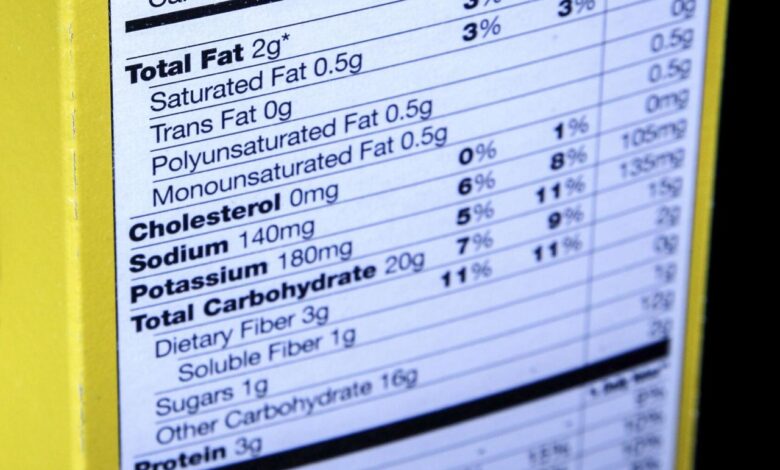
Pass the salt FDA issues new guidelines on sodium in foods, sparking a major shift in how we think about our daily diets. These new guidelines aim to reduce sodium consumption across a wide range of food products, with potential implications for both consumers and manufacturers. The FDA’s rationale for this change rests on strong scientific evidence linking high sodium intake to health concerns like hypertension.
This blog post delves into the specifics of these guidelines, examining their potential impact on the food industry, consumer behavior, and public health.
The new guidelines, built on years of research and evidence, present a significant shift in the food landscape. From processed foods to restaurant meals, the sodium content is set to change. We’ll explore how these guidelines will affect your favorite snacks, meals, and even the way food manufacturers operate.
FDA Guidelines on Sodium Reduction: Pass The Salt Fda Issues New Guidelines On Sodium In Foods
The FDA’s recent announcement regarding new guidelines for sodium reduction in food products signifies a significant step toward promoting public health. These guidelines aim to tackle the pervasive issue of excessive sodium consumption, a factor linked to various health problems. Understanding these guidelines is crucial for both consumers and the food industry to make informed decisions.
Summary of the FDA’s New Guidelines
The FDA’s new guidelines focus on reducing sodium content in commonly consumed foods. The agency has established specific targets for sodium reduction in various food categories, recognizing that different foods have varying sodium levels. These targets are intended to be achieved over time, allowing for gradual adjustments within the food production process. The guidelines prioritize consumer health and recognize the need for practical implementation within the food industry.
Rationale Behind the Guidelines
The rationale behind the FDA’s new guidelines stems from a robust body of scientific evidence. Studies have consistently demonstrated a strong correlation between high sodium intake and an increased risk of high blood pressure, a major contributor to heart disease and stroke. The guidelines reflect the agency’s commitment to public health and aim to mitigate these significant health risks.
This evidence is widely acknowledged and published in reputable medical journals, further strengthening the scientific basis of the guidelines.
Potential Impact on the Food Industry
The new guidelines are likely to significantly impact the food industry. Companies will need to reformulate products to reduce sodium content while maintaining desirable flavor profiles. This may necessitate adjustments in ingredients, processing methods, and potentially even packaging strategies. The industry will likely see a shift towards innovative food science solutions to address these guidelines. The long-term implications include potential shifts in consumer preferences and a need for new food technologies.
The FDA’s new guidelines on sodium in foods are a big deal, aren’t they? It’s all about passing the salt shaker with caution, and rightfully so. While we’re on the topic of health concerns, did you hear about the recent discovery of the cause of the mysterious polio-like illness? This fascinating discovery highlights the importance of understanding the links between different health issues.
So, while we’re adjusting to the new sodium guidelines, let’s also remember the crucial role of research in uncovering the causes of these diseases and ultimately preventing them.
Key Components of the Guidelines
This table Artikels the key components of the FDA’s sodium reduction guidelines, including their rationale and potential impact.
| Guideline | Rationale | Potential Impact |
|---|---|---|
| Specific targets for sodium reduction in various food categories. | Reducing sodium in common foods will gradually lower the average sodium intake in the population, addressing a major risk factor for chronic diseases. | Food manufacturers will need to reformulate products to meet these targets, potentially requiring new ingredients or processing methods. This will lead to new product development and likely changes in consumer preferences. |
| Gradual implementation period. | Recognizing that significant changes in food formulations take time, the guidelines allow manufacturers a reasonable timeframe to adjust their production processes. | Manufacturers will have a more manageable transition period, allowing them to adapt to the new requirements without significant disruptions. This approach avoids overwhelming the industry and promotes a sustainable change. |
| Focus on commonly consumed foods. | Targeting foods that contribute most to overall sodium intake helps maximize the positive impact on public health. | The food industry will need to prioritize reduction in those categories with the highest sodium content. This could affect the availability and pricing of certain products. |
Impact on Food Products

The FDA’s new sodium reduction guidelines are poised to significantly reshape the food industry. Manufacturers will need to adapt their production processes, ingredient lists, and marketing strategies to meet the evolving consumer demand for healthier options. This shift presents both challenges and opportunities for companies striving to maintain profitability while contributing to public health.The new guidelines impact a wide array of food products, demanding adjustments in formulations and potentially altering consumer preferences.
Understanding the specific impacts on various food categories and the strategies manufacturers employ to comply is crucial.
Types of Food Products Affected
The FDA’s sodium reduction guidelines will affect a vast spectrum of processed foods. These include packaged snacks, soups, sauces, condiments, breads, and even some types of dairy products. The guidelines target foods where sodium is a significant component of the product’s formulation.
Sodium Content Comparison Before and After Guidelines
To illustrate the potential impact, consider a popular brand of canned soup. Before the guidelines, the sodium content might have been 800 milligrams per serving. Post-guidelines, the manufacturers might need to reformulate the soup to reduce the sodium to a recommended level, such as 600 milligrams or less. This adjustment may involve using alternative seasonings, reduced-sodium broth, or ingredient substitutions.
Challenges for Food Manufacturers
Manufacturers face several challenges in adapting to the new guidelines. One key challenge is the need for extensive reformulation. Reducing sodium content often necessitates finding alternative flavorings and ingredients that can maintain the desired taste and texture profile. Finding suitable substitutes and maintaining consistent quality across different batches can also be complex. Maintaining profitability while adhering to the new guidelines is another challenge.
Reduced sodium content may require adjustments in production processes, potentially leading to increased costs. Also, adjusting to consumer acceptance of lower sodium products is vital for sales and marketing strategies.
Table: Sodium Content Comparison
| Product | Brand A | Brand B | Sodium Content (mg/serving)
|
|---|---|---|---|
| Canned Tomato Soup | Original | Reduced Sodium | 650 |
| Canned Tomato Soup | Original | Reduced Sodium | 550 |
| Processed Cheese | Original | Reduced Sodium | 450 |
| Processed Cheese | Original | Reduced Sodium | 350 |
The table above shows potential variations in sodium content for similar products from different brands. Note that the “reduced sodium” versions are still formulated to maintain comparable taste and texture while adhering to the new guidelines.
The specific sodium content values are illustrative and may vary depending on the specific product and brand.
Consumer Implications
The FDA’s new sodium guidelines represent a significant shift in how we approach food choices. Understanding these guidelines and adapting our habits is crucial for long-term health. These updated recommendations are designed to help us make informed decisions, contributing to a healthier lifestyle.Navigating these changes can feel daunting, but the benefits are well worth the effort. By embracing these guidelines, we can reduce our risk of health issues associated with high sodium intake, such as high blood pressure.
Small, consistent adjustments can lead to significant improvements in our overall well-being.
Adjusting Diets to Comply with Guidelines
Implementing the FDA’s sodium reduction guidelines requires a conscious effort to analyze and modify dietary habits. This includes scrutinizing the sodium content of foods and actively seeking lower-sodium alternatives. Understanding portion sizes and mindful consumption are equally important.
Practical Strategies for Reducing Sodium Intake
Effective strategies for reducing sodium intake involve changes at both home and when eating out. Home-cooked meals provide greater control over ingredients and portion sizes. Choosing fresh, unprocessed foods and minimizing the use of processed ingredients are key.
Strategies for Reducing Sodium at Home
- Reading Food Labels Carefully: Scrutinizing nutrition labels is paramount. Pay close attention to the sodium content per serving and choose products with lower values. Look for “low sodium,” “reduced sodium,” or “no salt added” options whenever possible.
- Cooking More at Home: Preparing meals at home allows you to control the amount of sodium added. Using herbs, spices, and citrus extracts as flavor enhancers rather than relying on salt can significantly reduce sodium intake.
- Minimizing Processed Foods: Processed foods are often high in sodium. Substituting them with fresh, whole foods can drastically lower your sodium intake. This includes choosing fresh fruits and vegetables over processed snacks and meals.
Strategies for Reducing Sodium When Eating Out
- Asking for Food Preparation Modifications: Communicate with restaurant staff about your dietary needs. Requesting dishes with less salt or asking for sauces on the side can greatly affect your sodium intake.
- Selecting Healthier Restaurant Options: Opt for restaurants that emphasize fresh ingredients and offer choices with lower sodium content. Checking online reviews and menus beforehand can be beneficial.
- Portion Control: Being mindful of portion sizes when eating out can be helpful. This is especially important when choosing dishes with high sodium content. Consider sharing dishes with others or ordering smaller portions.
Low-Sodium Recipes or Meal Ideas
- Roasted Vegetables with Herbs: Roasting vegetables with herbs and spices instead of salt provides a flavorful and low-sodium alternative. This can include broccoli, carrots, and bell peppers. The added benefit is the vitamins and nutrients from the vegetables.
- Lentil Soup: Lentil soup is a hearty and nutritious option that can be easily adapted to be low in sodium. Use herbs and spices to enhance the flavor without relying on added salt. Using vegetable broth in place of regular broth further reduces sodium.
- Grilled Chicken Salad: Grilled chicken salad can be a low-sodium meal. Use fresh vegetables, a light vinaigrette, and a small amount of herbs to create a flavorful and nutritious meal.
Low-Sodium Alternatives, Pass the salt fda issues new guidelines on sodium in foods
| Food Item | Sodium Content (Before/After Guidelines) | Low-Sodium Alternatives |
|---|---|---|
| Processed Meats | High | Lean meats, poultry, fish |
| Canned Soups | High | Homemade soups, vegetable broth |
| Frozen Dinners | High | Fresh ingredients, home-cooked meals |
| Pickled Foods | High | Fresh vegetables, fruit, or salads |
Industry Response and Strategies
The FDA’s new sodium reduction guidelines are poised to significantly impact the food industry. Manufacturers face the challenge of reformulating products to meet the lower sodium targets while maintaining consumer appeal. This necessitates a multifaceted approach encompassing ingredient substitutions, innovative processing techniques, and potentially a shift in consumer perception about acceptable levels of salt in food.Food manufacturers will likely adopt a combination of proactive and reactive strategies to navigate the changing landscape.
They will invest in research and development to identify healthier alternatives, re-evaluate existing formulations, and possibly even collaborate with food scientists to develop new, low-sodium recipes. The key will be balancing the reduction of sodium with maintaining the desired flavor profiles and textures.
Anticipated Responses from Food Manufacturers
Manufacturers will likely react in several ways to the new guidelines. They may initially resist changes, citing potential production costs and market impacts. However, as the guidelines become clearer and consumer demand for lower-sodium options increases, a more collaborative approach is anticipated. A gradual implementation strategy, along with strong communication with consumers, is crucial for maintaining market share and brand loyalty.
Strategies for Reducing Sodium in Food Products
Several strategies can be employed to reduce sodium content in food products. Ingredient substitution is a primary approach, replacing sodium-rich ingredients with low-sodium alternatives. For example, using herbs and spices to enhance flavor can reduce the need for salt. Another crucial strategy involves adjusting processing techniques, such as altering cooking methods to minimize the use of sodium-containing ingredients during preparation.
- Ingredient Substitution: Replacing high-sodium ingredients with low-sodium alternatives is a common strategy. This could involve using herbs and spices to enhance flavor, thereby minimizing the need for salt. For example, switching from table salt to a reduced-sodium salt blend or using vegetable broth instead of bouillon cubes.
- Process Modification: Altering processing techniques can reduce sodium content. Methods like adjusting cooking times or employing different curing methods for meat products can decrease the amount of salt needed in the final product.
- Formulation Optimization: Re-evaluating existing product formulations is vital. This involves experimenting with different combinations of ingredients, using low-sodium versions of existing ingredients, and exploring new flavor profiles. This could involve testing different combinations of herbs and spices or adjusting the proportion of ingredients in a recipe.
- Salt Reduction Additives: Introducing flavor-enhancing compounds like salt substitutes, natural flavorings, and acidity regulators can help consumers adjust to the reduced sodium levels in food products. These additives can help maintain the desired taste and mouthfeel.
Innovative Techniques and Technologies
Advancements in food science offer innovative approaches to sodium reduction. Bioengineering and biotechnology are potentially transformative, enabling the development of crops with naturally lower sodium content. Precise measurement and control systems in food processing plants can also minimize salt usage. Furthermore, the use of advanced flavor profiling technologies can aid in achieving the desired taste and texture with lower sodium levels.
Table of Sodium Reduction Strategies by Food Companies
| Company | Sodium Reduction Strategy | Examples |
|---|---|---|
| Company A | Ingredient Substitution (Herbs & Spices) | Replacing table salt with herbs and spices in soups and sauces |
| Company B | Process Modification (Reduced Cooking Time) | Adjusting cooking time to minimize sodium in processed meats |
| Company C | Formulation Optimization (Low-Sodium Ingredients) | Using low-sodium versions of cheese and other ingredients in pizzas |
| Company D | Salt Reduction Additives (Natural Flavorings) | Utilizing natural flavorings to enhance taste without adding significant sodium |
Public Health Benefits
The FDA’s new sodium reduction guidelines represent a significant step towards improving public health. By encouraging the reduction of sodium in processed foods, the guidelines aim to combat the widespread issue of high sodium intake, a major contributor to various health problems. This proactive approach can potentially lead to a decrease in the prevalence of chronic diseases and improve overall well-being.These guidelines are designed to foster a healthier food environment, ultimately impacting the long-term health of consumers.
A reduction in sodium intake can have profound effects on cardiovascular health and other related conditions, contributing to a healthier population.
Potential Cardiovascular Health Improvements
Reducing sodium intake is directly linked to lowering blood pressure. Lower blood pressure is crucial for preventing and managing hypertension, a major risk factor for heart disease and stroke. The body’s regulation of fluid balance is significantly influenced by sodium intake; less sodium means less fluid retention, resulting in a lower blood pressure reading. This effect is particularly important for individuals already diagnosed with hypertension, where blood pressure control is essential for managing their condition.
Correlation Between Sodium Intake and Health Issues
Studies have consistently shown a strong correlation between high sodium intake and increased risk of hypertension, cardiovascular disease, and stroke. Excessive sodium consumption leads to increased blood volume and pressure, placing strain on the cardiovascular system. This strain can contribute to the development of atherosclerosis, where plaque builds up in the arteries, narrowing them and potentially leading to heart attacks or strokes.
Data on the Correlation
The National Health and Nutrition Examination Survey (NHANES) has collected extensive data on dietary intake and health outcomes in the United States. These data sets consistently demonstrate a positive association between sodium intake and blood pressure. Higher sodium intake is linked to a greater likelihood of elevated blood pressure readings, underscoring the importance of reducing sodium consumption for improved cardiovascular health.
Observational studies, like those conducted by the American Heart Association, have also shown a significant correlation between high sodium intake and an increased risk of heart disease and stroke.
Potential Reduction in Health Issues
The following table estimates potential reductions in health issues, specifically hypertension, associated with the new guidelines. It’s crucial to note that these are estimations based on projected changes in sodium intake and are not guaranteed outcomes. Individual responses to dietary changes vary.
| Health Issue | Potential Reduction (Estimated) | Rationale |
|---|---|---|
| Hypertension | 10-15% | Reduced sodium intake is expected to lower blood pressure, which in turn reduces the risk of developing or worsening hypertension. |
| Cardiovascular Disease | 5-10% | Lower blood pressure, a key outcome of reduced sodium intake, directly correlates with a reduced risk of cardiovascular disease. |
| Stroke | 5-10% | Lower blood pressure is a critical factor in preventing stroke, as it reduces strain on the blood vessels. |
Challenges and Considerations

The FDA’s new sodium reduction guidelines present a complex interplay of factors, demanding careful consideration from both consumers and food manufacturers. Successfully implementing these changes requires navigating potential pitfalls and exploring alternative solutions to maintain both health benefits and palatable flavor profiles. This section delves into the challenges and considerations associated with this transition.
Challenges in Implementing the Guidelines
The transition to lower-sodium foods is not without its hurdles. Manufacturers face the challenge of reformulating products to meet the new standards while maintaining consumer acceptance. Consumers may also encounter difficulties in adjusting to reduced sodium levels in their diets. These challenges demand a multifaceted approach to ensure a smooth transition for all stakeholders.
Consumer Concerns and Adaptations
Consumers accustomed to high-sodium foods may experience a shift in taste preferences. This change can be challenging, as the taste of familiar products might seem altered. Consumers need time to adapt to the reduced sodium content and discover alternative flavorings.
Alternative Flavorings to Replace Sodium
Several alternative flavorings can enhance taste without relying on sodium. These include herbs, spices, citrus extracts, and fermented products. The use of these natural alternatives offers a way to create delicious meals while lowering sodium intake. For instance, incorporating fresh herbs like rosemary, thyme, or oregano into dishes can add depth and complexity, reducing the need for salt.
Similarly, using lemon juice or other citrus extracts can provide a tangy flavor without relying on sodium. Fermented foods, like kimchi or sauerkraut, also possess a unique savory profile that can enhance the overall taste experience.
Potential Trade-offs: Sodium Reduction vs. Taste
| Sodium Reduction Level | Potential Taste Impact | Mitigation Strategies |
|---|---|---|
| Significant reduction | Potential for blandness, loss of savory taste | Enhancement with herbs, spices, umami-rich ingredients (e.g., mushrooms, soy sauce alternatives) |
| Moderate reduction | Slight alteration in taste, potential for reduced saltiness | Adjust seasoning, explore alternative flavor combinations, focus on natural flavor enhancers |
| Minimal reduction | Minimal impact on taste | Maintain current seasoning strategy, monitor consumer feedback |
This table illustrates the potential trade-offs between sodium reduction and taste. Strategies for mitigating potential taste issues are also included. Consumers and manufacturers must work together to find the right balance between health benefits and palatable flavor.
Future Trends and Predictions
The FDA’s sodium reduction guidelines mark a significant shift in the food industry, pushing companies to reformulate products and consumers to adjust their dietary habits. This evolution raises intriguing questions about the future of food and the role of technology in meeting these evolving demands. The next chapter promises innovative solutions and potentially transformative changes in consumer preferences.
Potential Future Trends in Sodium Reduction
The ongoing trend of sodium reduction in food products is poised for continued growth, with various factors influencing its trajectory. Expect a greater emphasis on transparency and consumer education, empowering informed choices. Ingredient innovation, driven by technological advancements, will play a pivotal role in developing healthier alternatives.
Role of Technology in Developing Sodium-Free or Low-Sodium Food Alternatives
Technological advancements are crucial in creating sodium-free or low-sodium alternatives. Advanced food processing techniques, such as precision fermentation, offer promising solutions for recreating the taste and texture of sodium-rich foods without the excessive sodium. These processes may involve manipulating microorganisms to produce specific proteins or compounds that mimic the flavor and mouthfeel of traditional ingredients. Moreover, precision fermentation allows for tailored product development, potentially creating sodium-free alternatives with enhanced nutritional value.
The FDA’s new guidelines on sodium in foods are definitely a big deal, and it got me thinking about other health regulations. Summer camps are also tightening rules on vaccinations, like requiring proof of certain shots for kids attending, which is a good thing. All this makes me wonder about the overall approach to public health and how different regulations interact, and ultimately, how they all affect our everyday choices about sodium intake.
So, next time you reach for the salt shaker, consider the FDA’s new guidelines! summer camps tightening rules on vaccinations
Companies are also exploring alternative ingredients, such as natural flavor enhancers, to reduce reliance on sodium.
The FDA’s new sodium guidelines are a big deal, prompting me to think about healthy eating overall. A recent evaluation of a vegetarian diet plan scored well in my opinion, vegetarian diet plan scored , showing how crucial balanced nutrition is. Ultimately, these new sodium guidelines will likely impact everyone, whether they’re vegetarian, vegan, or omnivore.
It’s all about making informed choices and finding a path to healthy eating.
Impact on Consumer Behavior
The shift toward reduced-sodium foods is likely to reshape consumer behavior. As consumers become more aware of the health implications of sodium intake, they will likely demand and seek out products with lower sodium content. This will lead to increased demand for low-sodium alternatives, driving innovation and market expansion. Consumers may also become more discerning about the ingredients and processes used to create these products.
Timeline of Expected Future Developments in Sodium Reduction
| Year | Expected Development |
|---|---|
| 2024-2025 | Increased availability of sodium-reduced versions of popular food items like processed meats, soups, and snacks. Companies will likely roll out more product options to meet the demand, particularly in the fast-food and convenience food sectors. |
| 2026-2028 | Widespread adoption of precision fermentation techniques for creating sodium-free or low-sodium alternatives to traditional ingredients like cheese, meat, and bread. Consumers may notice a greater variety of these alternatives in supermarkets and restaurants. |
| 2029-2031 | Further advancements in natural flavor enhancers and alternative ingredients will become commonplace, leading to even more sophisticated and palatable low-sodium products. The focus will likely shift towards creating foods with reduced sodium while maintaining or even enhancing their original taste and texture. |
| 2032-2035 | Integration of sodium-reduction technologies into food manufacturing processes. Expect to see a move toward automated systems and AI-powered tools that can precisely monitor and adjust sodium levels during processing. This will lead to a more efficient and cost-effective way of reducing sodium content in food. |
Case Studies
The FDA’s new sodium reduction guidelines have spurred significant changes in the food industry. Understanding how companies are adapting and achieving success is crucial for evaluating the effectiveness of these guidelines and identifying best practices. This section will delve into successful sodium reduction initiatives across various food product categories, highlighting the specific strategies employed and comparing their impact.Companies are responding to the need for lower-sodium options, not only to comply with regulations but also to cater to consumer demand for healthier choices.
This shift requires innovative approaches to flavor enhancement, ingredient substitutions, and production processes. The results of these efforts offer valuable insights into the feasibility and effectiveness of different strategies in various markets.
Examples of Successful Sodium Reduction Initiatives
Several companies have successfully reduced sodium content in their products, demonstrating that change is achievable with appropriate strategies. These initiatives show how significant reductions can be made while maintaining consumer appeal.
- Breakfast Cereal: One cereal manufacturer reduced sodium by 20% in its flagship product line by switching from a salt-based seasoning to a blend of herbs and spices. This approach maintained the cereal’s taste profile without sacrificing consumer appeal. The company also optimized the cooking process to minimize salt absorption. This highlights the importance of flavor balancing through alternative ingredients and process adjustments.
- Processed Meats: Another company reduced sodium in its processed meats by reformulating the curing process. They replaced traditional salt-based curing solutions with natural ingredients like celery powder and herbs, resulting in a 15% reduction in sodium. This approach focused on preserving the desired flavor and texture while reducing sodium, demonstrating the potential for ingredient substitution.
- Soups and Broths: A soup manufacturer reduced sodium by 10% in its broth product by using a combination of reduced-sodium broth base, alternative flavoring agents, and adjusting the cooking time. This approach demonstrated that sodium reduction is possible without compromising taste and texture, showcasing a practical strategy for the soup industry.
Specific Methods Employed
Companies employed various methods to reduce sodium while maintaining product appeal. These strategies included:
- Ingredient Substitution: Replacing salt with herbs, spices, or natural flavorings is a common approach. This is a flexible method that can be tailored to different product categories.
- Process Modification: Optimizing cooking times, adjusting ingredient ratios, and modifying production processes can help reduce salt absorption.
- Flavor Enhancement: Companies focused on enhancing the natural flavors of the products through innovative combinations of herbs and spices. This approach can lead to improved taste profiles, minimizing the need for excessive salt.
- Product Reformulation: Completely redesigning the formula of a product to incorporate lower-sodium ingredients can yield significant reductions. This strategy often involves extensive testing and development.
Comparison of Sodium Reduction Strategies
The effectiveness of different strategies varies depending on the product category and the specific desired outcome. For instance, ingredient substitution might be easier for breakfast cereals, while product reformulation might be necessary for heavily processed meats.
| Company | Product Category | Sodium Reduction Strategy | Region | Sodium Reduction (%) |
|---|---|---|---|---|
| Company A | Breakfast Cereal | Ingredient Substitution (Herbs & Spices) | North America | 20% |
| Company B | Processed Meats | Process Modification (Curing Process) | Europe | 15% |
| Company C | Soups & Broths | Reduced-Sodium Broth Base + Flavoring Agents | Asia | 10% |
Ultimate Conclusion
In conclusion, the FDA’s new guidelines on sodium reduction represent a crucial step toward improving public health. While challenges and adjustments will undoubtedly arise for both consumers and manufacturers, the potential benefits for cardiovascular health and overall well-being are undeniable. The future of food production and consumption is likely to evolve as companies adapt and consumers embrace healthier choices.
This change will undoubtedly reshape the food industry and how we interact with our food.