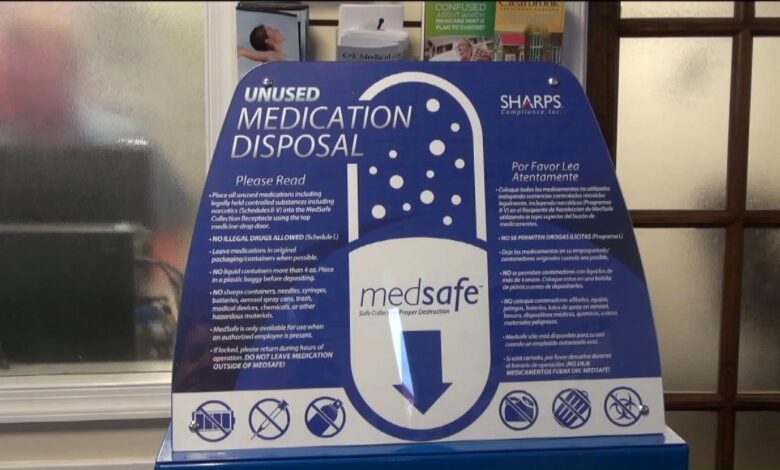
Recycle drugs thrown out nursing homes – Recycling drugs thrown out nursing homes is a critical issue demanding immediate attention. Improper disposal methods pose significant environmental and health risks. This blog post delves into the complexities of pharmaceutical waste management, exploring responsible practices, regulations, and innovative solutions for nursing homes.
Nursing homes, by their nature, deal with a high volume of medications. From expired prescriptions to unused treatments, careful management of these drugs is crucial. The consequences of improper disposal extend beyond the immediate environment, impacting water quality, ecosystems, and public health. We’ll analyze best practices, discuss regulatory frameworks, and highlight the importance of staff training and community engagement.
Waste Management in Nursing Homes
Nursing homes, by their very nature, face unique challenges in waste management. Managing the disposal of various items, including pharmaceuticals, is crucial to protecting the environment and the health of residents and staff. Proper protocols are vital to minimizing risks and maximizing safety.Pharmaceutical waste disposal in nursing homes requires meticulous attention to detail and strict adherence to regulations.
Incorrect disposal methods can lead to severe consequences, impacting both the environment and human health.
Typical Pharmaceutical Waste Disposal Practices in Nursing Homes
Nursing homes typically collect unused, expired, or unwanted medications in designated containers. These containers are often labeled clearly and stored securely to prevent tampering or accidental access. Disposal methods often involve either return to the pharmacy for proper recycling or destruction through specific incineration processes. Strict adherence to local regulations and guidelines is critical.
Potential Environmental and Health Risks of Improper Disposal
Improper disposal of pharmaceuticals can contaminate water sources, leading to adverse effects on aquatic life. Leaking containers or improperly managed disposal sites can release harmful chemicals into the environment, potentially causing long-term damage. Furthermore, improper disposal can lead to accidental ingestion of medications by individuals or animals, posing serious health risks.
Common Challenges in Managing Drug Waste in Nursing Homes
Managing pharmaceutical waste in nursing homes presents several challenges. Varying regulations across different jurisdictions create complexities in compliance. Ensuring the secure storage and handling of medications to prevent theft or misuse is another significant concern. The need for trained staff to manage the process, coupled with the potential cost of disposal methods, can present further hurdles.
Methods for Safely Storing and Transporting Unused or Expired Medications
Unused or expired medications should be stored in secure, locked containers. The storage areas should be clearly labeled and accessible only to authorized personnel. Transporting medications to disposal facilities requires specific protocols to ensure security and prevent leakage or spills. Special containers and procedures for transporting regulated pharmaceuticals are essential.
Comparison of Different Drug Disposal Methods
| Disposal Method | Cost-Effectiveness | Environmental Impact | Regulatory Compliance |
|---|---|---|---|
| Return to Pharmacy | Potentially cost-effective | Low | High |
| Incineration | Variable cost depending on facility | Moderate to High (depending on the incinerator technology) | High |
| Chemical Neutralization | Potentially high cost | Low to Moderate (depending on the chemicals used) | High |
The table above illustrates the varying factors influencing the choice of disposal method, considering cost-effectiveness, environmental impact, and regulatory requirements.
Flow Chart of Proper Drug Disposal Procedures in a Nursing Home
A well-defined flow chart ensures consistency and accuracy in the disposal process. Each step must be followed diligently to maintain compliance and minimize risk. This flow chart ensures adherence to regulations, minimizing potential hazards.

Note: This flowchart provides a general Artikel. Specific procedures should be tailored to comply with local regulations and facility-specific requirements.
Legislation and Regulations
Navigating the intricate world of pharmaceutical waste disposal requires a firm grasp of the relevant regulations and guidelines. Failure to adhere to these standards can lead to severe consequences, impacting not only the facility but also the well-being of patients and the environment. This section delves into the current landscape of pharmaceutical waste management, highlighting differences in regulations across geographical areas and emphasizing the importance of compliance.
Current Regulations and Guidelines
Regulations regarding pharmaceutical waste disposal vary significantly based on geographical location, reflecting diverse societal priorities and environmental concerns. These regulations often emphasize minimizing the risk of environmental contamination and ensuring the safe handling of potentially hazardous substances.
Regulations in the USA
The United States employs a multifaceted approach to pharmaceutical waste management, with varying regulations at the federal, state, and local levels. The Environmental Protection Agency (EPA) plays a crucial role in establishing guidelines, while individual states often implement specific regulations to address local needs and concerns. These regulations frequently encompass the proper labeling, packaging, and transportation of pharmaceutical waste, along with detailed disposal procedures.
Regulations in the EU
The European Union (EU) has a unified framework for pharmaceutical waste disposal, emphasizing a consistent approach across member states. The EU’s regulations often focus on stringent standards for the handling and disposal of various pharmaceutical types, reflecting a strong commitment to environmental protection. These regulations frequently include detailed specifications for waste packaging, labeling, and transportation to prevent accidental release of hazardous substances.
Penalties for Violations
Non-compliance with pharmaceutical waste disposal regulations can result in substantial penalties, ranging from fines to legal action. The severity of penalties often depends on the nature and extent of the violation, the regulations being breached, and local legal frameworks. For example, a nursing home found to have improperly disposed of expired medications might face significant fines, potentially leading to facility closure.
Responsibilities of Nursing Home Staff
Nursing home staff bear a significant responsibility for ensuring the proper disposal of pharmaceutical waste. This includes a thorough understanding of the local regulations, adherence to specific procedures, and meticulous record-keeping. Staff members need to understand and follow the precise protocols for handling, packaging, and transporting waste to designated disposal facilities.
Best Practices for Compliance
Maintaining compliance with pharmaceutical waste disposal regulations demands a proactive and organized approach. Nursing homes should establish clear procedures, conduct regular training for staff, and utilize readily available resources to ensure consistent and safe handling of pharmaceutical waste. Regular audits and reviews of procedures can also help to identify and address any potential gaps in compliance.
Table of Specific Regulations and Implications
| Regulation | Geographical Location | Implications for Nursing Homes |
|---|---|---|
| EPA guidelines in the USA | United States | Nursing homes must adhere to federal guidelines for proper labeling, packaging, and transportation of pharmaceutical waste. Failure to comply may result in fines. |
| EU regulations | European Union | Nursing homes must follow EU-wide regulations, which often involve stricter standards for handling various pharmaceutical types. This includes meticulous record-keeping and adherence to specific disposal procedures. |
| State-specific regulations (USA) | United States | State regulations often build upon federal guidelines, adding specific requirements that nursing homes must meet. These may include local disposal facilities and requirements for reporting. |
Environmental Impact
Improper disposal of pharmaceuticals, particularly in nursing homes, poses significant environmental risks. The chemicals present in these drugs can easily enter the environment and have long-lasting consequences for ecosystems, particularly water systems and soil. Understanding these impacts is crucial for implementing effective waste management strategies.
Consequences of Improper Drug Disposal
The consequences of improper pharmaceutical disposal are far-reaching, impacting both immediate and long-term environmental health. These substances, often containing potent chemicals, can easily leach into water sources and contaminate soil, with devastating effects on aquatic life and the overall ecosystem.
Drug Contamination of Water Sources
Pharmaceuticals can enter water sources through various pathways, including direct disposal into drains or sewers, improper disposal in landfills, and storm runoff. This contamination can harm aquatic life by disrupting their hormonal balance, reproductive cycles, and overall health. The long-term consequences are still being studied, but evidence suggests persistent presence in the water column can have widespread effects.
Recycling drugs discarded by nursing homes is a serious issue, needing careful management. Just like finding a good playlist can brighten your mood while stuck in traffic, (as the article stuck in traffic turn up the radio its good for your heart explains), proper disposal ensures we don’t risk environmental harm or accidental misuse. Responsible recycling of these medications is crucial for both safety and sustainability.
Contamination of Soil
When drugs are improperly disposed of, they can seep into the soil. This contamination can persist for extended periods, impacting plant life and potentially entering the food chain. Agricultural lands used for crops or grazing animals can be especially vulnerable.
Long-Term Effects on Ecosystems
The accumulation of pharmaceuticals in the environment can have long-term effects on ecosystems. The disruption of natural processes, such as the reproductive cycles of aquatic animals, can lead to imbalances within food webs. This can cause cascading effects throughout the entire ecosystem, impacting biodiversity and overall health.
Potential Harm to Aquatic Life
Many pharmaceuticals exhibit endocrine-disrupting properties. These properties can interfere with the hormonal systems of aquatic animals, leading to reproductive issues, developmental abnormalities, and decreased survival rates. The presence of these chemicals can also cause immune system suppression and increased susceptibility to diseases.
Comparison of Disposal Methods
Different disposal methods for pharmaceuticals have varying environmental footprints. A crucial factor in evaluating these methods is their potential for environmental contamination. Methods like incineration, while effective for destroying the drug molecules, can introduce other pollutants into the atmosphere if not properly managed. Properly designed and managed sanitary landfills are a common option for waste disposal. However, the leaching of drugs into soil and groundwater remains a concern.
Table Comparing Disposal Methods
| Disposal Method | Environmental Impact (Summary) |
|---|---|
| Incineration | Potentially high air pollution if not properly controlled; destroys drug molecules. |
| Landfill | Potential for leaching into groundwater and soil; relatively low air pollution. |
| Specialized Pharmaceutical Collection | Minimal environmental impact; drugs are safely processed or recycled. |
| Chemical Degradation | Potentially high impact on the environment; requires specialized equipment and expertise. |
Public Health Implications: Recycle Drugs Thrown Out Nursing Homes
Improper disposal of pharmaceuticals, particularly in nursing homes, poses significant risks to public health. These risks extend beyond the immediate environment, affecting individuals and communities indirectly through contamination of water sources and potential for accidental exposure. Understanding these implications is crucial for implementing effective waste management strategies that prioritize public safety.The potential for misuse and accidental ingestion of discarded drugs, combined with the possibility of contamination of the environment, underscores the critical need for responsible pharmaceutical waste disposal in healthcare settings.
This includes not only the drugs themselves but also the packaging and associated materials. The cumulative effect of these risks, when not adequately addressed, can lead to serious consequences for individuals and the wider community.
Potential Health Risks for Exposed Individuals
Accidental ingestion of discarded drugs, whether through direct contact or environmental contamination, can lead to a range of adverse health effects. These effects can range from mild discomfort to severe toxicity, depending on the specific drug and the amount ingested. Overdoses, particularly in vulnerable populations like children, can have life-threatening consequences. Furthermore, improper disposal can lead to the development of drug resistance in bacteria, impacting future treatment options.
Potential Health Consequences for Nearby Communities
Contamination of water sources, soil, and air by improperly disposed pharmaceuticals can pose significant health risks to nearby communities. This contamination can enter the food chain, impacting both human and animal health. For example, if a nursing home’s pharmaceutical waste leaches into a local water source, it could contaminate drinking water, leading to widespread health issues. This is especially concerning in communities with limited access to clean water or sanitation.
Risks to Water Quality and Public Health
Pharmaceuticals, even in small concentrations, can have a detrimental impact on water quality. Many drugs are not easily biodegradable and can persist in the environment for extended periods. This can disrupt aquatic ecosystems and potentially enter the human food chain through contaminated water sources or the consumption of contaminated fish. The long-term effects of such contamination on public health are difficult to predict and quantify, but the potential for chronic health problems is significant.
Importance of Preventing Contamination
Implementing proper pharmaceutical waste management procedures is crucial for preventing contamination. This includes using specialized containers for drug disposal, properly labeling them, and ensuring regular and secure transport to designated treatment facilities. This meticulous approach is essential to minimize the risk of environmental contamination and its consequent impact on public health.
Recycling drugs discarded from nursing homes is a crucial environmental and ethical concern. It’s a shame to see perfectly good medications go to waste. This often leads to a need for innovative solutions, such as exploring how to best prepare eggs for low cholesterol diets. Knowing how to prepare eggs with low cholesterol egg preparation techniques could potentially be useful in developing strategies to safely and responsibly reuse certain medications, while minimizing waste.
Proper disposal of drugs in nursing homes is ultimately a win-win, as it reduces environmental impact and ensures the responsible use of resources.
Steps to Minimize the Risk of Accidental Ingestion or Misuse
Several steps can be taken to minimize the risk of accidental ingestion or misuse of discarded drugs. These include secure storage of pharmaceutical waste, using tamper-proof containers, and employing clear labeling systems to differentiate between hazardous and non-hazardous materials. Regular inspections and audits of waste disposal procedures are vital to ensure compliance with established guidelines. Training healthcare personnel on proper disposal techniques is equally important.
Table: Potential Health Risks and Preventative Measures
| Potential Health Risks | Preventative Measures |
|---|---|
| Accidental ingestion of discarded drugs (overdose, toxicity) | Secure storage, tamper-proof containers, clear labeling, training for healthcare personnel. |
| Environmental contamination (water, soil, air) | Specialized containers, secure transport, regular disposal to designated facilities, proper labeling. |
| Development of drug-resistant bacteria | Adherence to established guidelines, strict adherence to proper disposal procedures, continuous monitoring. |
| Disruption of aquatic ecosystems | Use of specialized containers for drug disposal, minimizing leakage during transport and storage. |
| Impact on human food chain | Strict adherence to regulations, regular inspections and audits of waste disposal procedures. |
Alternative Disposal Methods
Nursing homes face a significant challenge in safely and responsibly disposing of unused or expired medications. Traditional methods often lack the environmental and public health safeguards needed for modern healthcare practices. Innovative approaches are crucial to ensure patient safety and minimize harm to the environment.
Innovative Approaches to Drug Disposal
Nursing homes can implement several innovative approaches to drug disposal, moving beyond the risks of improper disposal. These strategies prioritize environmental protection, public health, and cost-effectiveness. This includes exploring alternative disposal methods beyond simple trash disposal. Careful planning and execution of these programs are essential for their success.
Specialized Collection Containers
Implementing specialized medication disposal containers is a crucial step in safe drug disposal. These containers are designed to securely store and transport medications, preventing accidental spills and misuse. Specialized containers are specifically engineered to prevent tampering and protect the contents. They are typically made of durable materials, resistant to breakage or leakage. Properly designed collection systems contribute to a controlled and secure environment for drug disposal.
Drug Take-Back Programs
Drug take-back programs are a valuable resource for nursing homes and their residents. These programs offer a safe and convenient method for disposing of unwanted medications. They provide a responsible alternative to flushing medications down the drain or discarding them in the trash. Drug take-back programs are crucial for mitigating the risk of accidental ingestion or misuse.
These programs often partner with local pharmacies or disposal services to ensure proper handling and secure disposal.
Partnerships with Local Pharmacies or Disposal Services, Recycle drugs thrown out nursing homes
Collaboration with local pharmacies or specialized disposal services is essential for effective drug disposal. These partnerships provide a reliable and efficient system for the safe and secure collection and disposal of medications. Local pharmacies or disposal services are often equipped with the proper facilities and expertise to handle the specific needs of nursing home drug disposal.
A Detailed Description of an Innovative Drug Disposal Program
One innovative program involves a dedicated, secure medication disposal room within the nursing home. This room features a specialized lockable cabinet for storing medications collected throughout the day. The cabinet is designed to prevent unauthorized access and to ensure the integrity of the collected drugs. Upon reaching a certain threshold, the cabinet contents are transported to a designated pharmacy or disposal service.
This approach promotes a streamlined process, maintaining the security of the drugs at all times. The program is integrated with the nursing home’s existing waste management system, making it efficient and effective.
Comparison of Alternative Drug Disposal Methods
| Disposal Method | Pros | Cons |
|---|---|---|
| Specialized Collection Containers | Reduces risk of accidental ingestion, tampering, and environmental contamination. | May require initial investment in specialized containers and potentially additional staff training. |
| Drug Take-Back Programs | Convenient and readily available option, often free of charge. | May have limited hours of operation and/or geographic coverage. |
| Partnerships with Local Pharmacies/Disposal Services | Ensures proper handling and secure disposal, reduces nursing home liability. | Requires coordination and scheduling with external partners. |
Staff Training and Education
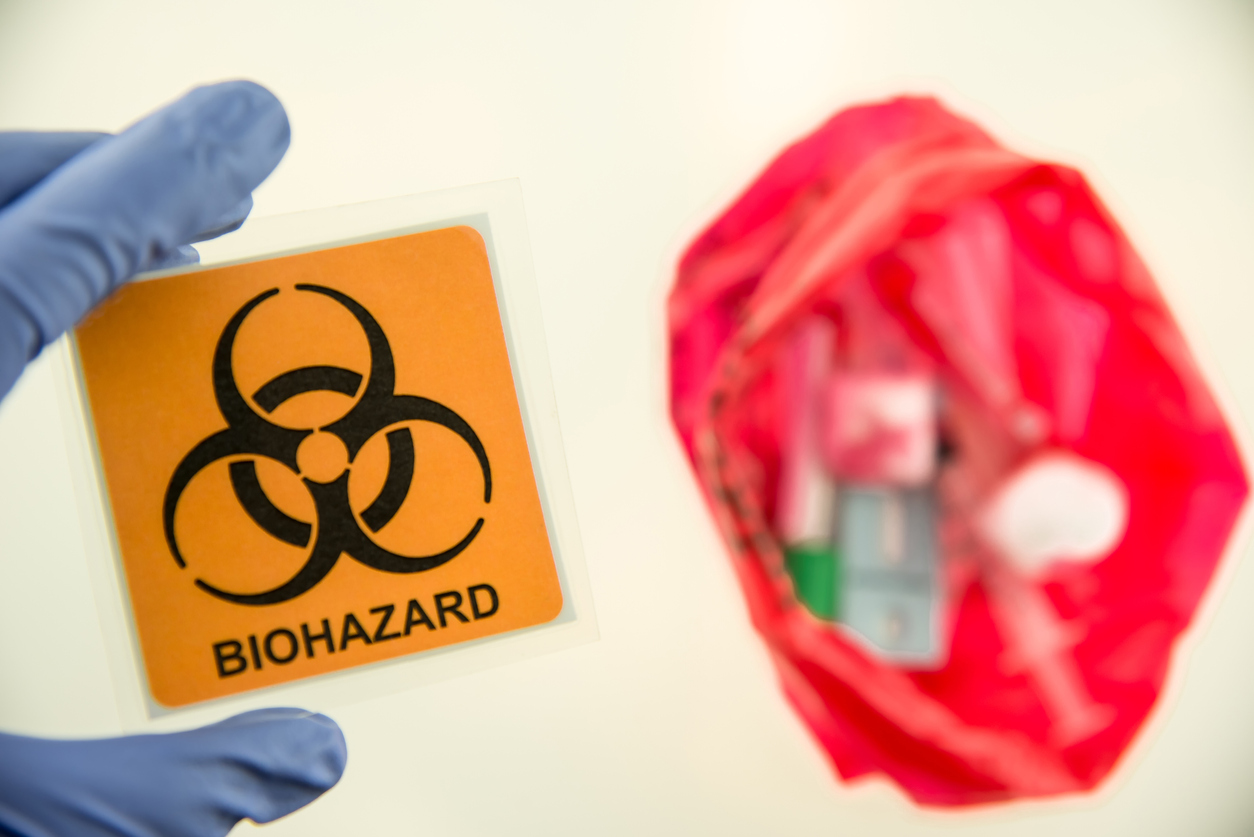
Proper disposal of medications in nursing homes is crucial, not just for environmental protection but also for patient safety and staff well-being. A robust training program for staff is paramount to ensure compliance with regulations and best practices, minimizing the risk of errors and promoting a safe working environment. Comprehensive training empowers staff to handle potentially hazardous materials correctly, while preventing the misuse or diversion of medications.Effective training programs are not just about procedures; they are about fostering a culture of safety and responsibility.
Recycling drugs discarded by nursing homes is a crucial environmental and ethical issue. It’s a complex problem, and while finding solutions can feel overwhelming, remember that you’re not alone. Sometimes, dealing with the emotional toll of these situations can be tough, and it’s completely normal to feel social pain. Learning how to cope with these feelings is important.
Check out this article for helpful strategies: yes youre probably experiencing social pain right now how to cope. Ultimately, focusing on effective recycling programs for these medications is key to protecting the environment and public health, and navigating these challenges is possible.
Staff members must understand the importance of their role in preventing medication waste and potential harm, both to the environment and to individuals. They should be equipped with the knowledge and skills to handle various scenarios with confidence.
Need for Comprehensive Training Programs
Nursing home staff, including nurses, CNAs, and pharmacists, require comprehensive training programs on safe drug disposal. These programs must be tailored to the specific roles and responsibilities of each staff member, addressing the unique challenges they face in handling medications and waste disposal. Lack of proper training can lead to improper disposal methods, environmental contamination, and potential legal issues.
Curriculum for Educating Staff on Safe Disposal Procedures
A comprehensive curriculum should cover the following aspects:
- Understanding Relevant Regulations: Staff members must be familiar with local, state, and federal regulations regarding medication disposal. This includes knowledge of specific guidelines for controlled substances, and the legal implications of non-compliance. Examples of regulations include the Resource Conservation and Recovery Act (RCRA) and the Comprehensive Environmental Response, Compensation, and Liability Act (CERCLA).
- Proper Labeling and Storage Procedures: Staff must be instructed on how to properly label and store medications before disposal. This includes using appropriate containers and labels, and adhering to storage guidelines to maintain the integrity and safety of the medications. Specific requirements for controlled substances should be addressed.
- Safe Handling and Disposal Techniques: The curriculum should include practical demonstrations and hands-on training on the proper procedures for handling and disposing of various types of medications. This should include specific procedures for different medication types, such as controlled substances, and how to handle sharps. Training should also cover the importance of using personal protective equipment (PPE) when handling hazardous materials.
- Identification and Reporting of Errors: The curriculum must emphasize the importance of recognizing potential errors in medication disposal procedures. Staff should be trained on procedures for reporting suspected errors, spills, or other issues promptly to ensure appropriate response and containment.
Importance of Clear Communication Protocols
Clear communication protocols are vital to ensure that everyone involved in the disposal process understands their roles and responsibilities. A dedicated communication channel, such as a specific email address or a designated staff member, should be established for reporting issues and seeking clarification. This helps ensure that any concerns are addressed promptly, preventing potential problems and promoting accountability.
Benefits of Ongoing Training and Updates
Ongoing training and updates are essential for maintaining compliance with changing regulations and best practices. Regular refresher courses can keep staff informed about new procedures, emerging issues, and improvements in medication disposal techniques. This ensures that the staff remains proficient in handling medications and their disposal, reducing errors and enhancing safety. Examples include updated guidelines on the safe handling of controlled substances.
Resources for Additional Training and Education
- Local Environmental Agencies: Local environmental agencies can provide valuable information on waste disposal regulations and best practices.
- State Boards of Nursing: State boards of nursing can offer training materials and guidelines related to medication safety and disposal.
- Professional Organizations: Professional organizations for nursing and pharmacy offer resources and educational materials on safe drug handling.
- Online Courses and Webinars: Many online platforms offer relevant courses and webinars on drug disposal procedures and regulations.
Sample Training Module for Nursing Home Staff on Drug Disposal
| Module Topic | Learning Objectives | Activities |
|---|---|---|
| Introduction to Medication Disposal | Identify key regulations and policies. | Review relevant regulations, discuss potential risks. |
| Controlled Substances Disposal | Demonstrate safe handling and disposal procedures for controlled substances. | Practical exercises on handling and disposing of controlled substances, with focus on proper documentation and security procedures. |
| General Medication Disposal | Explain proper disposal procedures for general medications. | Hands-on practice using appropriate containers and labels. |
| Sharps Disposal | Describe proper disposal of sharps. | Demonstrate safe handling and disposal of needles, syringes, and other sharps. |
| Incident Reporting and Emergency Procedures | Artikel procedures for reporting incidents and spills. | Review protocols and practice reporting procedures, addressing specific case scenarios. |
Community Engagement and Outreach
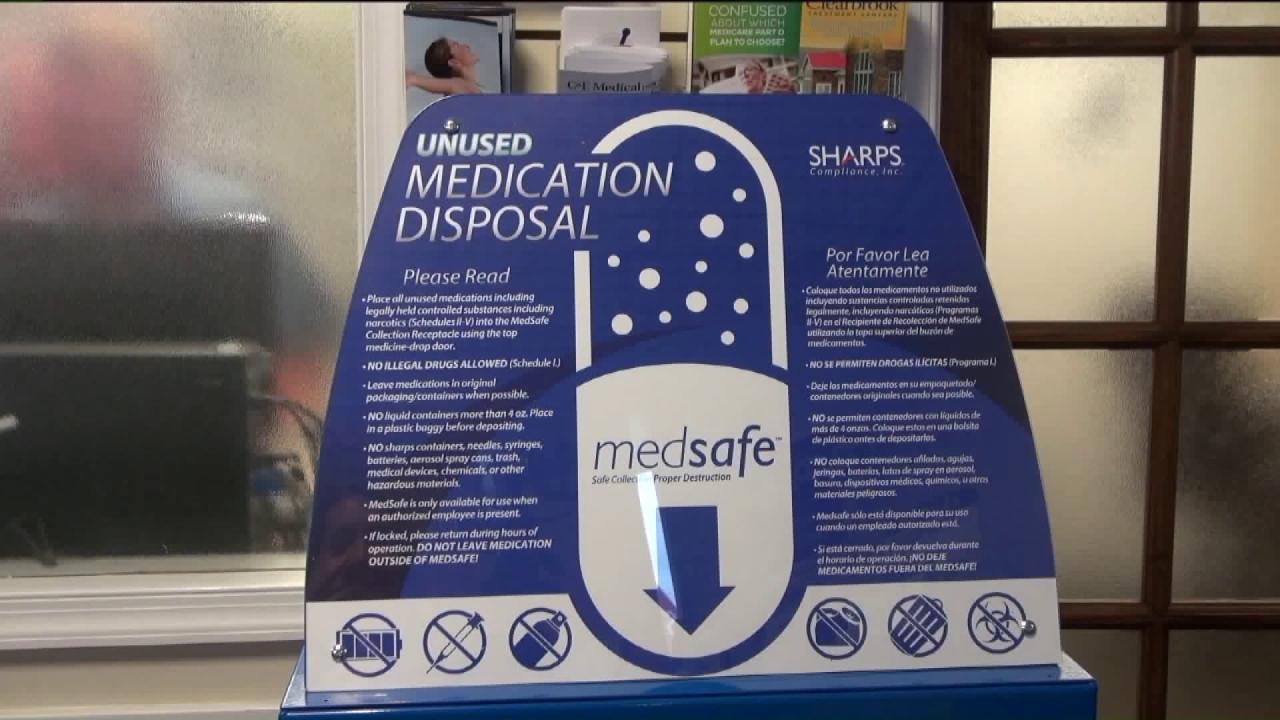
Educating the community about proper drug disposal is crucial for preventing environmental contamination and safeguarding public health. Effective community engagement initiatives can empower individuals to adopt responsible practices and contribute to a cleaner, healthier environment. A collaborative approach involving local organizations and stakeholders is vital for the long-term success of these programs.
Importance of Community Awareness
Community awareness campaigns are essential to address the issue of improper drug disposal in nursing homes. Public education programs can inform residents about the risks associated with improper disposal and highlight the importance of safe alternatives. This includes highlighting the environmental impact of improper disposal and the potential for public health risks. By fostering a culture of responsibility, communities can effectively combat the issue.
Strategies for Community Engagement and Awareness Campaigns
Effective community engagement involves diverse strategies to reach a wide audience. Public service announcements (PSAs) on local media, such as radio, television, and social media, are highly impactful. Partnering with local schools to educate students about responsible waste management can instill positive habits from a young age. Community workshops and presentations at local events, such as town halls and health fairs, offer opportunities for interactive learning and information dissemination.
Utilizing community leaders to promote the message can significantly increase engagement.
Role of Local Organizations in Supporting Safe Drug Disposal
Local organizations play a vital role in supporting safe drug disposal initiatives. These organizations can act as crucial partners by facilitating workshops, providing resources, and collaborating with community leaders. They can organize awareness campaigns, create educational materials, and establish partnerships with healthcare providers and waste management companies. Their participation amplifies the message and ensures wider community reach.
Examples of Successful Community Outreach Programs
Numerous community programs have successfully raised awareness about safe drug disposal. One example involves a local environmental group that organized a series of workshops in local community centers, focusing on the safe handling and disposal of pharmaceuticals. Another program collaborated with local pharmacies to establish drop-off points for unused medications. These programs showcase the effectiveness of community engagement and demonstrate how diverse stakeholders can work together.
Community Education and Outreach Plan
A comprehensive plan for community education and outreach should include several key elements. This involves identifying target audiences, developing engaging educational materials, and selecting appropriate channels for communication. Partnering with local organizations, community leaders, and healthcare providers is crucial for maximizing impact. Regular evaluation and adjustments based on feedback are essential to maintain program effectiveness.
Table Illustrating Different Approaches to Community Outreach and Engagement
| Approach | Description | Examples |
|---|---|---|
| Public Service Announcements (PSAs) | Using media channels to disseminate information. | Radio spots, television commercials, social media ads. |
| Community Workshops | Interactive sessions providing information and practical skills. | Workshops at community centers, libraries, or schools. |
| Partnerships with Local Organizations | Collaborating with groups for wider outreach. | Local environmental groups, schools, healthcare providers. |
| Educational Materials | Creating brochures, pamphlets, and online resources. | Informative flyers, websites, social media posts. |
| Community Events | Utilizing events to raise awareness. | Health fairs, town halls, festivals. |
Closure
In conclusion, the responsibility of recycling drugs thrown out nursing homes extends far beyond simple waste disposal. By implementing safe practices, adhering to regulations, and fostering community engagement, we can mitigate potential harm and create a more sustainable and healthy environment for all. Let’s prioritize responsible disposal to safeguard both our ecosystems and public health.
