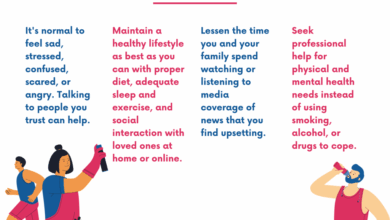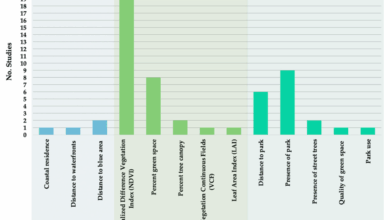
Should companies allow mental health days? This crucial question impacts employee well-being, productivity, and company culture. A clear definition of mental health days, separating them from sick or vacation time, is essential. Understanding the benefits, challenges, and implementation strategies is key to creating a supportive work environment. This exploration delves into defining these days, discussing advantages and concerns, and examining best practices for implementation.
Many companies are starting to recognize the importance of employee mental health and are implementing policies that support it. This can include mental health days, which allow employees to take time off when they need to address mental health concerns without fear of repercussions. These days can be crucial for maintaining employee well-being and fostering a positive work environment.
We’ll examine the nuances of this emerging trend and discuss the pros and cons.
Defining Mental Health Days

Taking a break from work to address mental health concerns is increasingly recognized as a crucial aspect of well-being. Acknowledging the importance of mental health in the workplace is vital for creating a supportive and productive environment. Mental health is just as important as physical health, and neglecting it can have significant negative consequences on both individual and organizational performance.Mental health days are distinct from other types of leave, offering employees a dedicated space to address their mental wellbeing without the stigma or judgment that might accompany other forms of absence.
Recognizing this difference is essential for fostering a culture of open communication and support. Clear definitions help clarify expectations and promote responsible use of these days.
Defining Mental Health Days in the Workplace
Mental health days, in the context of the workplace, are designated absences specifically for managing or improving mental health. These days are intended to support employees in addressing issues such as stress, anxiety, burnout, or other mental health concerns. They are distinct from sick days, which typically address physical ailments, and vacation days, which are for rest and leisure.
Distinguishing Mental Health Days from Other Leave Types
A crucial aspect of implementing mental health days is clearly differentiating them from other leave types. Sick days are typically reserved for physical illnesses, while vacation days are for personal time unrelated to health. Mental health days, conversely, are for addressing mental health needs, acknowledging that mental health is equally important to physical well-being. The distinction allows for a more nuanced approach to employee well-being.
Benefits of Establishing Clear Definitions
Establishing clear definitions for mental health days brings numerous benefits. Firstly, it removes ambiguity and fosters understanding among employees and employers. Secondly, it promotes a more supportive and inclusive workplace culture by acknowledging mental health as a legitimate concern. Finally, it reduces stigma associated with mental health issues, encouraging employees to seek help without fear of judgment.
Policies that effectively define these days are vital for the well-being of the workforce.
Examples of Effective Policies
Many companies have developed policies that effectively define mental health days. These policies often include specific examples of conditions that might warrant a mental health day, such as significant stress, anxiety, or burnout. They may also Artikel procedures for requesting and utilizing these days. A key component of effective policies is the provision of resources, such as employee assistance programs (EAPs) or mental health support networks.
Comparison of Leave Types
| Leave Type | Description | Eligibility | Duration |
|---|---|---|---|
| Mental Health Day | Designated absence for managing or improving mental health, such as stress, anxiety, or burnout. | All employees, based on company policy. | Typically one day, but may vary based on policy. |
| Sick Day | Absence due to a physical illness or injury. | All employees, based on company policy. | Typically one day, but may vary based on policy. |
| Vacation Day | Absence for rest and leisure. | All employees, based on company policy and employee tenure. | Varying durations, typically accumulated over time. |
Benefits of Allowing Mental Health Days
Acknowledging the importance of mental well-being in the workplace is no longer a luxury but a necessity. Companies that prioritize employee mental health often reap significant rewards in terms of productivity, morale, and overall company culture. Allowing mental health days can be a powerful tool for fostering a healthier and more engaged workforce.Offering mental health days demonstrates a company’s commitment to its employees’ overall well-being, which goes beyond physical health.
This proactive approach can build trust and foster a supportive environment where employees feel comfortable seeking help when needed.
Potential Advantages for Employees
Employees who have access to mental health days are more likely to prioritize their well-being. This can lead to a reduction in stress and burnout, which are significant contributors to poor mental health. Employees who feel supported in addressing their mental health needs are more likely to feel valued and appreciated, contributing to a sense of job satisfaction and increased loyalty to the company.
This creates a positive cycle where employees are healthier, more engaged, and more productive.
Positive Impact on Employee Well-being
Mental health days provide a dedicated opportunity for employees to address personal issues without fear of repercussions. This dedicated time allows for self-care activities, seeking professional help, or simply taking time to recharge. This proactive approach to well-being can lead to decreased anxiety, improved mood, and a greater sense of overall emotional balance. Ultimately, this positive impact on employee well-being translates into improved job performance and a more engaged workforce.
Improvements in Productivity and Morale
Taking mental health days, when needed, is not a sign of weakness but rather a demonstration of strength and self-awareness. Employees who are well-rested and emotionally balanced tend to be more productive. They are more focused, creative, and better equipped to handle challenges. This, in turn, positively impacts the overall morale of the team, fostering a collaborative and supportive atmosphere.
Companies that prioritize mental health often see a rise in overall team morale and productivity.
Contribution to a Positive Work Culture
A culture that supports mental health encourages open communication and reduces the stigma surrounding mental health issues. This open environment allows employees to seek help without fear of judgment, creating a sense of psychological safety within the workplace. Companies fostering such a culture tend to experience lower rates of absenteeism and higher employee retention. This also leads to a more positive work environment, where employees feel valued and respected.
Examples of Companies Implementing Mental Health Days and Outcomes
Several companies have implemented mental health days with demonstrably positive outcomes. For instance, Google has a robust mental health program, including mental health days, and has reported improved employee well-being and reduced stress levels. Similarly, other tech giants have implemented similar programs. These outcomes demonstrate that prioritizing mental health is not just a trend but a significant driver of a positive and productive workplace.
Such companies often see reduced employee turnover and higher levels of engagement.
Challenges and Concerns Regarding Mental Health Days: Should Companies Allow Mental Health Days
Implementing mental health days is a positive step towards employee well-being, but it’s crucial to address potential concerns proactively. Concerns often arise regarding the potential for abuse, administrative difficulties, and impact on performance. A well-structured policy can mitigate these concerns, fostering a supportive and productive work environment.While mental health days are intended to promote employee well-being, they can present challenges if not managed carefully.
Understanding and addressing these concerns is vital for successful implementation.
Potential for Employee Abuse of Mental Health Days
A primary concern is the potential for employees to misuse mental health days. This misuse could manifest in taking days off for reasons unrelated to genuine mental health needs. A robust policy, therefore, needs to clearly define what constitutes a mental health day.
The debate around mental health days in the workplace is a hot one, and rightfully so. Consider this: a significant portion of the population, myself included, grapples with conditions like generalized pustular psoriasis, which can cause significant discomfort and impact daily life. Generalized pustular psoriasis images often illustrate the severity of these challenges, highlighting the need for understanding and flexibility.
Ultimately, allowing mental health days can foster a more supportive and productive work environment for everyone.
Preventing Misuse or Abuse of the Policy
Clear guidelines are essential to prevent misuse. The policy should specify the criteria for requesting a mental health day, including the required documentation and process for approval. This may involve requiring a brief, written explanation of the need, perhaps by a medical professional, if possible. It is crucial to maintain confidentiality.
Monitoring and Addressing Potential Concerns
Monitoring employee usage of mental health days is necessary. This can be done through transparent reporting mechanisms. However, this monitoring should be conducted discreetly, focusing on patterns of usage. Regular reviews of the policy are important to ensure it remains relevant and effective. The goal should not be punitive but rather to understand if adjustments are needed.
Administrative Challenges of Implementing and Managing Mental Health Days
Implementing and managing mental health days presents administrative challenges. Ensuring seamless integration with existing leave policies is crucial. This might involve developing a specific procedure for recording and approving mental health days, distinct from other types of leave. Training managers on how to handle requests effectively is also important.
Addressing Concerns Related to Employee Performance and Accountability
Maintaining employee performance and accountability is critical. Implementing a system for tracking and documenting work progress is a best practice. This can be done through regular check-ins with managers. These check-ins should focus on supporting the employee, not punishing them. Flexible work arrangements and alternative work schedules may also be helpful.
The emphasis should be on open communication and collaboration, ensuring the employee feels supported in returning to their work duties.
I’ve been pondering the whole “should companies allow mental health days” debate lately. It’s a tricky one, and frankly, reminds me of the equally complex issue of whether people with anorexia should be force-fed. Should people with anorexia be force fed is a really sensitive topic with no easy answers, highlighting the delicate balance between care and autonomy.
Ultimately, when it comes to mental health days, it’s about fostering a supportive work environment where employees feel comfortable prioritizing their well-being.
Implementing Mental Health Day Policies
Implementing a robust mental health day policy is a crucial step towards fostering a supportive and productive work environment. It requires careful consideration of employee needs and managerial support to ensure the policy is effective and well-received. A well-structured policy can significantly improve employee well-being and, in turn, company performance.
Crafting a Comprehensive Policy
A comprehensive mental health day policy should clearly define what constitutes a mental health day. This definition should be broad enough to encompass various situations while maintaining clarity. It’s essential to avoid overly restrictive language that could discourage employees from utilizing the policy. The policy should also Artikel the process for requesting and utilizing these days. This might include a simple procedure, perhaps a notification to the manager with brief explanation, and potentially a doctor’s note if deemed necessary in certain situations.
It’s critical to ensure the policy is compliant with applicable laws and regulations, and, importantly, doesn’t violate any existing company policies.
Effective Communication Strategies
Communicating the policy to employees is paramount. A well-crafted communication plan should be transparent and easily understandable. The communication should emphasize the importance of mental health and the policy’s intent to support employees, not penalize them. This includes making the policy readily available on the company intranet, including it in employee handbooks, and holding workshops or presentations to address questions and concerns.
Consider using a variety of communication channels (email, newsletters, town hall meetings) to reach all employees effectively.
Example Communication Strategies
A successful communication strategy should be tailored to the specific company culture. For example, a company with a younger workforce might find social media engagement more effective than traditional methods. Using real-life examples of how other companies have successfully implemented mental health day policies can also resonate with employees. Providing examples of how these policies have benefited employees, like increased productivity or reduced absenteeism, can help to showcase the value of the policy.
Personally, I think companies should absolutely allow mental health days. Taking a break to deal with something like pulmonary aspergillosis allergic bronchopulmonary type, a condition affecting the lungs, can significantly impact an employee’s well-being. Providing these days demonstrates a supportive workplace culture, ultimately benefiting both the employee and the company’s overall productivity in the long run. pulmonary aspergillosis allergic bronchopulmonary type can be tough, but recognizing the need for time off can be a vital step in employee care.
Companies that prioritize mental health are likely to see increased job satisfaction and retention.
Also, including testimonials from employees who have utilized the policy and found it helpful will build trust and understanding.
Training Managers on Support
Training managers on how to support employees taking mental health days is crucial. Managers need to understand that taking a mental health day is not a sign of weakness but rather a sign of self-care and a commitment to overall well-being. Training should emphasize empathy and understanding, and avoid judgment or negative perceptions. Managers should be equipped with resources and tools to effectively manage workload during employee absences and to support the employee’s return to work.
Frequently Asked Questions (FAQs)
- What if an employee requests a mental health day without prior notice?
- In cases where prior notice isn’t possible due to unforeseen circumstances, a flexible approach may be needed. A dialogue between the employee and manager, with consideration for the situation, should be established to address any concerns. The company policy can address such situations, outlining procedures for such requests and potential implications.
- How will the absence be handled in terms of work coverage?
- The policy should address the necessary coverage during an employee’s absence. This could include utilizing existing leave policies or adjusting workload among colleagues. Adequate preparation for coverage is key to maintaining workflow and ensuring the employee’s seamless return.
- Can an employee be penalized for taking a mental health day?
- Absolutely not. The policy should explicitly state that taking a mental health day is not a disciplinary action. Instead, it’s a recognized and supported form of self-care.
- How can the company measure the success of the policy?
- Measuring success involves tracking employee feedback, absence rates, and overall well-being. Gathering employee input through surveys or focus groups can provide valuable insights. Also, tracking productivity levels pre- and post-implementation can provide a benchmark for evaluating the policy’s effectiveness.
Company Culture and Mental Health

A supportive company culture is crucial in encouraging employees to prioritize their mental well-being and utilize mental health days. A healthy work environment fosters trust and understanding, making it easier for employees to openly discuss their struggles and seek support when needed. This culture shift not only benefits individual employees but also enhances overall productivity and team cohesion.A strong company culture is more than just a set of policies.
It’s a mindset that permeates every aspect of the workplace, from the leadership team to the newest employee. It requires a proactive approach to fostering a sense of belonging, psychological safety, and open communication about mental health. This culture, when effectively implemented, creates a climate where employees feel comfortable asking for help and utilizing resources without fear of judgment or repercussions.
Fostering Open Communication and Trust
Open communication between employees and employers is paramount in establishing a supportive culture. Employees need to feel safe to discuss their mental health concerns without fear of stigma or negative repercussions. This involves creating a safe space for employees to share their experiences and seek support without judgment. Employers should actively listen and respond to employee concerns with empathy and understanding, demonstrating that mental well-being is valued.
Open communication channels, such as suggestion boxes, surveys, or employee resource groups, can further facilitate these conversations. Furthermore, leadership should actively model healthy communication practices.
Company Initiatives Promoting Mental Well-being
Several initiatives can contribute to a supportive company culture for mental well-being. These include flexible work arrangements, access to mental health resources, and employee assistance programs. These programs and policies demonstrate a company’s commitment to employee well-being and can significantly impact employee morale and productivity. They also contribute to a sense of trust and belonging, encouraging employees to take advantage of mental health resources.
Role of Leadership in Fostering a Culture that Values Mental Health
Leadership plays a pivotal role in establishing a company culture that values mental health. Leaders who prioritize mental well-being set the tone for the entire organization. They can champion mental health initiatives, model healthy coping mechanisms, and encourage open dialogue about mental health. Leaders must understand that mental health is a significant factor in overall employee well-being and productivity.
They should actively participate in training and education regarding mental health, demonstrating their commitment to creating a supportive environment.
Table of Company Initiatives for Employee Mental Health
| Initiative | Description | Target Audience | Impact |
|---|---|---|---|
| Flexible Work Arrangements | Offering options like remote work, flexible hours, or compressed workweeks. | All employees | Reduces stress related to work-life balance, promotes work-life integration, increases job satisfaction. |
| Mental Health Resources | Providing access to counseling services, workshops, or online resources. | All employees | Increases awareness, access to support, reduces stigma, improves mental health outcomes. |
| Employee Assistance Programs (EAPs) | Offering confidential counseling, support groups, and resources for employees facing personal or work-related challenges. | All employees | Provides confidential support, addresses individual needs, helps employees cope with stress, improves well-being. |
| Mental Health First Aid Training | Training employees to recognize and respond to mental health issues in colleagues. | Supervisors, managers, and employees | Increases awareness and understanding, improves support systems, creates a more empathetic work environment, encourages early intervention. |
| Well-being Days | Designated days off for employees to focus on their well-being. | All employees | Promotes self-care, reduces stress, increases overall well-being, fosters a culture of self-care. |
Alternatives to Mental Health Days
Recognizing that mental health days aren’t always the most practical or accessible solution for all employees, companies need to explore alternative approaches to support employee well-being. These alternatives can provide a broader range of options and flexibility, addressing the root causes of stress and burnout without necessarily requiring a full day off.Beyond simply granting time off, proactive strategies can significantly improve employee mental health and productivity.
This includes flexible work arrangements, mental health resources, and company culture improvements that foster a supportive and understanding environment. These alternatives can be equally, or even more, effective in promoting a healthy work-life balance and preventing future mental health issues.
Flexible Work Arrangements
Flexible work arrangements offer employees greater control over their schedules, enabling them to better manage personal commitments and reduce stress associated with rigid structures. These arrangements can encompass various options.
- Flexible hours: Allowing employees to adjust their start and end times within a defined timeframe can greatly reduce commute stress and accommodate personal appointments or responsibilities.
- Remote work options: Remote work policies can provide employees with greater autonomy and the ability to work from locations that better suit their needs and reduce stress associated with the office environment.
- Compressed workweeks: Employees may work a condensed number of hours over fewer days, granting them more time for personal activities outside of work.
- Phased return to work: For employees returning from extended medical or personal leave, a gradual return can ease the transition back into the workplace, minimizing stress and anxiety.
Mental Health Resources and Support
Providing readily accessible mental health resources is crucial for employee well-being. These resources can range from workshops and seminars to counseling services and mental health apps.
- Employee Assistance Programs (EAPs): EAPs offer confidential counseling and support services for employees facing various challenges, including stress, anxiety, and depression.
- Workshops and seminars: Workshops on stress management, mindfulness, and time management techniques can equip employees with practical skills to cope with daily pressures.
- Mental health apps: Mobile apps providing guided meditation, stress reduction exercises, and mental health tracking tools can be helpful resources.
- On-site counseling: Offering on-site counseling services makes accessing support easier and more convenient for employees.
Wellness Programs and Initiatives
Investing in employee wellness initiatives fosters a holistic approach to well-being. These initiatives extend beyond the workplace and incorporate broader aspects of employees’ lives.
- Fitness challenges and programs: Encouraging physical activity can promote both physical and mental well-being, reducing stress and improving overall health.
- Financial literacy workshops: Financial stress is a significant contributor to employee anxiety. Workshops can provide employees with the tools and knowledge to manage their finances effectively.
- Healthy eating initiatives: Promoting healthy eating habits can contribute to employees’ physical and mental well-being, reducing stress and improving energy levels.
- Community involvement programs: Engaging in volunteer work or community service activities can improve mental well-being through increased social connection and a sense of purpose.
Company Culture and Support, Should companies allow mental health days
Cultivating a supportive and understanding company culture is vital for employee well-being. Open communication, respect, and recognition are crucial elements.
- Open communication channels: Encouraging open communication about mental health concerns fosters a supportive environment where employees feel comfortable seeking help.
- Recognition programs: Recognizing and rewarding employees’ contributions, both big and small, can boost morale and reduce feelings of stress.
- Work-life balance initiatives: Creating a work environment that prioritizes work-life balance, encouraging employees to take breaks and disconnect from work when needed, is crucial for reducing stress.
- Leadership support: Leaders who openly demonstrate support for mental well-being and create a culture of empathy and understanding set a positive example for the entire team.
Case Studies and Examples
Companies are increasingly recognizing the importance of mental well-being in the workplace. This recognition often translates into tangible policies and practices, like mental health days. Understanding how these policies have been implemented and the impact they’ve had provides valuable insights for other organizations considering similar initiatives.Examining successful case studies reveals not only the positive outcomes but also the potential challenges and best practices for creating supportive and productive work environments.
Learning from these examples can help companies navigate the complexities of implementing mental health day policies and tailor them to their specific needs and cultures.
Specific Examples of Company Mental Health Day Policies
Numerous companies have implemented mental health day policies, demonstrating a commitment to employee well-being. These policies vary in their specifics, but a common thread is the emphasis on providing employees with the flexibility and support they need to address their mental health needs without fear of repercussions.
- Example 1: Tech Company X: This tech company offers a designated number of mental health days annually, which employees can use for a variety of reasons, including stress management, therapy appointments, or simply taking time for self-care. They also provide resources and workshops on stress management and mindfulness. Their experience highlighted the importance of open communication about mental health and the provision of readily available resources for employees.
The company found that employees who used the days reported feeling less stressed and more productive upon returning to work, leading to improved overall team morale.
- Example 2: Consulting Firm Y: This consulting firm allows employees to take time off for mental health reasons without needing to specify a reason. Their policy focuses on trust and flexibility, allowing employees to prioritize their well-being without bureaucratic hurdles. This approach has been particularly successful in reducing the stigma surrounding mental health issues within the company. They have noticed a reduction in employee burnout rates and an increase in employee retention.
Hypothetical Case Study: “Zenith Corporation”
Zenith Corporation, a mid-sized manufacturing company, recognized the need to improve employee well-being and reduce high turnover rates. They introduced a comprehensive mental health day policy. The policy, which included a designated number of mental health days per year, was accompanied by an initiative to foster open communication about mental health within the company.Zenith Corporation established employee resource groups (ERGs) focused on mental health and well-being, providing support and resources to employees.
These ERGs organized workshops and seminars, creating a supportive network for employees who needed to utilize their mental health days.The company also implemented a confidential reporting system, ensuring that employees could request mental health days without fear of judgment or negative repercussions. The system was designed to allow employees to report issues without compromising their privacy.The results of this initiative were significant.
Employee turnover rates decreased substantially, and employees reported feeling supported and valued. The company saw an increase in overall productivity and a marked improvement in employee morale. Zenith Corporation’s experience demonstrates the positive impact a well-designed mental health day policy can have on a company’s culture and performance.
End of Discussion
In conclusion, the decision of whether or not to offer mental health days is a complex one, but a worthwhile one. Companies that prioritize employee well-being by implementing comprehensive policies that address mental health concerns often see positive outcomes in terms of productivity, morale, and retention. Ultimately, creating a supportive and understanding work environment is key to fostering a healthy and thriving workforce.
The discussion highlights the importance of defining mental health days, addressing potential challenges, and building a culture that values employee well-being. A commitment to mental health days can create a more productive and engaged workforce.