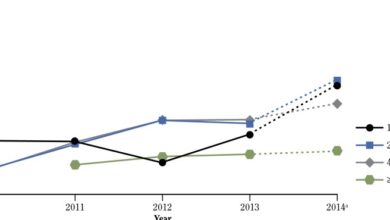
Smoking 5 cigarettes a day isnt much better than smoking 2 packs – Smoking 5 cigarettes a day isn’t much better than smoking 2 packs. This might seem obvious, but the insidious nature of nicotine addiction often masks the truth. Even a small daily habit can lead to significant health risks and long-term consequences. This exploration dives deep into the realities of light smoking, revealing the cumulative damage to your body, both immediately and in the future.
This post will examine the scientific evidence, detailing the health risks, biological mechanisms, behavioral factors, and public health policies surrounding light smoking. We’ll also look at common misconceptions and highlight why quitting smoking, regardless of the quantity, is the healthiest choice.
Health Risks of Smoking

Smoking, even in seemingly small quantities, poses significant health risks. The act of inhaling smoke containing harmful chemicals damages the respiratory and cardiovascular systems, impacting overall well-being. While the immediate gratification may seem appealing, the long-term consequences often outweigh any perceived short-term benefits.Smoking, regardless of the number of cigarettes, introduces toxins into the body, accumulating over time and contributing to a cascade of health problems.
The cumulative effects are a serious concern, as they can lead to chronic diseases and significantly reduce life expectancy. The difference between smoking 5 cigarettes a day and 2 packs a day is primarily one of degree, not kind, in terms of health risks. Both expose the body to harmful substances, but the higher quantity obviously increases the intensity and speed of the damage.
Detailed Explanation of Health Risks
Smoking significantly increases the risk of numerous diseases and conditions, regardless of the amount smoked. The harmful chemicals in cigarette smoke attack various parts of the body, causing cellular damage and impairing bodily functions. The cumulative effect of this damage over time can lead to serious health complications. The body’s natural repair mechanisms struggle to keep up with the constant assault, leading to the development of diseases.
Hey everyone, Just a quick thought on how seemingly small habits can have a big impact. Smoking five cigarettes a day might seem harmless, but it’s a dangerous misconception. It’s not much better than lighting up two packs a day, and honestly, it’s just as damaging. Similarly, the Trump administration’s actions in sabotaging Obamacare trump administration sabotaging obamacare show how seemingly small political maneuvers can have huge, long-term consequences.
Ultimately, both highlight the importance of being mindful of seemingly minor choices that can accumulate into substantial risks over time.
Immediate Consequences of Smoking
Immediate consequences of smoking can range from shortness of breath and coughing to increased heart rate and blood pressure. These immediate effects demonstrate the immediate impact of smoke on the body. In the short term, the body is exposed to chemicals that disrupt its natural processes, and this disruption can manifest in various uncomfortable symptoms.
Long-Term Consequences of Smoking
Long-term exposure to smoke significantly increases the risk of chronic diseases. The cumulative damage from inhaled toxins can cause irreversible changes in the body, leading to severe health problems. The body’s ability to repair and regenerate tissue is compromised over time. For example, a smoker might initially experience mild coughing and shortness of breath. However, with years of continued smoking, this can progress to chronic obstructive pulmonary disease (COPD), making breathing extremely difficult.
While five cigarettes a day might seem insignificant, the truth is it’s not much better than smoking two packs. It’s a harmful habit, no matter how small it might seem. Checking out an insightful interview with prevention access campaign founder Bruce Richman, interview with prevention access campaign founder bruce richman , highlights the long-term dangers of even this seemingly moderate habit.
Ultimately, any amount of smoking is dangerous and should be avoided.
Comparison of Smoking Levels
The table below illustrates the potential health issues associated with different smoking levels, emphasizing the cumulative nature of the risk. It’s crucial to understand that no level of smoking is considered safe.
| Smoking Level | Potential Immediate Issues | Potential Long-Term Issues | Risk Factors |
|---|---|---|---|
| 5 cigarettes/day | Shortness of breath, coughing, increased heart rate, decreased lung function. | Increased risk of lung cancer, cardiovascular disease, respiratory infections, decreased life expectancy. | Cumulative exposure to toxins, reduced body’s ability to repair itself. |
| 2 packs/day | Significant shortness of breath, persistent coughing, chest pain, dizziness. | High risk of lung cancer, heart disease, stroke, chronic bronchitis, emphysema, decreased life expectancy. | High cumulative exposure to toxins, severely compromised body’s repair mechanisms. |
Examples of Diseases Linked to Smoking
Smoking is a significant risk factor for a wide range of diseases, including lung cancer, heart disease, stroke, chronic bronchitis, and emphysema. These diseases can have devastating impacts on a person’s quality of life and often require extensive medical intervention. For example, lung cancer often presents with persistent coughing, chest pain, and shortness of breath, significantly impacting the ability to perform daily tasks.
Biological Mechanisms
Smoking, regardless of the quantity, wreaks havoc on the body at a fundamental biological level. The multitude of harmful chemicals in cigarettes initiate a cascade of events that progressively damage various organs and systems, ultimately increasing the risk of numerous diseases. Understanding these biological mechanisms is crucial for comprehending the detrimental impact of smoking on health.
Impact on Cellular Processes
The chemicals in cigarettes, including nicotine, tar, and various carcinogens, directly interfere with cellular processes. Nicotine, for example, is highly addictive and stimulates the release of adrenaline and dopamine, creating a temporary sense of pleasure. However, this effect is short-lived and leads to a compensatory withdrawal, perpetuating the cycle of addiction. The constant exposure to toxins causes chronic inflammation and oxidative stress, leading to DNA damage and impaired cellular repair mechanisms.
These factors are central to the development of various cancers and other diseases.
Effects on Specific Organs and Systems
Cigarette smoke affects nearly every organ system in the body. The lungs, being the primary target, experience severe damage due to the deposition of tar and other harmful substances. This leads to a reduction in lung capacity and an increased susceptibility to respiratory infections and diseases like chronic obstructive pulmonary disease (COPD).
Detailed Impact of Toxins
The impact of different toxins varies depending on their specific chemical properties and the target organ or system. For instance, carbon monoxide displaces oxygen in the bloodstream, reducing the body’s ability to deliver oxygen to tissues and organs. Formaldehyde, another component of cigarette smoke, is a known carcinogen that damages DNA, increasing the risk of cancer. Heavy metals like cadmium and lead accumulate in various tissues, disrupting organ function and contributing to chronic health problems.
Organ-Specific Effects
| Organ/System | Toxin Impact | Cellular Damage | Long-Term Effects |
|---|---|---|---|
| Lungs | Tar deposition, inflammation, reduced oxygen uptake | Damaged alveoli, impaired gas exchange | Chronic bronchitis, emphysema, lung cancer |
| Cardiovascular System | Increased blood clotting, inflammation, reduced blood flow | Damaged blood vessels, increased plaque formation | Heart attack, stroke, peripheral artery disease |
| Reproductive System | Impaired sperm production, reduced fertility | DNA damage in reproductive cells | Infertility, ectopic pregnancy, premature birth |
| Digestive System | Increased risk of mouth and throat cancer, gastrointestinal issues | Damaged lining of the esophagus, stomach, and intestines | Mouth cancer, throat cancer, esophageal cancer, stomach cancer, peptic ulcers |
| Immune System | Suppressed immune response, increased susceptibility to infections | Reduced production of antibodies and white blood cells | Increased risk of infections, delayed wound healing |
Behavioral Factors
Smoking, even at low levels, is deeply ingrained in behavioral patterns and influenced by a complex interplay of psychological and social factors. Understanding these factors is crucial for addressing the addictive nature of nicotine and its potential for escalation. While the physical health risks are significant, the behavioral aspects often drive continued use, even when individuals perceive their smoking level as manageable.The addictive nature of nicotine, a potent stimulant, is a significant driver of smoking behavior.
Nicotine rapidly reaches the brain, triggering the release of dopamine, a neurotransmitter associated with pleasure and reward. This creates a powerful positive reinforcement loop, making smoking highly addictive. The repeated stimulation reinforces the habit, making it difficult to quit.
Nicotine Addiction and Smoking Behavior
Nicotine’s addictive properties create a powerful cycle. Initial experimentation often leads to habitual use. The pleasurable sensations associated with smoking become linked with specific situations, environments, and emotions, reinforcing the behavior. This creates a strong association between nicotine and positive feelings, making cessation challenging. Smokers often find themselves craving cigarettes in specific situations, even when they don’t feel a strong physical need.
Habitual Smoking and Risk of Escalation
The habit of smoking, even at a low level, can increase the risk of addiction and escalation. The repetitive nature of smoking, the rituals associated with it, and the physical and psychological dependence create a powerful pattern. The brain adapts to the presence of nicotine, and cessation can lead to withdrawal symptoms. This dependence makes it difficult to reduce or quit smoking.
Smokers who begin with a small amount may find it increasingly challenging to reduce or stop due to the developed habit and physiological dependence.
Psychological Factors in Continued Smoking
Psychological factors are vital in understanding continued smoking, even at perceived low levels. Stress, anxiety, and depression can all contribute to smoking as a coping mechanism. The perceived immediate relief from these negative emotions provides a strong psychological reward, making quitting more challenging. Smoking may also be linked to certain personality traits or coping mechanisms.
Social and Environmental Influences on Smoking
Social and environmental factors play a significant role in smoking habits. Social norms, peer pressure, and exposure to smoking in the environment can all influence an individual’s decision to start or continue smoking. Even with low levels of smoking, exposure to smoking environments can trigger cravings and make cessation more difficult. Family history and social circles also play a role, creating a supportive or challenging environment for quitting.
Comparison of Psychological and Behavioral Factors
| Smoking Level | Psychological Motivation | Social Influence | Behavioral Patterns |
|---|---|---|---|
| 5 cigarettes per day | Potential stress relief, habit, association with certain situations, emotional comfort | Social circles with smokers, exposure to smoking in the environment | Routine-based smoking, possible craving triggers, specific situations, occasional lapses |
| 2 packs per day | Stronger nicotine dependence, coping mechanism for stress and mood, deeply ingrained habit, potential mental health issues | Stronger social influence from the environment, peer groups, and family history | Highly routine-based smoking, frequent cravings, strong physical and psychological dependence, significant withdrawal symptoms |
Public Health and Policy
Smoking, regardless of the quantity, poses significant health risks. Public health messaging and policy play crucial roles in combating this widespread issue. A critical aspect of this approach is the understanding that there is no safe level of smoking. This understanding underpins effective strategies for promoting cessation.Public health campaigns consistently emphasize the detrimental effects of smoking, regardless of the number of cigarettes consumed.
These campaigns aim to discourage initiation and promote quitting among smokers. The consistent message underscores the importance of complete cessation for optimal health outcomes.
Public Health Messaging
Public health campaigns utilize various strategies to disseminate information and encourage smoking cessation. These campaigns often employ persuasive messaging, highlighting the long-term health consequences of smoking. They often feature testimonials from former smokers, emphasizing the positive changes experienced after quitting. These campaigns also often utilize visual aids, such as graphic images of diseased lungs, to reinforce the dangers of smoking.
Examples of Public Health Campaigns
Numerous public health campaigns have been instrumental in reducing smoking rates. These campaigns often target specific demographics, tailoring their messages to resonate with different populations. For instance, campaigns aimed at adolescents frequently focus on the social stigma associated with smoking and the potential long-term health implications. Similarly, campaigns directed at adults often highlight the benefits of quitting, such as improved cardiovascular health and increased life expectancy.
Examples include the “Truth” campaign in the United States, which used a graphic approach to deter smoking among young people. The “Every Breath Counts” campaign focuses on the health benefits of quitting, regardless of smoking history.
Role of Public Health Policy
Public health policy plays a significant role in influencing smoking rates. Regulations, such as smoke-free environments and restrictions on tobacco advertising, can significantly impact smoking behaviors. These policies help create a supportive environment for smokers who wish to quit. Raising taxes on tobacco products can also serve as a deterrent, making smoking less affordable and accessible.
Effectiveness of Smoking Cessation Strategies
Various smoking cessation strategies exist, each with varying degrees of effectiveness. Regardless of the quantity of cigarettes smoked, these strategies can be equally beneficial. Behavioral therapies, such as counseling and support groups, can help smokers develop coping mechanisms and manage cravings. Pharmacological interventions, such as nicotine replacement therapy (NRT) and medications, can alleviate withdrawal symptoms and reduce cravings.
Summary of Smoking Cessation Strategies
| Strategy | Effectiveness | Limitations | Target Audience |
|---|---|---|---|
| Behavioral Therapies (Counseling, Support Groups) | Generally effective in helping smokers develop coping mechanisms and maintain long-term abstinence. | Requires commitment and consistent participation; may not be effective for all individuals. | All smokers, regardless of quantity. |
| Nicotine Replacement Therapy (NRT) | Proven effective in reducing withdrawal symptoms and cravings. | May not be suitable for all individuals; can have side effects. | Smokers seeking pharmacological assistance. |
| Medications (e.g., Bupropion, Varenicline) | Can significantly increase quit rates compared to placebo. | May have side effects; not suitable for all individuals; require a doctor’s prescription. | Smokers seeking pharmacological assistance. |
| Combination Therapies (Behavioral + Pharmacological) | Demonstrated to be more effective than individual strategies. | Can be more costly and require more effort. | Smokers seeking a comprehensive approach. |
Misconceptions and Misinformation
Smoking, even at low levels, carries significant health risks. Unfortunately, many people hold misconceptions about these risks, leading them to underestimate the dangers. This can hinder efforts to promote public health and encourage quitting. Understanding these misconceptions and the underlying misinformation is crucial to fostering informed decision-making.
Common Misconceptions about Low-Level Smoking
Misinformation surrounding smoking often centers on the idea that a small number of cigarettes daily poses little threat. This flawed perception can lead to a dangerous normalization of the habit. People may rationalize their smoking, or encourage others to, based on these erroneous beliefs.
While five cigarettes a day might seem like a manageable habit, it’s crucial to remember that even small amounts of nicotine can significantly impact your well-being. This is especially true for college freshmen, whose mental health is often under immense pressure. Exploring resources like college frosh mental health can provide valuable insights into coping mechanisms and support systems.
Ultimately, any amount of smoking is still a detrimental habit, regardless of how seemingly insignificant the quantity might appear.
Examples of Misinformation
A common misconception is that smoking a few cigarettes a day doesn’t significantly damage lungs or cardiovascular health. Another prevalent misconception is that light smokers are less likely to develop serious health problems, such as lung cancer or heart disease, compared to heavy smokers. Some people believe that filtering cigarettes somehow mitigate the harmful effects, leading them to underestimate the long-term risks.
Additionally, some people might believe that certain types of cigarettes are safer than others, based on marketing or anecdotal evidence. These unsubstantiated claims are often disseminated through social media and online forums, amplifying their reach and impact.
Potential Harm Caused by Misinformation
The spread of misinformation about low-level smoking can have serious consequences. It can lead to a delay in seeking help for smokers and their families, as well as a diminished motivation for quitting. It can also encourage new smokers, especially adolescents, to believe that the risks are minimal. This misinformation can also undermine public health campaigns aimed at reducing smoking rates.
The lack of accurate information can create a gap in public understanding, potentially leading to unnecessary health issues.
Importance of Accurate Information
Accurate information about the health risks of smoking is crucial for public health. Knowledge empowers individuals to make informed decisions about their health and well-being. It is important to understand that there is no safe level of smoking. Even a small amount of exposure to tobacco smoke can cause damage to the body. The best course of action is to avoid smoking altogether.
Reliable sources of information, such as government health agencies and reputable medical organizations, can provide accurate data about the effects of smoking.
Table of Common Misconceptions and the Correct Scientific Understanding
| Misconception | Reality | Supporting Evidence | Source of Misinformation |
|---|---|---|---|
| Smoking a few cigarettes a day is harmless. | Even low-level smoking can damage the body. | Studies show cumulative effects of tobacco exposure, even at low levels. | Misinterpreted or incomplete scientific studies, social media posts, anecdotal evidence. |
| Filtered cigarettes are safer. | Filters reduce some harmful chemicals, but don’t eliminate them. | Studies show filtered cigarettes still contain harmful toxins. | Marketing campaigns, perceived safety due to filters. |
| Light smokers are less likely to develop health problems. | Light smokers still face significant risks, including cancer and cardiovascular disease. | Longitudinal studies have shown a correlation between smoking and these diseases, regardless of smoking frequency. | Lack of understanding of the cumulative effects of exposure, misleading advertisements. |
| Certain types of cigarettes are safer. | All forms of tobacco products contain harmful substances. | Numerous studies have confirmed the presence of harmful substances in all types of cigarettes. | Marketing tactics, perceived differences in cigarette types, misinformation campaigns. |
Illustrative Cases: Smoking 5 Cigarettes A Day Isnt Much Better Than Smoking 2 Packs
Smoking, even in seemingly small quantities, sets a dangerous precedent for long-term health. The cumulative nature of its effects is undeniable, and these risks begin to manifest even in the early stages of regular use. Understanding these cumulative impacts is crucial for anyone considering smoking or looking to quit.The following case studies highlight the insidious and progressive nature of smoking-related health issues, illustrating how even a seemingly low intake can contribute to significant long-term health problems.
These are hypothetical cases designed to emphasize the dangers, not to represent specific medical conditions.
Hypothetical Case Studies of Smoking Progression, Smoking 5 cigarettes a day isnt much better than smoking 2 packs
These hypothetical cases demonstrate the gradual and progressive deterioration of health that can result from regular smoking, even at lower quantities. The examples below are intended to illustrate the cumulative effect of smoking and are not intended to be diagnostic.
| Case Number | Smoking Habits | Progression of Issues | Outcomes |
|---|---|---|---|
| 1 | Sarah, a 25-year-old woman, started smoking 5 cigarettes a day in college. She continued this habit throughout her 20s and 30s, with no attempts to quit. | Initially, Sarah experienced occasional coughing and shortness of breath after physical exertion. Over time, these symptoms worsened, and she began experiencing chronic bronchitis. As the years progressed, she developed emphysema, making even basic activities challenging. Eventually, she required oxygen therapy and faced a significant decline in her overall quality of life. | Sarah developed severe respiratory issues, limiting her activities and impacting her overall well-being. She required long-term medical care and faced reduced life expectancy. |
| 2 | David, a 30-year-old man, smoked 10 cigarettes daily for 15 years. He never saw a doctor for his health. | David initially experienced occasional headaches and a persistent cough. As the years went by, these symptoms became more frequent and severe. He developed chronic obstructive pulmonary disease (COPD), significantly impacting his lung function. His cardiovascular health also declined, leading to increased risk of heart attack and stroke. | David experienced a significant decline in his overall health, leading to increased disability and a reduced quality of life. He developed several other health complications. |
| 3 | Maria, a 40-year-old woman, smoked 6 cigarettes daily for 20 years. She had no other significant health conditions before. | Maria initially noticed a slight increase in her blood pressure and experienced frequent fatigue. Over time, her blood pressure continued to rise, putting her at risk for cardiovascular disease. Her lung capacity gradually decreased, and she began experiencing chronic coughing and shortness of breath. The cumulative effect of smoking took a toll on her overall health. | Maria experienced several cardiovascular complications and developed chronic respiratory problems. Her overall health significantly deteriorated, impacting her ability to participate in daily activities. |
Epilogue
In conclusion, the message is clear: no level of smoking is safe. While the temptation to downplay the risks of a “small” habit may exist, the long-term damage to your body is real. This post aims to empower you with the knowledge to make informed decisions about your health. Remember, quitting smoking, or avoiding it altogether, is the best path to a healthier future.