Stillbirth vs miscarriage how theyre similar and how theyre different – Stillbirth vs. miscarriage: how they’re similar and how they’re different. This exploration delves into the complexities of these heartbreaking experiences, examining the shared emotional responses, medical interventions, and potential causes. We’ll unpack the nuances of each, highlighting both the similarities and stark differences that shape the journeys of grieving parents.
From defining the terms and outlining the various stages of pregnancy where these events can occur, to exploring the unique impact on families, we’ll cover the full spectrum of this sensitive topic. Understanding the similarities and differences can offer solace and support to those facing these profound losses. We will analyze the emotional toll, the medical interventions, and the support systems available.
Defining Stillbirth and Miscarriage
Understanding pregnancy loss, whether it’s a stillbirth or a miscarriage, is a deeply personal and often difficult experience. These events can leave lasting emotional scars, and accurate information can be crucial for navigating the process. This section aims to clearly define both stillbirth and miscarriage, highlighting the key differences and the various stages of pregnancy where they can occur.Stillbirth and miscarriage, while both representing pregnancy loss, differ significantly in the point of the pregnancy when the loss occurs.
Knowing these distinctions can provide a clearer understanding of the experiences involved.
Defining Stillbirth
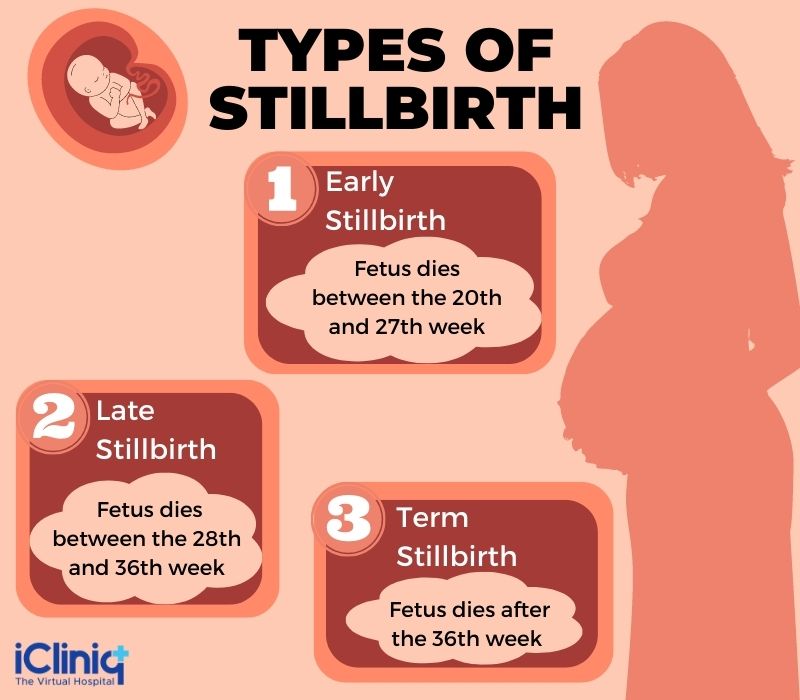
Stillbirth is the death of a fetus after 20 weeks of gestation. This means that the fetus has reached a stage of development where it is considered viable, albeit outside the womb. It is important to remember that this definition is centered around fetal death.
Defining Miscarriage
A miscarriage is the loss of a pregnancy before 20 weeks of gestation. This loss occurs before the fetus has reached a point of viability, and it’s crucial to recognize that this loss doesn’t represent a lack of development or health issues during the early stages of pregnancy.
Stages of Pregnancy Where Loss Can Occur
Pregnancy is divided into trimesters. Understanding these stages can help contextualize when a stillbirth or miscarriage might occur. A stillbirth can occur anytime after 20 weeks, while a miscarriage is defined by its occurrence before 20 weeks.
- First Trimester (weeks 1-12): This is the most common time for miscarriages to occur. Many pregnancies naturally end during this stage, often due to chromosomal abnormalities.
- Second Trimester (weeks 13-28): Miscarriages are less common in this trimester. However, stillbirths can happen, often related to complications such as preeclampsia, placental problems, or infections.
- Third Trimester (weeks 29-40): Stillbirths are possible, although less frequent than in the second trimester. They might be linked to conditions such as placental insufficiency, maternal complications, or umbilical cord problems.
Comparison of Stillbirth and Miscarriage
The table below compares and contrasts stillbirth and miscarriage based on gestational age at the time of fetal loss.
| Characteristic | Stillbirth | Miscarriage |
|---|---|---|
| Gestational Age | After 20 weeks | Before 20 weeks |
| Fetal Viability | Potentially viable outside the womb | Not viable outside the womb |
| Common Causes | Placental problems, maternal complications, infections | Chromosomal abnormalities, hormonal imbalances |
| Emotional Impact | Often profound and complex | Can range from sadness to relief, depending on the circumstances |
Similarities Between Stillbirth and Miscarriage
The loss of a pregnancy, whether a miscarriage or a stillbirth, is a deeply personal and profoundly painful experience. While the circumstances surrounding each vary, the emotional toll and the shared medical and support systems often overlap. Understanding these commonalities can provide a sense of shared experience and support for grieving parents.
Emotional Responses in Parents
Both stillbirth and miscarriage evoke a spectrum of intense emotional responses in parents. Grief, sadness, anger, guilt, and confusion are common. Parents may struggle with feelings of isolation and a sense of helplessness. These feelings can manifest in different ways, but the underlying pain is often similar. The intensity and duration of these emotions can vary greatly from person to person and depend on individual circumstances and support systems.
Shared Medical Interventions
Medical interventions in cases of both stillbirth and miscarriage can overlap significantly. Ultrasound examinations are frequently employed to confirm the pregnancy’s status. Depending on the circumstances, medical professionals may recommend or perform procedures like dilation and curettage (D&C) or other methods to manage the pregnancy’s termination and ensure the mother’s health. The goal of these interventions is to address the immediate health concerns of the mother and support the grieving process.
Physiological Effects on the Mother
The physiological effects on the mother’s body can also be comparable. Hormonal fluctuations, cramping, bleeding, and fatigue are common after both stillbirth and miscarriage. The specific experiences can vary depending on the stage of pregnancy and individual physiology, but the body often experiences similar physical responses to the loss of the pregnancy. Post-partum recovery may also be impacted by the emotional trauma and stress of the situation.
Similar Support Systems
Grief counseling, support groups, and compassionate medical professionals are essential components of support systems for parents experiencing either stillbirth or miscarriage. These resources offer a space for shared experiences and a network of understanding individuals. The provision of emotional and practical support is crucial during this challenging time. Family, friends, and support organizations often play a vital role in helping grieving parents cope with their loss.
Summary of Similarities
| Characteristic | Stillbirth | Miscarriage |
|---|---|---|
| Emotional Responses | Grief, sadness, anger, guilt, confusion, isolation, helplessness. | Grief, sadness, anger, guilt, confusion, isolation, helplessness. |
| Medical Interventions | Ultrasound, D&C, or other procedures to manage the termination of pregnancy and ensure mother’s health. | Ultrasound, D&C, or other procedures to manage the termination of pregnancy and ensure mother’s health. |
| Physiological Effects | Hormonal fluctuations, cramping, bleeding, fatigue. | Hormonal fluctuations, cramping, bleeding, fatigue. |
| Support Systems | Grief counseling, support groups, compassionate medical professionals, family, and friends. | Grief counseling, support groups, compassionate medical professionals, family, and friends. |
Differences Between Stillbirth and Miscarriage
While both stillbirth and miscarriage represent profound losses for expectant parents, significant distinctions exist in their diagnostic processes, post-event care, and the societal perceptions surrounding them. Understanding these differences is crucial for navigating the emotional and medical landscape following such a tragedy.The differing timelines and circumstances surrounding fetal loss profoundly influence the medical approach and support systems available. Miscarriage, often occurring in the early stages of pregnancy, presents unique challenges in terms of diagnostic and recovery protocols compared to the more complex and emotionally taxing scenario of stillbirth.
Diagnostic Procedures
Determining the cause of pregnancy loss requires meticulous investigation. In cases of miscarriage, early ultrasound scans and blood tests are frequently utilized to identify potential contributing factors, such as hormonal imbalances or chromosomal abnormalities. The focus often lies on identifying patterns that might lead to future pregnancies. In contrast, stillbirth investigations often involve a comprehensive autopsy, examining the fetus for any physical anomalies, and often including toxicology reports to rule out environmental factors.
Genetic testing may also be performed to identify possible hereditary issues. These comprehensive analyses aim to provide insights into the cause of the stillbirth, potentially informing future pregnancies and offering a sense of closure to grieving families.
Post-Event Medical Care Protocols
Post-event medical care differs significantly. Miscarriage care typically involves monitoring the mother for signs of infection and ensuring the uterus has fully expelled the pregnancy tissues. This might include medication to aid in the process. Stillbirth care, on the other hand, involves managing the mother’s emotional distress and ensuring her physical well-being, often requiring specialized psychological support.
The delivery of the stillborn infant may be handled differently, and a thorough post-delivery examination of the infant’s body is essential to identify possible causes and inform future pregnancies.
Counseling Options
Grief counseling is crucial for both stillbirth and miscarriage. However, the specific nature of the support differs. For miscarriage, counseling may focus on processing the loss and potentially addressing anxiety surrounding future pregnancies. For stillbirth, the counseling often involves addressing the profound grief and trauma associated with the unexpected and often prolonged loss. Specialized perinatal grief counselors are often utilized in cases of stillbirth.
The focus is not just on managing the grief but also supporting the parents in navigating the complexities of their loss.
Stillbirth and miscarriage, both heartbreaking losses, share the common thread of pregnancy loss. However, they differ in the timing of the loss. While both are devastating, understanding the nuances is important. To help protect yourself and your family from potential health hazards, it’s also crucial to be aware of ways to reduce exposure to toxins like lead.
For example, checking your home for lead paint or using safer alternatives for water pipes and pipes is crucial. You can discover 5 ways to reduce your exposure to lead here: 5 ways to reduce your exposure to lead. Ultimately, the goal in understanding stillbirth and miscarriage is to learn how to protect your health and well-being during pregnancy and beyond.
Societal Stigmas and Cultural Perceptions
Societal stigmas surrounding miscarriage and stillbirth vary. Miscarriage, particularly in its early stages, is often perceived as a relatively common occurrence, although the reality of the profound emotional impact is frequently overlooked. Stillbirth, however, often carries a heavier societal stigma due to the longer duration of the pregnancy and the loss of a more developed fetus. Cultural beliefs also play a role in shaping perceptions, affecting how families and communities approach these events.
Physical Recovery Process
| Characteristic | Miscarriage | Stillbirth |
|---|---|---|
| Timeline | Recovery typically faster, as the pregnancy was at an earlier stage. | Recovery can be significantly slower, due to the longer duration of the pregnancy. |
| Physical Symptoms | May include cramping, bleeding, and potential infections. | May include similar symptoms to miscarriage, but the potential for complications related to the delivery of a stillborn infant exists. |
| Emotional Impact | Significant emotional distress, but often considered more manageable than stillbirth. | Profound and complex emotional distress, potentially involving trauma, and the need for extensive emotional support. |
| Medical Intervention | Often involves medication or procedures to complete the miscarriage process. | May involve medical interventions to manage potential complications from the delivery. |
Causes of Stillbirth and Miscarriage: Stillbirth Vs Miscarriage How Theyre Similar And How Theyre Different
Understanding the causes of stillbirth and miscarriage is crucial for both grieving and prevention. While both conditions represent devastating losses, pinpointing potential contributing factors can help expectant parents navigate future pregnancies with a greater understanding and hopefully, a reduced risk. Identifying these causes also plays a vital role in supporting families and promoting research into better prevention strategies.
Common Causes of Stillbirth
Stillbirth, the loss of a fetus after 20 weeks of gestation, can stem from a variety of factors. Chromosomal abnormalities in the developing fetus are a significant cause. These abnormalities can disrupt essential developmental processes, leading to conditions incompatible with life. Other contributing factors include placental issues, such as insufficient blood flow to the placenta, which can deprive the fetus of vital nutrients and oxygen.
Maternal health conditions like preeclampsia, gestational diabetes, and chronic hypertension can also increase the risk of stillbirth. In some cases, infections, both maternal and fetal, may play a role. Fetal growth restriction, where the fetus doesn’t grow at the expected rate, is another important consideration, potentially stemming from factors like poor nutrition or chronic conditions. Finally, in a smaller percentage of cases, no specific cause is found, highlighting the complexity of these events.
Common Causes of Miscarriage
Miscarriage, the loss of a pregnancy before 20 weeks, is more frequent than stillbirth. Hormonal imbalances are a key factor in miscarriage. These imbalances can disrupt the early stages of pregnancy, hindering the implantation of the embryo or preventing the development of the uterine lining to support the growing fetus. Issues with the structure of the uterus, such as fibroids or abnormalities in the uterine cavity, can also increase the risk of miscarriage.
Genetic abnormalities in the developing embryo are another significant cause. Maternal health conditions like thyroid disorders, lupus, or autoimmune diseases can increase the likelihood of miscarriage. Certain infections, both sexually transmitted and otherwise, can also lead to miscarriage. In some cases, lifestyle factors such as smoking or substance abuse can contribute to the loss of a pregnancy.
Comparison of Potential Causes
While both stillbirth and miscarriage can result from chromosomal abnormalities, the gestational timing differentiates the potential causes. For example, chromosomal abnormalities may be a factor in both, but they might be a more significant contributing factor in early pregnancy losses (miscarriage) than in late-term pregnancies (stillbirth). Placental issues, while a factor in stillbirth, are less frequently cited in the earlier stages of pregnancy.
Maternal health conditions, including infections, play a role in both. However, the severity and impact of these conditions can vary across the spectrum of pregnancy.
Role of Maternal Health Conditions
Maternal health conditions can significantly influence the risk of both stillbirth and miscarriage. Preexisting conditions like diabetes, high blood pressure, or thyroid issues can negatively impact the developing fetus, leading to complications and increasing the risk of adverse outcomes. During pregnancy, conditions like gestational diabetes and preeclampsia can also increase the risk. Infections, whether viral, bacterial, or otherwise, can disrupt the delicate balance of a developing pregnancy.
Environmental Factors
Environmental factors, while less understood, can contribute to both stillbirth and miscarriage. Exposure to toxins in the air or water, or through certain occupational hazards, can be harmful to the developing fetus. Exposure to extreme temperatures or certain medications can also increase the risk of pregnancy loss. The exact mechanisms through which environmental factors influence pregnancy outcomes are often complex and still under investigation.
Lifestyle Choices
Lifestyle choices, such as smoking, alcohol consumption, and substance abuse, can significantly increase the risk of both stillbirth and miscarriage. Smoking is linked to reduced blood flow to the placenta and can cause various complications. Similarly, excessive alcohol use and drug abuse can harm the developing fetus. Maintaining a healthy lifestyle with a balanced diet, regular exercise, and stress management techniques can positively influence pregnancy outcomes.
Categorization of Potential Causes
| Cause Category | Examples |
|---|---|
| Modifiable | Lifestyle choices (smoking, alcohol, drug use), Diet, Weight management, Stress management, Maternal health management (controlling pre-existing conditions), Environmental exposure control |
| Non-Modifiable | Chromosomal abnormalities, Genetic predispositions, Maternal age, Certain maternal health conditions (pre-existing), Placental issues, Uterine abnormalities |
Impact on Parents and Families

The loss of a child, whether through stillbirth or miscarriage, is a profoundly devastating experience. It leaves an indelible mark on the entire family, disrupting established routines and emotional landscapes. Understanding the unique emotional trauma and the diverse coping mechanisms is crucial for offering support and resources to those who experience this unimaginable grief.The profound grief experienced after the loss of a child, whether through stillbirth or miscarriage, often differs significantly from other types of loss.
While both stillbirth and miscarriage involve the loss of a pregnancy, they differ in timing. Similar to how the pain of losing a pregnancy can be overwhelming, the surprising statistic that most opioids go unused after surgery, as highlighted in this article ( most opioids go unused after surgery ), raises questions about the need for better pain management strategies.
Ultimately, understanding the distinctions between stillbirth and miscarriage is crucial for grieving and support.
The anticipation of a child’s arrival and the joy of their presence often intensify the pain of their absence. The specific circumstances surrounding the loss, the stage of pregnancy, and the family’s support network all contribute to the unique nature of the grieving process.
Emotional Trauma Associated with Stillbirth
Stillbirth, the loss of a child after 20 weeks of pregnancy, brings unique challenges. The anticipation and preparation for the arrival of a child often intensify the emotional pain. The parents may have already established a connection with their unborn child, envisioning their future and creating a space for them in their lives. The sudden and unexpected nature of the loss often leads to feelings of shock, disbelief, and profound sadness.
The physical presence of the lost child, even in the absence of a body, can also contribute to the intense grief. Often, parents experience a sense of guilt and self-blame, questioning whether they could have done something to prevent the loss.
Emotional Trauma Associated with Miscarriage
Miscarriage, the loss of a pregnancy before 20 weeks, can be equally devastating. The loss is often shrouded in secrecy and societal silence, making it difficult for parents to openly grieve. The initial shock and disbelief can be compounded by the lack of a visible body to mourn. Miscarriage is often a silent, private tragedy, with many parents feeling isolated and ashamed.
This emotional trauma is often compounded by the possibility of future pregnancies and the fear of recurrence.
Impact on Siblings and Other Family Members
The loss of a child affects not only the parents but also siblings and other family members. Siblings may experience feelings of confusion, anger, or jealousy as they grapple with the absence of their sibling. They may struggle to understand the loss and may not have the language or support to express their feelings. Grandparents, extended family members, and friends may also experience profound grief and emotional distress.
The entire family system is impacted, and providing support to all members is essential.
Coping Mechanisms for Parents
Parents cope with the loss of a child in diverse ways. Some may find solace in talking to therapists, joining support groups, or engaging in activities that bring them comfort. Others may turn to spiritual or religious beliefs for strength. Seeking professional help is crucial for processing the grief and finding healthy coping mechanisms. The process of grieving is unique to each individual and family, and there is no “right” way to cope.
Support Groups and Resources, Stillbirth vs miscarriage how theyre similar and how theyre different
Numerous support groups and resources are available for families experiencing the loss of a child through stillbirth or miscarriage. These resources offer a safe space for parents to share their experiences, receive support from others who understand, and find practical guidance. Support groups provide an opportunity for parents to feel less alone in their grief and connect with others who have experienced similar losses.
Local hospitals, grief counselors, and online communities can also provide valuable support. Examples include:
- Pregnancy and Infant Loss Support Groups: These groups offer a space for parents to share their experiences, receive support from others who understand, and find practical guidance. They provide a network of emotional support for parents and families.
- Online Forums and Communities: Online forums and communities dedicated to pregnancy and infant loss offer a space for parents to connect with others who have experienced similar losses. These online platforms provide a space for sharing experiences, offering support, and finding resources.
- Hospital-Based Support Services: Many hospitals offer bereavement support services specifically for families experiencing stillbirth or miscarriage. These services provide counseling, support groups, and resources to help families navigate the grieving process.
Medical Interventions and Procedures
Navigating the complexities of pregnancy loss, whether a miscarriage or stillbirth, requires compassionate and specialized medical care. Understanding the medical interventions and procedures involved can provide a framework for informed decision-making and support during this deeply challenging time. The specific procedures and interventions vary significantly depending on the circumstances of each individual loss.Medical professionals utilize a range of strategies to manage both stillbirth and miscarriage, prioritizing the well-being of the mother and respecting the unique nature of each case.
Post-loss care is crucial, addressing both the physical and emotional needs of the grieving parent.
Medical Interventions for Miscarriage
Managing a miscarriage often involves monitoring the mother’s physical condition and supporting her through the process of natural expulsion of pregnancy tissue. This may include expectant management, where the body is allowed to pass the tissue naturally. Medications, such as misoprostol, may be used to expedite the process and reduce the risk of complications. In some cases, a dilation and curettage (D&C) procedure may be necessary to remove any remaining tissue to prevent infection or ensure complete expulsion.
Medical Interventions for Stillbirth
Stillbirth, a loss of a baby after 20 weeks of pregnancy, demands a more comprehensive approach. Medical interventions often focus on ensuring the mother’s safety and supporting the grieving process. Procedures may include inducing labor, delivering the baby, and managing any complications arising from the delivery. The delivery method (vaginal or cesarean) is chosen based on the mother’s health, the baby’s position, and other factors.
Importance of Post-Loss Care
Post-loss care encompasses both physical and emotional support for the grieving parent. Physical recovery, including monitoring for infection and managing any bleeding, is essential. Emotional support is equally critical. This may involve counseling, support groups, and access to mental health professionals. The focus is on providing a safe space for the parent to grieve and process the loss.
Medical Interventions Unique to Stillbirth
Unique interventions for stillbirth often involve specialized care for the mother, addressing potential complications from labor or delivery. These interventions can include administering medications to induce labor or preparing for a cesarean section. There may be a need for post-delivery care to address potential issues such as postpartum hemorrhage or infections. Furthermore, fetal autopsy may be considered to determine the cause of the stillbirth, offering potential insights for future pregnancies.
Medical Interventions Unique to Miscarriage
Medical interventions for miscarriage often prioritize support during the natural expulsion of the pregnancy tissue. The interventions may be limited compared to stillbirth. Expectant management, allowing the body to pass the tissue naturally, is a common approach. Medications like misoprostol can assist in expediting the process. A D&C procedure is considered when complete expulsion is not achieved.
Summary Table of Medical Interventions
| Intervention | Miscarriage | Stillbirth |
|---|---|---|
| Expectant Management | Common | Possible |
| Medications (e.g., Misoprostol) | Common | Possible |
| Dilation and Curettage (D&C) | Possible | Possible |
| Induction of Labor | Rare | Common |
| Cesarean Section | Rare | Possible |
| Post-Delivery Care | Less intensive | More intensive |
| Fetal Autopsy | Rare | Possible |
Last Recap
Ultimately, understanding stillbirth and miscarriage requires empathy and compassion. While they share some common threads, significant differences exist in their diagnostic processes, post-event care, and the unique societal stigmas surrounding each. This exploration aims to offer a comprehensive overview, emphasizing the importance of support and resources for grieving families. Ultimately, acknowledging these differences and similarities can facilitate a better understanding of the profound impact these experiences have on parents and their families.
