Stop stressing about my health—it’s a common struggle, and this guide is designed to help you navigate the path to better well-being. Whether you’re young or older, healthy or facing a chronic condition, understanding the root causes of health-related stress and developing coping mechanisms is crucial. This exploration will delve into various interpretations, from identifying potential anxieties and fears to exploring effective lifestyle adjustments and seeking professional help.
Let’s uncover the secrets to a healthier, less stressful relationship with your well-being.
This comprehensive guide explores the multifaceted nature of health-related stress. We’ll examine how to identify the triggers, understand different perspectives, and equip you with practical strategies to manage stress effectively. From mindfulness techniques to lifestyle adjustments, and even seeking professional support, this journey aims to empower you to take control of your health and well-being.
Understanding the Problem: Stop Stressing About My Health
The phrase “stop stressing about my health” speaks to a common human experience: the anxiety and worry that can accompany concerns about our well-being. This worry can manifest in various ways, depending on individual factors like age, health status, and past experiences. It’s a complex issue, often rooted in a fear of the unknown and a desire for control over something that is inherently unpredictable.
Understanding the different interpretations and root causes of this stress is crucial for developing effective coping mechanisms.This concern about health encompasses a wide spectrum of worries. It’s not just about serious illnesses; it can also include anxieties about minor aches and pains, preventative health measures, or even perceived deviations from a perceived ideal health state. This wide range of anxieties highlights the importance of individual tailoring of solutions.
Interpretations of “Stop Stressing About My Health”
Different individuals experience and interpret this phrase differently. A young, healthy individual might be worried about maintaining a healthy lifestyle, avoiding potential future health problems, or simply dealing with everyday aches and pains. Someone older might be grappling with concerns about age-related health changes, chronic conditions, or the potential for declining physical abilities. Someone with a pre-existing chronic condition might be focused on managing symptoms, adhering to treatment plans, or coping with the long-term implications of their condition.
These diverse interpretations highlight the personalized nature of health-related stress.
I’ve been trying to stop stressing about my health lately, and it’s been tough! It’s easy to get caught up in worries, but sometimes a little perspective can help. For example, reading about Sia and her rare chronic condition really put things into perspective. Sia has rare chronic condition and is still incredibly talented and inspiring.
Knowing that others face serious health challenges, while still finding joy and purpose, helps me remember to focus on the good and appreciate the present. It’s a good reminder to stop stressing about my health and be grateful for what I have.
Potential Root Causes of Health-Related Stress
Numerous factors can contribute to stress about health. Anxiety, a pervasive feeling of worry and unease, is a significant contributor. Fear of the unknown, especially when it relates to health, can be deeply ingrained and lead to excessive worry. Past experiences, such as a family history of illness, a personal health crisis, or a negative medical encounter, can leave lasting emotional scars and contribute to current anxieties.
Furthermore, societal pressures and cultural norms surrounding health and appearance can add to the stress.
Common Symptoms of Health-Related Stress
Health-related stress manifests in various physical and mental ways. Common physical symptoms include headaches, muscle tension, sleep disturbances, digestive problems, and fatigue. Mental symptoms can encompass a range of emotions, including anxiety, irritability, difficulty concentrating, and feelings of hopelessness or helplessness. It is crucial to recognize these symptoms to address the underlying causes and develop effective coping strategies.
Exploring Coping Mechanisms
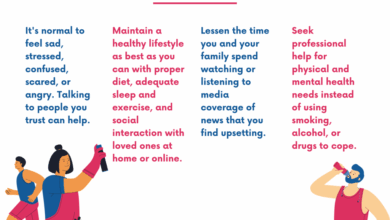
Navigating health-related stress requires a multifaceted approach. Simply acknowledging the problem is a crucial first step, but effective coping mechanisms are essential for managing the emotional and practical challenges that arise. These strategies can empower individuals to regain control and promote well-being. Finding healthy ways to manage stress is key to preventing burnout and fostering resilience.Coping with health concerns often involves a combination of strategies, tailored to individual needs and preferences.
These methods aim to reduce anxiety, promote emotional regulation, and facilitate healthier lifestyle choices. This section explores various approaches, from simple mindfulness exercises to professional support, providing practical tools to manage stress effectively.
Mindfulness Techniques
Mindfulness practices offer a powerful pathway to reduce stress associated with health concerns. These techniques focus on present-moment awareness, enabling individuals to observe their thoughts and feelings without judgment. Mindful breathing exercises, for instance, can help calm the nervous system and promote a sense of grounding. Body scan meditations, which involve systematically attending to different parts of the body, can help identify and release physical tension often linked to anxiety.A simple mindfulness exercise involves focusing on the sensation of your breath entering and leaving your body.
Notice the rise and fall of your chest or abdomen. Acknowledge any thoughts or feelings that arise without judgment, and gently redirect your attention back to your breath. Regular practice can cultivate a greater sense of inner peace and resilience.
Lifestyle Adjustments, Stop stressing about my health
Making healthy lifestyle adjustments can significantly impact stress levels related to health concerns. Prioritizing sufficient sleep, maintaining a balanced diet, and engaging in regular physical activity can contribute to overall well-being and reduce stress hormones. Sufficient sleep allows the body to repair and rejuvenate, minimizing the impact of stress on physical and mental health. A balanced diet provides the necessary nutrients to support the immune system and overall functioning, fostering resilience against health challenges.
Regular physical activity releases endorphins, which have mood-boosting effects and can reduce stress.
Professional Help
Seeking professional support is a valuable strategy for managing health-related stress. Therapists and counselors can provide guidance and support in developing coping mechanisms tailored to individual needs. They can help individuals identify patterns of thought and behavior that contribute to stress and offer strategies to manage them. Support groups can also provide a valuable platform for sharing experiences and learning from others facing similar challenges.
This support can foster a sense of community and reduce feelings of isolation.
Relaxation Techniques
Relaxation techniques are crucial tools for managing health-related anxiety. Progressive muscle relaxation involves tensing and releasing different muscle groups to release physical tension. Guided imagery involves creating a mental image of a calming environment to promote relaxation and reduce stress. These techniques can help individuals regulate their physiological responses to stress and promote a sense of calm.
Comparison of Coping Mechanisms
| Coping Mechanism | Description | Benefits | Drawbacks |
|---|---|---|---|
| Mindfulness Techniques | Focus on present moment awareness, reducing judgment of thoughts and feelings. | Improved focus, reduced anxiety, increased self-awareness. | Requires consistent practice, may not be immediately effective for all individuals. |
| Lifestyle Adjustments | Prioritizing sleep, diet, and exercise. | Improved physical and mental well-being, reduced stress hormones. | Requires commitment and consistency, may take time to see noticeable improvements. |
| Professional Help | Seeking guidance from therapists, counselors, or support groups. | Personalized coping strategies, emotional support, increased understanding of stress triggers. | May require financial investment or time commitment, may not be accessible to everyone. |
| Relaxation Techniques | Techniques like progressive muscle relaxation and guided imagery. | Reduces physical tension, promotes relaxation, eases anxiety. | May not be effective for all individuals, requires consistent practice for optimal results. |
Lifestyle Adjustments
Taking control of your health involves more than just understanding the root of your stress and developing coping mechanisms. It’s about making sustainable lifestyle changes that promote overall well-being and resilience to stress. By incorporating healthy habits into your daily routine, you can significantly reduce stress related to health concerns and foster a stronger sense of control over your physical and mental health.Lifestyle choices profoundly impact stress levels related to health concerns.
I’ve been trying to stop stressing about my health lately, focusing on the present instead of worrying about the future. It’s interesting to see that more women in their 30s are having babies than in their 20s, which shows there’s no one-size-fits-all timeline. Ultimately, I’m learning to embrace my own path and not compare myself to others, and that’s helping me ease the stress about my health.
Poor diet, lack of exercise, inadequate sleep, and insufficient social support can exacerbate stress, while healthy habits can buffer against it. By proactively addressing these lifestyle factors, you empower yourself to manage stress more effectively. This approach emphasizes proactive strategies rather than reactive ones, allowing you to build a stronger foundation for a healthier and less stressful life.
Diet and Exercise Regimens
Nutrition and physical activity are fundamental to overall health and stress management. A balanced diet rich in fruits, vegetables, and whole grains provides the essential nutrients your body needs to function optimally. Regular exercise, including both cardiovascular and strength training, releases endorphins, which have mood-boosting and stress-reducing effects.Examples of stress-reducing diets include the Mediterranean diet, known for its emphasis on fresh produce, healthy fats, and lean protein.
This diet promotes cardiovascular health and overall well-being, contributing to a reduced stress response. Regular exercise, such as brisk walking, jogging, swimming, or yoga, is crucial for stress reduction. These activities release endorphins, natural mood elevators that can help alleviate stress and anxiety. Consistent exercise also improves sleep quality, further contributing to a healthier stress response.
Consider incorporating interval training, where short bursts of high-intensity exercise are interspersed with periods of rest. This method is effective for improving cardiovascular fitness and boosting mood while requiring less overall time commitment.
Sleep Hygiene
Adequate sleep is vital for physical and mental restoration, directly impacting stress management. Poor sleep quality can worsen stress responses and impair cognitive function, while good sleep hygiene can help mitigate these effects. Establish a regular sleep schedule, create a relaxing bedtime routine, and optimize your sleep environment. A dark, quiet, and cool bedroom conducive to sleep can greatly enhance sleep quality.
Consider limiting screen time before bed, as the blue light emitted from electronic devices can interfere with melatonin production, crucial for regulating sleep cycles.
I’ve been trying to stop stressing about my health lately, and honestly, it’s been tough. One thing that’s been bugging me is whether dry eyes could be causing these annoying floaters I’ve been seeing. I’ve been doing some research and it seems like there’s a potential connection – you can check out this article on can dry eyes cause floaters to learn more.
Hopefully, once I understand this better, I can finally relax a bit more about my overall well-being.
Social Support
Strong social connections are a cornerstone of mental and physical well-being. Social support systems provide emotional comfort, practical assistance, and a sense of belonging, all of which can significantly reduce stress related to health concerns. Nurturing relationships with family, friends, and support groups can create a network of individuals who can offer encouragement, understanding, and practical help during challenging times.
Shared experiences and mutual support can foster a stronger sense of community and resilience, which is essential for coping with stress.
Healthy Lifestyle Adjustments and Their Impact
| Adjustment | Impact on Stress | Potential Benefits |
|---|---|---|
| Balanced Diet | Reduces inflammation, improves energy levels, and stabilizes mood. | Improved physical health, enhanced cognitive function, and reduced irritability. |
| Regular Exercise | Reduces stress hormones, improves mood, and boosts self-esteem. | Increased physical fitness, improved sleep quality, and enhanced emotional well-being. |
| Adequate Sleep | Improves cognitive function, enhances emotional regulation, and reduces irritability. | Improved mental clarity, increased productivity, and reduced risk of health problems. |
| Strong Social Support | Provides emotional comfort, practical assistance, and a sense of belonging. | Reduced feelings of isolation, increased resilience, and enhanced overall well-being. |
Seeking Professional Help
Taking care of your mental and physical health is crucial, especially when it comes to managing health anxieties. Ignoring these anxieties can lead to increased stress and potentially impact your overall well-being. Seeking professional help is a proactive step toward better management and a healthier lifestyle. It’s a sign of strength, not weakness, to acknowledge the need for support.Professional guidance can provide tailored strategies and coping mechanisms that might not be readily apparent when trying to manage things on your own.
It allows for a structured approach to understanding and addressing the root causes of your health anxieties, fostering a path toward greater peace of mind.
Benefits of Consulting a Healthcare Professional
Seeking professional help offers several crucial benefits. It provides a safe and confidential space to discuss your concerns without judgment. A healthcare professional can help you develop personalized strategies to manage stress, enabling you to regain control over your health anxieties. This process often involves identifying patterns and triggers, which is essential for long-term well-being. Importantly, a professional can offer objective insights, helping you separate fact from fear and develop a more realistic perspective on your health.
Role of Therapists and Counselors
Therapists and counselors play a vital role in addressing stress related to health concerns. They are trained to listen empathetically and provide support during difficult times. Their expertise allows them to guide you through various therapeutic techniques and coping strategies. They can help you explore underlying emotions and beliefs that contribute to your anxieties, empowering you to create positive changes.
Types of Therapies
Various types of therapies can help manage stress related to health concerns. These therapies can be highly effective in equipping you with the tools to cope with your anxieties.
- Cognitive Behavioral Therapy (CBT): This therapy focuses on identifying and changing negative thought patterns that contribute to stress. CBT helps you develop more realistic and helpful ways of thinking about your health concerns, fostering a more positive outlook. CBT is widely recognized for its effectiveness in managing anxiety and stress.
- Acceptance and Commitment Therapy (ACT): ACT encourages acceptance of difficult thoughts and feelings related to health concerns, without judgment. This approach focuses on values and actions aligned with your goals, helping you navigate stressful situations with greater resilience.
- Mindfulness-Based Stress Reduction (MBSR): MBSR utilizes mindfulness practices to cultivate awareness of the present moment. This practice can help reduce stress and promote emotional regulation, enabling you to better manage your responses to health-related anxieties.
Different Types of Professionals
Different professionals offer specialized expertise in managing health anxieties. Understanding their areas of expertise can help you choose the right support for your specific needs.
| Professional | Expertise | Services Offered |
|---|---|---|
| Psychiatrist | Medical doctor specializing in mental health. | Diagnosis and treatment of mental health conditions, including medication management. |
| Psychologist | Trained in the study of the mind and behavior. | Therapy, assessment, and counseling for various mental health concerns. |
| Therapist (e.g., Licensed Clinical Social Worker, Licensed Marriage and Family Therapist) | Specialized in providing therapy and counseling for individuals and families. | Therapy focused on emotional and behavioral well-being, often addressing underlying issues contributing to stress. |
| Registered Dietitian | Expertise in nutrition and dietetics. | Nutritional guidance and counseling to support overall health, potentially impacting stress levels. |
Practical Steps for Stress Reduction

Taking control of stress isn’t about eliminating it entirely, but rather about learning to manage it effectively. This involves understanding your triggers, recognizing your body’s responses, and implementing strategies that help you navigate stressful situations with more resilience. A proactive approach to stress reduction empowers you to lead a healthier, more fulfilling life.
Creating a Personalized Stress Reduction Plan
Developing a personalized stress reduction plan is crucial for long-term success. It requires careful consideration of your individual needs and preferences, making it a highly adaptable approach. This plan should not be a rigid set of rules, but rather a dynamic guide that evolves with your circumstances.
- Identify Your Stressors: Recognizing the specific situations, people, or thoughts that trigger your stress is the first step. Keep a journal to track your stress levels and the associated events. This awareness allows you to anticipate and prepare for potential stressors.
- Prioritize Your Needs: Evaluate your priorities and commitments. Identify areas where you can delegate tasks, reduce responsibilities, or set boundaries. This prioritization process helps you allocate your energy and resources effectively.
- Select Your Coping Mechanisms: Choose from a variety of coping strategies. Consider techniques such as deep breathing exercises, mindfulness meditation, or physical activity. Experiment with different methods to find what works best for you.
- Establish Realistic Goals: Set achievable goals for stress reduction. Begin with small, manageable steps. Don’t try to overhaul your entire lifestyle at once. Gradual changes are more sustainable and less overwhelming.
Implementing Coping Strategies
A well-defined plan is only as good as its implementation. Consistent application of chosen strategies is key to building resilience. It’s crucial to integrate these strategies into your daily routine to make them sustainable.
| Step | Action | Resources |
|---|---|---|
| 1 | Schedule dedicated time for stress reduction activities. Block out specific times in your calendar for meditation, exercise, or relaxation. Treat these appointments as important commitments. | Various scheduling apps (e.g., Google Calendar, Outlook Calendar) |
| 2 | Practice mindfulness exercises daily. Even a few minutes of mindfulness can significantly reduce stress. Focus on your breath, sensations, and thoughts without judgment. | Mindfulness apps (e.g., Calm, Headspace) |
| 3 | Incorporate physical activity into your routine. Regular exercise is a powerful stress reliever. Aim for at least 30 minutes of moderate-intensity activity most days of the week. | Fitness trackers, online workout videos |
| 4 | Develop healthy sleep habits. Aim for 7-9 hours of quality sleep each night. Establish a relaxing bedtime routine to promote better sleep. | Sleep hygiene guides, sleep-related apps |
Monitoring and Adjusting Your Plan
Regular evaluation and adaptation of your plan are crucial for maintaining progress. Be flexible and open to adjusting your strategies as needed.
- Track your stress levels regularly. Use a journal or app to record your stress levels and the corresponding events. This provides valuable insight into your patterns.
- Evaluate the effectiveness of your strategies. Assess whether your chosen methods are actually reducing your stress. Be prepared to modify your plan based on your observations.
- Seek professional guidance if needed. Don’t hesitate to consult a therapist or counselor for additional support. Professional guidance can offer personalized strategies for effective stress management.
Addressing Specific Health Concerns
Stress and health are intricately linked. A nagging headache, a persistent cough, or a recurring ache can all contribute to a heightened sense of anxiety and worry. Understanding how specific health concerns can fuel stress is crucial for developing effective coping mechanisms. This section delves into common health issues that trigger stress, exploring the connection between physical ailments and emotional well-being, and providing practical strategies for managing the associated stress.Many health conditions, both chronic and acute, can significantly impact our emotional state.
The constant worry about symptoms, treatment outcomes, and the potential impact on daily life can lead to overwhelming stress. This is especially true for conditions that require ongoing management, such as chronic pain, autoimmune disorders, or mental health conditions. Recognizing the specific stressors associated with each condition allows us to tailor our coping strategies to better address the unique challenges.
Common Health Concerns Triggering Stress
Common health concerns frequently associated with stress include chronic pain, mental illness, and autoimmune disorders. These conditions can trigger a cascade of negative emotions, from fear and anxiety to frustration and hopelessness. Recognizing these triggers is a crucial first step in managing the stress they induce.
Chronic Pain
Chronic pain, characterized by persistent discomfort lasting longer than three months, can be a significant source of stress. The constant pain can disrupt sleep, limit mobility, and impact daily activities. This can lead to feelings of helplessness, frustration, and isolation. The uncertainty surrounding the cause and duration of the pain can add to the stress.
- Physical discomfort often leads to difficulty concentrating and performing daily tasks, contributing to feelings of inadequacy and impacting self-esteem. This cycle of pain, stress, and decreased function can be challenging to break without appropriate coping mechanisms.
- Financial strain can also be a significant stressor for individuals experiencing chronic pain. Missed work, increased medical expenses, and the need for assistive devices can create financial burdens. This financial strain can lead to additional stress and anxiety.
Mental Illness
Mental health conditions, such as anxiety disorders, depression, and bipolar disorder, can be deeply intertwined with stress. The symptoms of these conditions, including worry, sadness, and mood swings, can significantly impact daily life and contribute to feelings of isolation and hopelessness. These emotional struggles often overlap with other challenges, such as social isolation, relationship problems, and financial difficulties.
- The stigma associated with mental illness can exacerbate feelings of shame and isolation, further increasing stress levels. This can make seeking help and support more challenging.
- The need to manage symptoms, attend therapy sessions, and adhere to treatment plans can create a demanding schedule that often competes with other responsibilities, contributing to overall stress levels.
Autoimmune Disorders
Autoimmune disorders, where the body’s immune system attacks its own tissues, can lead to chronic inflammation and pain. These conditions often require ongoing treatment and management, which can be a significant source of stress. The unpredictability of symptoms and the potential for flare-ups can lead to anxiety and worry about the future.
- The unpredictable nature of these disorders often creates a need for constant monitoring and adjustment to treatment plans, which can add to the stress and anxiety experienced by individuals.
- Managing the symptoms of autoimmune disorders often requires significant lifestyle adjustments, which can create additional stress and challenges, especially if these adjustments are disruptive to daily routines and social interactions.
Stress Management Strategies for Specific Health Concerns
Developing strategies tailored to individual health concerns is essential for effective stress management. These strategies can include relaxation techniques, mindfulness practices, and building a strong support system. Positive affirmations can also be powerful tools for managing stress related to specific health issues.
Positive Affirmations for Specific Health Issues
Positive affirmations can help to shift negative thought patterns and promote a more positive outlook. They are especially helpful in managing the stress associated with specific health concerns.
- Chronic Pain: “My body is resilient. I am capable of managing my pain and improving my well-being.” or “I am strong and capable. I am committed to managing my pain and living a full life.”
- Mental Illness: “I am worthy of love and support. I am making progress in my recovery.” or “I am strong. I am capable of managing my mental health.”
- Autoimmune Disorders: “I am strong and capable. I am committed to managing my health and living a full life.” or “My body is healing. I am committed to my well-being and to supporting my recovery.”
Ultimate Conclusion

In conclusion, managing stress surrounding your health is a personal journey. This guide has provided tools and insights to understand the root causes of your stress, explore various coping mechanisms, and embrace lifestyle adjustments that support your well-being. Remember, seeking professional help is a valuable resource, and taking proactive steps toward stress reduction is a testament to your commitment to a healthier, more balanced life.
Ultimately, the goal is to cultivate a more positive and less stressful relationship with your health.