The Future of The Scottish Cot Death Trust: Transition to The Lullaby Trust and Continued Support for Families


The Scottish Cot Death Trust (SCDT), a cornerstone of support for families in Scotland navigating the devastating loss of a baby to sudden infant death syndrome (SIDS), has officially transferred its operations to The Lullaby Trust. This significant transition, driven by financial pressures, ensures that vital bereavement support and crucial safer sleep advice will continue to be available to families across the entire United Kingdom, including Scotland.
For decades, the SCDT has been a beacon of hope and solace for families during their darkest hours. However, in recent years, the organisation has faced mounting financial challenges that have impacted its capacity to deliver its essential services. Recognizing the enduring and critical need for its work, the decision was made to merge with The Lullaby Trust, a UK-wide charity with a similar mission. This strategic alignment will allow for a more robust and comprehensive support network for families affected by cot death.
The Lullaby Trust, with its extensive experience and established infrastructure, will now extend its reach to encompass Scotland, building upon the legacy and impact of the SCDT. This integration aims to provide a seamless continuation of care, ensuring that no family in Scotland feels abandoned in their grief or uninformed about vital infant safety practices.
Voices of Experience: Families Share Their Connection with the SCDT
The profound impact of the Scottish Cot Death Trust on families is evident in the heartfelt testimonies of those who have been supported by its services. These personal accounts underscore the irreplaceable role the SCDT has played in their lives and highlight the importance of continued support.

Margaret’s Enduring Gratitude
Margaret, a nurse from Clydebank with 24 years of experience, holds the Scottish Cot Death Trust in high regard. Her connection stems from the support she received after the tragic loss of her son, Brian, at just four months old in 1987. Margaret recalls Brian’s burgeoning personality, noting his fascination with a fish tank, a poignant detail in the face of his sudden and unexpected death.
"Brian’s lovely little character was really starting to come through. He loved staring at a fish tank!" Margaret shared. "Brian died suddenly and unexpectedly in 1987 when he was four months old."
The SCDT provided Margaret with a vital baby monitor for her daughter, Cheryl, a lifeline that significantly eased her anxieties. "The SCDT gave me a monitor to use for Cheryl which really saved my life. If it wasn’t for that, I don’t know what I would’ve done. With the monitor, I could relax and leave her to sleep."
Beyond practical assistance, the trust also connected Margaret with a befriender, a crucial source of emotional support. "They gave me a befriender, which was so beneficial. She really understood every feeling and emotion I had. I’d lean back in my chair and think ‘wow, she gets me’." This empathetic connection provided Margaret with a sense of validation and understanding during an unfathomably difficult period.

Marjorie’s Lifelong Loyalty
Marjorie, from North Ayrshire, experienced the devastating loss of her son, Craig, to sudden and unexpected death. The Lullaby Trust, then known as the Foundation for the Study of Infant Deaths (FSID), provided invaluable support during her bereavement and when she welcomed her next child, Allison. This profound impact has fostered a lifelong connection, with Marjorie becoming a dedicated supporter and raising over £20,000 for the charity.
"Craig was a beautiful, strong wee boy, and looked just like Ian!" Marjorie reminisced.
A health visitor initially introduced Marjorie to the FSID. "She got in touch with them straight away," Marjorie stated. She expressed the overwhelming need for information and support following her loss. "I had so many unanswered questions. They helped me so much, and were so informative and supportive. I found it very therapeutic speaking to them. They told me that if there’s anything I’d like to speak about, to never be afraid to contact them. They were great."
Marjorie’s continued commitment is a testament to the lasting impact of the support she received. "It’s because of the support they offered me back in 1984 after Craig died, and the support they offered us when we had our next child, Allison, that I still support The Lullaby Trust to this day."
Fiona’s Tribute Through Fundraising
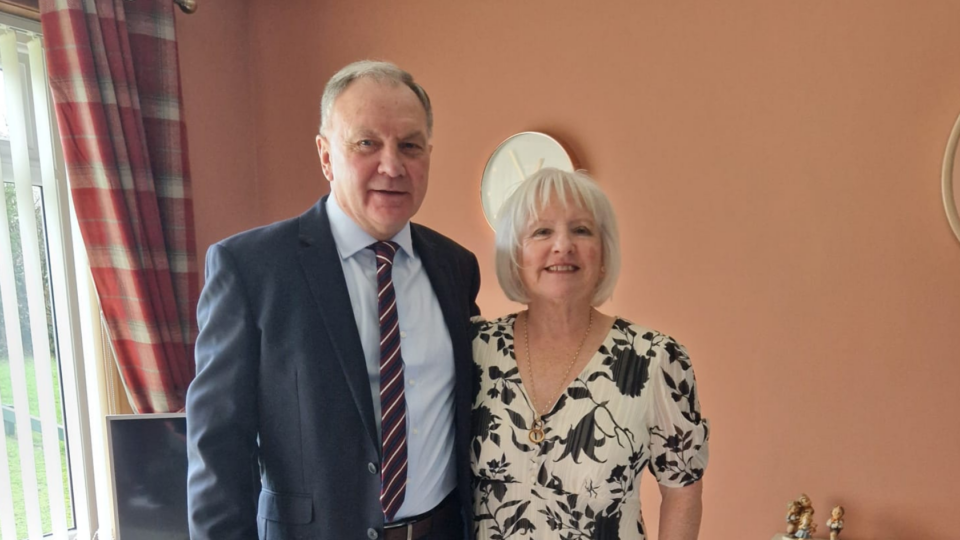
Fiona, from Glenrothes in Fife, channeled her grief into meaningful action following the sudden death of her son, Grant, at just 26 days old. The impact of this loss was immense, leaving Fiona and her family with a "mixture of resentment, anger and bitterness" and a profound sense of self-blame.
"Grant was very interested in the world, with his big eyes looking all over the place. It’s just an insane amount of loss, and you end up blaming yourself. I felt a mixture of resentment, anger and bitterness."
The SCDT provided Fiona with crucial support when she had her daughter, Isla, including the loan of a baby monitor. This practical assistance, coupled with the emotional support received, inspired Fiona and her family to become significant fundraisers.
"We did a collection for SCDT at Grant’s funeral, and we’ve done a lot of fundraising since," Fiona explained. Her partner, David, a keen outdoors enthusiast, organized a sponsored walk that raised over £10,000 for the SCDT. Fiona herself participated in an abseil, describing it as "scary but such an amazing experience." The family’s fundraising efforts extended to various events, including kilt walks and bungee jumps, all in Grant’s memory.
Sue’s Continued Generosity
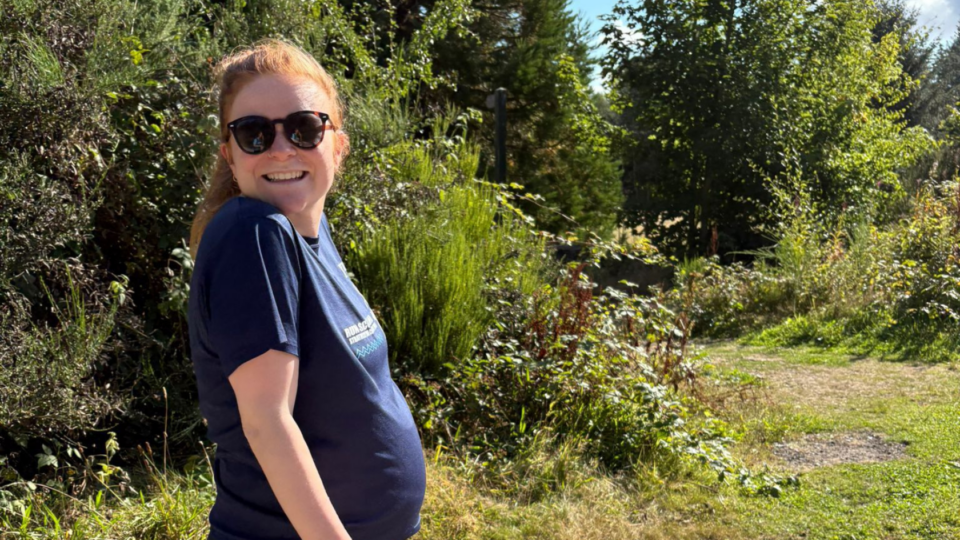
Sue, from Perth, has raised over £10,000 for The Lullaby Trust following the death of her daughter, Caelyn, at 21 months old. Caelyn’s name, meaning "forever loved," holds a special significance for Sue, who remembers her daughter as a "mischievous, cheery little soul."
Sue participated in a "Mile in Memory" walk organized by The Lullaby Trust, which proved to be a highly successful fundraiser, particularly as it was the only event of its kind in Scotland. Further funds were raised at Caelyn’s funeral.
"Caelyn’s name means ‘forever loved,’ which is now all the more special for us. She was such a mischievous, cheery little soul. I did a ‘Mile in memory’ walk arranged by The Lullaby Trust, which was the only one in Scotland and turned out to be a massive fundraiser. We also raised money at Caelyn’s funeral."
Sue has also engaged her local community in fundraising, collaborating with a jeweller to create and sell silver charms. She finds that fundraising is a way to "feel like she’s doing something helpful, in Caelyn’s memory." Her eldest daughter, a hairdresser, has also chosen The Lullaby Trust as their salon’s focus charity, raising approximately £10,000 in the past year. Sue finds it particularly touching that her daughter supports the charity despite never having met her sister, highlighting the enduring impact of the cause.

Chloe’s Reliance on Online Resources
Chloe, residing in north-east Scotland, found The Lullaby Trust’s website to be an invaluable resource during her pregnancy and early motherhood. A former paediatric nurse, Chloe experienced a profound sense of anxiety after witnessing a resuscitation case in A&E where a baby had tragically died.
"As a nurse, I assumed I’d feel confident about caring for my own baby, but people mean it when they say that nothing truly prepares you for having a baby," Chloe stated. "I immediately felt extreme anxiousness around putting our baby girl into her cot to sleep for fear she would be unsafe and at risk of SIDS." The memory of the baby who died in A&E frequently resurfaced, making it difficult to switch off her worries.
Chloe credits The Lullaby Trust’s website as her "bible" for baby safety information. "I wanted to share my story because The Lullaby Trust played such an important role in helping me feel confident and informed," she explained. "I wanted to support them, and maybe my experience might resonate with someone, or validate another person’s experience." Her decision to share her story aims to reassure other parents who may be experiencing similar anxieties.
The Legacy and Future of Support
The integration of the Scottish Cot Death Trust into The Lullaby Trust marks a new chapter in the provision of vital services for families affected by sudden infant death across the UK. This transition, while born out of necessity, represents a strengthened commitment to ensuring that bereaved families receive the support they need and that parents are equipped with the knowledge to keep their babies safe.

A Timeline of Care and Commitment:
- 1970s onwards: The groundwork for organized efforts to address cot death and provide support begins.
- 1971: The Foundation for the Study of Infant Deaths (FSID), the precursor to The Lullaby Trust, is founded in the UK.
- 1985: The Scottish Cot Death Trust (SCDT) is established in Scotland, specifically to address the needs of families in Scotland.
- 1987: Margaret receives support from the SCDT after the loss of her son, Brian, including a vital baby monitor and befriender.
- 1984: Marjorie receives support from FSID (now The Lullaby Trust) after the loss of her son, Craig, and for the subsequent birth of her daughter, Allison. She becomes a dedicated supporter.
- 1990s – 2000s: Both organizations continue to grow, offering bereavement counselling, information on safer sleep, and fundraising initiatives. Fiona and her family begin significant fundraising for the SCDT in memory of Grant. Sue also starts fundraising for The Lullaby Trust in memory of Caelyn.
- Early 2010s: Chloe, a paediatric nurse, relies heavily on The Lullaby Trust’s website for baby safety information during her pregnancy.
- 2020s: Facing increasing financial pressures, the Scottish Cot Death Trust makes the decision to transfer its operations to The Lullaby Trust.
- Present: The Lullaby Trust officially assumes responsibility for supporting families in Scotland, continuing the legacy of both organizations.
Supporting Data and Impact:
Sudden Infant Death Syndrome (SIDS), often referred to as cot death, remains a deeply distressing phenomenon. While the exact causes are not fully understood, research has identified several factors that can reduce the risk. According to The Lullaby Trust, there has been a significant reduction in SIDS rates in the UK over the past few decades, largely attributed to public awareness campaigns and the promotion of safer sleep practices. For instance, the rate of SIDS in the UK has fallen by over 80% since the 1990s. However, every year, hundreds of babies still die suddenly and unexpectedly, underscoring the ongoing need for the services provided by The Lullaby Trust.
The financial impact on families experiencing the loss of a child is multifaceted, extending beyond the immediate emotional devastation. Bereavement support services, such as those offered by the SCDT and now The Lullaby Trust, are crucial in helping families navigate their grief, cope with the trauma, and begin the long process of healing. Fundraising efforts, as demonstrated by families like Marjorie, Fiona, and Sue, not only generate vital funds for these organizations but also serve as a powerful way for bereaved parents to honor their children’s memory and contribute to preventing future tragedies.
Broader Implications and the Path Forward:
The merger of the Scottish Cot Death Trust with The Lullaby Trust signifies a strategic consolidation of resources and expertise. This move is expected to enhance the efficiency and reach of support services, ensuring that families across the UK can access consistent, high-quality information and emotional support. For families in Scotland, this transition means continued access to a dedicated support network, now bolstered by the wider infrastructure and resources of a national charity.
The Lullaby Trust’s commitment to providing a range of services, including a helpline, online resources, bereavement support groups, and safer sleep advice, will now be available to all families in Scotland. This ensures that the crucial work of the SCDT in raising awareness and providing comfort will continue under a unified banner.
The organization’s overarching mission, "For every baby. For every family. Forever," encapsulates the enduring dedication to safeguarding infants and supporting families through the most profound of losses. The transition represents not an end, but an evolution, ensuring that the vital support network established by the Scottish Cot Death Trust will continue to thrive and serve families for years to come.