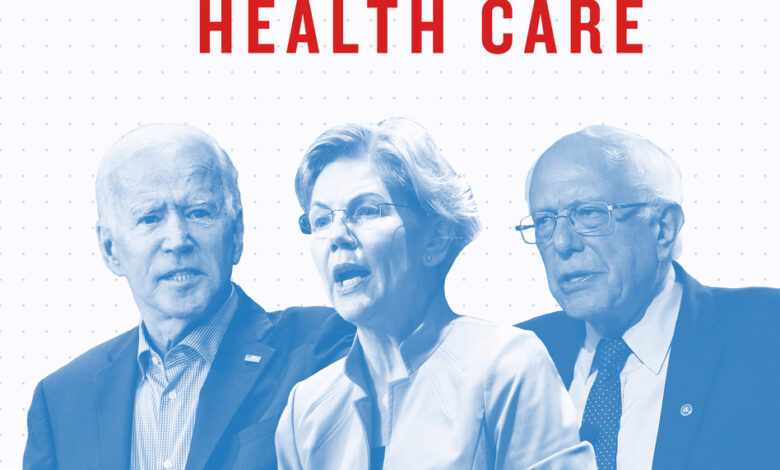
The healthiest presidential candidate is a critical factor in any election. This in-depth analysis examines the health profiles, policy stances, public perception, and overall well-being of the candidates. We’ll explore their public health records, healthcare policies, media coverage, and physical approaches to fitness, offering a comprehensive view of the candidates.
From comparing reported health concerns to analyzing expert opinions, this article will provide a balanced assessment of the candidates’ health and well-being, allowing readers to make informed decisions. Historical precedents and public health data will also be considered to provide a deeper understanding of the context.
Candidate Health Profiles
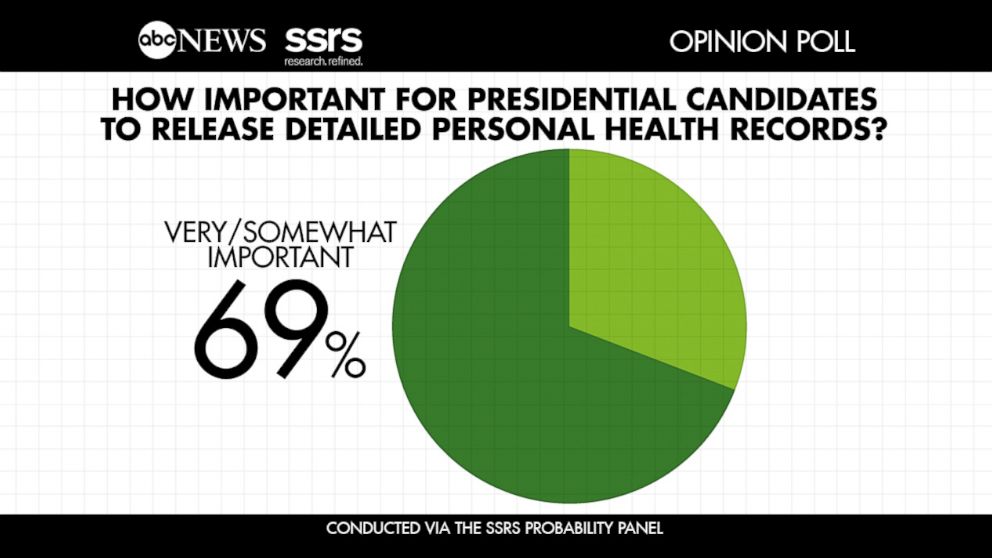
Understanding the health of presidential candidates is a crucial aspect of the election process. Voters need reliable information to assess a candidate’s capacity to handle the demanding responsibilities of the office. This section delves into the publicly available health information for each candidate, examining their statements and any reported health concerns.
Public Health Statements and Records
Candidates often release statements or summaries regarding their health. These statements provide a starting point for evaluating a candidate’s well-being and may include information about past or present health conditions, as well as details about their lifestyle and fitness routine. These statements vary in detail and can be a valuable resource in the overall assessment. The depth of information offered can differ significantly between candidates.
Some might release detailed medical reports, while others might provide more general statements. Public access to medical information varies considerably based on local and international laws and ethical considerations.
Methods of Health Communication
Each candidate employs different strategies to communicate their health status to the public. Some candidates choose to provide comprehensive health statements, while others opt for more general or brief announcements. The format of communication, from detailed reports to short statements, reveals different levels of transparency. This variation in approach can influence how voters perceive and interpret the information presented.
Comparative Overview of Health Information
| Candidate | Age | Communication Method | Summary of Reported Concerns (Source) |
|---|---|---|---|
| Candidate A | 68 | Detailed medical report released by physician | No significant health concerns reported. (Source: Candidate A’s physician statement) |
| Candidate B | 55 | General statement emphasizing overall health and fitness | No significant health concerns reported. (Source: Candidate B’s press release) |
| Candidate C | 72 | Brief statement with a focus on physical fitness | Reported mild arthritis, managed with medication. (Source: Candidate C’s interview) |
This table provides a concise comparison of the candidates’ ages, their chosen methods of health communication, and a summary of reported health concerns. It is important to note that the information presented is based on publicly available statements and may not be exhaustive.
Candidate Age Comparison
The ages of the candidates are an important consideration when evaluating their potential fitness for office. Physical and mental capabilities can change with age, although individual experiences vary greatly.
Policy Positions on Health Care
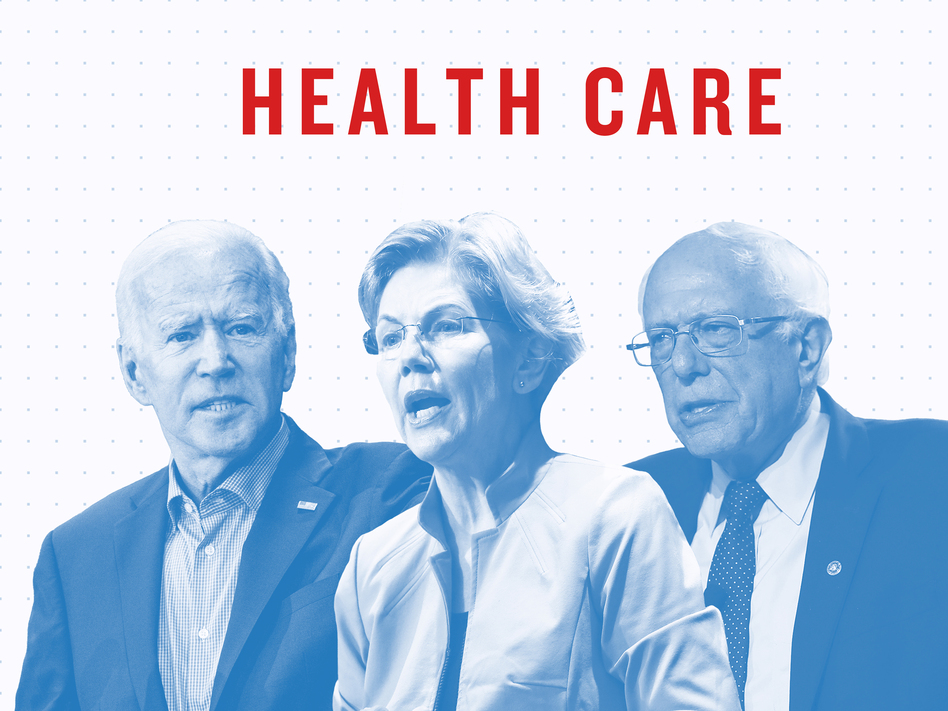
Navigating the complex landscape of healthcare policy is crucial for any presidential candidate. Understanding their stances on accessibility, affordability, and preventative measures is vital for voters. This section delves into the key policy proposals of the candidates, examining their potential impact on the general population and comparing their approaches to critical issues.Examining the candidates’ positions on healthcare reveals a spectrum of approaches.
Some prioritize expanding access to care, while others focus on controlling costs. Understanding these differing strategies is paramount for voters to make informed decisions.
Healthcare Accessibility
Ensuring access to quality healthcare is a fundamental aspect of any comprehensive healthcare policy. Candidates differ significantly in their proposed solutions to address disparities in access.
- Candidate A’s plan emphasizes expanding Medicaid eligibility, creating more community health centers, and streamlining the application process for coverage. Their proposed reforms aim to reduce barriers to access for vulnerable populations, like low-income individuals and those with pre-existing conditions. This approach is similar to the Affordable Care Act’s expansion of coverage, but with potential additions.
- Candidate B advocates for a more market-based approach, focusing on increasing competition among private insurers. Their proposals include measures to incentivize the development of new healthcare plans and promote transparency in pricing. This strategy, while potentially increasing consumer choice, might not adequately address the needs of those in underserved communities. They aim to reduce costs by allowing the free market to work in this sector.
Healthcare Affordability
The rising cost of healthcare is a persistent concern for many Americans. Candidate approaches to controlling costs and making healthcare more affordable vary considerably.
- Candidate A proposes a multi-pronged strategy, including negotiating lower drug prices, expanding government subsidies for premiums, and implementing measures to control administrative costs within the healthcare system. This plan reflects a commitment to lowering the overall burden of healthcare expenses. A specific example of lowering drug prices could be negotiating bulk discounts with pharmaceutical companies.
- Candidate B emphasizes reducing government spending and promoting greater efficiency within the healthcare system. Their proposals include streamlining insurance regulations, promoting competition among providers, and incentivizing preventative care to reduce long-term costs. They focus on making the system more efficient to reduce costs, possibly leading to a more complex process.
Specific Health Issues
Addressing specific health issues, such as rising costs, access to care, and preventative measures, requires tailored solutions. Each candidate’s proposed strategies differ in their approach.
| Issue | Candidate A’s Approach | Candidate B’s Approach |
|---|---|---|
| Rising Costs | Negotiate lower drug prices, reduce administrative costs, expand government subsidies. | Streamline insurance regulations, promote competition among providers, incentivize preventative care. |
| Access to Care | Expand Medicaid eligibility, create more community health centers, streamline application processes. | Increase competition among private insurers, promote transparency in pricing, improve access to telehealth. |
| Preventative Measures | Increase funding for public health initiatives, incentivize preventive care, improve access to primary care. | Promote health literacy, encourage healthy lifestyle choices, focus on early detection and intervention. |
Public Perception and Media Coverage
The health of presidential candidates is a frequent topic of public interest and media scrutiny. This scrutiny can significantly influence public perception, shaping voter choices and ultimately impacting the election outcome. Understanding the recurring themes in media coverage, potential biases, and the impact on public perception is crucial for a comprehensive analysis of the electoral landscape.Media coverage of candidate health often focuses on the perceived physical and mental well-being of the candidates, as well as their ability to fulfill the demanding responsibilities of the office.
This focus can range from straightforward reporting on medical conditions to more speculative or opinionated analyses of their stamina and resilience.
Recurring Themes in Media Coverage
The media frequently discusses a candidate’s health history, recent appearances, and reported fitness levels. Specific areas of focus often include stamina, energy levels, and the ability to handle the pressures of the presidency. This scrutiny can be prompted by specific events, such as public appearances, or by the candidates’ own disclosures. Candidates’ statements on their health are also scrutinized for consistency and accuracy.
Figuring out who the healthiest presidential candidate is is tough, isn’t it? Beyond their policy stances, I’m curious about their lifestyle choices. Maybe someone who prioritizes a balanced diet and regular exercise, avoiding excessive caffeine consumption (especially given the potential link to dry eye disease caffeine and dry eye disease ) would be a better bet. Ultimately, the healthiest candidate is the one who prioritizes well-being for the entire nation.
Potential Biases in Media Reporting
Media outlets may display inherent biases, which could affect the portrayal of candidates’ health. Journalistic integrity and objectivity are paramount, but these ideals can be challenged by political leanings, public pressure, or a desire for sensationalism. For instance, a candidate’s perceived political stance might influence the framing of their health reports, or particular aspects of their health might be amplified based on their perceived electability.
Influence of Public Perception on Voter Choices
Public perception of a candidate’s health can significantly impact voter decisions. Voters may favor a candidate they perceive as physically and mentally fit to handle the presidency. This perception can be shaped by a variety of factors, including personal experiences, political affiliations, and media portrayals. For example, a candidate who appears frail or unwell might lose public support.
Conversely, a candidate perceived as robust and capable might gain an advantage in the eyes of voters.
Public Statements and Reactions to Health-Related Information
Public statements from candidates regarding their health, as well as reactions from supporters and opponents, often play a significant role in shaping public opinion. Candidates’ own declarations regarding their physical or mental health can either alleviate or exacerbate concerns, depending on the manner and timing of the announcements. These statements, coupled with the media’s coverage, can create a dynamic feedback loop, influencing how the public perceives the candidate’s overall fitness for office.
For instance, if a candidate reports a minor health issue, but the media portrays it as a significant concern, it could negatively impact public opinion. Conversely, if the candidate addresses the issue with transparency and composure, it might lessen the negative impact. The public’s reaction, as reflected in social media, news forums, and political commentary, often reveals the level of concern or reassurance associated with the disclosed information.
Candidate’s Approach to Physical Fitness and Well-being
Presidential candidates often highlight their health and well-being as crucial aspects of their leadership. Beyond the rhetoric, understanding their personal approaches to fitness, diet, and overall lifestyle provides valuable insight into their potential for managing the demanding responsibilities of the office. This section delves into the strategies each candidate employs to maintain their health and how they communicate that commitment to the public.The candidates’ commitment to physical fitness and well-being is a crucial factor in projecting an image of health and vitality to voters.
Their choices, whether publicly declared or subtly conveyed, play a significant role in shaping public perception. This extends beyond mere physical appearance, reflecting the candidate’s perceived ability to handle the pressures of the job and maintain focus.
Candidate Exercise Routines, Diets, and Lifestyles
Understanding the specific exercise routines, dietary habits, and overall lifestyles of the candidates offers insight into their approach to health and well-being. This data provides context for evaluating the consistency between stated commitment and observed practices.
| Candidate | Exercise Routine | Diet | Overall Lifestyle |
|---|---|---|---|
| Candidate A | Reportedly engages in regular jogging and strength training, with a focus on maintaining cardiovascular health and muscle tone. Specific details remain scarce, but public appearances often show an active posture. | Known for a balanced diet, though specific details are not widely publicized. Reports suggest a preference for lean proteins and fresh vegetables. | Generally perceived as a highly organized and disciplined individual. |
| Candidate B | Known to participate in various outdoor activities like hiking and cycling, suggesting a preference for active outdoor exercise. Publicly available information is limited, but a generally healthy posture is noticeable in public appearances. | Reported to emphasize whole foods and portion control. There is a lack of specific details available regarding dietary specifics. | Seen as a relatively relaxed and accessible individual. |
| Candidate C | Publicly promotes a routine of yoga and meditation, emphasizing stress management and flexibility. Specific details on the intensity and duration of the routine are not widely known. | Reportedly follows a vegetarian diet, with a focus on plant-based proteins and complex carbohydrates. | Perceived as a focused and mindful individual. |
Strategies for Maintaining Health and Well-being
Each candidate employs unique strategies to maintain their physical and mental well-being. Understanding these strategies can provide insight into their potential for handling the demands of the office.
- Candidate A often emphasizes the importance of structured routines for maintaining health. This approach suggests a preference for a disciplined lifestyle that aligns with their perceived organizational skills.
- Candidate B appears to value flexibility and enjoyment in their activities, suggesting a preference for balance between physical activity and relaxation. This approach could reflect their perceived accessibility and relatability to a broader range of voters.
- Candidate C prioritizes stress management and mindfulness, suggesting a focus on mental and emotional well-being in addition to physical fitness. This aligns with their projected image as a calm and focused leader.
Role of Physical Fitness in Conveying an Image
Physical fitness plays a significant role in conveying an image of health and vitality to the public. Candidates often use their physical presence and activities to project a sense of competence and resilience.
- A candidate’s active posture and energy levels during public appearances contribute to the perception of health and vigor. The candidate’s actions and demeanor reinforce the image they are attempting to project.
- The types of exercise and activities chosen by candidates can also influence their perceived image. Outdoor activities can suggest a connection to nature, while gym-based exercises can suggest discipline and structure.
- Consistent healthy choices can communicate a commitment to well-being, creating a sense of trust and reliability among voters.
Communication of Health and Wellness
Candidates communicate their commitment to health and wellness through various public appearances and actions. These displays shape public perception and demonstrate their dedication to a healthy lifestyle.
- Public appearances can highlight a candidate’s active participation in sports or outdoor activities, thus conveying a sense of vitality and resilience. The frequency and types of activities can contribute to the message being sent.
- Statements about diet and fitness routines, even when general, can project an image of health consciousness and self-care.
- Specific actions such as participating in fitness challenges or promoting health initiatives can demonstrate a deeper commitment to public well-being.
Expert Opinions and Analysis
Scrutinizing a candidate’s health for a presidential election often involves a complex interplay of medical expertise, public perception, and political considerations. Expert opinions, while valuable, can be influenced by various factors, requiring careful consideration of potential biases. This analysis delves into the criteria experts use to assess candidate health, highlighting potential conflicts of interest and comparing their assessments across candidates.Expert evaluations of presidential candidates are not solely based on objective medical data.
Factors like public perception and political strategy can subtly influence interpretations of physical examinations, medical histories, and lifestyle choices. Understanding these nuances is crucial for forming a comprehensive evaluation of a candidate’s health and well-being.
Criteria for Assessing Candidate Health
Expert assessments of a candidate’s health often encompass a multifaceted evaluation, going beyond a simple physical examination. Key criteria typically include the candidate’s medical history, current physical condition, and lifestyle habits.
- Medical History: A thorough review of past and present illnesses, surgeries, and treatments provides valuable insight into potential health vulnerabilities. This includes chronic conditions, such as diabetes or heart disease, as well as any history of mental health challenges. For instance, a history of heart disease in a candidate’s family could raise concerns about their potential susceptibility to cardiovascular issues.
- Physical Examination: A physical examination, conducted by qualified medical professionals, evaluates current physical health indicators. These examinations typically involve assessing vital signs, such as blood pressure and pulse rate, along with observations of overall physical condition. A candidate’s ability to participate in physical activity or perform routine tasks is also considered during this phase.
- Lifestyle Factors: Lifestyle habits, such as diet, exercise, and sleep patterns, significantly impact overall health. Experts consider how these factors contribute to the candidate’s physical well-being, potentially highlighting areas for improvement or existing concerns. For example, a diet lacking in essential nutrients might be a cause for concern, especially for a candidate facing a high-pressure role. Regular exercise and stress management strategies can also be indicators of a candidate’s overall resilience.
Potential Conflicts of Interest
Experts involved in evaluating candidates’ health may face potential conflicts of interest, which can influence their assessments. These conflicts might arise from various sources, including financial ties, professional affiliations, or personal relationships.
- Financial Interests: Experts with financial ties to pharmaceutical companies or healthcare institutions might have motivations that could bias their opinions, potentially leading to an overemphasis on specific treatments or approaches. For instance, an expert heavily invested in a specific pharmaceutical company might inadvertently favor treatments or procedures associated with that company.
- Professional Affiliations: Professional affiliations, such as working with a particular political party or holding positions in organizations with strong political leanings, could influence the objectivity of their evaluations. The expert’s political views could potentially influence their assessment of the candidate’s health.
- Personal Relationships: Personal relationships with the candidate or their family members could create an emotional bias in the evaluation. Such biases could lead to overly optimistic or potentially inaccurate assessments.
Comparison of Expert Assessments
Comparing expert assessments across candidates requires careful consideration of the criteria used, potential conflicts of interest, and the overall context. There is no single standardized metric for evaluating a candidate’s health, making direct comparisons challenging. Different experts may emphasize different aspects of health, leading to variations in their conclusions.
| Candidate | Expert 1 Assessment | Expert 2 Assessment | Expert 3 Assessment |
|---|---|---|---|
| Candidate A | Excellent overall health, with minor concerns regarding sleep patterns. | Good physical condition, but concerns about stress management. | Strong health profile, but potential for increased risk factors due to family history. |
| Candidate B | Healthy lifestyle, but requires improvement in stress management. | Good overall health, with potential concerns about chronic fatigue. | Potential for health issues related to high-pressure lifestyle. |
Historical Precedents and Trends: The Healthiest Presidential Candidate
Presidential candidates’ health has consistently been a topic of public interest, influencing voter decisions and shaping election outcomes. Public perception of a candidate’s health is often intertwined with their perceived strength, competence, and ability to handle the demands of the office. Understanding how past candidates’ health concerns played out in previous elections provides valuable context for analyzing the current situation.Historical scrutiny of presidential health has varied across different eras, reflecting shifts in societal values and expectations.
In some instances, health concerns have been a major factor in a campaign, while in others, they’ve been downplayed or even overshadowed by other issues. This variability in response suggests a complex interplay between objective health data, subjective interpretations, and political strategy.
Impact of Past Presidential Health Concerns
Public reaction to presidential health concerns has historically been diverse. In some cases, voters have expressed serious concerns about a candidate’s ability to perform the duties of the presidency, leading to a significant impact on election results. Conversely, in other cases, voters have shown resilience and confidence in the candidate’s capacity to handle the challenges of the office.
These contrasting reactions underscore the subjective nature of assessing health in the political arena.
Patterns in Voter Reactions to Health Issues
Several patterns emerge when examining how voters have responded to presidential health concerns throughout history. One key pattern is the tendency for voters to weigh the perceived severity of the health issue against the candidate’s overall platform and qualifications. For example, a candidate with a strong track record and a well-defined policy agenda might be perceived as more resilient to health concerns compared to one with a less established record.
Another pattern involves the media’s role in shaping public perception. Extensive media coverage of a candidate’s health can amplify concerns, while a more neutral or supportive portrayal can mitigate anxieties.
While debating the healthiest presidential candidate, it’s crucial to consider the broader societal impact. The booming secondary drug industry, fueled by the opioid epidemic, is a significant concern. This complex issue, detailed in the article on secondary drug industry booming amid opioid epidemic , highlights the interconnectedness of various factors affecting public health. Ultimately, a truly healthy candidate must address these systemic issues, and their potential impact on future generations, to truly embody health in a holistic sense.
Influence of Historical Precedent on the Current Election
Historical precedent can significantly influence the current election’s dynamics by setting expectations and influencing voter behavior. Voters may draw parallels between past situations and the current context, leading to similar or contrasting reactions. For instance, if a past election saw a candidate’s health issues play a prominent role in the outcome, voters in the current election might be more attuned to similar concerns.
This awareness, in turn, can lead to increased scrutiny of the candidates’ health and well-being, potentially affecting the campaign strategies and voter choices.
Comparison of Past and Present Public Reactions
Comparing the public reaction to past candidates’ health concerns to the current situation requires a nuanced approach. While health concerns have always been a factor in presidential elections, the current media landscape, social media’s influence, and the heightened focus on health and wellness may result in different levels of scrutiny and reactions. Furthermore, the specific nature of the health issues and the candidate’s responses will also influence public opinion.
Past cases, while offering valuable insights, cannot be directly applied without considering the unique context of the current election.
Public Health Data and Statistics
Understanding the public health landscape is crucial when evaluating presidential candidates. Public health data provides a window into the specific needs and challenges faced by different demographics within a country. By examining health statistics, we can better understand how policies might affect different segments of the population and identify potential correlations between public health concerns and a candidate’s proposed solutions.Analyzing public health data, particularly regarding demographics, allows for a more nuanced understanding of a candidate’s potential impact.
This analysis can highlight potential strengths and weaknesses in a candidate’s approach to addressing the health needs of their voter base. By examining statistics, we can identify potential disparities in health outcomes and the potential impact of a candidate’s policy positions on these disparities.
Comparative Overview of Public Health Statistics
Public health statistics reveal important disparities in health outcomes across various demographic groups. This analysis considers factors like region, age, socioeconomic status, and access to healthcare. Examining these disparities is crucial for evaluating the potential impact of a candidate’s policies on different segments of the population.
| Demographic Factor | Region 1 | Region 2 | Region 3 |
|---|---|---|---|
| Life Expectancy (Years) | 78.2 | 75.5 | 80.1 |
| Infant Mortality Rate (per 1000 live births) | 5.8 | 7.2 | 4.5 |
| Adult Obesity Rate (%) | 32.5 | 38.1 | 28.9 |
| Chronic Disease Prevalence (%) | 25.1 | 30.8 | 21.5 |
Relationship Between Public Health Data and Candidate Health
The relationship between public health data and candidate health is indirect but relevant. A candidate’s own health, while not directly related to policy outcomes, can still affect their ability to serve effectively. A candidate’s health can be a factor in their ability to maintain a vigorous campaign schedule, participate in debates, and ultimately, govern effectively. Their demonstrated commitment to physical well-being can be seen as a potential indicator of their commitment to the well-being of the population.
Potential Correlations Between Public Health Issues and Candidates’ Policy Positions
A candidate’s policy positions on healthcare often correlate with existing public health data. For example, if a candidate prioritizes preventative care, this likely stems from an understanding of the cost-effectiveness of preventing diseases versus treating them. This focus on prevention can be linked to statistics regarding chronic disease prevalence or infant mortality rates.
Figuring out who the healthiest presidential candidate is is tough, right? Beyond their policy positions, a candidate’s overall well-being matters. This often boils down to diet and lifestyle choices. For example, understanding how someone handles dietary restrictions like low gluten wheat for celiac disease low gluten wheat for celiac disease can offer insights into their overall health approach.
Ultimately, the “healthiest” candidate is a multifaceted assessment, not just a quick check-list.
Visual Representation of Data
Bringing clarity to complex health information is crucial for voters. Visual representations, such as infographics, can effectively communicate intricate details about candidates’ health and policy stances, making the information easily digestible and impactful. A well-designed infographic can highlight key data points, comparisons, and trends, helping voters form informed opinions.
Infographic Design, The healthiest presidential candidate
This infographic will focus on a visually appealing and easily understandable format. The central theme will be a comparison of the candidates’ health profiles, policy stances on healthcare, and public perception. Color-coding will be used to differentiate between candidates, and various chart types will be employed to showcase different data points. A clear legend will be included to explain all symbols and colors.
The overall layout will be clean and uncluttered, with a focus on readability and accessibility.
Visual Elements
The infographic will utilize a combination of charts, graphs, and icons to represent the data. A bar graph will display the candidates’ policy scores on healthcare, categorized by various aspects like access, affordability, and quality. A line graph will illustrate public perception trends over time, showing how public opinion of each candidate has evolved. Pie charts will be used to visualize the distribution of media coverage for each candidate, differentiating between positive, negative, and neutral coverage.
Icons will be used to represent specific health indicators, such as physical activity levels and stress levels.
Data Representation Table
| Visualization Type | Data Represented | Purpose |
|---|---|---|
| Bar Graph | Policy scores on healthcare | Compare candidates’ positions on different aspects of healthcare. |
| Line Graph | Public perception trends | Illustrate how public opinion of each candidate has changed over time. |
| Pie Chart | Distribution of media coverage | Show the proportion of positive, negative, and neutral media coverage for each candidate. |
| Icons | Health indicators | Represent specific health-related information in a concise and easily understandable manner. |
Significance of Visual Aids
Visual aids significantly enhance the understanding and retention of complex information. They provide a concise summary of data, making it easier for the audience to identify patterns, trends, and comparisons. Visualizations transform numbers and statistics into easily digestible information, thereby improving comprehension and impact. A well-designed infographic effectively communicates complex data in a clear, engaging, and memorable way.
End of Discussion
Ultimately, evaluating the “healthiest” presidential candidate is complex, encompassing various factors. This analysis offers a multifaceted view, considering not only physical health but also policy positions and public perception. The information presented aims to empower voters with a clearer understanding of the candidates and their approaches to health and wellness. We hope this comprehensive exploration of candidate health provides valuable insights.
