The Ultimate Guide to Baking Homemade Coconut Lime Cupcakes: A Masterclass in Tropical Flavor Balance

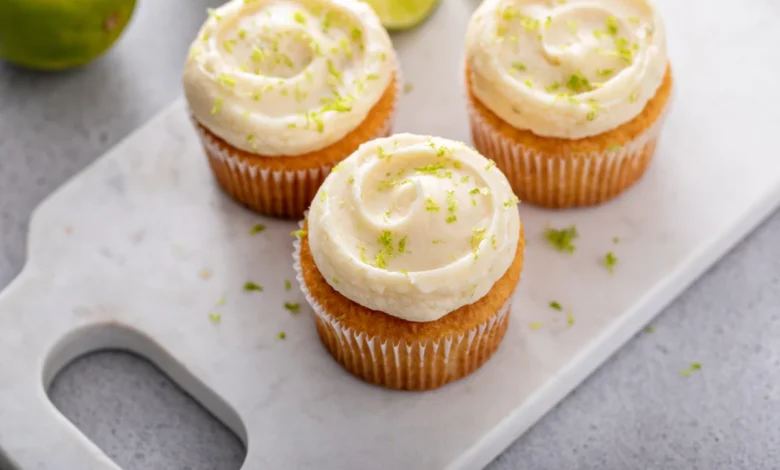
The culinary world has seen a steady resurgence in demand for nostalgic yet elevated flavor pairings, with tropical profiles leading home-baking trends over the past several seasons. Among these, the combination of coconut and fresh lime has emerged as a favorite for both amateur bakers and professional pastry chefs alike. The appeal lies in the deliberate contrast between the rich, creamy depth of coconut and the sharp, invigorating acidity of fresh lime juice and zest. This dynamic creates a sensory experience that is simultaneously refreshing and indulgent, making these cupcakes a staple for spring gatherings, summer celebrations, and upscale events. Developing a treat that achieves this delicate balance requires careful attention to ingredient selection, moisture control, and chemical leavening processes.
Culinary History and Flavor Profile Evolution
The pairing of coconut and citrus traces its roots back to tropical coastal cuisine, where fresh citrus fruits and indigenous coconut palms naturally intersect in daily diets. Over the decades, pastry arts have adapted these regional ingredients into sophisticated Western-style desserts, most notably through key lime pies and coconut cream cakes. The introduction of the coconut-lime cupcake represents an evolution of these classic flavor vehicles. By transforming a dense pie or a layered cake into a handheld, portion-controlled dessert, bakers have created a versatile format suitable for large gatherings. Food scientists note that the success of this pairing is driven by flavor chemistry: the lactones in coconut fat soften the aggressive acidity of citric acid, resulting in a rounded, harmonious profile that avoids the cloying sweetness often associated with traditional buttercream-topped treats.
Essential Components for Professional-Grade Results
Achieving a bakery-quality texture from a home kitchen requires a disciplined approach to ingredient preparation. Culinary experts emphasize that the foundation of a superior cupcake rests on temperature management and precise measurements. Room-temperature butter, eggs, and dairy products are non-negotiable for creating a stable emulsion in the batter, which traps air and ensures an even crumb structure.
Furthermore, the choice of coconut medium significantly impacts the final product. Replacing standard cow’s milk with full-fat canned coconut milk introduces complex lipid profiles that enhance both moisture retention and flavor delivery. Unlike diluted, refrigerated coconut milk beverages found in cartons, canned coconut milk possesses the necessary fat content to mimic the richness of traditional buttermilk or whole milk formulas. Similarly, the strategic use of fresh lime zest—harvested exclusively from the vibrant green outer flavedo while avoiding the bitter white albedo—infuses natural citrus oils directly into the batter and frosting without introducing excess liquid that could compromise the structural integrity of the bake.
Step-by-Step Production Timeline and Methodological Chronology
The execution of this recipe follows a precise chronological workflow designed to maximize efficiency and structural integrity in the kitchen.
Phase One: Preparation and Ingredient Conditioning (T-Minus 30 Minutes)
The baking process begins well before the oven is turned on. Bakers must remove chilled ingredients—specifically unsalted butter, eggs, and canned coconut milk—from refrigeration to equilibrate to ambient room temperature (approximately 68°F to 72°F). This step ensures that when the fat and sugar are creamed together, tiny air pockets are efficiently incorporated, serving as the primary mechanical leavening agent alongside chemical baking powder.
Phase Two: Dry Ingredient Sifting and Measurement (T-Minus 15 Minutes)
Precision in dry measurement prevents the common pitfall of dry, dense cupcakes. Flour should be aerated with a fork or spoon, gently transferred into a dry measuring vessel, and leveled off with a straight edge. Alternatively, weighing ingredients in grams via a kitchen scale guarantees absolute consistency. The flour is then whisked thoroughly with baking powder, baking soda, and salt to ensure even distribution of the leavening agents.
Phase Three: Batter Assembly and Pan Distribution (0 to 25 Minutes)
The process transitions to the mixing bowl, where softened butter and granulated sugar are beaten on medium-high speed until the mixture transforms into a pale, voluminous emulsion. Eggs are incorporated sequentially to prevent breaking the emulsion, followed by the alternating addition of dry ingredients and full-fat coconut milk, interspersed with fresh lime zest and shredded coconut. The batter is then divided evenly into lined muffin tins utilizing an ice cream scoop to guarantee uniform baking times, standardized at approximately two-thirds capacity per liner.
Phase Four: Baking and Thermal Monitoring (25 to 43 Minutes)
Baking occurs in a preheated oven, typically calibrated to standard convection or conventional parameters. Thermal monitoring is critical; cupcakes are checked at the lower end of the suggested baking window. The completion point is verified when a wooden toothpick inserted into the center emerges clean or with a few clinging moist crumbs, preventing over-bake dehydration.
Phase Five: Cooling and Frosting Synthesis (43 Minutes to 1 Hour 28 Minutes)
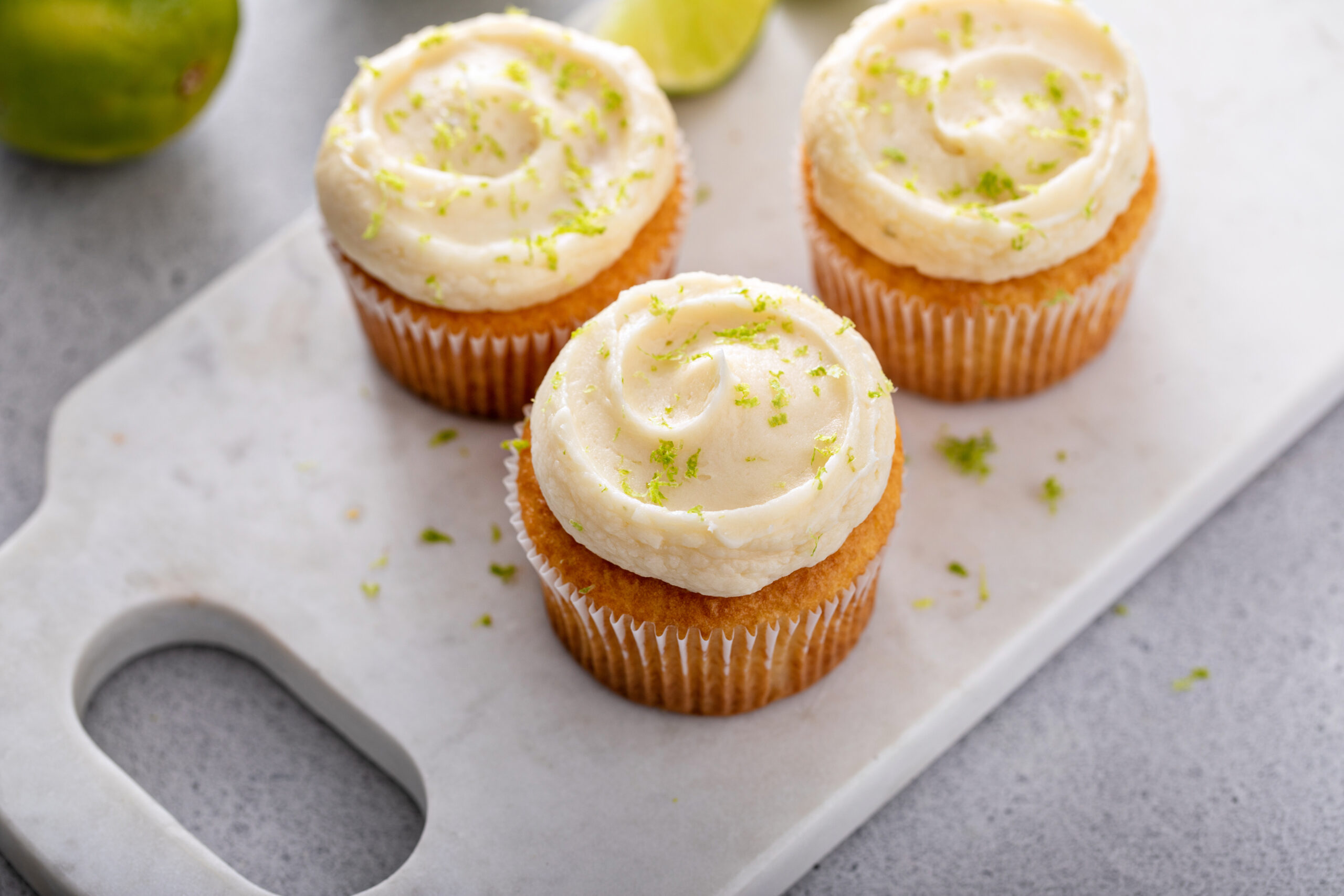
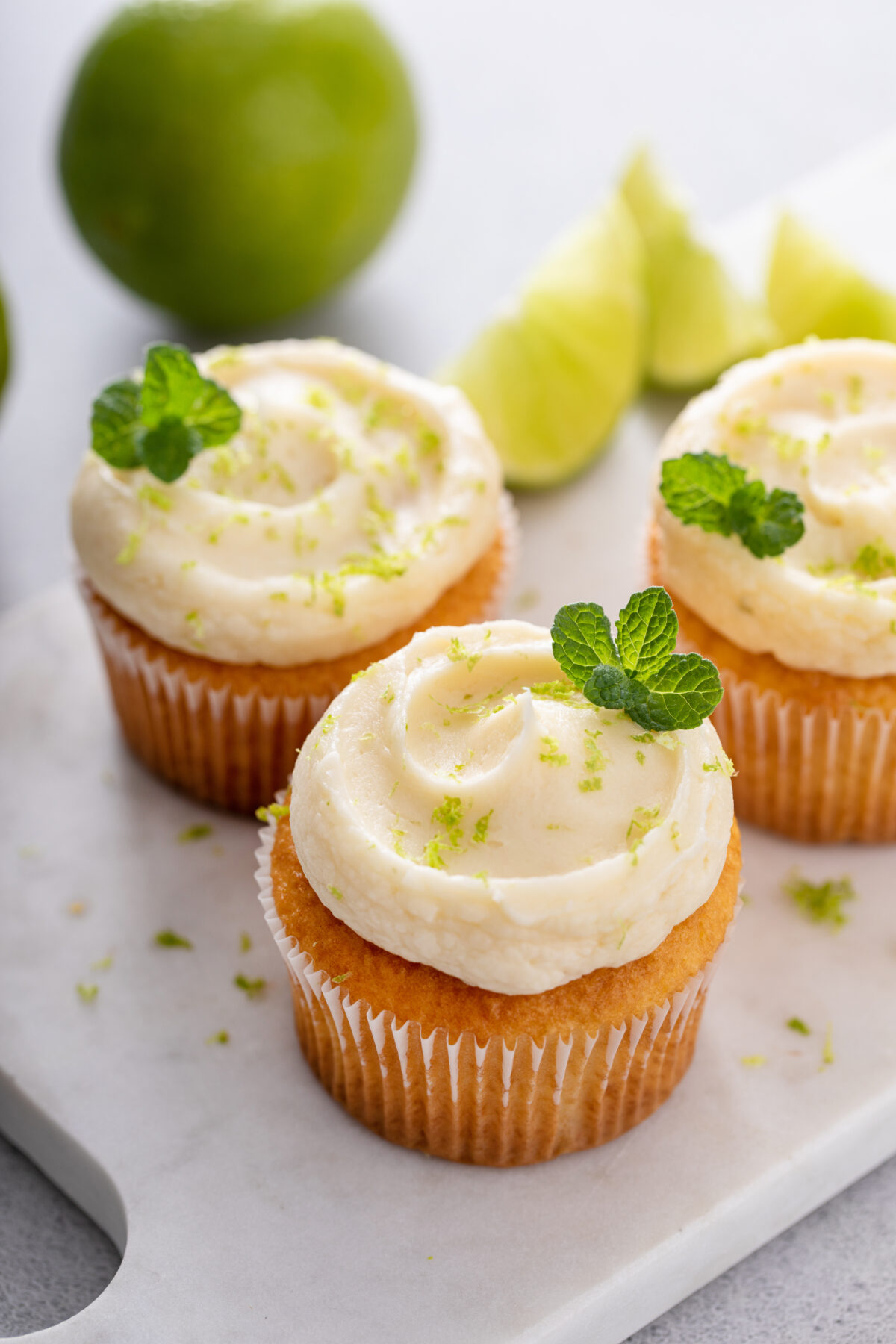
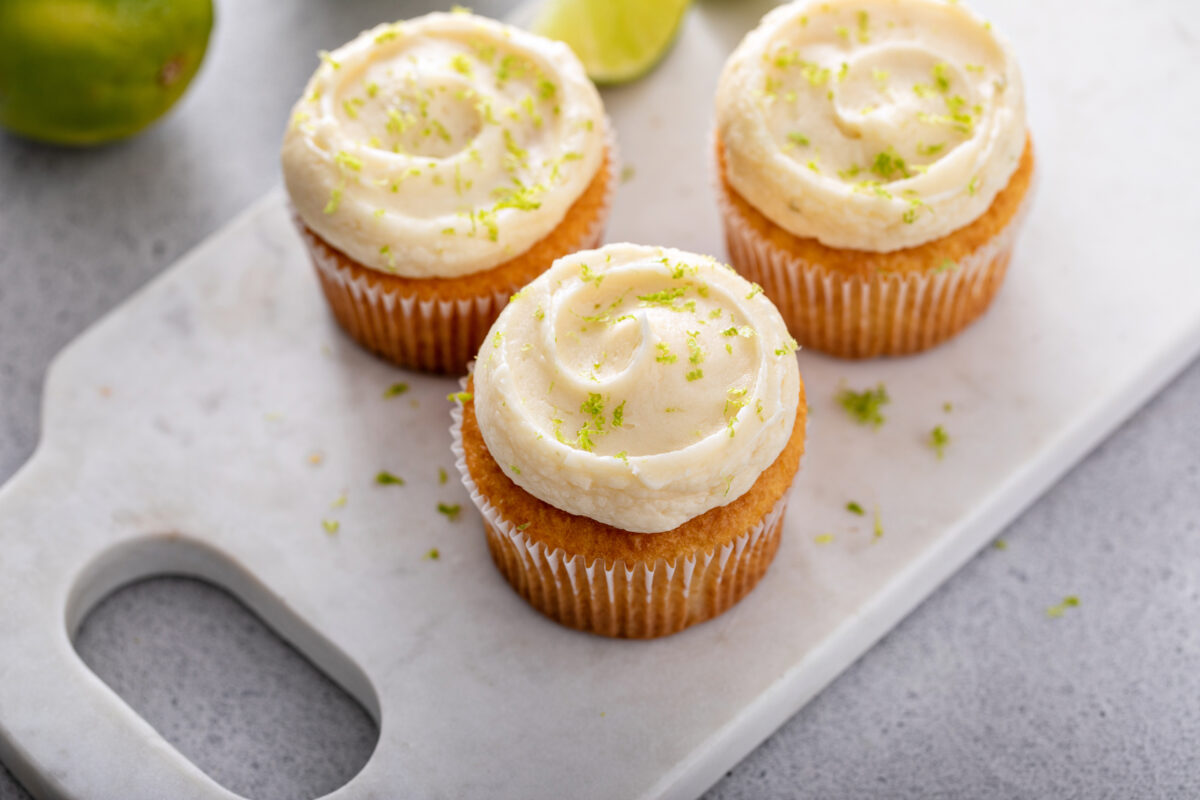
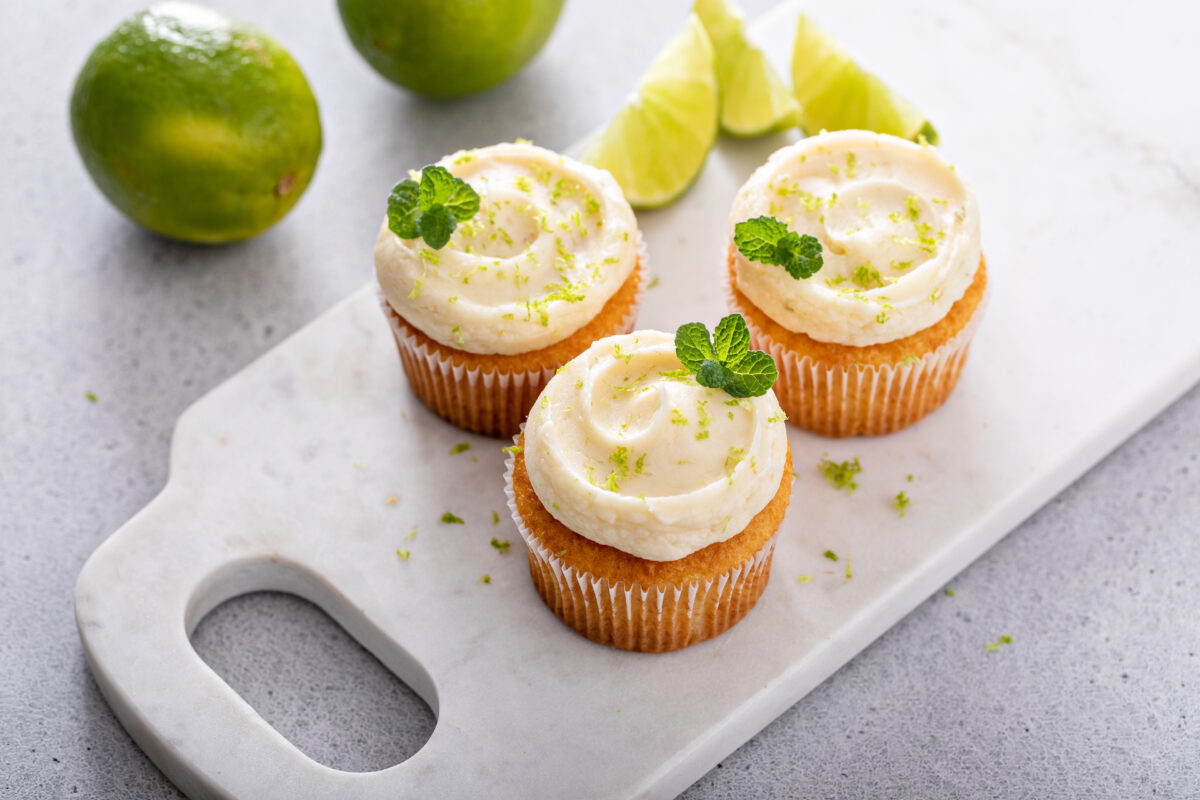
Thermal transfer requires patience. The cupcakes must reside on a wire rack until completely cooled to room temperature, ensuring that the subsequent application of lime buttercream does not liquefy from residual heat. Concurrently, the frosting is whipped from softened butter, confectioners’ sugar, fresh lime juice, lime zest, and a splash of coconut milk, beaten extensively to incorporate air and achieve a spreadable, stable consistency.
Methodological Nuances: Avoiding Common Culinary Pitfalls
Even with precise recipes, home bakers frequently encounter structural challenges that can be mitigated through professional techniques. Overmixing the batter after the introduction of flour is a primary catalyst for toughness, as it stimulates gluten development in the wheat protein. Minimizing mechanical action once the dry components are introduced preserves a tender crumb.
Another critical variable is the handling of the shredded coconut used for garnishing. Untoasted coconut provides a chewy texture, but briefly toasting the flakes—either on a sheet pan in a 325°F oven for five to eight minutes or in a dry skillet over medium-low heat—triggers the Maillard reaction. This non-enzymatic browning caramelizes natural sugars and releases toasted nutty aromas that elevate the complexity of the dessert. However, because coconut flakes possess a high surface-area-to-mass ratio, they burn rapidly; constant agitation during the final minutes of the toasting cycle is mandatory.
Adaptability and Regional Variations in Flavor Profiles
The baseline coconut-lime recipe serves as a versatile template that accommodates numerous regional and dietary variations. For a more pronounced tropical profile, bakers frequently incorporate finely diced, well-drained crushed pineapple into the batter, creating a flavor profile reminiscent of a classic piña colada. Alternatively, carving out a small conical section from the center of each cooled cupcake to insert a tart lime curd or rich coconut pastry cream introduces an unexpected textural surprise upon the first bite.
Dietary adaptations have also influenced modern recipe development. While traditional formulas rely on sweetened shredded coconut and standard dairy butter, contemporary kitchens often experiment with unsweetened coconut flakes to reduce overall sucrose levels, or substitute the buttercream with a tangy lime-infused cream cheese frosting. Each variation maintains the core identity of the dessert while catering to shifting consumer preferences for lower sugar content or distinct flavor intensities.
Economic Implications and Market Viability for Artisanal Bakeries
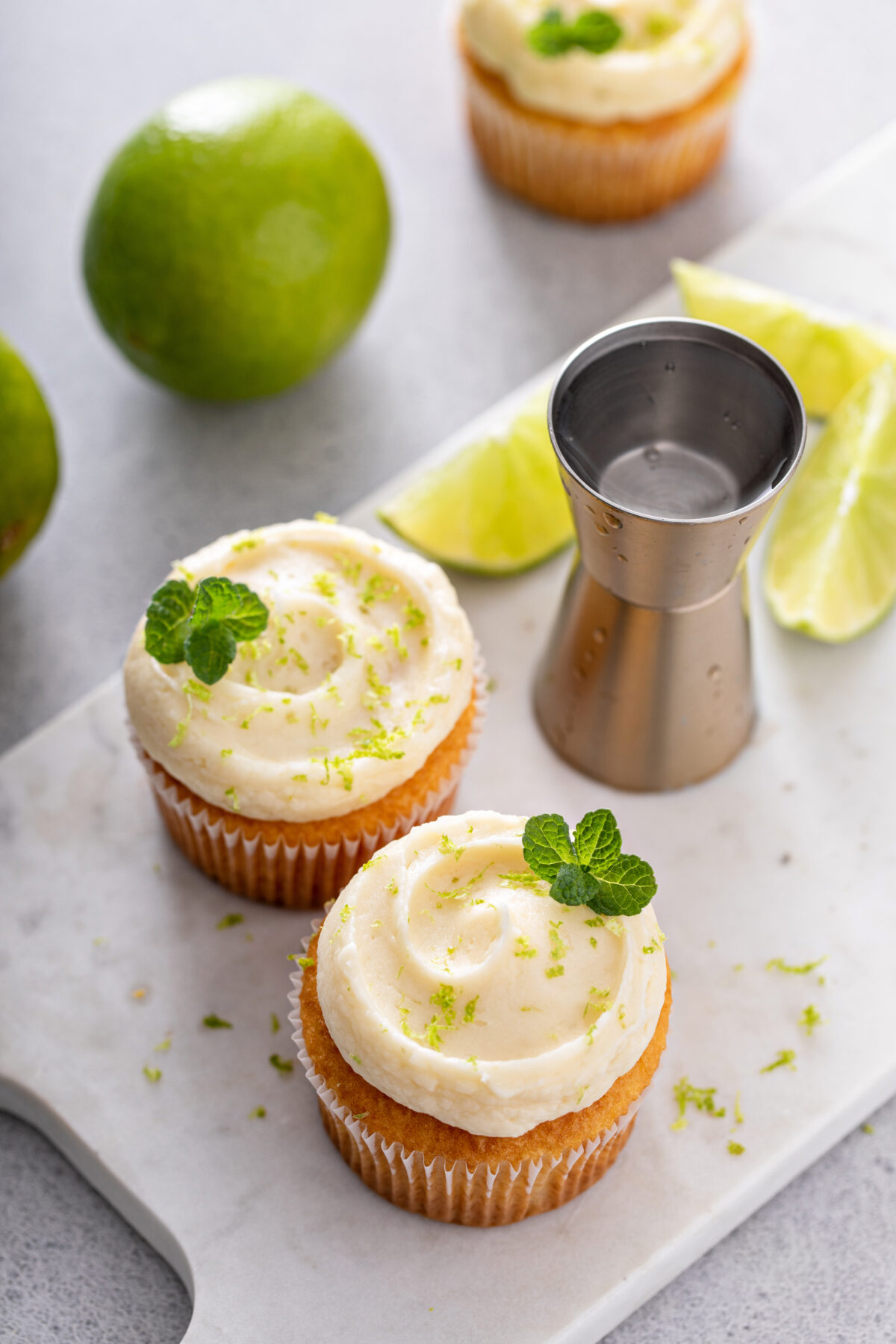
From an economic perspective, items featuring bright, seasonal flavor profiles like coconut and lime represent high-margin offerings for commercial bakeries and independent pastry shops. The ingredients are globally accessible, shelf-stable, and relatively inexpensive to source in bulk, yielding a favorable cost-of-goods-sold (COGS) ratio. Furthermore, the aesthetic appeal of vibrant green lime zest contrasted against golden toasted coconut and stark white buttercream aligns with modern consumer demands for visually shareable food products on digital platforms.
As consumer palates continue to shift toward sophisticated, nuanced flavor profiles that balance sweetness with natural acidity, classic-meets-tropical hybrids like the coconut lime cupcake secure a permanent fixture in both home kitchens and professional pastry portfolios. Through careful attention to technical execution—ranging from thermal management to precise ingredient ratios—home bakers can successfully replicate commercial-grade results, demonstrating that simple baking techniques, when executed with professional discipline, yield exceptional culinary outcomes.
Related posts: