Nourishing Your Vision: Diabetes Sisters Offers Free Resources for Eye Health and Overall Wellness

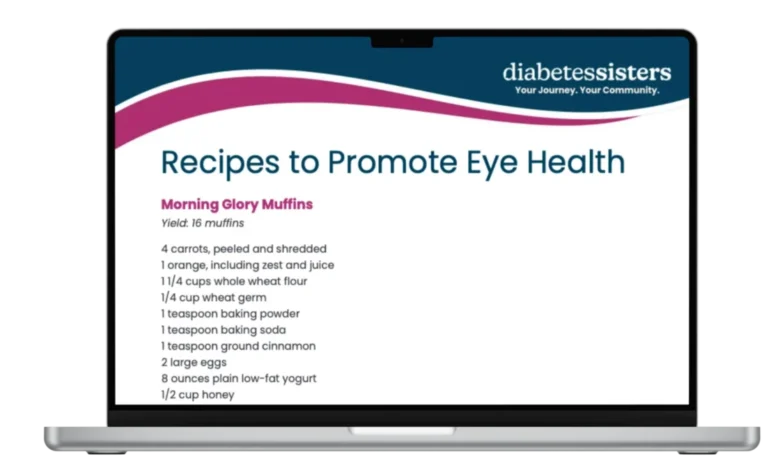
Diabetes Sisters, a leading organization dedicated to supporting individuals with diabetes, has launched a comprehensive initiative aimed at empowering its community to proactively manage their health, with a particular focus on protecting vision. The organization is offering two free, easily accessible digital resources: "Quick Tips: Nutrition and Your Eyes" and "Recipes to Promote Eye Health." These downloads are designed to provide practical, actionable guidance for individuals seeking to improve their dietary habits and, in turn, safeguard their eyesight, especially in the context of diabetes management.
The initiative arrives at a critical juncture, as diabetes remains a leading cause of preventable blindness globally. According to the World Health Organization (WHO), an estimated 422 million people worldwide have diabetes, and its complications, such as diabetic retinopathy, significantly increase the risk of vision loss. The Centers for Disease Control and Prevention (CDC) reports that approximately one-third of adults with diabetes have some form of diabetic eye disease, and many are unaware of their condition until vision loss has already occurred. This underscores the urgent need for accessible, evidence-based information that promotes preventative care.
Understanding the Connection: Diabetes and Eye Health
Diabetes can have a profound impact on eye health through a condition known as diabetic eye disease. This umbrella term encompasses several serious eye problems that can affect people with diabetes, including:
- Diabetic Retinopathy: This is the most common diabetic eye disease. High blood sugar levels damage the blood vessels in the retina, the light-sensitive tissue at the back of the eye. These vessels can swell and leak fluid or blood, or they can close off entirely. In its advanced stages, abnormal new blood vessels can grow on the surface of the retina, which are fragile and can bleed, leading to severe vision loss and blindness.
- Diabetic Macular Edema (DME): This occurs when fluid leaks from damaged blood vessels in the retina and collects in the macula, the central part of the retina responsible for sharp, detailed vision. DME can cause blurred or wavy vision and is a leading cause of vision loss among people with diabetes.
- Glaucoma: People with diabetes are nearly twice as likely to develop glaucoma as other adults. Glaucoma is a group of eye diseases that damage the optic nerve, which connects the eye to the brain. This damage is often caused by high pressure inside the eye. If left untreated, glaucoma can lead to irreversible vision loss and blindness.
- Cataracts: People with diabetes are more likely to develop cataracts at an earlier age. A cataract is a clouding of the lens of the eye, which can impair vision.
The connection between blood sugar control and eye health is well-established. Consistently high blood glucose levels over time can damage the tiny blood vessels throughout the body, including those in the eyes. Maintaining optimal blood sugar levels, along with managing blood pressure and cholesterol, are crucial pillars in preventing or delaying the onset and progression of diabetic eye disease.
The "Quick Tips: Nutrition and Your Eyes" Resource
The "Quick Tips: Nutrition and Your Eyes" download is designed to be a user-friendly guide, offering straightforward advice on how dietary choices can directly influence ocular health. The document emphasizes simple, sustainable steps that individuals can integrate into their daily routines. Key areas likely covered include:
- The Importance of Balanced Eating: This section would likely highlight the benefits of a diet rich in fruits, vegetables, whole grains, and lean proteins. It would explain how these food groups provide essential vitamins and minerals vital for eye function.
- Nutrient Powerhouses for Vision: The tips will likely delve into specific nutrients known to support eye health. This includes:
- Vitamin A: Crucial for the function of the retina and important for night vision. Sources include carrots, sweet potatoes, spinach, and liver.
- Vitamin C: A powerful antioxidant that can help protect the eyes from damage caused by free radicals. It is also believed to reduce the risk of developing cataracts and macular degeneration. Citrus fruits, berries, bell peppers, and broccoli are excellent sources.
- Vitamin E: Another potent antioxidant that helps protect eye cells from damage. Nuts, seeds, and vegetable oils are good sources.
- Omega-3 Fatty Acids: Particularly DHA, which is a major structural component of the retina. They play a role in preventing dry eye syndrome and may help reduce the risk of macular degeneration. Fatty fish like salmon, mackerel, and sardines are rich in omega-3s, as are flaxseeds and walnuts.
- Lutein and Zeaxanthin: These are carotenoids found in leafy green vegetables and egg yolks that accumulate in the macula and help filter harmful blue light, protecting the eyes from damage.
- The Role of Regular Eye Exams: Beyond nutrition, the resource will likely underscore the non-negotiable importance of routine comprehensive eye examinations. Early detection of diabetic eye disease is paramount, as many stages are asymptomatic. Guidelines from organizations like the American Academy of Ophthalmology recommend that individuals with diabetes have a dilated eye exam at least once a year, or more frequently if recommended by their eye care professional.
- Hydration: While not a direct nutrient, adequate water intake is essential for overall health, including maintaining the moisture balance in the eyes and preventing dry eye symptoms, which can be exacerbated in individuals with diabetes.
The "Quick Tips" resource aims to demystify nutritional science, making it accessible and actionable for individuals managing diabetes. By providing simple, actionable advice, Diabetes Sisters hopes to empower its members to take control of their eye health through informed food choices.
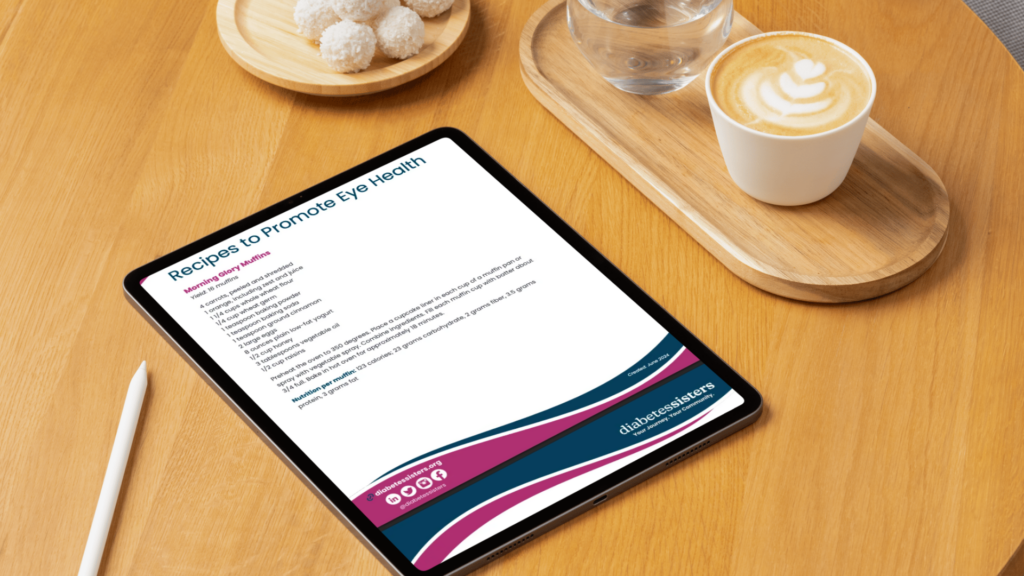
The "Recipes to Promote Eye Health" Resource
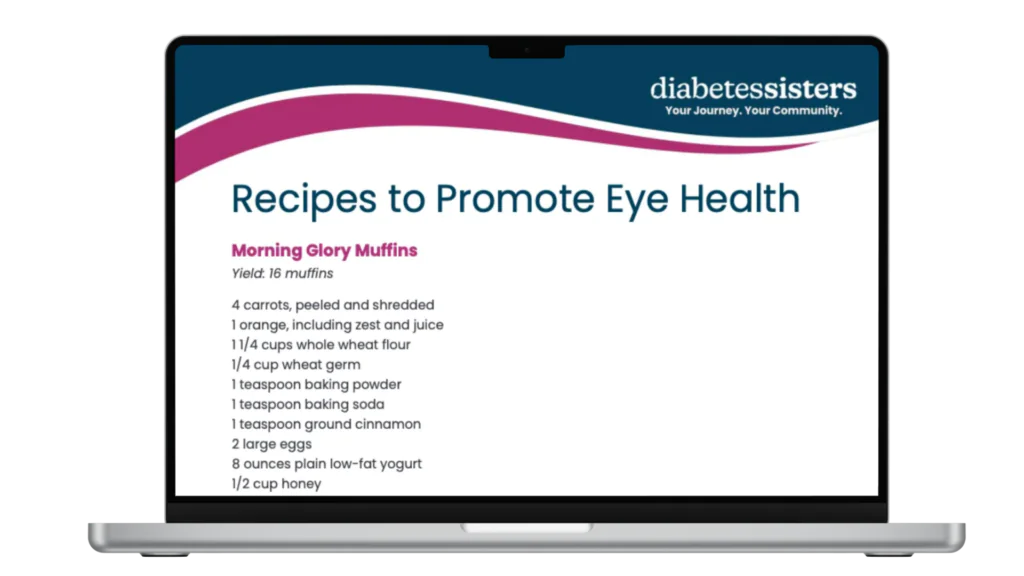
Complementing the nutritional advice, the "Recipes to Promote Eye Health" download offers a practical culinary guide. This resource is specifically tailored to be "diabetes-friendly," meaning the recipes are designed to be suitable for individuals managing their blood glucose levels. This is a critical consideration, as balanced blood sugar is foundational to preventing diabetic eye complications.
The recipes are expected to showcase delicious and nutritious meals that are rich in the eye-healthy nutrients previously mentioned. This approach transforms abstract nutritional advice into tangible, enjoyable meals. Potential recipe themes could include:
- Breakfast Ideas: Incorporating ingredients like berries, nuts, seeds, and whole grains.
- Lunch and Dinner Entrees: Featuring lean proteins, abundant vegetables, and healthy fats, prepared using cooking methods that are diabetes-friendly (e.g., baking, grilling, steaming).
- Snack Options: Providing healthy alternatives to processed snacks, focusing on fruits, vegetables, and nuts.
- Salad and Side Dish Innovations: Demonstrating how to create flavorful and nutrient-dense accompaniments to meals.
The emphasis on "diabetes-friendly" recipes is particularly significant. It acknowledges that managing diabetes often involves dietary restrictions and careful carbohydrate counting. By providing recipes that are both healthy for the eyes and suitable for a diabetic diet, Diabetes Sisters is addressing a common challenge faced by its community. These recipes are likely to be developed with input from registered dietitians or certified diabetes care and education specialists (CDCES), ensuring their nutritional accuracy and appropriateness.
A Proactive Approach to Long-Term Wellness
The dual offering of "Quick Tips" and "Recipes" represents a holistic strategy for promoting long-term wellness within the diabetes community. It moves beyond simply treating the condition to actively preventing its most debilitating complications.
- Empowerment through Knowledge: By providing accessible, easy-to-understand information, Diabetes Sisters is empowering individuals to become active participants in their own healthcare. This knowledge can lead to greater adherence to dietary recommendations and proactive engagement with healthcare providers.
- Bridging the Gap: Often, individuals with diabetes may struggle to translate general health advice into practical, everyday actions. The recipe collection directly addresses this gap, offering concrete meal solutions.
- Preventative Care Focus: The initiative strongly aligns with public health recommendations emphasizing preventative care. The economic and personal costs of vision loss due to diabetes are substantial. Investing in preventative strategies through accessible resources like these can yield significant returns in terms of individual quality of life and reduced healthcare burdens.
- Community Support: Diabetes Sisters, as an organization, plays a vital role in fostering a sense of community and shared experience. By providing these resources, they are reinforcing their commitment to supporting individuals through various aspects of their diabetes journey, including managing specific complications.
Expert Endorsement and Author Contributions
The resources are authored by Janice MacLeod MA RD CDCES FADCES, a recognized expert in the field of diabetes and cardiometabolic health. MacLeod’s extensive experience as a registered dietitian (RD) and certified diabetes care and education specialist (CDCES) lends significant credibility to the information provided. Her dual role as a "diabetes-cardiometabolic consultant and thought leader in digital health and chronic condition management" suggests a forward-thinking approach to health education, leveraging digital platforms to reach and support a wider audience.
The inclusion of an expert author signifies a commitment to evidence-based practice and accurate dietary guidance. This is particularly important when dealing with health conditions like diabetes, where misinformation can have serious consequences. The fact that these resources are offered free of charge further enhances their accessibility and impact, removing potential financial barriers to essential health information.
Broader Implications for Diabetes Management
The initiative by Diabetes Sisters highlights a growing trend in healthcare: the integration of nutrition and lifestyle interventions as fundamental components of chronic disease management. For individuals with diabetes, this approach is not merely supplementary but essential. The long-term consequences of poorly managed diabetes can extend far beyond blood sugar levels, affecting nearly every organ system in the body.
The availability of such resources can also contribute to a shift in the patient-provider relationship. When patients are equipped with practical tools and knowledge, they can engage in more informed discussions with their healthcare teams, leading to more personalized and effective care plans. This collaborative approach is crucial for long-term success in managing a complex condition like diabetes.
Furthermore, the focus on eye health through nutrition is a testament to the interconnectedness of various aspects of well-being. What is good for the eyes is often good for the heart, kidneys, and overall metabolic health, underscoring the systemic benefits of a balanced, nutrient-dense diet in the context of diabetes.
Accessibility and Future Outlook
The digital format of these resources ensures broad accessibility, allowing individuals to download and utilize them at their convenience. This is particularly beneficial for those who may face mobility challenges or live in areas with limited access to in-person health education programs. The integration with a simple form submission for download is a standard and effective method for tracking engagement and potentially reaching out to users with further relevant information.
The image provided, a mock-up of a desktop wallpaper, suggests that these resources are designed to be visually appealing and easily integrated into a user’s digital environment, serving as a constant reminder of the importance of eye health and nutrition.
Looking ahead, such initiatives underscore the evolving landscape of diabetes care, where education, empowerment, and preventative strategies are increasingly at the forefront. As research continues to illuminate the intricate links between diet, lifestyle, and disease management, organizations like Diabetes Sisters are crucial in translating this knowledge into actionable tools for their communities. The long-term impact of this program will likely be measured not only in increased awareness but also in tangible improvements in the visual health and overall quality of life for individuals living with diabetes. The organization’s commitment to providing these free, expert-backed resources represents a significant contribution to the ongoing effort to combat the complications of diabetes and promote sustained well-being.