
To get people to eat less meat make this one small change – To get people to eat less meat, make this one small change: start by substituting one meat-based meal a week with a delicious plant-based alternative. This simple shift can have a surprisingly big impact on your health, the environment, and even your wallet. Cutting down on meat isn’t about deprivation; it’s about exploring new flavors, discovering hidden nutritional gems in plants, and making conscious choices that benefit your well-being and the planet.
This post will delve into how easy it is to reduce your meat consumption and explore exciting ways to replace your usual meat meals.
Reducing meat consumption is a journey, not a destination. This guide explores the motivations behind dietary changes, the challenges, and the numerous delicious options available. From simple swaps to comprehensive dietary overhauls, we’ll equip you with the knowledge and tools to make sustainable changes to your lifestyle.
Understanding Dietary Changes: To Get People To Eat Less Meat Make This One Small Change
Embarking on a journey to reduce meat consumption can be a multifaceted process, encompassing a spectrum of motivations, challenges, and dietary approaches. This exploration delves into the complexities of these changes, highlighting the diverse paths individuals take and the factors influencing their decisions. From the practical hurdles of finding suitable alternatives to the deeply personal reasons behind the shift, this discussion provides a comprehensive overview.Dietary changes are not a one-size-fits-all endeavor.
The reasons for wanting to consume less meat are varied, ranging from environmental concerns and health considerations to ethical and religious beliefs. The journey to reducing meat intake often involves navigating a maze of information, from the nuances of different dietary philosophies to the practicalities of meal planning.
Challenges Associated with Reducing Meat Consumption
Transitioning to a diet with reduced meat consumption can present various challenges. Finding satisfying and nutritious meat alternatives can be difficult, particularly for those accustomed to a diet rich in meat-based proteins. Adjusting meal plans to accommodate new dietary choices and ensuring adequate nutrient intake requires careful planning and potentially the inclusion of supplements. Social factors, such as family meals and cultural traditions, can also play a significant role in the difficulty of implementing these changes.
Furthermore, the availability and cost of meat substitutes can vary depending on location and socioeconomic factors.
Motivations Behind Reducing Meat Consumption
Individuals are driven by a multitude of motivations when considering reducing their meat intake. Environmental concerns, such as the impact of animal agriculture on climate change and resource depletion, are prominent. Health concerns, including potential reductions in saturated fat and cholesterol, often play a significant role. Ethical considerations related to animal welfare and the treatment of livestock frequently motivate individuals to choose meat-reduced diets.
Personal preferences for taste and texture, or a desire for a more diverse culinary experience, also contribute to the decision-making process.
Types of Dietary Changes
A wide range of dietary changes can be considered to reduce meat consumption. Vegetarianism, where animal flesh is completely excluded, and veganism, which extends this exclusion to all animal products, are well-known options. A flexitarian approach, where meat consumption is significantly reduced but not eliminated, offers a more gradual transition. Individuals may also choose to focus on specific types of meat reduction, such as reducing red meat consumption while maintaining poultry or fish.
The choice of approach is highly individualized, reflecting personal values, preferences, and health goals.
Comparison of Dietary Approaches
Different dietary approaches for reducing meat consumption have varying pros and cons. Vegetarianism and veganism offer a complete elimination of animal products, potentially leading to significant health benefits and reduced environmental impact. However, strict adherence can require careful attention to nutrient intake and supplementation to ensure a balanced diet. The flexitarian approach provides a more flexible and accessible path to meat reduction, allowing for occasional meat consumption and integration into existing dietary patterns.
This approach might be more sustainable for many individuals.
Factors Influencing Consumer Decisions
Several factors influence consumer decisions related to meat reduction. Health concerns, environmental awareness, and ethical considerations are among the most impactful. Economic factors, such as the cost of meat substitutes, and social pressures, including family expectations and cultural norms, also play a role. Accessibility of alternative food options, including the availability and quality of plant-based proteins, and the ease of integrating these options into daily routines are important aspects.
Personal values and beliefs are pivotal in shaping dietary choices.
Role of Personal Preferences in Dietary Choices
Personal preferences significantly influence dietary choices. Taste, texture, and culinary experiences play a substantial role in food preferences. Individuals may prefer the taste and texture of meat-based dishes, and altering these preferences can be challenging. Furthermore, cultural traditions and family preferences often dictate dietary habits, and adjusting these patterns can be emotionally complex. Consequently, personal preferences must be considered in developing a sustainable and enjoyable dietary plan.
Dietary Approaches and Impact on Meat Intake
| Dietary Approach | Description | Potential Impact on Meat Intake |
|---|---|---|
| Vegetarian | Excludes all meat and animal products. | Complete elimination of meat. |
| Vegan | Excludes all animal products, including meat, dairy, and eggs. | Complete elimination of meat and all animal products. |
| Flexitarian | Reduces meat consumption significantly but does not eliminate it entirely. | Significant reduction in meat consumption, with occasional meat consumption. |
| Pescatarian | Includes fish and seafood, but excludes all other meat. | Reduction in meat intake, with fish and seafood consumption. |
Small Changes for Meat Reduction
Embarking on a journey to reduce meat consumption doesn’t necessitate drastic overnight transformations. Instead, focusing on small, incremental changes can lead to significant long-term results, fostering a healthier relationship with food and the environment. These manageable steps, when consistently practiced, pave the way for sustainable dietary shifts.A mindful approach to reducing meat consumption acknowledges the psychological factors influencing our choices.
Understanding these influences empowers us to make conscious decisions aligned with our values and goals. By breaking down the process into manageable steps, we increase the likelihood of lasting behavioral change.
Actionable Steps for Meat Reduction
A gradual approach to meat reduction is key to long-term success. Implementing small, consistent changes makes the transition smoother and more sustainable. These actions don’t require major life overhauls, but rather subtle adjustments to existing routines.
Want to get people to eat less meat? It’s surprisingly simple. Just subtly shift the focus from “meat-centric” meals to “vegetable-forward” ones. It’s a small change, like the funny lies we tell kids, funny lies we tell kids , that can significantly impact our eating habits over time. This subtle approach is key to making a real difference in our dietary choices.
- Replace one meat-centric meal per week with a plant-based alternative. This could be a vegetarian chili, lentil soup, or a hearty vegetable stir-fry. Replacing one meal a week gradually reduces reliance on meat without feeling deprived.
- Choose plant-based protein sources more frequently. Legumes, tofu, tempeh, and nuts provide valuable protein and can be incorporated into various meals. This diversification enriches the diet and reduces reliance on meat.
- Reduce meat portions at meals where it’s traditionally a significant component. A smaller portion of meat, paired with a larger portion of vegetables, can still satisfy hunger while reducing meat consumption.
- Introduce meatless Mondays. Dedicate one day of the week to entirely meat-free meals, creating a consistent habit of exploring plant-based options.
- Explore vegetarian or vegan recipes. Discovering new recipes and cuisines can expand dietary options and provide exciting, meat-free alternatives.
- Opt for meat alternatives in specific meals. Meat substitutes like veggie burgers or plant-based sausages can be used in familiar dishes, gradually easing the transition to meat-reduced meals.
- Include meat-free dishes in family meals. Involving family members in preparing and consuming meat-free options fosters a more inclusive and diverse dining experience.
- Choose leaner cuts of meat when necessary. Leaner cuts reduce the overall consumption of meat, contributing to a more balanced diet.
- Plan meals in advance. Creating a weekly meal plan incorporating meat-free options ensures that plant-based choices are readily available and considered.
- Cook extra portions and freeze for future meals. This strategy helps to have meat-free options readily available throughout the week, reducing the temptation to resort to meat-based meals.
Psychological Factors in Adoption
Understanding the psychological aspects of change is critical for long-term success. Cognitive dissonance, the discomfort associated with conflicting beliefs, plays a role in adapting to dietary shifts. Overcoming this requires a positive mindset and a focus on the benefits of reduced meat consumption. This can be achieved by framing the change as an improvement rather than a sacrifice.
Gradual Changes for Sustainability
Gradual changes are essential for sustainable meat reduction. Implementing small steps fosters a more comfortable transition and minimizes feelings of deprivation. This approach maximizes the likelihood of long-term adherence to the new dietary pattern. Building healthy habits is a marathon, not a sprint.
One small change to get people to eat less meat could be focusing on the emotional connection to food. Often, we eat meat out of habit, not necessarily hunger. Addressing the underlying reasons for our food choices, much like the vital, but often lacking, mental health services available in our communities, ( services lacking for mental health ), could pave the way for a more conscious approach to diet.
Ultimately, this conscious approach, rather than strict restrictions, is key to sustainable dietary changes.
Incorporating Changes into Daily Routines, To get people to eat less meat make this one small change
Small changes can be seamlessly integrated into existing routines. For example, planning a meat-free weeknight meal ahead of time ensures that plant-based options are available. Similarly, using meat alternatives in familiar recipes can ease the transition to a more plant-based diet.
Impact Comparison Table
| Change | Impact on Meat Reduction | Psychological Impact |
|---|---|---|
| Replace one meat meal per week | Moderate | Low |
| Increase plant-based protein | Significant | Moderate |
| Reduce meat portions | Moderate | Low |
| Meatless Mondays | Moderate | Low |
| Explore new recipes | Moderate | Moderate |
| Use meat alternatives | Moderate to High | Low to Moderate |
| Incorporate meat-free in family meals | High | Moderate |
| Choose leaner cuts | Moderate | Low |
| Meal planning | Moderate | Moderate |
| Freezing extra portions | Moderate | Low |
Dietary Alternatives and Substitutions
Embarking on a journey to reduce meat consumption often sparks curiosity about viable alternatives. This exploration delves into a realm of plant-based protein sources, offering delicious and nutritious options to satisfy your taste buds and dietary needs. We’ll examine recipes, nutritional profiles, and creative applications of these alternatives, ultimately providing a comprehensive guide to seamless integration into various cuisines.Understanding the nutritional equivalence and taste profiles of plant-based proteins is key to successful meat reduction.
This section provides detailed insights into the potential substitutes, ensuring a smooth transition for anyone aiming to lessen their meat intake.
Plant-Based Protein Sources
A wealth of plant-based protein sources is available, offering a diverse range of nutritional benefits. These options can be incorporated into various meals, replacing meat and enriching your diet with essential nutrients.
- Legumes (beans, lentils, chickpeas): These are excellent sources of protein, fiber, and various vitamins and minerals. They can be used in soups, stews, salads, and as a base for veggie burgers.
- Tofu and tempeh: These soy-based products offer a firm texture that can be used in stir-fries, curries, or as a substitute for meat in various dishes.
- Nuts and seeds: Almonds, walnuts, chia seeds, and flax seeds are packed with protein, healthy fats, and fiber. They can be enjoyed as snacks, added to smoothies, or incorporated into baked goods.
- Quinoa and other grains: These complete proteins offer a satisfying and nutritious alternative to meat in salads, bowls, and as a side dish.
- Vegetables: Certain vegetables, such as broccoli, spinach, and asparagus, contain significant amounts of protein, complementing your meals and adding bulk.
Meatless Dish Recipes
Transforming traditional meat-based dishes into meatless versions can be surprisingly simple and delicious.
- “Beefy” Lentil Soup: Lentils, seasoned with herbs and spices, create a hearty and flavorful soup that mirrors the richness of beef broth. This recipe can be easily adapted to include vegetables and spices that enhance the flavor.
- “Chicken” Tofu Stir-fry: Crumbled tofu, marinated in a flavorful sauce, is stir-fried with vegetables, replicating the texture and taste of chicken in a stir-fry. The sauce can be adjusted to suit your preferred spice level.
- “Sausage” Plant-Based Patties: Combining lentils, spices, and breadcrumbs forms a patty that holds its shape and texture well, mimicking the familiar taste of sausage in sandwiches or on pizza.
Nutritional Value Comparison
Plant-based proteins often offer a more complete nutritional profile than meat, including essential vitamins and minerals.
“While meat can provide iron and vitamin B12, plant-based proteins often are rich in fiber, antioxidants, and other nutrients beneficial for overall health.”
| Food | Protein (g/100g) | Fiber (g/100g) | Iron (mg/100g) |
|---|---|---|---|
| Chicken Breast | 30 | 0 | 2.9 |
| Lentils | 25 | 15 | 3.6 |
| Tofu | 8 | 1 | 1.5 |
| Quinoa | 4 | 5 | 1.5 |
Creative Applications in Various Cuisines
Plant-based proteins are adaptable to a wide range of cuisines.
To get people to eat less meat, a surprisingly simple change could be key: becoming more aware of the hidden chemicals in our food supply. A new test can detect exposure to 700 everyday chemicals, highlighting the potential impact of our diets on our overall health. This awareness, in turn, might encourage more mindful choices about meat consumption, leading to a gradual shift towards a more sustainable and healthier diet.
- Indian Cuisine: Legumes and lentils are staples, offering a rich protein source for curries, dals, and vegetable dishes.
- Mediterranean Cuisine: Hummus, falafel, and other dishes made from chickpeas and other legumes are delicious and satisfying meat alternatives.
- Asian Cuisine: Tofu and tempeh are versatile ingredients that can be used in stir-fries, noodles, and other Asian-inspired dishes.
Practical Implementation and Sustainability
Embarking on a journey to reduce meat consumption requires a practical approach that prioritizes sustainability. It’s not about overnight transformations, but rather about weaving gradual changes into your existing lifestyle. This section delves into strategies for implementing these changes effectively and ensuring long-term adherence. Success hinges on understanding the nuances of meal planning, recipe adaptation, and the critical role of social support.A crucial aspect of sustainable dietary change is the ability to seamlessly integrate new habits into daily routines.
This involves understanding the challenges, planning for potential obstacles, and proactively seeking support to navigate the process. Adapting existing recipes and incorporating new, plant-based alternatives requires creativity and planning, but the rewards of a healthier and more sustainable lifestyle make it worthwhile.
Strategies for Meal Planning and Preparation
Successful meat reduction often begins with a mindful approach to meal planning. This proactive strategy helps you anticipate dietary needs and incorporate plant-based alternatives without feeling overwhelmed. Planning meals in advance can significantly reduce impulsive choices and help ensure a balanced diet. Create a weekly meal plan outlining dishes and ingredients needed. Consider prepping ingredients on the weekend to save time during the week.
Adapting Existing Recipes
Many familiar recipes can be easily adapted to incorporate meat reduction. This doesn’t mean sacrificing flavor or enjoyment; it’s about creative substitution. For example, a hearty stew can be transformed into a lentil or vegetable-based stew with similar flavors and textures. Consider using plant-based protein sources like lentils, beans, tofu, or tempeh as substitutes for meat in dishes.
Experiment with different spices and herbs to enhance the flavor profiles of your plant-based meals.
The Importance of Social Support and Community Engagement
Sharing your journey with friends, family, or online communities can be invaluable. Support groups, whether virtual or in-person, offer encouragement, recipe ideas, and a sense of community. Social support can be a powerful motivator, providing accountability and shared experiences. Surround yourself with people who understand and support your dietary goals.
Affordability and Accessibility of Plant-Based Alternatives
The affordability and accessibility of plant-based alternatives can vary greatly depending on location and individual circumstances. Local farmers markets and grocery stores often offer a range of affordable plant-based protein sources. Consider exploring budget-friendly options like beans, lentils, and rice to incorporate more plant-based meals into your routine. Community gardens and food banks can be valuable resources in accessing affordable, fresh produce.
Addressing Potential Challenges
Adopting a new dietary pattern can present challenges. Potential challenges might include concerns about taste, texture, or the time commitment involved in preparing plant-based meals. Addressing these concerns with open-mindedness and a willingness to experiment can make the transition smoother.
Methods for Integrating Plant-Based Alternatives
| Meal Category | Plant-Based Alternative | Recipe Adaptation Example |
|---|---|---|
| Breakfast | Tofu scramble | Replace eggs with crumbled tofu in breakfast recipes, adding spices for flavor |
| Lunch | Lentil soup | Use lentils as a base for a hearty and flavorful soup, adding vegetables and spices |
| Dinner | Vegetable stir-fry | Create a vibrant stir-fry with a variety of vegetables and plant-based protein sources like tofu or tempeh |
| Snacks | Edamame | Enjoy steamed or roasted edamame as a healthy and satisfying snack |
Visual Representation and Engagement
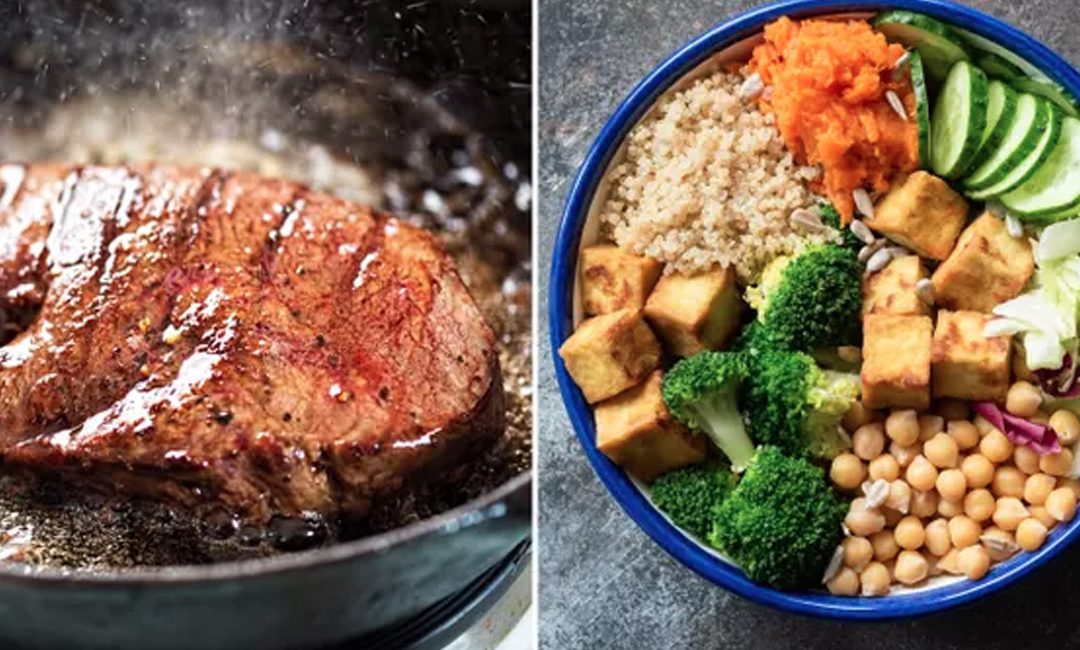
Making the shift towards a more plant-based diet can feel overwhelming. However, focusing on small, incremental changes can make a significant difference over time. Visual representations and engaging examples can be powerful tools to illustrate the impact of these choices and inspire others to join the journey. Visual aids and relatable stories can make the process more accessible and less daunting.
Simple Infographic Illustrating Impact
A compelling infographic showcasing the impact of a single small change over time can be extremely effective. The infographic could depict a bar graph illustrating weekly meat consumption. The first week shows a typical meat consumption level. Subsequent weeks illustrate a reduction, starting with replacing one meat-heavy meal with a plant-based alternative. Over time, the graph visually represents the cumulative impact of these small choices.
The graph should visually display the gradual decline in meat consumption, demonstrating that consistent small changes can achieve substantial results. This will demonstrate the snowball effect of sustained effort. The visual representation should highlight the overall reduction in meat consumption over a given period, reinforcing the positive impact of consistent small changes.
Step-by-Step Guide for Incorporating Plant-Based Meals
A step-by-step guide can be a practical tool for implementing plant-based meals into existing diets. It can be structured as follows:
- Week 1: Introduction to Plant-Based Alternatives: Identify one meal a week to replace with a plant-based alternative. Focus on simple swaps like swapping a burger for a lentil burger or chicken for tofu. This phase should focus on making the switch effortless and manageable.
- Week 2-4: Expanding Plant-Based Choices: Introduce plant-based alternatives to other meals. Explore different cuisines and recipes to avoid monotony. This phase should introduce the concept of variety and culinary exploration.
- Week 5-8: Integrating Plant-Based Dishes: Introduce plant-based meals into more meals throughout the week. Start incorporating plant-based dishes into breakfast, lunch, and dinner, aiming for a balance across the day. This phase should focus on integrating plant-based eating into the whole daily routine.
- Week 9-12: Sustaining the Change: Review progress, celebrate successes, and make adjustments as needed. Reflect on how plant-based meals fit into the existing routine and make adjustments based on personal preferences and needs. This phase emphasizes the importance of long-term sustainability.
Compelling Story of Meat Reduction
A compelling story can be incredibly impactful. Consider a narrative about someone who initially reduced meat consumption by simply swapping one meat-heavy meal a week with a plant-based alternative. The story could follow their journey, highlighting the positive changes they experienced in their health, energy levels, and environmental consciousness. This would demonstrate that even a single small change can have far-reaching consequences.
This story can be used to inspire others by showing a relatable example.
Inspiring Examples of Individuals
Sharing inspiring examples of individuals who have successfully reduced their meat intake can be highly motivational. These stories should highlight the individual’s journey, their motivations, and the specific strategies they employed to achieve their goals. Sharing these stories can showcase the diverse approaches people take and inspire others to consider similar changes. These examples can include personal narratives from individuals who successfully reduced their meat intake.
Plant-Based Recipes Table
This table provides visually appealing plant-based recipes, highlighting clear instructions and ingredient lists.
| Dish | Ingredients | Instructions |
|---|---|---|
| Lentil Shepherd’s Pie | Lentils, vegetables, mashed potatoes | Sauté vegetables, cook lentils, layer with mashed potatoes |
| Vegan Chili | Beans, vegetables, spices | Sauté vegetables, add beans and spices, simmer |
| Tofu Scramble | Tofu, vegetables, spices | Crumble tofu, sauté vegetables, add spices, scramble |
| Vegetable Curry | Various vegetables, coconut milk, spices | Sauté vegetables, add spices and coconut milk, simmer |
Final Thoughts
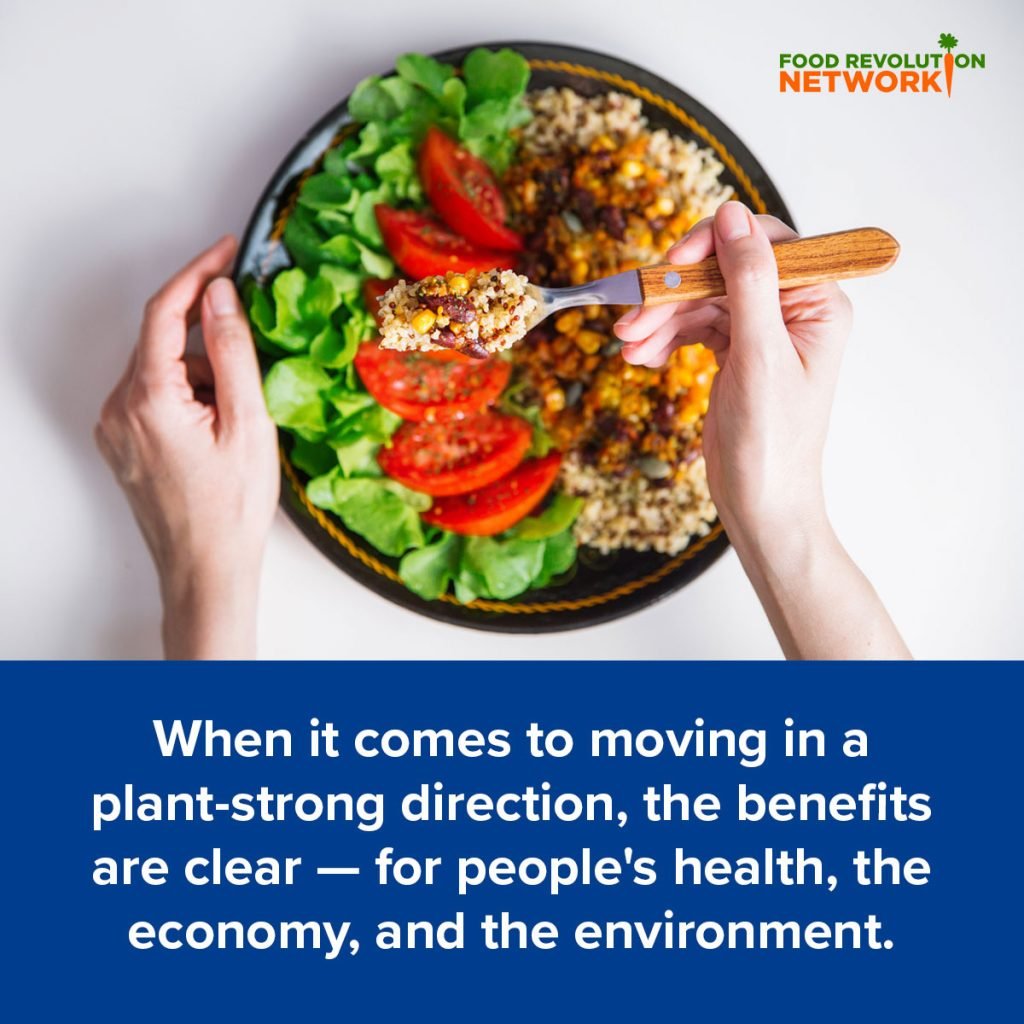
In conclusion, reducing meat consumption doesn’t require drastic measures. Small, manageable changes, like swapping one meal a week, can lead to significant positive impacts. Exploring plant-based alternatives, understanding the nutritional value of these options, and incorporating them into your existing meal routines are all crucial aspects of this journey. This post has Artikeld a roadmap to achieve sustainable meat reduction, empowering you to make informed choices that benefit your health, the environment, and your overall well-being.
Embrace the possibilities of a more plant-forward lifestyle!
