Traveling with medical marijuana TSA presents a unique set of challenges and considerations for patients. Navigating federal and state laws, understanding TSA regulations, and securing proper documentation are crucial for a smooth and safe journey. This comprehensive guide delves into the complexities of transporting medical cannabis across the country, offering insights into legal frameworks, potential pitfalls, and practical strategies for avoiding issues.
From understanding the legal nuances of different states and the potential penalties for non-compliance to the specifics of TSA guidelines and the types of documentation required, this guide provides a thorough examination of the issues involved in traveling with medical marijuana. We’ll also explore alternative methods for managing medical conditions while traveling, and the importance of open communication with airlines and transportation providers.
Legal Considerations
Navigating the legal landscape surrounding medical marijuana can be tricky, especially when traveling. Understanding the complex interplay of federal and state laws is crucial for avoiding potential issues. This section delves into the legal nuances of transporting medical marijuana across state lines, highlighting the varying regulations and potential penalties.
Federal and State Laws
The federal government classifies marijuana as a Schedule I drug, making it illegal under federal law. However, individual states have legalized medical marijuana, allowing for its use and possession under specific conditions. This creates a significant conflict between federal and state laws, impacting individuals’ rights and responsibilities. The legality of medical marijuana varies significantly from state to state, creating a complex patchwork of regulations that travelers must carefully consider.
Legality of Interstate Transport
The legality of transporting medical marijuana across state lines is highly dependent on the specific laws of both the state where the marijuana is sourced and the state where it is intended to be used. While some states may have explicit provisions allowing for the transport of medical marijuana across state lines, others may prohibit such transport. It is crucial for individuals to familiarize themselves with the laws of both their origin and destination states.
Potential Penalties, Traveling with medical marijuana tsa
Violating federal or state laws related to medical marijuana can result in significant penalties, ranging from fines to imprisonment. The severity of penalties often depends on factors like the quantity of marijuana transported, the individual’s prior record, and the specific circumstances surrounding the violation. It is essential to consult with legal counsel or relevant authorities to ensure compliance with all applicable regulations.
Transportation Regulations
Transportation regulations for medical marijuana vary depending on the mode of transportation. Air travel often presents unique challenges due to stringent security measures. Land travel, while not always as strictly regulated as air travel, still requires awareness of state laws. Sea travel involves similar considerations to land travel, with the added complexity of international laws if crossing borders.
Navigating TSA regulations with medical marijuana can be tricky, but finding the perfect mattress for your needs is equally important. If you’re looking to upgrade your sleep, checking out the bear hybrid vs bear mattress comparison might be helpful, but remember to prioritize the correct documentation for your medical marijuana when traveling. It’s all about careful planning and ensuring you’re prepared for the journey ahead.
Types of Medical Marijuana
The legal frameworks for different types of medical marijuana can vary. For instance, the legality and regulations surrounding cannabis concentrates, edibles, and other forms of processed marijuana may differ from those concerning raw cannabis. The specific form of the medical marijuana may influence the legal ramifications of transportation, so thorough research is necessary.
Impact of Recent Legislative Changes
Recent legislative changes have altered the legal landscape of medical marijuana in some states. These changes can affect travel plans, potentially making transportation of medical marijuana easier or more difficult depending on the specific legislation. It’s vital to stay informed about any recent legal developments that might impact travel plans involving medical marijuana.
Legality in US States
| State | Legal Status | Notes |
|---|---|---|
| California | Legal | Wide range of products and use cases allowed. |
| New York | Legal | Strict regulations and requirements. |
| Texas | Illegal | Medical marijuana is not permitted. |
| Florida | Legal | Limited access to patients. |
This table provides a snapshot of the legal status of medical marijuana in various US states. It is crucial to note that this is not an exhaustive list and regulations can change over time. Always consult the most up-to-date resources and legal counsel before traveling with medical marijuana.
TSA Regulations
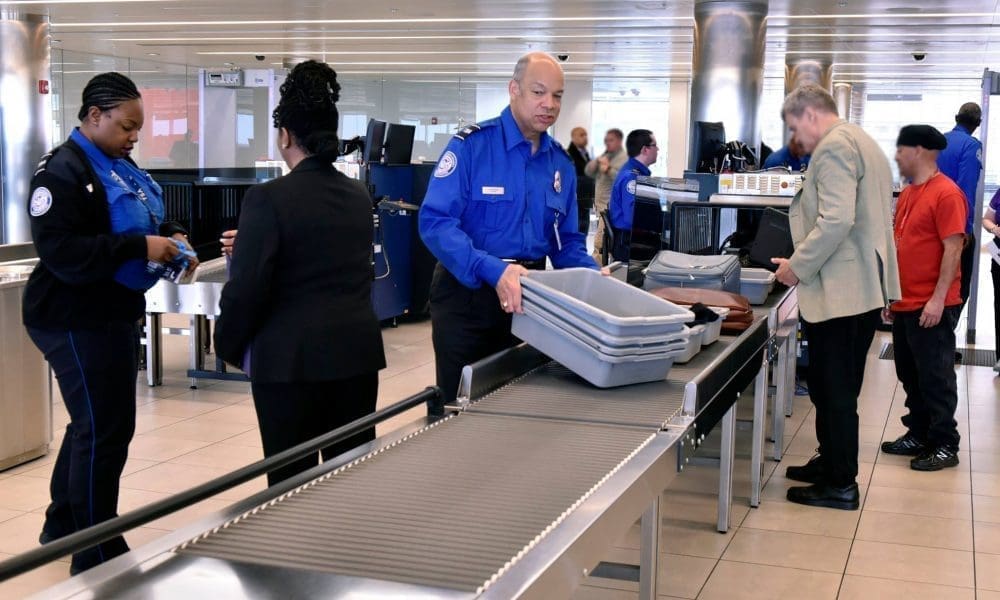
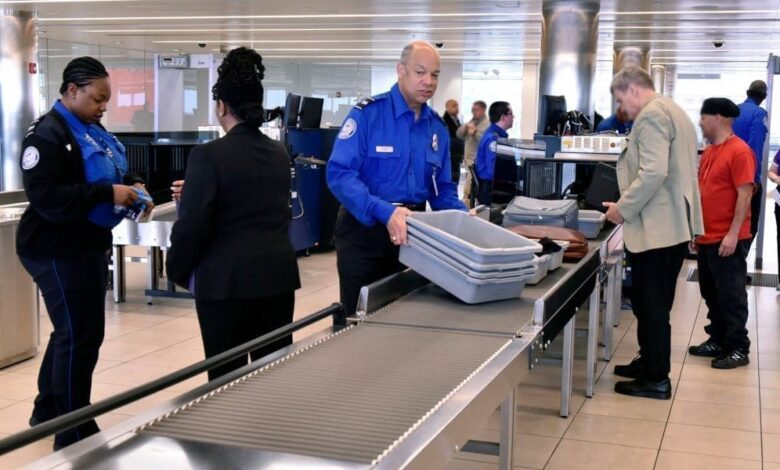
Navigating the TSA’s policies on transporting medical marijuana can be tricky. Understanding the nuances of these regulations is crucial for a smooth travel experience. While the TSA’s primary concern is security, travelers with legitimate medical needs must be aware of the specific guidelines to avoid potential issues. This section will provide a detailed overview of the TSA’s perspective on transporting medical marijuana, outlining potential scenarios and their likely responses.
TSA Policies on Medical Marijuana
The TSA’s policies regarding medical marijuana are not explicitly defined in a singular, dedicated document. Instead, their approach is based on interpreting the broader regulations surrounding controlled substances. This means that the TSA’s treatment of medical marijuana is often dependent on individual circumstances and the specific regulations governing controlled substances. This makes it crucial for travelers to be fully informed about the process and have all necessary documentation ready.
TSA’s Perspective on Transporting Medical Marijuana
The TSA’s approach to transporting medical marijuana is generally consistent with their approach to other controlled substances. They prioritize safety and security, but also recognize the need to respect individual circumstances. Consequently, travelers with valid medical marijuana prescriptions may be subject to extra scrutiny. This scrutiny may involve presenting the prescription, confirming the legitimacy of the substance, and possibly opening the container for inspection.
The TSA’s perspective emphasizes the importance of compliance with all applicable laws and regulations.
Comparison with Other Controlled Substances
The TSA’s handling of medical marijuana often parallels its treatment of other controlled substances. This includes the importance of proper documentation and the potential for additional scrutiny. While the specific regulations for medical marijuana may differ from those for other controlled substances, the overarching principle of ensuring security and compliance remains the same. Travelers should expect a similar level of scrutiny and preparation as they would for any controlled substance.
Potential Issues for Travelers with Medical Marijuana
Travelers with medical marijuana face potential issues if they do not understand and comply with TSA regulations. These issues can range from delays in the security process to the possibility of having their medication confiscated. A lack of proper documentation or a misunderstanding of the rules can lead to complications. Thorough preparation and understanding are essential to avoid any problems.
Examples of Potential Scenarios and Likely TSA Responses
To illustrate potential issues, consider these examples:
- A traveler with a valid medical marijuana prescription and the necessary documentation presents their medication for inspection. The TSA agent, after confirming the validity of the prescription, may allow the medication to be transported. This outcome is predicated on the agent’s discretion and compliance with the existing regulations.
- A traveler presents a prescription but fails to provide the required documentation, or the documentation is not easily verifiable. In this case, the TSA agent may require further verification or deny the traveler’s access to the security area. The outcome is highly contingent on the agent’s assessment of the situation and the supporting documentation.
TSA Potential Responses to Various Medical Marijuana Scenarios
The following table Artikels potential TSA responses to different medical marijuana scenarios.
| Scenario | TSA Response | Potential Outcomes |
|---|---|---|
| Traveler presents valid prescription, appropriate quantity, and all required documentation. | Medication allowed through security. | Smooth travel experience. |
| Traveler presents prescription but lacks required documentation or the documentation is unclear. | Request for additional verification or denial of access. | Delay in security process or denial of travel. |
| Traveler attempts to smuggle significant quantities of medical marijuana without proper documentation. | Confiscation of the medication and possible legal action. | Arrest and legal proceedings. |
Documentation and Medical Authorization
Traveling with medical marijuana requires meticulous attention to documentation. Navigating the legal landscape, particularly concerning the TSA, necessitates a clear understanding of the specific requirements and potential pitfalls. Proper documentation serves as your crucial safeguard against potential delays or issues during your journey.A well-prepared documentation package ensures a smoother travel experience. This includes not only fulfilling TSA requirements but also demonstrating your compliance with the diverse and sometimes conflicting state and federal regulations.
This proactive approach is vital to avoiding potential complications and delays.
Importance of Proper Documentation
Proper documentation is paramount when traveling with medical marijuana. It validates your medical necessity and helps avoid misunderstandings with authorities. This comprehensive approach ensures a smoother travel experience and prevents potential issues. Without proper documentation, you risk delays, denial of access, or even legal repercussions.
Navigating the TSA with medical marijuana can be tricky, especially if you’re unsure about the rules. Understanding your rights and the process involved is crucial. This often involves understanding what informed consent is, as it’s vital to know what your rights are when dealing with authorities. What is informed consent is a fundamental principle that applies to all medical situations, and it’s important to have a good understanding of this when traveling with medical cannabis.
Ultimately, knowing your rights and the relevant regulations is key to a smooth and stress-free trip.
Necessary Documentation by the TSA
The TSA’s role in regulating medical marijuana is largely centered on compliance with federal law. TSA agents are not medical professionals and rely on the provided documentation to assess the legitimacy of your claim. The primary documentation is usually a valid medical marijuana card issued by the state you reside in.
Physician Recommendations and Medical Cards
Physician recommendations and medical cards are crucial elements of your documentation. They serve as evidence of your medical condition and the necessity for using medical marijuana. A valid medical marijuana card, issued by a state that permits medical marijuana, demonstrates compliance with the state’s regulations.
Navigating TSA regulations with medical marijuana can be tricky, right? But while you’re pondering those travel-sized containers, consider this: edible insects are poised to be the next big thing in superfood trends. Think protein-packed, sustainable, and surprisingly delicious alternatives to traditional foods. This article dives deeper into the fascinating world of entomophagy, which might even inspire you to rethink your travel snacks.
Regardless of the protein source, it’s still a good idea to familiarize yourself with the TSA guidelines for traveling with medical marijuana. Safe travels!
Examples of Medical Cards and TSA Acceptance
The acceptance of medical cards by the TSA varies. While some states’ medical cards might be widely accepted, others might require additional documentation. The validity of the medical card depends on the state’s laws and the specifics of the card itself. It’s crucial to consult the specific guidelines of the state issuing the card.
Nuances of Different Medical Marijuana Regulations
Different states have varying regulations regarding medical marijuana. This can create complexities when traveling across state lines. Understanding the specific regulations in both your home state and the destination state is vital to avoid issues. A thorough understanding of the regulations in all states you intend to travel through is necessary.
Potential Issues with Conflicting Regulations
Conflicting regulations between states and the TSA can lead to challenges. For example, a state might permit medical marijuana in a form not recognized by federal law. This could potentially lead to complications if the TSA is not fully informed of the nuances of your situation.
Table of Medical Marijuana Documentation
| Document Type | Description | Validity |
|---|---|---|
| Valid State-Issued Medical Marijuana Card | Proof of medical necessity for marijuana use, issued by a state that permits medical marijuana. | Validity depends on the specific state’s regulations and the card’s expiration date. |
| Physician Recommendation Letter | Letter from a licensed physician supporting the patient’s medical necessity for using medical marijuana. | Validity depends on the physician’s signature, the letter’s content, and the issuing state’s laws. |
Practical Tips and Strategies: Traveling With Medical Marijuana Tsa
Traveling with medical marijuana requires careful planning and adherence to regulations. This section provides practical tips and strategies to ensure a smooth and compliant journey, minimizing potential issues with authorities. Understanding the nuances of the TSA and local laws is paramount to a successful trip.Navigating the complexities of travel with medical marijuana can be challenging. This section Artikels practical strategies to avoid potential problems and ensures a safe and legal travel experience.
By following these guidelines, you can reduce risks and travel confidently.
Packing and Storage
Proper packaging and storage are crucial for maintaining the integrity and safety of your medical marijuana. This includes preventing accidental spills, maintaining appropriate temperature control, and ensuring the product remains securely contained.
- Use sturdy, leak-proof containers. Double-bagging your medical marijuana in airtight containers, then placing them in a larger, sealed bag, can provide extra protection.
- Maintain proper temperature control. If your medication requires refrigeration, pack it with ice packs in a cooler bag, or utilize insulated containers with thermal properties to maintain a consistent temperature.
- Secure labeling. Clearly label all containers with the contents, the amount, and any specific instructions for storage. This ensures you can easily identify and retrieve your medication.
Avoiding TSA Issues
The TSA has specific regulations regarding medical marijuana. Understanding these regulations and adhering to them can help avoid potential delays or complications.
- Travel with appropriate documentation. Always carry your medical marijuana card, doctor’s recommendation, and any other necessary paperwork. This documentation can serve as evidence of your medical necessity.
- Comply with TSA guidelines. Adhere to TSA regulations regarding the quantity and packaging of medical marijuana.
- Keep your medication separate from other items. This will facilitate a quicker and more efficient screening process.
- Plan for potential delays. Allow extra time at security checkpoints to ensure a smooth process.
Potential Risks and Mitigating Strategies
There are inherent risks when traveling with medical marijuana. However, proactive planning and preparation can mitigate these risks.
- Varying state laws. Medical marijuana laws differ from state to state. Research and understand the laws in your destination to avoid legal complications.
- Unexpected situations. Be prepared for unforeseen circumstances, such as changes in travel plans or unexpected delays. Have backup plans in place to ensure your medication is properly stored and secured.
- Customs and Border Protection (CBP). Be aware of CBP regulations regarding medical marijuana, especially when traveling internationally. Always consult with CBP authorities to understand any specific requirements.
Safe and Secure Travel Methods
Utilizing safe and secure travel methods can ensure your medical marijuana remains protected during transit. These methods include careful packing and transportation arrangements.
- Consider checked baggage. If feasible, transporting medical marijuana in checked baggage can offer additional security and protection. This may vary based on airline policies.
- Avoid placing medical marijuana in carry-on luggage. This can cause delays at security checkpoints, so checked baggage is preferred if permitted.
- Discreet packaging. Use discreet and secure packaging to help minimize potential issues. Using multiple containers and protective materials can enhance security.
Examples of Successful and Unsuccessful Experiences
Real-life experiences provide valuable insights into successful and unsuccessful travel strategies. Learning from these experiences can guide future travelers.
- Successful experiences often involve meticulous preparation and compliance with regulations. These travelers meticulously followed all guidelines, maintained appropriate documentation, and packed their medication securely.
- Unsuccessful experiences frequently stem from a lack of preparation, such as insufficient documentation, or failure to understand local regulations. This underscores the importance of thorough research and compliance.
Alternatives and Considerations
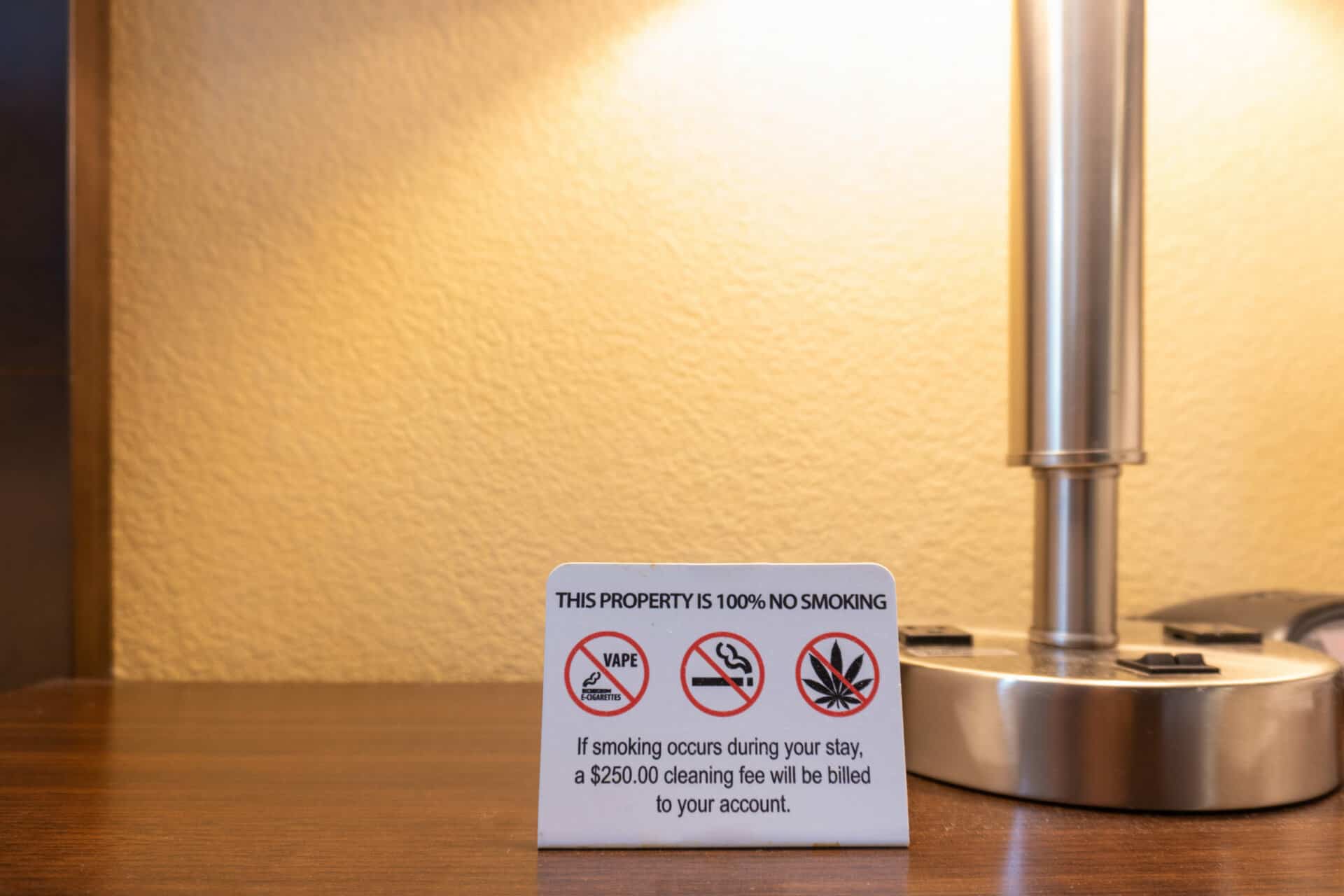
Traveling with a medical condition requires careful planning, especially when it comes to managing symptoms and potential disruptions. Beyond medical marijuana, various alternative therapies and medications can effectively manage symptoms while mitigating potential travel challenges. This section explores these options, emphasizing the importance of open communication with airlines and transportation providers, and providing examples of successful strategies employed by other travelers.
Alternative Methods for Managing Medical Conditions
Effective symptom management while traveling often involves exploring alternative methods to medical marijuana. These methods can include prescribed medications, lifestyle adjustments, and complementary therapies. Dietary changes, stress reduction techniques, and regular exercise routines can significantly impact symptom management. Furthermore, pre-trip consultations with healthcare providers can help develop personalized strategies tailored to individual needs and travel plans.
Potential Impacts of Alternative Medications and Their Transportation
Different alternative medications, whether prescribed or over-the-counter, have varying transportation requirements. Some medications might need specific storage conditions or accompanying documentation. For instance, insulin requires refrigeration, while certain supplements might require special packaging. It is crucial to familiarize oneself with the specific requirements for each medication to avoid any potential disruptions during travel. Carefully consider the logistics of transportation, including the use of medication coolers or secure containers.
Importance of Informing Airlines and Other Transportation Providers
Open communication with airlines and transportation providers is paramount. Inform them about any medical conditions and the need for specific accommodations or medications. This proactive approach helps ensure smooth travel and minimizes potential disruptions. Pre-trip communication with airlines can often result in accommodations like designated seating or assistance with baggage handling. This proactive approach fosters a supportive travel experience.
Examples of Alternative Approaches for Travelers with Similar Needs
Numerous travelers with various medical conditions have successfully employed alternative strategies. Some have incorporated meditation or mindfulness practices to manage stress and anxiety. Others have prioritized maintaining a regular sleep schedule and exercise routine to mitigate potential symptoms. Many have found that consistent hydration and a balanced diet play a vital role in overall well-being during travel.
Sharing experiences with online communities or support groups can offer valuable insights and practical tips.
Understanding Nuances of Various Regulations
Different regions and jurisdictions have distinct regulations regarding alternative therapies and medications. It is essential to research and understand these regulations well in advance of travel. Familiarize yourself with the laws and regulations pertaining to the specific destinations and transportation methods involved. Understanding these nuances helps ensure a smooth and compliant journey.
Summary of Factors to Consider When Planning Travel
Several factors should be considered when planning travel with a medical condition. These include pre-trip consultations with healthcare providers, the specific regulations of each destination, and potential transportation needs. Thorough research into alternative therapies and their implications for travel is critical. Furthermore, the importance of open communication with airlines and transportation providers should be emphasized.
Table Contrasting Medical Marijuana and Alternative Therapies
| Feature | Medical Marijuana | Alternative Therapy |
|---|---|---|
| Example Feature 1: Legal Status | Varying legality across jurisdictions. | Generally more widely accepted, with varying regulations by location. |
| Example Feature 2: Transportation Regulations | Stricter requirements, often requiring specific documentation. | May require documentation depending on the therapy and location. |
| Example Feature 3: Potential Side Effects | Potential for side effects like drowsiness or altered perception. | Potential side effects vary depending on the therapy and individual response. |
Ending Remarks
In conclusion, traveling with medical marijuana requires meticulous planning and a deep understanding of the complex interplay of federal, state, and TSA regulations. By thoroughly researching legal requirements, securing proper documentation, and employing practical strategies, travelers can significantly reduce potential risks. Remember, each situation is unique, so consulting with legal professionals and healthcare providers is strongly recommended. Ultimately, prioritizing safety and legal compliance is paramount for a stress-free and successful journey.