Treatment options advanced breast cancer are multifaceted and deeply personal. This exploration delves into the various approaches, from surgery and chemotherapy to targeted therapies and immunotherapy, examining the nuances of each treatment and its potential impact on patients’ lives. We’ll also look at supportive care, clinical trials, and the crucial role of patient experiences in shaping the future of breast cancer treatment.
Understanding the different stages of breast cancer progression and the key distinctions between early-stage and advanced treatment is essential. This guide provides a comprehensive overview, enabling a clearer understanding of the complex landscape of treatment options available for advanced breast cancer. We’ll explore the various treatment modalities, their mechanisms of action, and the potential side effects, offering a balanced perspective on the complexities of this disease.
Overview of Advanced Breast Cancer
Advanced breast cancer signifies a stage of the disease where the cancer has spread beyond the breast and surrounding lymph nodes to other parts of the body. This often necessitates a different approach to treatment compared to earlier stages, as the focus shifts towards managing symptoms and prolonging life. Understanding the progression and treatment strategies is crucial for patients and their families.
Stages of Breast Cancer Progression
Breast cancer progression is typically categorized into stages, each indicating the extent of the disease. Early stages involve localized tumors, while advanced stages involve metastasis—the spread of cancer cells to distant organs. Advanced stages are further sub-divided, often based on the specific sites of metastasis. The specific staging system employed by healthcare providers may vary, but the general concept of local to distant spread remains consistent.
Understanding these stages helps tailor treatment plans.
Key Differences in Treatment Approaches
Treatment strategies for early-stage breast cancer primarily focus on eradicating the cancer at its source. Advanced breast cancer treatment, conversely, emphasizes symptom management, controlling the disease’s growth, and prolonging survival. Early-stage treatment often involves surgery, radiation therapy, and chemotherapy, while advanced-stage treatment typically includes chemotherapy, targeted therapy, hormonal therapy, immunotherapy, and palliative care to address the symptoms and complications.
Common Symptoms and Signs of Advanced Breast Cancer
Advanced breast cancer can manifest in a variety of symptoms, reflecting the impact of the disease on different organs. These symptoms may include bone pain, fatigue, shortness of breath, nausea, loss of appetite, and swelling in the extremities. The specific symptoms experienced depend on the location of the metastasis. For example, bone metastasis may cause debilitating pain, while lung metastasis might lead to respiratory issues.
Regular check-ups and communication with healthcare professionals are vital for timely detection and management.
Comparison of Advanced Breast Cancer Types
| Cancer Type | Key Characteristics | Treatment Considerations |
|---|---|---|
| HER2-positive | Characterized by an overabundance of HER2 protein, which drives rapid cell growth. This type often responds well to targeted therapies like trastuzumab. | Targeted therapy (e.g., trastuzumab) is often a crucial component of treatment. Other therapies may be combined depending on the extent of the disease. |
| Triple-negative | Lacks the estrogen receptor, progesterone receptor, and HER2 protein, making it more aggressive and challenging to treat. | Chemotherapy is often a primary treatment option. Targeted therapies and immunotherapy are also considered, depending on the individual patient’s response. |
| Hormone receptor-positive | Cancer cells are sensitive to hormones like estrogen or progesterone. | Hormonal therapies are often effective. Chemotherapy and other therapies may be added based on the stage of the disease and patient response. |
This table summarizes some key distinctions between different types of advanced breast cancer. The specific treatment approaches are tailored to the particular type and the individual patient’s condition. The information presented should not be considered medical advice. Always consult with a healthcare professional for personalized guidance.
Treatment Approaches
Navigating advanced breast cancer requires a multifaceted approach, tailoring treatment to the individual’s specific needs and the characteristics of the cancer. This often involves a combination of therapies, each playing a crucial role in managing the disease and improving quality of life. Understanding the various treatment options and their potential benefits and drawbacks is vital for informed decision-making.
Surgical Approaches
Surgical interventions in advanced breast cancer are primarily focused on symptom management and potentially reducing tumor burden. This might include biopsies for diagnosis or staging, but rarely involves curative resection. Partial mastectomies, or removal of a portion of the breast, or even a full mastectomy may be considered depending on the tumor’s location and extent. In some cases, lymph node dissection is necessary to evaluate the spread of the disease.
Decisions regarding surgery are carefully evaluated in conjunction with other treatment options to maximize benefit and minimize harm.
Chemotherapy
Chemotherapy drugs target rapidly dividing cells, including cancer cells. They are commonly used in advanced breast cancer to shrink tumors, reduce symptoms, and potentially prolong survival. Different chemotherapy regimens are used, tailored to the specific characteristics of the cancer and the patient’s overall health. The efficacy of chemotherapy can vary, and its impact is often evaluated in conjunction with other treatments.
Hormonal Therapy
Hormonal therapies are effective for hormone receptor-positive breast cancers. These therapies work by blocking the hormones that fuel tumor growth. Examples include tamoxifen, aromatase inhibitors, and others. The effectiveness of hormonal therapy is highly dependent on the specific subtype of breast cancer and its hormonal receptor status.
Targeted Therapy
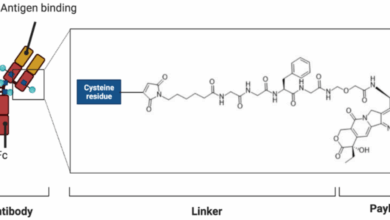
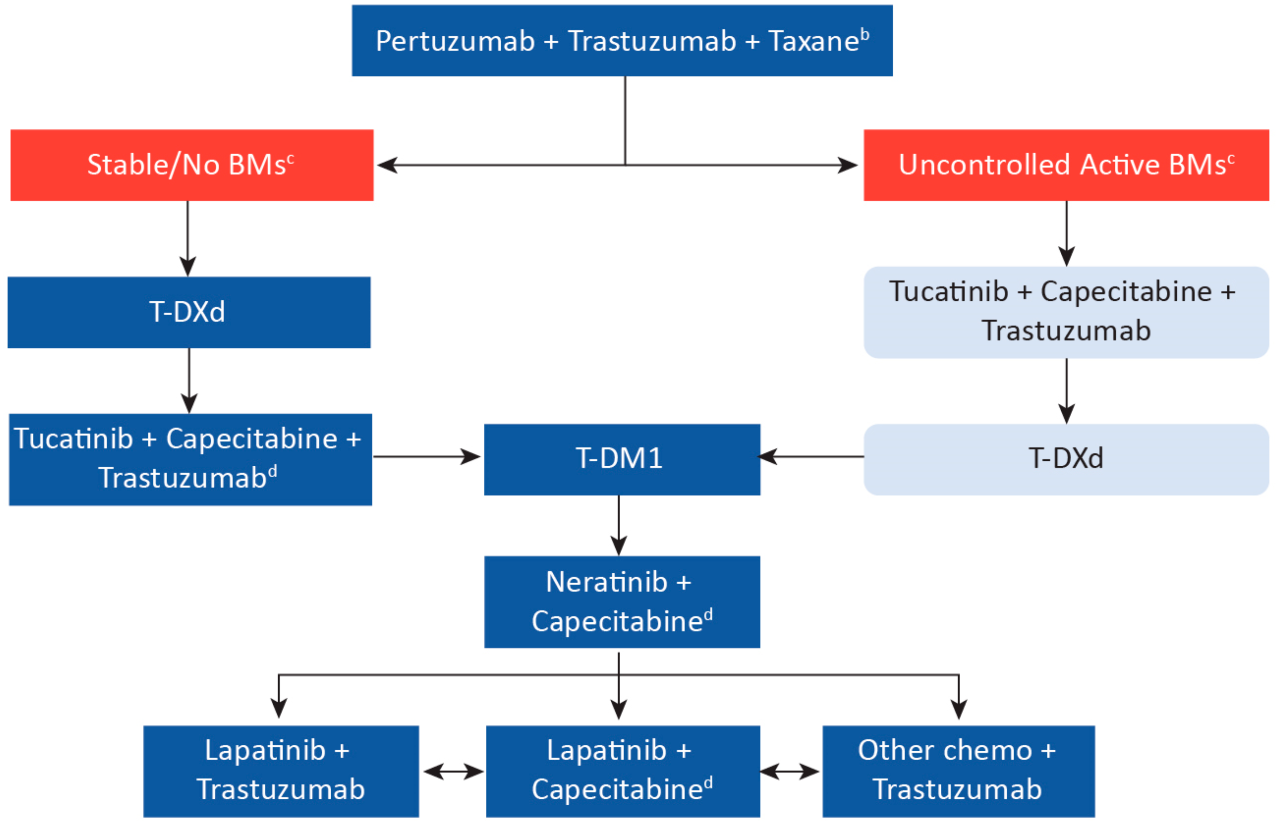
Targeted therapies are designed to attack specific molecules or pathways involved in cancer growth and spread. These drugs can be used in combination with chemotherapy or alone. Examples include drugs that target HER2, a protein that drives the growth of some breast cancers. The effectiveness of targeted therapies varies based on the specific genetic makeup of the tumor.
Immunotherapy
Immunotherapy harnesses the body’s immune system to fight cancer. In advanced breast cancer, immunotherapy is often used to boost the immune response against cancer cells. Its effectiveness is still being investigated, but some patients experience positive responses.
Radiation Therapy
Radiation therapy uses high-energy beams to destroy cancer cells. In advanced breast cancer, radiation therapy is often used to alleviate pain, reduce tumor size, or treat specific complications resulting from the disease or its treatment.
Factors Influencing Treatment Choice
The choice of treatment is highly individualized and depends on a complex interplay of factors, including:
- Tumor characteristics: Specific subtype, stage, size, and receptor status (estrogen receptor, progesterone receptor, HER2) significantly influence treatment selection.
- Patient’s overall health: Comorbidities, age, and general health status are crucial considerations in determining the appropriate treatment intensity and approach.
- Patient preferences: Patient values and preferences concerning treatment side effects, treatment duration, and quality of life play a significant role.
- Treatment goals: Whether the goal is to cure the cancer, prolong survival, or alleviate symptoms guides the selection of treatment options.
- Potential side effects: Each treatment carries potential side effects, and the decision-making process considers the balance between potential benefits and risks.
Side Effects of Treatment Options
The following table Artikels potential side effects associated with various treatment approaches. It’s crucial to note that individual experiences can vary.
| Treatment Option | Potential Side Effects |
|---|---|
| Surgery | Pain, infection, scarring, nerve damage, lymphoedema (swelling of the lymph nodes). |
| Chemotherapy | Nausea, vomiting, hair loss, fatigue, mouth sores, blood disorders. |
| Hormonal Therapy | Hot flashes, vaginal dryness, mood changes, bone loss. |
| Targeted Therapy | Fatigue, diarrhea, skin rash, nausea, high blood pressure. |
| Immunotherapy | Fatigue, flu-like symptoms, skin reactions, immune-related adverse events (e.g., colitis). |
| Radiation Therapy | Skin irritation, fatigue, pain at the treatment site. |
Targeted Therapies
Targeted therapies represent a significant advancement in the treatment of advanced breast cancer. Unlike traditional chemotherapy, which attacks rapidly dividing cells indiscriminately, targeted therapies specifically target cancer cells based on their unique characteristics, minimizing harm to healthy cells. This approach often leads to more effective treatment with fewer side effects for some patients.
Mechanism of Action
Targeted therapies work by interfering with specific molecular pathways crucial for cancer cell growth and survival. These pathways are often dysregulated in cancer cells, allowing them to grow and spread uncontrollably. By targeting these pathways, targeted therapies aim to disrupt these abnormal processes, halting cancer cell proliferation and potentially inducing cell death. For instance, some targeted therapies block the growth signals that stimulate cancer cell division, while others interfere with the ability of cancer cells to obtain the nutrients they need to survive.
Types of Targeted Therapies
Various targeted therapies are employed in the treatment of advanced breast cancer. These include monoclonal antibodies, tyrosine kinase inhibitors, and hormone therapies.
- Monoclonal Antibodies: These antibodies specifically bind to proteins on the surface of cancer cells, marking them for destruction by the immune system or blocking their growth signals. Trastuzumab, for example, targets the HER2 protein, which is overexpressed in some breast cancers. This approach is highly effective in HER2-positive advanced breast cancer.
- Tyrosine Kinase Inhibitors: These drugs block the activity of specific enzymes called tyrosine kinases, which are vital for cell growth and division. Examples include lapatinib, which targets HER2 and EGFR, and neratinib, which targets HER2. These therapies can be effective in HER2-positive and other subtypes of advanced breast cancer.
- Hormone Therapies: While often considered a broader category of treatment, hormone therapies can also be considered targeted therapies, as they specifically target hormone receptors in breast cancer cells. For instance, tamoxifen blocks the estrogen receptor, and aromatase inhibitors prevent the production of estrogen. These therapies are often effective in hormone receptor-positive advanced breast cancer.
Benefits and Limitations
Targeted therapies offer several benefits in advanced breast cancer. They can often result in improved response rates and survival compared to chemotherapy, particularly in specific subtypes. Furthermore, they may cause fewer side effects than traditional chemotherapy in some cases. However, limitations exist. Resistance to targeted therapies can develop over time, requiring a shift to alternative treatment strategies.
Not all patients respond equally well to targeted therapies, and some may experience significant side effects.
Navigating treatment options for advanced breast cancer can feel overwhelming. While focusing on those options, it’s also important to remember the basics of preventative care. For example, understanding what questions to ask your doctor about the flu, like potential side effects of the vaccine or antiviral treatments, can help you feel more empowered in your overall health journey.
This proactive approach can translate into better decisions regarding your breast cancer treatment. Knowing what to ask your doctor about the flu, as covered in this helpful guide what to ask doctor about flu , can actually influence your treatment choices for advanced breast cancer.
Efficacy in Different Subtypes
The effectiveness of targeted therapies varies significantly depending on the subtype of advanced breast cancer. A table summarizing the efficacy for different subtypes would require a great deal of detail, making it difficult to condense in a blog post. Consult your oncologist for detailed subtype-specific information.
Potential Side Effects
Targeted therapies can cause various side effects, some of which are similar to chemotherapy, while others are unique to the specific therapy. Common side effects may include fatigue, nausea, hair loss, and skin rashes. More serious side effects can include cardiac toxicity, liver damage, and immune-related adverse events. Individual responses and side effects vary greatly, and patients should discuss these with their oncologist to determine the most suitable course of treatment.
Immunotherapy
Immunotherapy, a revolutionary approach in cancer treatment, harnesses the body’s own immune system to fight advanced breast cancer. It works differently than traditional treatments like chemotherapy or surgery, focusing on bolstering the immune response to identify and destroy cancer cells. This approach has shown promise in certain cases, offering a potentially less toxic alternative for some patients.
Role of Immunotherapy in Advanced Breast Cancer
Immunotherapy plays a crucial role in advanced breast cancer by stimulating the immune system to recognize and attack cancer cells. This approach can be particularly beneficial for patients whose cancer has progressed despite other treatments. It works by either directly activating the immune cells or by modifying the tumor microenvironment to make it more susceptible to immune attack.
This strategy aims to enhance the body’s natural defense mechanisms, effectively fighting cancer without the harsh side effects often associated with chemotherapy.
How Immunotherapy Works to Combat Advanced Breast Cancer
Immunotherapy employs various strategies to combat advanced breast cancer. One common approach involves checkpoint inhibitors, which are drugs that block proteins on immune cells that normally prevent them from attacking cancer cells. By removing these blocks, the immune system can be more effective at recognizing and destroying cancer cells. Other immunotherapies work by stimulating the production of immune cells, such as T cells, that specifically target and kill cancer cells.
The mechanisms vary, but the overall goal is to activate the body’s own defenses against the disease.
Potential Benefits and Risks of Immunotherapy
Immunotherapy offers several potential benefits, including the possibility of long-term remission or disease control in some cases. It can be an effective option for patients who have not responded to other treatments or have experienced significant side effects from them. However, immunotherapy is not without risks. Common side effects can include fatigue, skin rashes, and flu-like symptoms.
More serious side effects, such as immune-related adverse events, can also occur. It’s crucial for patients to carefully consider the potential benefits and risks with their oncologist before starting treatment.
Immunotherapy Agents and Effectiveness
The effectiveness of immunotherapy agents can vary depending on the specific breast cancer subtype. Some agents show promise in certain subtypes, while others have demonstrated limited efficacy. Further research and clinical trials are ongoing to better understand the optimal use of immunotherapy across different breast cancer subtypes.
| Immunotherapy Agent | Breast Cancer Subtype | Effectiveness |
|---|---|---|
| Pembrolizumab | Triple-negative breast cancer | Potentially effective in some cases |
| Atezolizumab | HER2-positive breast cancer | Showing promising results in some studies |
| Ipilimumab | Various subtypes | Limited effectiveness in most cases |
Note: This table provides a simplified overview and is not exhaustive. The effectiveness of each agent varies based on individual patient factors and the specific tumor characteristics.
Immunotherapy Treatment Process for Advanced Breast Cancer
The immunotherapy treatment process typically involves several steps, starting with a consultation with a healthcare professional to determine if immunotherapy is an appropriate option. The process involves evaluating the patient’s medical history, the specific breast cancer subtype, and any prior treatments. If immunotherapy is deemed suitable, the patient will receive specific medications, often intravenously. The treatment schedule, duration, and frequency will vary depending on the specific agent and the patient’s response.
Regular monitoring is essential to assess the treatment’s effectiveness and manage potential side effects. Close monitoring and follow-up appointments are crucial throughout the process.
Navigating advanced breast cancer treatment options can feel overwhelming. There are various approaches, from targeted therapies to immunotherapy, but the emotional toll can be significant. Considering the rising opioid overdose crisis affecting the black community, as detailed in this important article the black community is seeing a rise in opioid overdose deaths what can be done , highlights the need for holistic support systems alongside medical interventions.
Ultimately, finding the right treatment path requires careful consideration of individual needs and ongoing communication with healthcare providers.
Combination Therapies
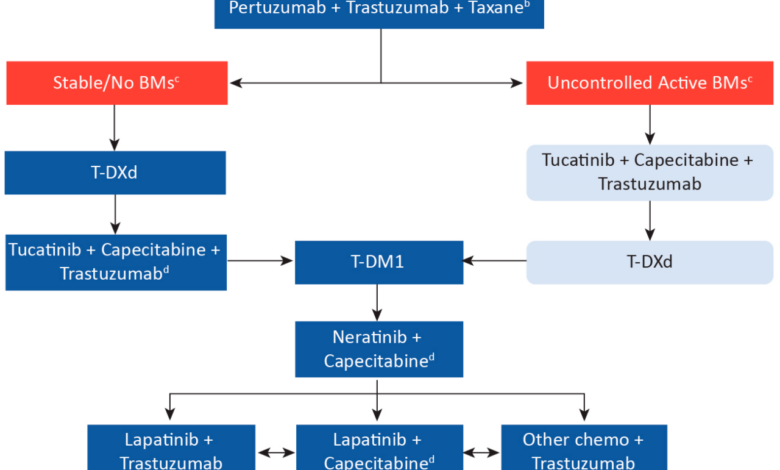
Combining different treatment approaches is a common strategy for advanced breast cancer. This approach aims to maximize the effectiveness of treatment while minimizing side effects. By targeting multiple pathways and mechanisms of the disease, combination therapies can potentially achieve better outcomes than single-agent therapies. This strategy often involves a meticulous assessment of the individual patient’s tumor characteristics and overall health to determine the most suitable combination.Combination therapies are not a one-size-fits-all solution.
The specific treatments and their order are carefully tailored to each patient’s unique circumstances. This personalized approach acknowledges the diverse nature of advanced breast cancer and its varying responses to different treatments. It requires a strong collaboration between oncologists, radiotherapists, and other healthcare professionals to create a holistic treatment plan.
Rationale Behind Combining Treatments
The rationale behind combining different treatments lies in the complexity of advanced breast cancer. Tumors frequently develop resistance to single-agent therapies over time. By combining therapies that target different aspects of the cancer’s biology, such as cell growth, DNA repair, and immune response, the effectiveness of treatment can be significantly improved. Furthermore, combining therapies can potentially delay or prevent the development of resistance.
Potential Benefits of Combination Therapies
Combination therapies offer several potential benefits. Improved tumor response rates are often observed. By targeting multiple aspects of the cancer, combination therapies can lead to more complete remission or stabilization of the disease. The synergistic effects of combining therapies can result in a more effective treatment strategy compared to single-agent therapies. The potential for enhanced long-term survival rates is another key benefit.
Potential Challenges of Combination Therapies
Despite the potential benefits, combination therapies also present challenges. The increased complexity of treatment regimens can lead to more severe side effects, impacting patients’ quality of life. Coordination and management of multiple therapies can be challenging, requiring meticulous scheduling and monitoring. Furthermore, the potential for drug interactions must be carefully considered and managed to avoid adverse effects.
Examples of Effective Combination Therapies
Various effective combination therapies are currently being used for advanced breast cancer. One prominent example involves combining chemotherapy with targeted therapies, such as hormone therapy or therapies that target specific growth factors. This combination aims to maximize tumor shrinkage and prevent recurrence. Another example includes combining chemotherapy with immunotherapy, which leverages the body’s immune system to fight the cancer cells.
The combination of therapies can significantly improve the treatment outcomes.
Comparison of Combination Therapies
| Combination Therapy | Description | Efficacy (e.g., response rate) | Potential Side Effects |
|---|---|---|---|
| Chemotherapy + Targeted Therapy | Combines cytotoxic drugs with therapies that target specific molecular pathways. | Generally high response rates, depending on the specific combination. | Potential for severe side effects, including nausea, hair loss, and fatigue. |
| Chemotherapy + Hormone Therapy | Combines cytotoxic drugs with hormonal therapies. | Effective for hormone receptor-positive tumors. | Potential for hot flashes, weight gain, and bone loss. |
| Chemotherapy + Immunotherapy | Combines cytotoxic drugs with immunotherapy agents. | Show promise in specific subtypes of advanced breast cancer. | Increased risk of immune-related side effects, including inflammation and organ damage. |
Note: Efficacy data is dependent on specific tumor characteristics and patient factors.
How Combination Therapies Improve Treatment Outcomes
Combination therapies can improve treatment outcomes by targeting multiple vulnerabilities in the cancer cells. By simultaneously inhibiting multiple cellular pathways, the growth and survival of cancer cells are significantly impacted. This approach can lead to a greater reduction in tumor burden and improve long-term outcomes. For example, a patient with advanced breast cancer might experience a greater reduction in tumor size and a longer period of disease control compared to a patient treated with a single agent.
Supportive Care
Navigating advanced breast cancer can be overwhelming, not just for the patient but also for their loved ones. Beyond the primary treatments, supportive care plays a crucial role in improving the patient’s overall well-being and quality of life. This encompasses a wide range of services aimed at managing physical symptoms, addressing emotional needs, and providing practical support.Supportive care is not merely an add-on to treatment; it’s an integral part of the comprehensive approach to managing advanced breast cancer.
It acknowledges that the disease affects not only the body but also the mind and spirit. By providing holistic support, we aim to empower patients to cope with the challenges and maintain a positive outlook throughout their journey.
Importance of Supportive Care, Treatment options advanced breast cancer
Supportive care services are vital for patients with advanced breast cancer. They address the multifaceted needs arising from the disease and its treatments. This includes managing physical symptoms like pain and fatigue, providing nutritional guidance, and offering psychological support to help patients cope with the emotional distress and anxiety often associated with a serious illness. Ultimately, comprehensive supportive care helps patients maintain a higher quality of life while undergoing demanding treatments.
Pain Management
Effective pain management is crucial for maintaining comfort and quality of life. A multi-modal approach, incorporating various strategies, is often necessary. This may involve medication (analgesics, including opioids and non-opioids), physical therapy, and alternative therapies like acupuncture or massage. Regular communication with healthcare professionals is key to adjusting pain management plans as needed. Pain scales can help quantify the severity of pain and aid in monitoring treatment effectiveness.
Nutrition
Maintaining a healthy diet is essential for strength and recovery during advanced breast cancer treatment. Nutritional deficiencies can negatively impact treatment outcomes and overall well-being. Dietitians and nutritionists can provide personalized guidance on dietary adjustments, addressing specific nutritional needs and potential side effects from treatments. This may involve recommendations for high-protein diets to support muscle mass or adjustments for nausea and fatigue.
Psychological Support
The emotional toll of advanced breast cancer can be significant. Psychological support services, such as counseling and support groups, can provide a safe space for patients and their families to process emotions and cope with stress. These services help patients and their caregivers understand and manage the emotional impact of the disease, facilitating healthy coping mechanisms. It is important to recognize that psychological support is as crucial as physical care.
Practical Support
Practical support encompasses a wide range of services that help patients and caregivers navigate the daily challenges of the disease. This may include assistance with transportation, home care, financial counseling, or help with childcare. This practical support eases the burden on patients and their loved ones, allowing them to focus on their well-being.
Facing advanced breast cancer can be daunting, but thankfully, there are various treatment options available. While exploring different approaches, it’s important to consider alternative health practices. For example, some people are drawn to extreme dietary changes like the Santino Rice’s 111-day juice fast, but it’s crucial to research thoroughly before making any significant dietary shifts. Is Santino Rice’s 111-day juice fast healthy?
Ultimately, discussing treatment options with your oncologist is key to finding the best approach for your individual needs and health status.
Resources for Patients and Caregivers
- Cancer Support Communities: Online forums and support groups offer a network of individuals who understand the unique challenges of cancer. Sharing experiences and advice can be invaluable for both patients and caregivers.
- Local Cancer Centers: Often have dedicated social workers and support staff who can provide information and resources.
- Support Groups: Meeting with others facing similar situations can provide emotional support and a sense of community.
- National Cancer Institutes (NCI): Provides extensive information and resources about cancer, including supportive care services.
Supportive Care Services
| Service | Description | Benefits |
|---|---|---|
| Pain Management | Medication, physical therapy, alternative therapies | Reduces pain, improves comfort, enhances quality of life |
| Nutritional Counseling | Personalized dietary guidance | Maintains healthy weight, improves strength, reduces treatment side effects |
| Psychological Support | Counseling, support groups | Manages emotional distress, promotes coping mechanisms, reduces anxiety |
| Financial Counseling | Guidance on financial planning | Reduces financial stress, manages medical expenses |
| Transportation Assistance | Help with travel to appointments | Facilitates access to treatment, reduces burden on caregivers |
Clinical Trials and Research: Treatment Options Advanced Breast Cancer
Clinical trials are vital for advancing breast cancer treatment, particularly for advanced stages. They provide a structured approach to testing new therapies, combinations of existing treatments, and novel approaches to improve outcomes and quality of life for patients. These trials play a critical role in identifying effective treatments and improving the overall understanding of the disease.
Significance of Clinical Trials
Clinical trials rigorously evaluate new treatments and strategies in a controlled setting, comparing them to existing standards of care. This rigorous process ensures that new approaches are both safe and effective before they become widely adopted. They offer patients access to cutting-edge therapies that might not be available otherwise, potentially improving survival rates and quality of life.
Enrolling in Clinical Trials
Enrolling in a clinical trial is a personal decision, carefully considered by patients and their healthcare providers. Potential participants must meet specific eligibility criteria, which are designed to ensure that the trial’s results are relevant and meaningful. These criteria may include factors such as the type and stage of cancer, previous treatments received, and general health status. Patients must carefully weigh the potential benefits and risks associated with participating in a trial.
This involves discussions with their oncologist and thorough understanding of the trial protocol.
Types of Clinical Trials for Advanced Breast Cancer
Various types of clinical trials investigate different aspects of advanced breast cancer treatment. These include:
- Phase I Trials: These trials primarily focus on determining the safety of a new drug or treatment. They explore the maximum tolerated dose and identify potential side effects.
- Phase II Trials: Building on Phase I, these trials assess the effectiveness of a treatment in a small group of patients. They evaluate whether the treatment has the desired effect, in addition to gathering further information on safety.
- Phase III Trials: These trials compare a new treatment to a standard treatment or placebo in a larger group of patients. They aim to determine if the new treatment is superior or equivalent to the current standard of care in terms of efficacy and safety.
- Phase IV Trials: These trials are conducted after a treatment has been approved by regulatory agencies and are designed to further explore its long-term effects, optimal use, or to identify patient subgroups who benefit most.
- Trials Investigating Combinations of Therapies: These trials evaluate the effectiveness of combining different drugs or treatments, often with the aim of improving outcomes compared to single-agent therapies.
- Trials Exploring Targeted Therapies: These trials investigate the use of drugs that specifically target the molecular mechanisms driving the growth of breast cancer cells, potentially improving effectiveness and minimizing side effects.
- Trials Investigating Immunotherapy: These trials investigate the use of immunotherapy agents to enhance the body’s immune response against breast cancer cells, aiming to improve survival and reduce recurrence.
Factors Influencing Clinical Trial Design
Several factors influence the design of clinical trials. These include:
- Patient characteristics: The inclusion and exclusion criteria reflect the specific patient population the trial aims to address.
- Disease characteristics: The type and stage of breast cancer, along with the presence of specific genetic markers, are crucial considerations in designing trials.
- Treatment approaches: The selection of the experimental treatment, control treatment, and the design of the study protocol are integral to the trial’s design.
- Ethical considerations: Trials must adhere to strict ethical guidelines to protect patient safety and well-being, ensuring informed consent and data privacy.
Finding and Accessing Clinical Trials
Several resources can help patients locate clinical trials relevant to their situation. These include:
- National Cancer Institute (NCI): The NCI maintains a comprehensive database of clinical trials, providing detailed information on eligibility criteria, locations, and contact information.
- ClinicalTrials.gov: This website, maintained by the National Institutes of Health, provides a publicly accessible database of clinical trials, including those for advanced breast cancer.
- Consult with Oncologists: Oncologists can provide personalized recommendations based on individual patient circumstances, guiding them to relevant trials.
Patient Experiences
Navigating advanced breast cancer is a deeply personal journey, marked by a complex interplay of physical, emotional, and psychological challenges. Patients face a spectrum of experiences, from the initial diagnosis to ongoing treatment and beyond. Understanding these experiences is crucial for healthcare providers to offer comprehensive and compassionate care.The following sections delve into the diverse patient experiences, highlighting the emotional and psychological impact of the disease and its treatments, and emphasizing the importance of support systems.
This exploration aims to provide a more complete picture of the patient journey.
Diverse Treatment Experiences
Patients’ experiences with advanced breast cancer treatments vary widely, depending on factors such as the specific type of cancer, its stage, the patient’s overall health, and the chosen treatment approach. These variations can be illustrated by the table below.
| Treatment Approach | Potential Positive Experiences | Potential Negative Experiences |
|---|---|---|
| Surgery | Potential for removal of tumor mass, relief from pain or discomfort | Potential for pain, scarring, fatigue, anxiety related to the procedure |
| Chemotherapy | Potential for shrinking tumors, slowing cancer growth | Potential for nausea, vomiting, hair loss, fatigue, difficulty eating, emotional distress |
| Radiation Therapy | Potential for tumor shrinkage, reducing pain, improving quality of life | Potential for skin irritation, fatigue, pain, anxiety related to the procedure |
| Hormone Therapy | Potential for slowing tumor growth, reducing risk of recurrence | Potential for hot flashes, mood changes, vaginal dryness, joint pain, fatigue |
| Targeted Therapy | Potential for tumor shrinkage, specific to certain types of cancer | Potential for fatigue, nausea, diarrhea, skin rashes, potential side effects specific to the targeted therapy |
| Immunotherapy | Potential for boosting the immune system to fight cancer cells | Potential for fatigue, flu-like symptoms, skin rashes, immune-related side effects |
Patient Perspectives on Treatment Options
Different patients may have vastly different perspectives on various treatment options. Some may favor aggressive, multi-modal approaches, while others might opt for a more conservative, supportive care approach. A patient’s choice is often influenced by their individual values, priorities, and tolerance for side effects.For example, a patient prioritizing minimizing side effects might choose a targeted therapy over chemotherapy, even if the targeted therapy has a lower chance of complete remission.
Conversely, a patient with a strong desire to fight the disease aggressively might choose a combination of chemotherapy and radiation therapy.
Emotional and Psychological Impact
Advanced breast cancer can significantly impact a patient’s emotional and psychological well-being. This is a period of profound stress and uncertainty, marked by fear, anxiety, grief, and depression. Patients may experience feelings of isolation, helplessness, and loss of control.Furthermore, the emotional toll of cancer treatment can be substantial, with patients often grappling with the side effects of therapy, as well as the potential for recurrence.
This can lead to increased stress, anxiety, and depression.
Managing Emotional and Psychological Impact
Managing the emotional and psychological impact of advanced breast cancer requires a multi-faceted approach. Patients can benefit from a range of support mechanisms.
- Seeking Professional Help: Mental health professionals, such as counselors and therapists, can provide support and guidance in coping with the emotional challenges of the disease. Therapy can help patients process their feelings, develop coping strategies, and improve their overall well-being.
- Building a Strong Support System: Family, friends, and support groups play a vital role in providing emotional support and encouragement. Sharing experiences with others who understand can be extremely beneficial.
- Engaging in Healthy Lifestyle Choices: Maintaining a healthy lifestyle, including regular exercise, a balanced diet, and adequate sleep, can contribute to improved mood and overall well-being.
- Finding Meaning and Purpose: Finding meaning and purpose in life during this challenging time can be vital. This might involve pursuing hobbies, connecting with loved ones, or engaging in activities that bring joy and fulfillment.
Support Groups and Patient Advocacy Organizations
Support groups and patient advocacy organizations play a crucial role in providing vital resources and support to patients with advanced breast cancer. These organizations often offer educational programs, emotional support, and opportunities for patients to connect with others facing similar challenges. They can also be instrumental in advocating for better access to care and research.For example, support groups can provide a safe space for patients to share their experiences, offer encouragement, and provide practical advice.
Patient advocacy organizations can also provide valuable information about treatment options, clinical trials, and resources available to patients.
Epilogue

In conclusion, the treatment options for advanced breast cancer are evolving rapidly. This comprehensive guide has highlighted the diverse range of approaches available, emphasizing the importance of individualized treatment plans. From targeted therapies to immunotherapy and supportive care, the focus remains on improving outcomes and enhancing the quality of life for patients facing this challenge. Continued research and clinical trials are crucial to further refine these approaches and discover even more effective treatments in the future.