Want to avoid dangerous bacteria dont use touch screens – Want to avoid dangerous bacteria? Don’t use touch screens. This might seem drastic, but understanding the risks associated with these ubiquitous devices is crucial for maintaining good hygiene. Touchscreens harbor a surprising array of bacteria, from common skin flora to potentially harmful pathogens. This post explores the dangers of touchscreen contamination, offers alternative interaction methods, and highlights effective hygiene practices for a safer, healthier environment.
From public spaces to healthcare settings, touchscreens are frequently used, exposing individuals to a multitude of bacteria. This article will discuss how bacteria spread on touchscreens, and how various materials contribute to the risk. It also explores practical alternatives to touchscreen use, like voice or gesture controls, as well as the importance of frequent, proper cleaning.
Understanding the Issue
Touching touchscreen devices, from smartphones to public kiosks, presents a significant risk of bacterial transmission. The seemingly innocuous act of swiping or tapping can expose us to a multitude of microorganisms, potentially leading to infections. Understanding the mechanisms behind this transmission and the steps to mitigate the risk is crucial for maintaining good health.
Risks Associated with Touchscreen Devices
Touchscreens, due to their widespread use and frequent contact, act as reservoirs for various types of bacteria. These bacteria can survive on the surface for extended periods, increasing the likelihood of transmission to users. The nature of touchscreen materials themselves plays a significant role in this process.
Harmful Bacteria Commonly Found on Touchscreens
A variety of bacteria can thrive on touchscreen surfaces. Common examples include
- Staphylococcus aureus* (often associated with skin infections),
- Escherichia coli* (a bacterium commonly found in the gut), and
- Streptococcus* species (which can cause strep throat or other infections). The presence of these microbes is directly related to user interaction and the environmental conditions surrounding the devices.
Potential Health Consequences of Exposure
Exposure to these bacteria can lead to a range of health consequences, from minor skin irritations to more severe infections. Individuals with compromised immune systems are particularly vulnerable. The severity of the reaction depends on factors such as the type and quantity of bacteria, the individual’s immune response, and the overall health condition.
Methods for Reducing the Risk of Infection
Several strategies can minimize the risk of infection from touchscreen use. Regular handwashing with soap and water is paramount. Using hand sanitizer containing at least 60% alcohol is also effective. Maintaining good hygiene practices, such as covering coughs and sneezes, can also limit the spread of bacteria.
How Bacteria Spread Through Touchscreens
Bacteria spread through touchscreens via direct contact. When individuals touch a touchscreen contaminated with bacteria, the microorganisms can transfer to their hands. From there, they can potentially spread to other surfaces or be ingested, increasing the risk of infection. The frequency of user interaction with the touchscreen and the cleanliness of the environment surrounding the device are key factors in the rate of transmission.
Types of Touchscreen Materials and Associated Bacteria Risks
Different touchscreen materials exhibit varying degrees of bacterial retention.
- Glass touchscreens are generally susceptible to bacterial adhesion, especially in environments with high humidity or poor hygiene. The smooth surface of glass allows bacteria to readily adhere and remain active.
- Plastic touchscreens can also harbor bacteria, although the specific types and quantities may differ from glass touchscreens. The surface characteristics of the plastic, such as its texture and composition, can influence bacterial adhesion.
- Capacitive touchscreens, commonly found in smartphones and tablets, are frequently touched and are susceptible to contamination. The conductive layers involved in this type of screen are often made of materials that can support bacterial growth.
Touchscreen materials are often subject to external factors, like environmental conditions and user habits, that affect their bacterial load. The material composition and manufacturing processes of each type of touchscreen play a role in determining the risks associated with bacterial growth. Understanding these factors is essential in evaluating the risk level and developing effective hygiene strategies.
Alternative Approaches to Touchscreen Interaction
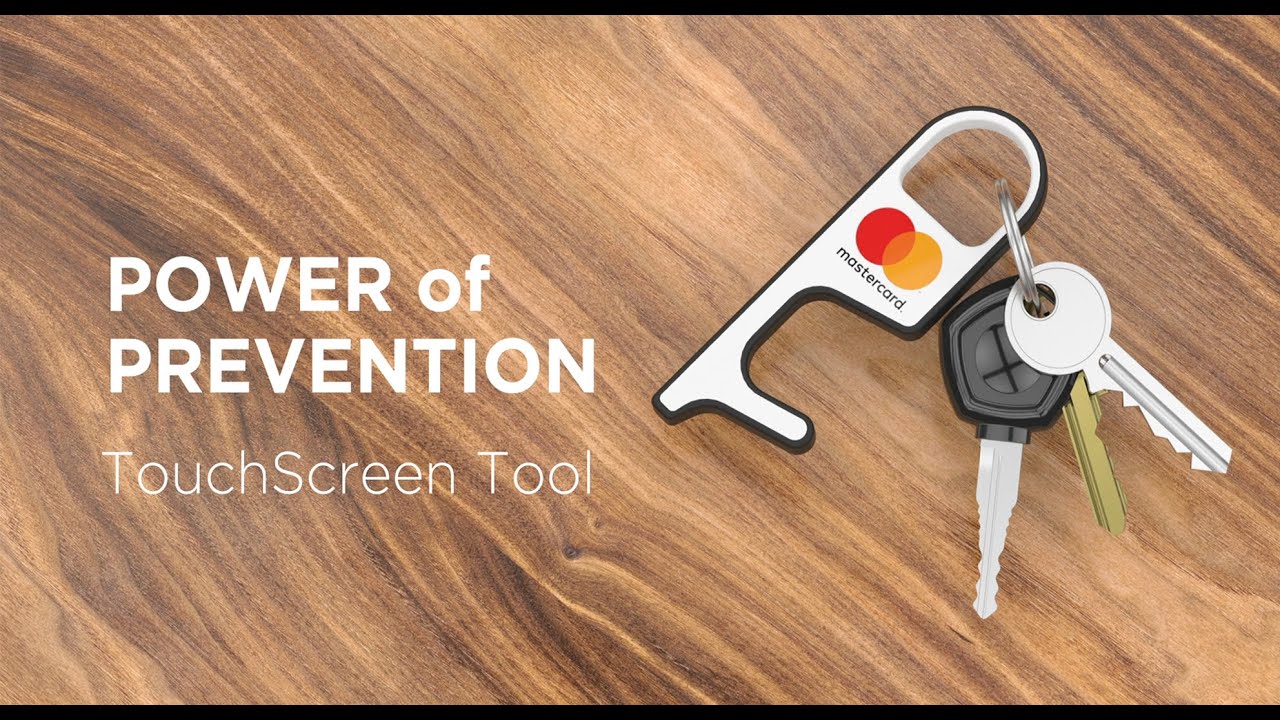
Avoiding direct touchscreen contact is crucial for minimizing the risk of bacterial transmission. This necessitates exploring alternative methods for interacting with touchscreens. Fortunately, several promising approaches exist, offering various levels of effectiveness and practicality. From voice commands to advanced gesture recognition, the options are diverse and evolving rapidly.
Alternatives to Direct Touch
Touchscreens are ubiquitous, but direct contact carries inherent health risks. Fortunately, a range of alternative interaction methods are emerging, each with its own set of advantages and disadvantages. These alternatives aim to reduce or eliminate the need for physical contact.
- Voice Commands: Voice-activated software can control touchscreen functions. This method is particularly useful for tasks requiring multiple inputs, such as navigating menus or entering text. The effectiveness of voice recognition depends heavily on factors like background noise and the clarity of speech. For example, a quiet office environment will likely yield more accurate results than a busy café.
Advantages include hands-free operation and the potential for speed. Disadvantages include the need for a stable internet connection and potential issues with command ambiguity.
- Gesture Recognition: Sophisticated cameras and software can interpret hand movements as commands. This technology is already used in some consumer electronics, and its application to touchscreens is rapidly improving. Gesture recognition offers the potential for highly intuitive and natural interactions. For instance, swiping or pinching can be translated directly into touchscreen actions. Effectiveness is affected by factors like lighting conditions and the user’s hand movements.
Advantages include natural interaction, minimizing contact with the screen. Disadvantages include potential sensitivity to environmental factors and the need for high-quality sensors.
- Stylus Pens: Stylus pens, often used with tablets, offer a physical alternative to direct finger contact. The pens transmit user input through a conductive tip. They are effective for precise tasks such as drawing, writing, or editing documents. Their effectiveness depends on the quality of the stylus and the sensitivity of the touchscreen. Advantages include precise control and reduced transmission risk.
Avoiding those nasty bacteria lurking on touchscreens is key, but what about the hand sanitizer you’re reaching for? Choosing a safe and effective hand sanitizer is crucial to your germ-fighting strategy. Learn how to tell if the hand sanitizer you’re buying is truly up to the task by checking out this helpful guide: how to tell if the hand sanitizer you’re buying is safe.
Ultimately, if you’re serious about avoiding dangerous bacteria, avoiding touchscreens is still your best bet!
Disadvantages include the additional cost of the stylus and the potential for discomfort during prolonged use.
- Proximity Sensors: These sensors detect the presence of a user’s hand or another object near the screen. They can trigger actions without direct contact, providing a hands-free method for navigation. Effectiveness depends on the sensor’s sensitivity and accuracy in recognizing user intent. Advantages include a high degree of hygiene and hands-free operation. Disadvantages include potential interference from surrounding objects or ambient signals and the necessity of dedicated sensor hardware.
Hands-Free Interaction System Design
A comprehensive hands-free interaction system would need to integrate multiple technologies. A potential design could combine voice recognition, gesture recognition, and proximity sensors. For example, voice commands could navigate menus, while gestures could control more intricate tasks, and proximity sensors could enable simple actions like activating the display or scrolling.
Cost-Effectiveness Analysis
The cost-effectiveness of each alternative depends on the specific implementation and the required features. Voice recognition software is relatively inexpensive, while gesture recognition systems can be more costly, requiring high-quality cameras and sophisticated algorithms. Stylus pens represent a lower cost compared to more advanced systems, but the long-term cost-benefit analysis depends on their lifespan and frequency of use.
Proximity sensors are likely to increase the initial cost of the system, but their potential to eliminate the need for physical contact with the touchscreen may make them a cost-effective solution in the long run. A detailed cost-benefit analysis would need to take into account factors like maintenance, software updates, and replacement costs over time. For example, if a stylus pen has a high failure rate, its cost-effectiveness is reduced compared to a system with fewer mechanical parts.
Hygiene Practices for Touchscreen Use
Touchscreens are ubiquitous in modern life, from smartphones and tablets to ATMs and public kiosks. However, their widespread use necessitates a focus on hygiene to mitigate the risk of spreading harmful bacteria. Proper handwashing and sanitization procedures, coupled with regular cleaning of touchscreen surfaces, are crucial for maintaining a healthy environment and reducing the risk of infection.Understanding the potential for contamination on touchscreens is essential for implementing effective hygiene practices.
Constant contact with diverse individuals leads to a buildup of microorganisms, including potentially harmful bacteria and viruses. This underscores the need for consistent and meticulous hygiene protocols to minimize the spread of pathogens.
Proper Handwashing Techniques
Maintaining meticulous hand hygiene is paramount before and after interacting with touchscreens. Washing hands thoroughly with soap and water for at least 20 seconds is the gold standard. This process effectively dislodges and removes bacteria and viruses from the skin.
- Wet your hands thoroughly with clean, running water.
- Apply a generous amount of liquid soap to your hands.
- Rub your hands together vigorously for at least 20 seconds, covering all surfaces, including the backs of your hands, between your fingers, and under your nails.
- Rinse your hands thoroughly under clean, running water.
- Dry your hands with a clean towel or air dry them.
Sanitizing and Disinfecting Touchscreen Surfaces
Beyond hand hygiene, appropriate sanitization of touchscreen surfaces is vital. Various sanitizing solutions are available, each with varying effectiveness. Choosing the right product depends on the specific surface material and the type of pathogens present.
Sanitizing Solutions and Effectiveness
- Isopropyl Alcohol (70%): This is a common disinfectant effective against a broad spectrum of microorganisms. Its effectiveness stems from its ability to disrupt the cell membranes of bacteria and viruses.
- Bleach Solutions (0.5%): A dilute bleach solution is an effective disinfectant, but it should be used cautiously as it can damage some surfaces. Carefully follow product instructions and ensure the solution is appropriately diluted.
- Commercial Disinfectants: Many commercial disinfectants are specifically formulated for touchscreen surfaces. These products are often designed to be gentle on the surface while remaining effective against various pathogens. Always follow the manufacturer’s instructions for dilution and application.
Importance of Regular Touchscreen Cleaning
Regular cleaning of touchscreens is crucial to maintaining a hygienic environment. Accumulated dirt, grime, and microorganisms can reduce the touchscreen’s sensitivity and lifespan.
Proper Touchscreen Cleaning Techniques
- Surface Preparation: Before applying any cleaning solution, ensure the touchscreen surface is free of loose debris. Use a soft, lint-free cloth to wipe away any visible dirt or dust.
- Solution Application: Apply a small amount of the chosen cleaning solution to the cloth. Avoid applying the solution directly to the touchscreen to prevent liquid damage.
- Gentle Wiping: Gently wipe the touchscreen surface in a circular motion. Ensure that you cover all areas of the touchscreen. Avoid excessive pressure that may damage the surface or the device itself.
- Drying: After cleaning, use a clean, dry cloth to dry the surface completely. This prevents water spots or streaks.
Frequency of Cleaning
The frequency of touchscreen cleaning depends on the environment. High-traffic areas, such as public kiosks or shared workspaces, require more frequent cleaning than personal devices. Regularly cleaning shared touchscreens can help mitigate the risk of spreading germs.
Public Health Implications
Touchscreens, ubiquitous in modern public spaces, present a significant public health concern due to the potential for rapid and widespread transmission of bacteria. This contamination, if left unchecked, can lead to various illnesses, especially among vulnerable populations. Understanding the risks and implementing effective hygiene strategies are crucial for maintaining public health and safety.The frequent contact of multiple individuals with touchscreens in shared environments like public transportation, libraries, and retail stores creates an ideal breeding ground for the proliferation of harmful microorganisms.
The sheer volume of potential exposures underscores the importance of proactive measures to minimize contamination.
Impact of Touchscreen Hygiene on Public Health
Contamination of touchscreens can lead to the spread of various illnesses, ranging from common colds and flu to more serious infections. Frequent contact with contaminated surfaces, especially by individuals with compromised immune systems, can exacerbate existing conditions or lead to new infections. Public health implications extend beyond individual well-being, encompassing community-wide health outcomes and the burden on healthcare systems.
Want to avoid those pesky bacteria lurking on touchscreens? It’s a good idea to limit your touch screen interactions, especially if you’re trying to stay healthy. Speaking of health, did you know that choosing the right carbs can significantly impact your diabetes management? For a detailed look at good carb options for diabetes, check out this helpful resource: good carb for diabetes.
So, next time you’re tempted to reach for that phone or tablet, remember to keep those bacteria at bay!
Statistics on Touchscreen-Related Infections
Unfortunately, precise statistics on touchscreen-related infections are difficult to obtain. While no definitive studies link specific outbreaks to touchscreen contamination, the high volume of bacterial transfer observed in laboratory settings strongly suggests a potential for public health consequences. Further research is needed to establish definitive correlations.
Public Health Campaigns Focused on Touchscreen Hygiene
Several organizations have implemented public health campaigns promoting hand hygiene and safe touchscreen use. These campaigns often involve public service announcements, educational materials, and promotional activities in high-traffic public spaces. Examples include posters in hospitals and transit hubs emphasizing handwashing and avoiding unnecessary touch screen contact.
Best Practices for Touchscreen Hygiene in Public Spaces
Implementing effective hygiene practices in public spaces is paramount. Best practices include:
- Regular Disinfection: Regular disinfection of touchscreens, particularly in high-traffic areas, is essential. This involves employing appropriate disinfectants and ensuring consistent application according to manufacturer guidelines.
- Promoting Handwashing: Encouraging handwashing, especially before and after touching touchscreens, is crucial. Clear signage and readily available handwashing facilities can greatly enhance compliance.
- Promoting Alternative Input Methods: In environments where feasible, alternative input methods, like voice commands or dedicated input devices, can significantly reduce touchscreen contamination. This approach is particularly beneficial for vulnerable populations.
Comparison of Touchscreen Hygiene Strategies
Different touchscreen hygiene strategies exhibit varying degrees of effectiveness. Handwashing campaigns, while effective in promoting general hygiene, do not directly address the issue of contaminated touchscreens. Regular disinfection, when implemented properly, provides a more targeted approach. Alternative input methods offer a long-term solution for high-risk situations.
Table Outlining Public Health Strategies
| Strategy | Target Audience | Implementation | Effectiveness |
|---|---|---|---|
| Handwashing campaign | General public | Public service announcements, posters, signage in public spaces | High (promotes general hygiene) |
| Regular disinfection | Public spaces | Scheduled disinfection by trained staff, using appropriate disinfectants | Medium (requires consistent implementation and appropriate disinfectants) |
| Alternative input methods | Vulnerable populations, individuals with specific needs | Design and availability of alternative input methods, such as voice control or dedicated input devices | High (reduces direct contact with contaminated surfaces) |
Technological Solutions: Want To Avoid Dangerous Bacteria Dont Use Touch Screens
The proliferation of touchscreens in public spaces necessitates innovative solutions to mitigate bacterial contamination. This section explores technological advancements designed to reduce the spread of harmful pathogens on these surfaces. From antimicrobial coatings to self-cleaning mechanisms, various approaches are being developed to create a safer environment for users.
Antimicrobial Coatings
Antimicrobial coatings are a prominent strategy for combating bacterial contamination on touchscreens. These coatings are designed to inhibit the growth and proliferation of microorganisms. Different materials and techniques are employed to achieve this, ranging from metallic compounds to advanced polymer formulations. These coatings often disrupt the cell walls or metabolic processes of bacteria, effectively preventing their replication.
Keen to avoid those pesky bacteria? Skip the touchscreens! It’s a simple hygiene tip, but crucial, especially if you’re looking after your health. For those managing diabetes, understanding the complexities of managing blood sugar levels, like the intricacies explored in Brendan McEachern’s insightful book bolus blues diabetes book brendan mceachern , can also impact your overall well-being, reminding us that a proactive approach to health is key.
Keeping those screens germ-free is just one part of that.
- Silver-based coatings are highly effective in reducing bacterial populations. Silver ions, known for their antimicrobial properties, are incorporated into the touchscreen material, creating a continuous antimicrobial barrier. Examples include silver nanoparticles dispersed in polymers, or silver-infused glass. However, long-term environmental effects of silver leaching are a concern, requiring ongoing research to address potential ecological consequences.
- Copper-based coatings offer a less costly alternative, exhibiting good antimicrobial activity. Copper ions have proven effective in killing various types of bacteria and fungi. Copper-infused polymers or copper-plated surfaces are frequently employed. While less expensive than silver, copper-based coatings may not be as durable, potentially requiring more frequent application or replacement.
- Ceramic-based coatings are another option, offering relatively low cost and high durability. These coatings often rely on the physical properties of the ceramic material to deter bacterial growth. However, the effectiveness of ceramic-based coatings against bacteria is generally lower compared to silver or copper.
Design Principles of Antimicrobial Touchscreens
The design principles of antimicrobial touchscreens are critical for effective bacterial reduction. Key aspects include the uniformity and thoroughness of the antimicrobial coating application. Ensuring a continuous layer across the entire touchscreen surface is crucial to prevent bacterial colonization in gaps or crevices. The chemical composition of the coating material and its interaction with the underlying touchscreen substrate also play a role.
Optimization of the coating’s chemical structure and its ability to release antimicrobial agents consistently is crucial.
Limitations of Current Technologies
While antimicrobial coatings represent a significant advancement, several limitations exist. The cost-effectiveness of silver-based coatings can be prohibitive for widespread adoption in public spaces. Durability issues, particularly for copper-based coatings, can lead to reduced efficacy over time. Furthermore, the long-term effects of some antimicrobial agents on human health and the environment require thorough investigation and rigorous testing.
Comparison of Materials for Touchscreen Construction
The material used for touchscreen construction directly influences hygiene. Glass touchscreens, while prevalent, can accumulate bacteria more readily than other materials. Polycarbonate or other polymer-based touchscreens, with their smoother surfaces, can potentially offer better hygiene. Further research is needed to compare the long-term hygiene performance of different touchscreen materials, including their resistance to scratching and abrasion.
Efficacy of Antimicrobial Coatings
| Coating Type | Effectiveness (bacteria reduction) | Cost | Durability |
|---|---|---|---|
| Silver-based | High | Medium | High |
| Copper-based | Medium | Low | Medium |
| Ceramic-based | Low | Low | High |
The table above summarizes the effectiveness, cost, and durability of various antimicrobial coatings. The choice of coating will depend on specific application requirements and budget considerations.
Educational Resources and Recommendations

Educating the public about touchscreen hygiene is crucial to mitigating the spread of harmful bacteria. Clear, concise, and engaging resources are vital for fostering a culture of responsible touchscreen interaction. This section Artikels practical strategies for creating accessible and effective educational materials.
Educational Materials for Promoting Touchscreen Hygiene
Effective educational materials should be easily accessible and adaptable to various audiences. They should present information in a clear, concise manner, avoiding jargon and complex technical terms. Consider using visual aids like infographics and interactive tools to enhance understanding and engagement. A combination of written materials, videos, and interactive demonstrations will maximize effectiveness.
Designing a User-Friendly Infographic Explaining Touchscreen Hygiene
A well-designed infographic can effectively communicate key concepts related to touchscreen hygiene. The infographic should visually represent the process of bacteria transmission and the importance of proper hygiene practices. Use clear and concise text, accompanied by compelling visuals such as illustrations or icons. Consider using different colors and fonts to highlight key messages and create a visually appealing layout.
Include a concise explanation of the dangers of improper hygiene, and the benefits of following recommended practices.
Examples of Incorporating Touchscreen Hygiene into Daily Routines, Want to avoid dangerous bacteria dont use touch screens
Establishing regular hygiene practices for touchscreen use will significantly reduce the spread of bacteria. Incorporate these practices into your daily routine, making them an automatic part of your interactions. For example, always wash your hands before touching a touchscreen device, especially after using shared touchscreens in public areas. Carrying hand sanitizer and using it before interacting with touchscreens in public spaces is also a good practice.
Recommendations for Maintaining a Clean and Safe Environment Regarding Touchscreens
Regular cleaning and disinfection of touchscreens are crucial for maintaining a safe environment. Regularly clean shared touchscreens in public areas such as libraries, waiting rooms, or hospitals. Use appropriate disinfectants and cleaning cloths that are approved for use on touchscreen surfaces. Regular cleaning schedules and designated cleaning personnel should be implemented in high-traffic areas.
Guide for Different Industries Regarding Touchscreen Hygiene
Specific guidelines for touchscreen hygiene are essential for different industries. For instance, in healthcare settings, strict adherence to hygiene protocols is paramount to prevent the spread of infections. Strict hand hygiene protocols, combined with regular disinfection of touchscreens, are essential in healthcare environments. In food service industries, the risk of cross-contamination is significantly higher. Frequent cleaning and disinfection of touchscreens, combined with comprehensive hand hygiene protocols, are crucial.
Restaurant staff and food handlers should be trained to follow specific procedures for touch screen use to prevent contamination. A well-defined procedure, along with appropriate training, is crucial to ensure safe and hygienic practices. These procedures must be documented and regularly reviewed.
Last Recap
In conclusion, minimizing exposure to harmful bacteria on touchscreens is achievable through a multi-faceted approach. While eliminating touchscreens entirely may not be realistic, implementing better hygiene practices, exploring alternative interaction methods, and adopting technological solutions can significantly reduce the risk. Understanding the science behind bacterial spread and the effectiveness of different cleaning methods empowers individuals and organizations to create a safer environment for everyone.
By combining these approaches, we can all work towards a more hygienic and healthy future.