What to know about second wave of flu sets the stage for this enthralling narrative, offering readers a glimpse into the complexities of seasonal influenza outbreaks. This guide delves into the nuances of a second wave, examining its characteristics, potential impacts, and strategies for preparedness. We’ll explore everything from the scientific underpinnings to the public health measures that can help us navigate a second wave effectively.
Understanding the typical timeframe for a second wave, along with the distinct symptoms and transmission patterns, is crucial. This in-depth look also analyzes the potential strain on healthcare resources and the critical role of public health initiatives in mitigating the impact on society.
Overview of Second Wave Flu
A second wave of influenza, a recurring phenomenon, typically follows the initial surge of flu cases in a season. Understanding its characteristics and potential factors is crucial for effective preparedness and public health strategies. This detailed analysis delves into the specifics of second wave flu outbreaks, exploring their timing, potential causes, and how they differ from the first wave.Influenza outbreaks often exhibit a seasonal pattern, with peaks and dips in cases throughout the winter months.
A second wave signifies a resurgence of the virus after a period of relative decrease. This subsequent increase in cases typically presents a distinct challenge, requiring a nuanced approach to prevention and response.
Defining a Second Wave
A second wave of influenza is characterized by a noticeable increase in influenza-like illnesses after a temporary decrease in cases following the initial wave. This resurgence is distinct from seasonal fluctuations and often involves a new or different strain of influenza virus, or a different circulating strain with increased transmissibility. The key feature is a subsequent wave of infection that demonstrates an increase in incidence of the virus compared to the period between the initial wave and the resurgence.
Typical Timeframe
The timeframe for a second influenza wave is variable and can occur anywhere from several weeks to several months after the first wave. It’s influenced by various factors including the specific virus strain, environmental conditions, and vaccination rates. Past outbreaks demonstrate a range of timing; some second waves have been observed as early as the late fall or winter, while others have materialized in the spring months.
The duration of the second wave is also variable and depends on the same factors that affect its timing.
Characteristics of First and Second Waves
The first and second waves of influenza outbreaks can differ in several ways. The initial wave often involves a broader range of influenza strains, and a larger proportion of the population may become infected. The second wave, however, often sees a shift in the dominant strain, potentially leading to different symptoms or severity in those infected. The initial wave may also be influenced by the strains of influenza that have circulated in the previous season, whereas the second wave may be driven by different strains that have emerged or changed.
Predicting the characteristics of a second wave is complex, as it is impacted by the specific strains circulating.
Flu Seasonality Patterns
Flu seasonality typically follows a predictable pattern, with cases peaking during the winter months in the Northern Hemisphere. Factors such as temperature, humidity, and human behavior can influence the spread of the virus. However, the exact timing and duration of flu seasons can vary from year to year. The seasonal nature of influenza makes it crucial to anticipate potential outbreaks and plan for response measures.
Factors Influencing Second Wave Emergence
Several factors can contribute to the emergence of a second wave of influenza. Viral mutations, particularly those that increase the virus’s transmissibility or immune evasion capabilities, can lead to outbreaks. Changes in population behavior, such as increased social interaction or reduced hygiene practices, can also influence the spread of the virus. A reduced effectiveness of existing immunity, due to changes in the virus or a lack of vaccination, could also lead to a resurgence.
Key Differences Between First and Second Wave Flu Outbreaks
| Characteristic | First Wave | Second Wave | Explanation |
|---|---|---|---|
| Dominant Strain | Often a combination of circulating strains | Often a different or mutated strain | The dominant strain may shift from the initial wave to the second. |
| Population Impact | Widespread infection | Potentially concentrated in specific populations | The second wave may not affect the entire population as the initial wave did. |
| Severity | Varying levels of severity | May have a different severity profile | The severity of the second wave is not guaranteed to be the same as the first wave. |
| Timing | Typically during the peak of flu season | After a period of reduced cases | The second wave emerges after the initial peak. |
Symptoms and Diagnosis
Navigating the second wave of influenza requires a keen understanding of its symptoms. While some similarities exist with the first wave, subtle differences and potential complications necessitate careful observation and diagnosis. This section delves into the common symptoms, potential complications, and crucial distinctions between influenza and other respiratory illnesses during this resurgence.Understanding the common symptoms of influenza during a second wave is vital for early detection and treatment.
Recognizing these indicators allows for prompt medical intervention, potentially mitigating the severity of the illness and preventing complications.
Common Symptoms of Second-Wave Influenza
The symptoms of influenza during a second wave are generally similar to those experienced during the initial wave. However, factors like individual immune responses and the specific strain of the virus can influence the presentation of symptoms. Typical symptoms include fever, cough, sore throat, muscle aches, headache, fatigue, and runny or stuffy nose.
Comparing First and Second Wave Symptoms
While the core symptoms remain consistent across influenza waves, some subtle differences might emerge. The duration of symptoms, severity of illness, and the presence of specific complications may vary depending on the specific strain of influenza circulating during each wave. Further, the prevalence of certain symptoms, such as gastrointestinal issues, might differ between waves.
Potential Complications of Second-Wave Influenza
Complications from influenza can range from mild to severe, impacting various organ systems. Secondary bacterial infections, such as pneumonia, are a significant concern, especially in individuals with underlying health conditions. Myocarditis, inflammation of the heart muscle, and encephalitis, inflammation of the brain, are less common but potentially life-threatening complications. Severe cases may also lead to acute respiratory distress syndrome (ARDS).
Understanding these complications is crucial for proactive healthcare management.
Differentiating Second-Wave Influenza from Other Respiratory Illnesses
Accurate diagnosis is essential for effective treatment. Differentiating influenza from other respiratory illnesses, such as the common cold, bronchitis, or COVID-19, can be challenging. While some symptoms overlap, key factors such as the sudden onset of high fever, intense muscle aches, and rapid progression to severe respiratory distress often point to influenza. Consult a healthcare professional for accurate diagnosis.
Table: Potential Symptoms, Severity, and Complications of Second-Wave Influenza
| Symptom | Severity (Mild, Moderate, Severe) | Potential Complications | Notes |
|---|---|---|---|
| Fever | Moderate to Severe | Dehydration, secondary infections | High fever often presents early. |
| Cough | Mild to Severe | Pneumonia, bronchitis | Persistent cough might indicate a secondary infection. |
| Muscle Aches | Moderate to Severe | Dehydration, fatigue | Intense aches can significantly impact daily activities. |
| Headache | Mild to Moderate | Dehydration | Often accompanies fever and other symptoms. |
| Fatigue | Moderate to Severe | Reduced immunity | Can persist for weeks after initial symptoms subside. |
Transmission and Prevention
The second wave of influenza presents unique transmission challenges compared to the initial outbreak. Understanding how the virus spreads and implementing effective preventive measures are crucial for mitigating its impact. This section details the transmission patterns, highlighting potential differences from the first wave, and Artikels practical strategies to curb the spread.
Transmission Methods
Influenza viruses are highly contagious, primarily transmitted through respiratory droplets produced when an infected person coughs, sneezes, or talks. These droplets can land in the mouths or noses of nearby individuals, or be inhaled directly into the respiratory tract. The virus can also spread via contaminated surfaces like doorknobs, shared utensils, and frequently touched objects, where individuals can pick up the virus by touching their mouths, noses, or eyes.
Comparison of Transmission Patterns
The transmission patterns of influenza can vary between waves. Factors like the specific influenza strain, population immunity levels, and environmental conditions (e.g., temperature, humidity) can all influence the spread. While the basic transmission mechanisms remain the same, the rate of spread and geographic distribution can change depending on these conditions. The second wave may exhibit different transmission patterns compared to the first, potentially targeting specific demographic groups or geographic areas with lower initial immunity.
For example, a second wave could impact regions that experienced lower infection rates during the first wave, as people have less built-up immunity in these areas.
Preventive Measures
Several measures can be implemented to prevent the spread of influenza, particularly during a second wave. These measures encompass personal hygiene practices, environmental controls, and public health interventions. Effective prevention strategies need to address the specific circumstances of the second wave and adapt to evolving transmission patterns.
Effectiveness of Preventive Measures
| Preventive Measure | Description | Effectiveness | Considerations |
|---|---|---|---|
| Handwashing | Frequent and thorough handwashing with soap and water, or hand sanitizer | High | Effectiveness depends on technique and frequency. |
| Respiratory Hygiene | Covering coughs and sneezes with the elbow or a tissue | High | Ensures droplets are contained and not dispersed. |
| Social Distancing | Maintaining physical distance from others | Moderate to High | Effectiveness depends on the level of distance and adherence. |
| Vaccination | Receiving the seasonal influenza vaccine | High | Effectiveness varies by strain and individual immune response. |
Vaccination’s Role in Preventing a Second Wave
Vaccination plays a critical role in mitigating the severity and spread of influenza, especially during a second wave. A significant portion of the population may have developed immunity to the original strain during the first wave, but the new strain could prove to be less effective in protecting against the second wave. The vaccination campaign needs to be timely and well-coordinated, targeting at-risk groups and individuals who were not vaccinated during the first wave.
Healthcare Response
Navigating a second wave of influenza requires a proactive and adaptable healthcare response. The healthcare system must be prepared to manage a surge in patients, ensuring access to care and minimizing the impact on other essential services. A robust response plan, encompassing preventative measures, resource allocation, and efficient patient flow, is crucial to mitigate the potential strain on the system.The second wave of influenza outbreaks often presents a more significant challenge than the initial wave.
This is because healthcare systems might already be stretched thin from the first wave, dealing with lingering effects of the initial outbreak, and possibly facing additional pressures from other concurrent health concerns. This necessitates a more sophisticated and strategic approach to resource management and patient care.
Strain on Healthcare Resources
The second wave of flu outbreaks can place immense pressure on healthcare resources, including hospital beds, intensive care unit (ICU) capacity, and medical staff. This strain is further amplified if the second wave coincides with other illnesses or medical emergencies. For example, during the 2009 H1N1 pandemic, the second wave placed a considerable strain on hospitals in many regions, highlighting the need for proactive planning.
Strategies for Managing Surge in Influenza Patients
Effective strategies for managing a surge in influenza patients include:
- Prioritization of care: Implementing triage protocols to prioritize patients based on severity of illness and need for immediate care. This ensures that those with the most critical conditions receive the necessary attention promptly. This includes determining criteria for immediate admission to the hospital and appropriate outpatient care for less severe cases.
- Expanding capacity: Hospitals and healthcare facilities may need to expand capacity by opening additional beds, setting up temporary facilities, or utilizing alternative care settings. This might involve activating surge plans that were already in place or developing new ones to accommodate the anticipated increase in patients.
- Optimizing resource allocation: Efficiently allocating resources, such as personal protective equipment (PPE), medication supplies, and laboratory testing capacity, is essential to maintain a sufficient supply during the surge. Strategies for managing resource allocation must consider the potential for shortages and incorporate robust inventory control and supply chain management.
Comparing First and Second Wave Responses
The healthcare response to the first wave of influenza typically focuses on initial detection, containment, and mitigation. The response to the second wave, however, must incorporate lessons learned from the first wave and adapt to potential changes in viral strains or patterns of transmission. This includes a heightened focus on preparedness, preventative measures, and the ability to scale up resources quickly.
Preparing Healthcare Facilities for a Second Wave
Preparing healthcare facilities for a second wave of flu outbreaks involves several key strategies:
- Proactive surge planning: Developing and regularly updating surge plans that Artikel specific actions to be taken in response to an increase in influenza cases. This plan should detail the process of activating resources, coordinating with external agencies, and ensuring smooth patient flow.
- Inventory management: Maintaining adequate supplies of PPE, medications, and other essential resources to support patient care during a surge. A detailed inventory management system is critical to avoid shortages and ensure availability of resources in a timely manner.
- Staff training and preparedness: Equipping healthcare workers with the necessary knowledge, skills, and resources to effectively manage patients with influenza. This includes training on infection control protocols, triage procedures, and the use of new or updated medical equipment and strategies.
Public Health Measures
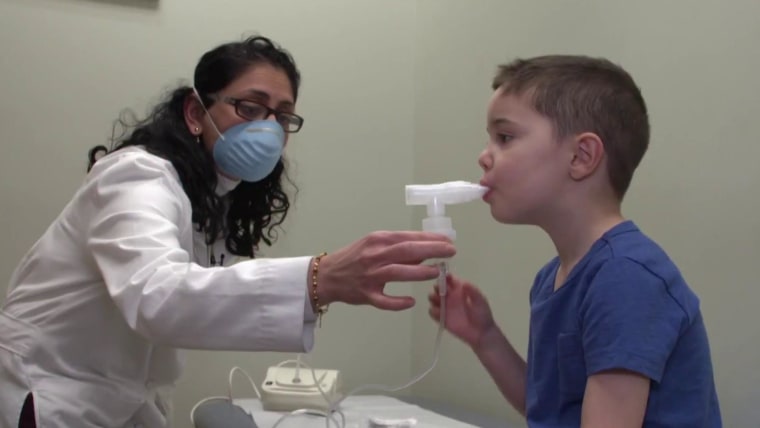
The second wave of influenza presents a significant challenge for public health systems. Effective public health measures are crucial to mitigating the impact of the virus and preventing widespread illness. These strategies involve a multi-faceted approach, ranging from public awareness campaigns to the crucial role of public health officials. A proactive and well-coordinated response is essential for minimizing the severity and duration of the second wave.
Public Awareness Campaigns
Public awareness campaigns play a vital role in educating the public about the importance of preventive measures during a second wave of influenza. These campaigns should highlight the specific risks associated with the circulating influenza strain and emphasize preventive actions.
So, the second wave of flu is hitting hard, and it’s crucial to stay informed. While we’re all concerned about the health impact, it’s also important to consider the financial strain on individuals and families, particularly when it comes to essential medications like insulin. Exploring the complexities of the insulin price market, like following insulin price money trail , reveals a deeper story about how these costs affect people’s everyday lives.
Ultimately, staying healthy during this wave requires a multi-faceted approach, encompassing preventative measures and advocating for affordable healthcare.
- Targeted Messaging: Campaigns should tailor messages to specific demographics, considering factors such as age, socioeconomic status, and cultural background. For example, messages aimed at children may focus on handwashing and covering coughs, while messages aimed at older adults may emphasize vaccination and seeking medical attention promptly.
- Leveraging Multiple Channels: Utilizing a variety of communication channels, such as social media, community events, and local news outlets, can ensure broad reach and engagement. This approach maximizes the impact of the message and targets different audience segments.
- Clear and Concise Information: Information should be presented in a clear, concise, and easily understandable manner. Avoid jargon and technical terms. Visual aids, such as infographics and videos, can enhance comprehension and engagement.
Examples of Effective Communication Strategies
Effective communication strategies during previous influenza outbreaks have proven crucial in shaping public behavior and reducing the spread of the virus.
- The Importance of Vaccination: Highlighting the effectiveness of vaccination campaigns is essential. Public awareness campaigns during past outbreaks emphasized the protective role of vaccination, which is critical in mitigating the impact of future waves.
- Promoting Hygiene Practices: Emphasizing the importance of frequent handwashing, covering coughs and sneezes, and disinfecting frequently touched surfaces was a common thread in successful campaigns. These simple measures can significantly reduce transmission.
- Encouraging Social Distancing: During outbreaks with high transmissibility, public awareness campaigns have included recommendations for social distancing, such as avoiding crowded spaces and maintaining physical separation. This strategy has proven to be effective in slowing the spread of the virus.
Role of Public Health Officials
Public health officials play a pivotal role in managing a second wave of influenza. Their expertise and experience are essential in coordinating responses and ensuring effective interventions.
- Data Analysis and Surveillance: Public health officials monitor disease trends and analyze data to understand the spread of the virus. This analysis informs decisions regarding public health measures and resource allocation.
- Resource Allocation: Public health officials allocate resources, such as personal protective equipment, testing supplies, and medical personnel, to areas experiencing the highest impact of the outbreak. Strategic resource allocation is crucial to ensure effective interventions.
- Collaboration and Coordination: Public health officials coordinate efforts with other agencies, such as healthcare providers, government organizations, and community leaders, to ensure a comprehensive and coordinated response.
Public Health Campaigns
Public health campaigns aimed at educating the public about second-wave flu prevention often involve clear and concise messaging.
So, a second wave of flu is definitely something to keep an eye on. It’s important to stay informed, but also be aware that misinformation is rampant. Doctors are facing a tough battle, not just against the virus, but also against the spread of false information – as highlighted in this important article about how doctors are fighting an infodemic doctors aren’t just fighting a pandemic; they’re also fighting an infodemic.
Ultimately, trusting credible sources, like your doctor, is key to navigating this flu season safely.
- Community-Based Initiatives: Local health departments can partner with community organizations to develop and implement tailored campaigns. This collaborative approach can increase community engagement and effectiveness.
- Collaboration with Media Outlets: Working with local media outlets can effectively disseminate public health information. This strategy can ensure that critical messages reach a wider audience.
- Using Visual Aids: Using visually appealing materials, such as posters, pamphlets, and videos, can enhance public understanding and engagement. This approach makes information more accessible and memorable.
Impact on Society
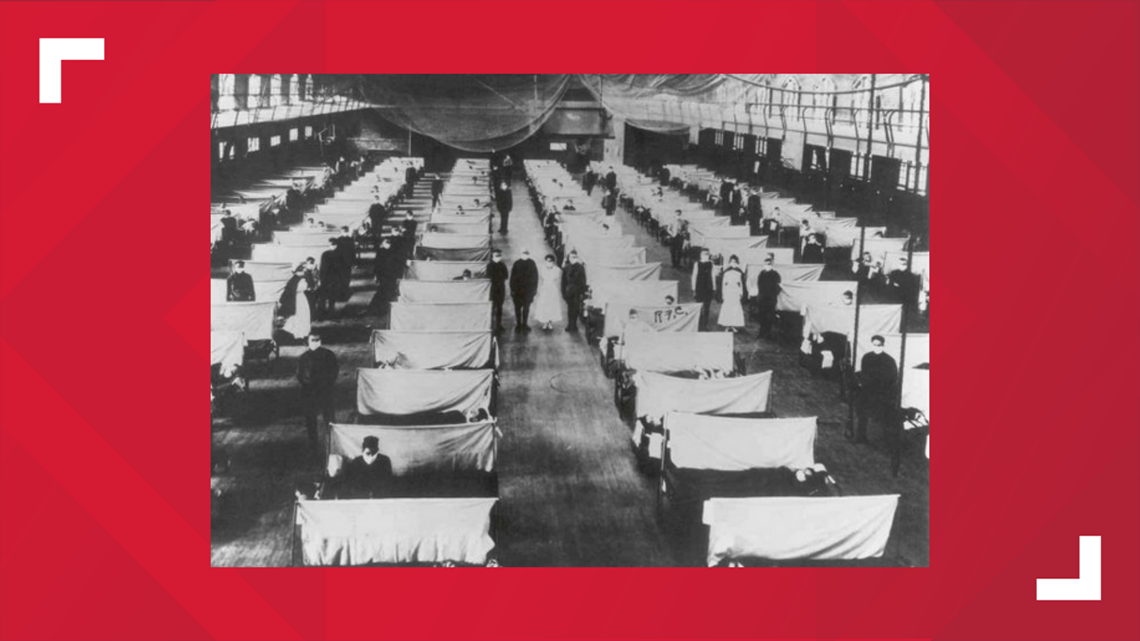
A second wave of influenza can significantly disrupt daily life, impacting various sectors from education to the economy. Understanding the potential effects on schools, businesses, and vulnerable populations is crucial for preparing for and mitigating the consequences of such an outbreak. The repercussions can be substantial, echoing the disruptions observed during the first wave and possibly extending to long-term consequences.The ripple effect of a second flu wave extends beyond individual illness.
Businesses may experience reduced productivity due to employee absences, impacting overall output and potentially leading to economic downturns. Schools may face closures or remote learning transitions, affecting students’ educational progress and disrupting routines for teachers and families. These disruptions can be compounded for vulnerable populations who may lack the resources to cope with extended absences from work or school.
So, a second wave of flu is looking possible, and it’s important to stay informed about preventative measures. While everyone’s focused on the uncertain future of chip production, and millions of families wait to see if chip will continue here , it’s crucial to remember that flu precautions are still vital. We need to know the symptoms and potential risks to stay healthy this season.
It is vital to recognize the interconnectedness of these societal impacts.
Potential Impact on Daily Life
A second wave of influenza can significantly impact daily life. School closures and remote learning may disrupt the educational process, while business closures or reduced operations can hinder economic activity. Public events and gatherings may be limited or cancelled, impacting social interactions and cultural events. These disruptions, while temporary, can significantly alter routines and expectations, leading to feelings of uncertainty and anxiety.
Effects on Schools
Schools may face closures or transition to remote learning during a second wave of influenza. This can affect student learning progress, particularly for students who lack access to adequate technology or internet connectivity. Teachers and support staff may also experience disruptions to their work schedules. The overall academic calendar and course schedules may need adjustments, leading to potential delays or changes in graduation timelines.
A comparison with the first wave would reveal similarities in the need for increased preparedness in terms of remote learning infrastructure and support for students and staff.
Effects on Businesses
Reduced employee productivity and absenteeism can severely impact business operations. Businesses may face reduced profitability, potential job losses, and delays in project completion. Supply chain disruptions may occur due to the illness of workers in essential sectors. Companies may need to implement measures such as flexible work arrangements or increased sanitation protocols to mitigate the impact.
Effects on the Economy, What to know about second wave of flu
The economic impact of a second flu wave can be substantial. Reduced consumer spending, business closures, and disruptions to supply chains can lead to a decline in economic activity. Government intervention, such as financial aid or stimulus packages, may be necessary to mitigate the economic downturn. The overall economic impact would be a complex interplay of factors, including the severity of the wave, the effectiveness of preventative measures, and the government’s response.
Impact on Vulnerable Populations
Vulnerable populations, including the elderly, young children, and those with pre-existing health conditions, are disproportionately affected by influenza. A second wave can exacerbate existing health disparities and increase the risk of severe illness and complications. Limited access to healthcare, social support, and essential resources can further complicate the situation. Addressing the specific needs of vulnerable populations is crucial during a second wave to prevent further health and economic disparities.
Comparison of First and Second Wave Impacts
Comparing the first and second wave impacts allows for a more nuanced understanding of the societal consequences. While both waves may lead to similar disruptions in schools and businesses, the second wave may be amplified by pre-existing exhaustion and fatigue among healthcare workers and society as a whole. Furthermore, the potential for more widespread public awareness and better preparedness measures may impact the severity of the second wave in certain sectors.
Potential Long-Term Effects
A second wave of influenza could potentially have long-term effects on individuals and society. The disruptions to education and employment may result in long-term learning deficits and economic setbacks. Mental health concerns, such as anxiety and stress, may also arise as a result of the prolonged uncertainty and disruption. A comprehensive approach to long-term recovery is needed to address these potential consequences.
Scientific Research
Understanding the patterns and behaviors of influenza outbreaks, particularly second waves, relies heavily on scientific research. This research provides crucial insights into viral evolution, transmission dynamics, and effective preventative and treatment strategies. Without robust scientific investigation, predicting and mitigating future outbreaks remains challenging.Scientific research plays a vital role in informing public health responses to influenza outbreaks. It helps us understand the complexities of influenza viruses, their capacity for mutation, and the factors that contribute to the emergence of second waves.
This knowledge is essential for developing targeted strategies to combat these outbreaks.
Influenza Virus Mutations
Influenza viruses are renowned for their high mutation rates. This genetic plasticity allows them to evade the immune responses of hosts and adapt to new environments. Understanding the specific mutations driving second-wave outbreaks is critical for predicting future trends. This involves analyzing viral genetic sequences collected from patients during the outbreak, identifying key mutations that correlate with increased transmissibility or virulence.
Importance of Research in Future Preparedness
Robust scientific research is indispensable for developing effective strategies to mitigate future second waves. By studying past outbreaks, identifying patterns, and understanding the factors that contribute to their emergence, we can enhance our preparedness and response capabilities. This includes improving surveillance systems, enhancing diagnostic tools, and developing more effective antiviral treatments. The 2009 H1N1 pandemic, for instance, highlighted the need for rapid diagnostic tests and effective antiviral therapies.
Key Areas for Future Research
A critical area of focus for future research is the identification of factors that contribute to the emergence of second waves. This includes investigating the role of environmental factors, host immunity, and viral genetic drift in the emergence of new strains or variants. Researchers should also investigate the interplay between influenza and other respiratory viruses, and how co-infections might influence the severity and duration of outbreaks.
Data Collection and Analysis
Data collection and analysis during a second wave are crucial for understanding the outbreak’s characteristics. Comprehensive data sets on patient demographics, symptoms, viral strains, and contact tracing information are essential. This data allows researchers to identify patterns in transmission, understand the impact on different populations, and assess the effectiveness of public health interventions. For example, data analysis could reveal whether certain age groups are more vulnerable to severe illness during a second wave.
This kind of data-driven insight is essential for guiding public health decisions.
Last Word: What To Know About Second Wave Of Flu
In conclusion, anticipating and responding to a second wave of flu requires a multifaceted approach. By understanding the factors influencing its emergence, the distinct characteristics of the second wave, and the potential impacts on society, we can develop proactive strategies for prevention and mitigation. This comprehensive guide offers a framework for preparedness, highlighting the critical role of scientific research, healthcare responses, and public health measures in navigating the complexities of seasonal influenza.