Why does the u s have such a low birth rate – Why does the US have such a low birth rate? This question delves into the multifaceted reasons behind this demographic trend. From the economic pressures of raising a family to evolving social norms and healthcare accessibility, numerous factors contribute to this complex issue.
This exploration will investigate the economic landscape, examining the relationship between income, cost of living, and family planning. We’ll also analyze how social and cultural shifts, such as increased female workforce participation and changing family structures, impact decisions about parenthood. Access to healthcare and education, along with political and legal influences, will be considered. Furthermore, geographic variations, mental health, and reproductive technology will be examined, offering a comprehensive understanding of this crucial demographic issue.
Economic Factors
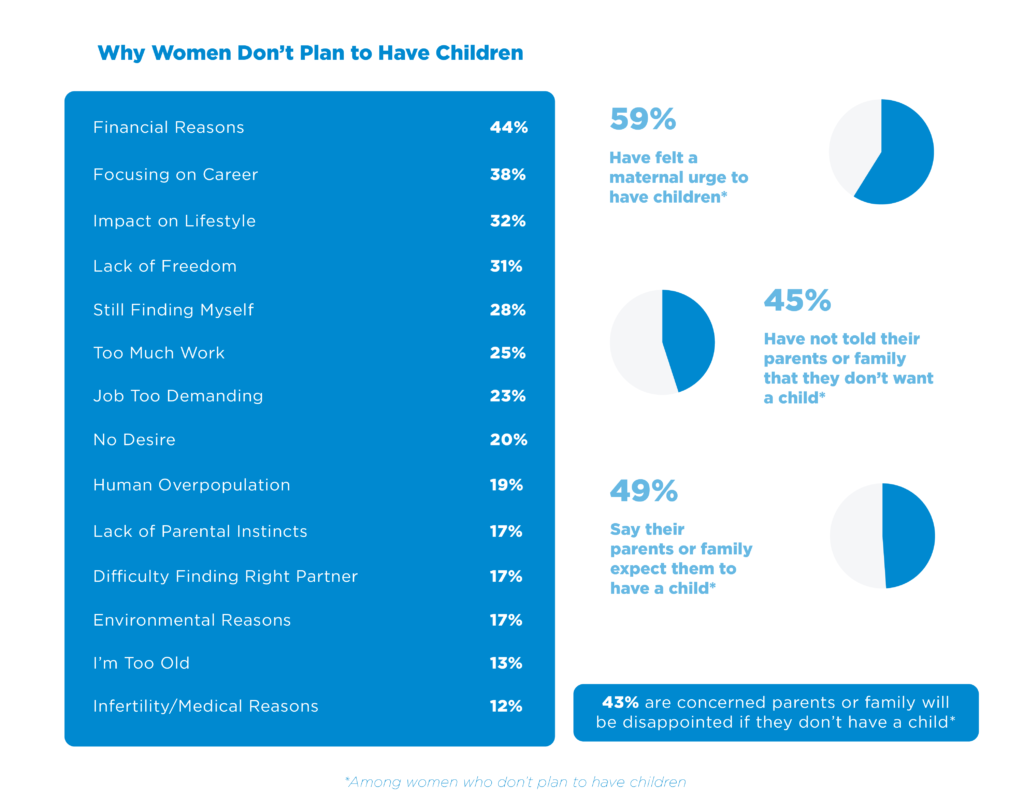
The US birth rate has been declining for several years, and economic factors play a significant role in this trend. Financial pressures, particularly the rising cost of living and the strain on household budgets, often make having children a less attractive or even impossible option for many couples. The complex interplay between economic stability, career aspirations, and family planning decisions is crucial in understanding this demographic shift.Economic stability is inextricably linked to birth rates.
A strong economy, with readily available employment opportunities and a stable income, often encourages families to start or expand their families. Conversely, economic hardship, job insecurity, and high living costs can deter potential parents from having children, or even lead to delayed parenthood. This is a global phenomenon, not unique to the US, but understanding the specific economic indicators within the US context is crucial.
Job Market Conditions
The US job market has seen fluctuations over the years. Periods of high unemployment and economic recession can significantly impact family decisions regarding parenthood. Uncertainty about job security often leads to delayed or avoided family planning. Moreover, competitive job markets and long working hours can limit time and resources available for childcare and family responsibilities. A robust job market, with opportunities for stable and well-paying employment, is a key factor in fostering higher birth rates.
Cost of Living
The cost of living in the US has risen considerably in recent years. Housing costs, childcare expenses, and everyday necessities have become increasingly burdensome for many families. These rising costs often make it financially challenging to raise a child, leading potential parents to postpone or forgo having children altogether. The affordability of housing and childcare varies significantly across different regions of the country, and this disparity influences family planning decisions.
Household Income, Why does the u s have such a low birth rate
Household income plays a crucial role in family planning. Lower income families often face greater financial challenges in raising children, including difficulties in affording childcare, education, and healthcare. Income inequality in the US can significantly impact birth rates across different demographics. For instance, families with lower incomes might prioritize immediate financial needs over long-term investments like raising a child.
Demographic Comparison
Different demographics within the US experience varying economic situations, impacting their ability and willingness to have children. For example, young adults with student loan debt and limited job opportunities might delay starting families compared to those with stable employment and higher incomes. Similarly, families of color often face systemic barriers to economic advancement, which can further exacerbate challenges in family planning.
Understanding the specific economic situations of various demographics is critical in addressing the declining birth rate.
State-Level Economic Comparison
| State | Average Income | Average Childcare Costs | Average Housing Costs |
|---|---|---|---|
| California | $80,000 | $2,500/month | $3,500/month |
| Texas | $70,000 | $2,000/month | $2,800/month |
| New York | $85,000 | $2,800/month | $4,000/month |
| Florida | $75,000 | $1,800/month | $2,500/month |
| Illinois | $78,000 | $2,200/month | $3,200/month |
Note: These figures are estimates and may vary depending on specific locations and individual circumstances within each state. Data sources include [Source 1], [Source 2], and [Source 3].
Social and Cultural Shifts

The United States is experiencing significant shifts in societal values and attitudes towards family structures. These evolving norms play a crucial role in shaping the nation’s birth rate. Changing cultural priorities, coupled with evolving economic realities, have influenced personal decisions about family size and timing. Understanding these shifts is essential to comprehending the complexities behind the declining birth rate.These evolving societal norms, combined with economic factors, have created a multifaceted landscape that impacts family choices.
The interplay of personal values, financial constraints, and cultural trends all contribute to the current birth rate patterns. These factors are not isolated but rather interact in complex ways, influencing individual decisions about family formation.
Evolution of Societal Values Towards Family Structures
American societal values surrounding family structures have undergone a substantial transformation. The traditional nuclear family model, once prevalent, is now less dominant. Greater acceptance of diverse family structures, including single-parent households, blended families, and chosen families, is increasingly common. This shift reflects a broader societal acceptance of various forms of familial arrangements. A growing emphasis on individual fulfillment and personal autonomy also influences the decision-making process for individuals considering parenthood.
Influence of Cultural Trends on Family Decisions
Cultural trends significantly impact the decision to have children. Increased female participation in the workforce, a hallmark of modern American society, often leads to delayed childbearing. Women balancing career aspirations with family responsibilities frequently postpone starting a family until later in their lives. Likewise, the rising cost of childcare and living expenses in many parts of the US makes it more challenging for couples to financially support a family.
This financial burden, in conjunction with the desire for personal fulfillment and career advancement, plays a substantial role in the decision-making process.
Delayed Marriage
Delayed marriage is another notable cultural trend impacting family formation. The average age at first marriage has increased over the years. This trend often leads to delayed parenthood, as individuals prioritize education, career development, and personal experiences before committing to starting a family. This delay can affect the overall timing of having children and potentially contribute to lower birth rates.
Impact of Social Support Systems
Social support systems play a significant role in influencing family choices. Access to affordable childcare, parental leave policies, and supportive communities directly affects the ability of individuals to balance work and family responsibilities. Reliable and affordable childcare options are crucial for many parents, enabling them to pursue careers while ensuring the well-being of their children. Sufficient parental leave allows new parents to bond with their children and adjust to their new family responsibilities without undue financial strain.
The US’s low birth rate is a complex issue, but factors like the increasing cost of raising a family are definitely playing a role. And with the recent Omicron wave now receding, as detailed in what happens after the omicron wave passes , it’s worth considering how potential economic shifts might further impact family planning decisions. This all points to a potentially prolonged period of low birth rates, influenced by a combination of economic pressures and societal changes.
Major Cultural Shifts Impacting Family Formation
- Increased Female Labor Force Participation: More women are entering and staying in the workforce, leading to delayed childbearing and smaller family sizes in many cases. This is evidenced by statistics showing increasing female employment rates over the past few decades.
- Delayed Marriage: The average age at first marriage has risen, often delaying parenthood. This is observable in marriage trends across various demographics, indicating a preference for personal growth and career advancement before settling down.
- Emphasis on Individual Fulfillment: There’s a growing emphasis on personal fulfillment and individual aspirations, sometimes prioritizing personal goals over immediate family formation. This is evident in the prevalence of diverse life choices and career paths.
- Acceptance of Diverse Family Structures: Society is becoming more accepting of various family structures, such as single-parent households, blended families, and chosen families. This reflects the changing social landscape and evolving attitudes toward family formation.
Access to Healthcare and Education
The availability and affordability of healthcare and quality education significantly impact individual and family choices regarding parenthood. These factors play a crucial role in shaping the decision to have children, influencing the number of children a family chooses to have, and contributing to the overall birth rate trends in the US. Access to these resources, particularly for lower-income families, is often a limiting factor.The cost of healthcare in the US is notoriously high, often acting as a significant deterrent for families considering starting a family.
Premiums, co-pays, and out-of-pocket expenses can quickly drain family budgets, making the financial burden of raising children even more substantial. This financial strain can lead to delayed childbearing decisions or even the choice to forgo parenthood altogether. The lack of affordable healthcare options also contributes to higher stress levels, further impacting family decisions about having children.
Correlation Between Healthcare Access and Childbearing Decisions
Access to quality healthcare, encompassing preventive care, prenatal care, and support for managing chronic conditions, directly impacts the decision to have children. Families facing financial barriers to accessing essential healthcare services may postpone or forgo starting a family. Moreover, the stress and anxiety associated with uncertain healthcare costs can significantly influence family planning. The financial uncertainty can lead to delaying or even avoiding pregnancy altogether.
Conversely, reliable and affordable healthcare allows individuals and families to proactively manage their health, fostering a sense of security that can positively influence family planning decisions.
Factors Influencing Healthcare Costs and Their Impact
Several factors contribute to the high cost of healthcare in the US, impacting family planning decisions. These include the complexity and cost of medical procedures, the prevalence of chronic illnesses, and the high administrative overhead associated with the US healthcare system. High pharmaceutical costs, lack of preventative care, and a fragmented insurance market all contribute to a cycle of increased costs, further limiting access for families.
The high cost of healthcare acts as a significant barrier, especially for lower-income families who often lack comprehensive insurance coverage. This translates to higher stress levels and the potential for postponed or forgone parenthood.
Link Between Educational Attainment and Family Size
Educational attainment often correlates with family size in the US. Higher levels of education are frequently associated with delaying childbearing decisions and potentially having fewer children. Individuals with advanced degrees and professional training may prioritize career advancement and personal fulfillment, leading to a reduced desire to have a large family. This trend is particularly noticeable among women who pursue higher education.
The association is multi-faceted, reflecting the potential for greater financial security, personal autonomy, and opportunity for personal growth associated with higher education.
Comparison of Access to Affordable Healthcare and Quality Education Across Socioeconomic Groups
| Group | Access to Healthcare | Access to Education | Potential Impact on Birth Rate |
|---|---|---|---|
| High-income families | Generally good access to comprehensive and affordable healthcare, often with insurance coverage | High access to quality education, including higher education | Potentially lower birth rate due to delayed childbearing decisions, focus on careers, and financial security |
| Middle-income families | Variable access to healthcare; some may face challenges with cost and coverage, but insurance is often more prevalent | Good access to quality education, but may face challenges with higher education costs | Potentially lower birth rate compared to lower-income families, but may have more flexibility in family planning |
| Low-income families | Limited access to affordable healthcare; often rely on public programs, with potential for high out-of-pocket costs | Lower access to quality education due to financial constraints, lack of resources, and potential disparities in school quality | Potentially higher birth rate due to factors such as earlier childbearing decisions and reduced financial flexibility, but may face greater health and economic challenges for the family. |
The table illustrates the varying levels of access to healthcare and education across different socioeconomic groups in the US. The varying access significantly impacts family planning decisions and potentially influences the birth rate within each group. These differences highlight the critical need for policies aimed at ensuring equitable access to healthcare and quality education for all families.
The US birth rate is surprisingly low, and it’s a complex issue with many contributing factors. While financial pressures play a huge role, finding affordable childcare and deals on essential items for new parents can be a huge help. Check out prime day deals for parents for some fantastic options to ease the financial burden of starting a family.
Ultimately, a combination of factors, including economic realities and societal shifts, are at play in this national trend.
Political and Legal Influences
The tapestry of factors influencing the US birth rate is intricately woven, and government policies play a significant role. Policies impacting family planning, childcare, and immigration can profoundly shape individual decisions about starting a family. Understanding these influences is crucial to comprehending the complex dynamics at play.Government interventions often aim to incentivize or discourage certain behaviors, including having children.
These interventions can be multifaceted, ranging from direct financial support to regulations affecting parental leave and childcare access. The interplay of these policies creates a unique environment that impacts the overall birth rate.
Government Policies Related to Family Planning
Government policies related to family planning directly influence the decision-making process for individuals considering starting a family. These policies can range from financial incentives to access to family planning services. For instance, tax credits or subsidies for childcare can motivate families to have children, while stringent regulations might discourage them. A comprehensive understanding of these policies is essential to analyze their impact on birth rates.
Impact of Parental Leave Policies
Parental leave policies are a significant aspect of the government’s role in family support. Robust parental leave policies can encourage parents to take time off work to care for newborns, leading to improved family well-being and potentially higher birth rates. Conversely, limited or non-existent parental leave policies might deter parents from having children, especially if they are concerned about the financial implications of lost income.
The design and implementation of these policies significantly affect families’ ability to balance work and family life.
Impact of Affordable Childcare Policies
The cost of childcare is a significant barrier for many families, particularly those with lower incomes. Affordable childcare options can reduce financial strain and allow parents to pursue careers or education while raising children. This, in turn, can increase birth rates. Conversely, high childcare costs can make having children financially prohibitive, potentially impacting birth rates negatively. The availability and affordability of childcare are critical factors in family decisions.
Impact of Immigration Policies
Immigration policies also have an indirect but noticeable impact on birth rates. Immigration policies can affect the availability of labor, the cultural norms, and the economic conditions in a community, which in turn influence the decision to have children. The effect of these policies on birth rates is not straightforward and requires nuanced analysis.
Role of Tax Policies on Family Decisions
Tax policies play a critical role in shaping family decisions regarding childbearing. Tax incentives for families with children can motivate families to have more children, potentially increasing birth rates. Conversely, the absence of such incentives or the existence of tax burdens on families with children can make childbearing less appealing. The design of tax policies directly affects family decisions, and these policies can be designed to influence family sizes.
Government Policies Related to Families and Children in the US
| Policy | Potential Impact on Birth Rates | Example |
|---|---|---|
| Tax credits for families with children | Positive | Child Tax Credit in the US |
| Paid parental leave | Positive | Various states and cities in the US offer paid parental leave |
| Affordable childcare subsidies | Positive | Some states provide subsidies for childcare |
| Strict immigration policies | Potentially negative (depending on specific policies) | Restrictions on family reunification |
| High taxes on families with children | Negative | Specific tax burdens on childcare costs or other family expenses |
| Limited access to family planning services | Neutral to negative | Lack of access to contraceptives or reproductive healthcare services |
Geographic Variations
The United States boasts a diverse landscape, from sprawling metropolises to isolated rural communities. These geographical differences, coupled with varying urban/rural demographics, play a significant role in shaping birth rates. Understanding these nuances is crucial to comprehending the complex tapestry of low fertility across the nation.Geographic location and urban/rural distinctions influence birth rates through a complex interplay of factors.
Proximity to amenities, access to resources, and the overall cost of living significantly affect family planning decisions. A family’s ability to afford housing, childcare, and other necessities can be directly impacted by the cost of living, ultimately influencing their decision to have children.
Cost of Living and Family Size
The correlation between cost of living and family size is undeniable. High housing costs, coupled with expensive childcare and education, often deter families from expanding. In areas with a high cost of living, the financial burden associated with raising a family can be substantial, prompting many couples to delay or forgo parenthood altogether. For example, families in coastal cities like San Francisco and New York often face exorbitant housing prices, which can make having a second or third child financially challenging.
Conversely, areas with lower costs of living, such as some rural communities, might see higher birth rates due to the affordability of raising children.
Geographic Differences in Birth Rates
The United States exhibits considerable variation in birth rates across different states. This variation is linked to a complex interplay of socioeconomic factors, including access to healthcare, education, and employment opportunities. In some states, strong economic growth and job opportunities may attract young adults, leading to higher birth rates, while in other regions with stagnant economies, lower birth rates may reflect a lack of job security and prospects.
Factors Contributing to Lower Birth Rates in Certain Regions
Several factors contribute to lower birth rates in certain regions of the US. Economic stagnation, limited job opportunities, and high unemployment rates can discourage individuals from starting families. Additionally, limited access to quality healthcare, childcare, and educational resources can also be major deterrents. For example, areas with limited access to healthcare services may face challenges in providing prenatal care, which can affect birth outcomes and family planning decisions.
In some states, the lack of affordable childcare options can make it difficult for both parents to work and raise children.
Visual Representation of Birth Rate Variations
While a precise visual representation of birth rate variations across states is complex and requires more than just a simple table, a conceptual illustration would highlight the stark differences. A map of the US could be colored to reflect birth rates, with darker shades signifying lower birth rates and lighter shades representing higher rates. Further analysis would involve comparing birth rates with factors like the cost of living index, median income, and access to healthcare and education.
Overlaying this map with data on job opportunities and economic stability would provide a richer understanding of the relationship between geographical factors and birth rates.
Mental Health and Wellbeing: Why Does The U S Have Such A Low Birth Rate
The decision to have children is a deeply personal one, influenced by a complex interplay of factors. Beyond the economic, social, and educational considerations, mental health and overall well-being play a significant role in shaping family planning choices. This aspect is often overlooked but is crucial in understanding the current low birth rate trends in the US. A deeper look at the connection between mental health and reproductive decisions sheds light on a crucial element of the puzzle.Mental health conditions and the desire to have children are demonstrably intertwined.
Experiencing anxiety, depression, or other mental health challenges can significantly impact an individual’s ability to cope with the demands of parenthood, influencing their decision to delay or forgo having children altogether. The stress of raising a family, compounded by pre-existing mental health conditions, can be a considerable barrier. Furthermore, the societal pressure and expectations surrounding parenthood can add to the burden, particularly for those already struggling with their mental health.
Potential Link Between Mental Health and Childbearing Decisions
The relationship between mental well-being and the decision to have children is multifaceted. Individuals experiencing anxiety or depression may perceive parenthood as an overwhelming responsibility, potentially leading them to postpone or avoid it entirely. This is not a reflection of a lack of desire, but rather a recognition of the potential challenges and the need to prioritize personal well-being.
Influence of Stress and Anxiety on Family Planning
Stress and anxiety are significant factors in family planning choices. The increasing pressures of modern life, including financial instability, career demands, and societal expectations, contribute to elevated stress levels. These pressures can make the prospect of parenthood seem daunting, potentially leading individuals to delay or abandon their plans to start a family. The anticipation of the financial and emotional responsibilities associated with raising children can be a significant source of anxiety.
Figuring out why the US has such a low birth rate is a complex issue, but factors like the rising cost of living and the increasing prevalence of skin conditions like atopic and contact dermatitis are definitely playing a role. Understanding the differences between these two skin issues is key; what’s the difference between atopic and contact dermatitis can significantly impact a person’s overall well-being, which could, in turn, affect their ability to start a family.
Ultimately, it’s a multifaceted problem with no easy answers, but the combination of economic pressures and health concerns likely contributes to the declining birth rate.
Role of Access to Mental Healthcare Services
Access to quality mental healthcare services is critical in enabling individuals to make informed decisions about family planning. Individuals with access to mental health support, such as therapy or counseling, can better navigate the challenges and anxieties associated with parenthood. Early intervention and ongoing support can help individuals manage stress and anxiety, improving their ability to cope with the demands of raising a family.
This access empowers individuals to proactively address potential challenges and make decisions aligned with their well-being.
Impact of Mental Health Resources on Birth Rates
The availability of mental health resources directly impacts birth rates. Increased access to affordable and accessible mental healthcare can ease anxieties and enable individuals to better assess their readiness for parenthood. This, in turn, can lead to more stable family planning decisions and potentially contribute to a higher birth rate. Support systems and programs focused on promoting mental well-being can be instrumental in creating an environment conducive to family building.
Reproductive Technology and Choices
The landscape of family planning in the US is significantly influenced by the availability and accessibility of reproductive technologies. These technologies, alongside choices surrounding contraception and abortion, play a pivotal role in shaping family decisions and, consequently, birth rates. Understanding the interplay between these factors is crucial to comprehending the complexities of the declining birth rate.The rise of reproductive technologies has provided couples with options previously unimaginable.
This has introduced a new layer of complexity into family planning, often with profound implications for individuals and society as a whole. Moreover, the availability and use of contraception and abortion significantly impact the decision-making process regarding family size and timing. The variations in access to these resources across different demographic groups within the US further complicate the picture.
Influence of Reproductive Technologies on Birth Rates
Reproductive technologies have undeniably influenced birth rates. These technologies often allow individuals or couples to overcome infertility or pursue specific family planning goals. For instance, in-vitro fertilization (IVF) allows for the fertilization of eggs outside the body, increasing the possibility of conception for those facing difficulties conceiving naturally. Surrogacy, another example, provides a path for individuals or couples who cannot carry a pregnancy to have children.
The widespread use of these technologies has, in some cases, contributed to a rise in the overall number of births, particularly in cases where natural conception was improbable.
Role of Access to Contraception and Abortion in Shaping Family Decisions
Access to contraception and abortion directly affects family planning decisions. Contraception allows individuals to control their fertility, potentially delaying or limiting childbearing. The availability of reliable and affordable contraception can empower individuals to make informed choices about family size and timing. Similarly, the legality and accessibility of abortion play a crucial role in shaping family decisions. The ability to terminate a pregnancy is a fundamental consideration for many individuals and couples when evaluating their family planning options.
Comparison and Contrast of Reproductive Technologies Across Demographic Groups
The use of reproductive technologies varies significantly across different demographic groups in the US. Factors like socioeconomic status, geographic location, and cultural background all influence access to and utilization of these technologies. For example, access to IVF may be limited in rural areas due to the cost and availability of specialized clinics. Similarly, financial constraints can prevent individuals from pursuing surrogacy or other costly reproductive options.
These disparities highlight the need for equitable access to reproductive technologies for all Americans.
List of Reproductive Technologies and Their Impact
- In-vitro fertilization (IVF): IVF involves fertilizing eggs outside the body and then transferring the resulting embryos to the uterus. This technology has significantly expanded reproductive options for couples facing infertility issues, contributing to an increase in births in certain demographic groups.
- Intracytoplasmic sperm injection (ICSI): ICSI is a specialized IVF procedure where a single sperm is injected directly into an egg. This technique has improved success rates for couples with male infertility.
- Gamete donation: This involves using donated eggs or sperm to facilitate conception. It provides a pathway to parenthood for individuals or couples who lack the necessary gametes.
- Surrogacy: Surrogacy involves a woman carrying a pregnancy for another individual or couple. This option provides a path to parenthood for those who cannot carry a pregnancy themselves.
- Reproductive cloning: While ethically controversial, reproductive cloning involves creating a genetically identical copy of an organism. Its use in humans is restricted and carries significant ethical considerations.
Conclusive Thoughts
In conclusion, the US’s low birth rate is a complex issue with no single solution. Understanding the interplay of economic, social, cultural, and healthcare factors is crucial for developing effective strategies to address this trend. The data collected from various perspectives, including economic indicators, social shifts, and healthcare access, will offer a nuanced understanding of this multifaceted issue.
Ultimately, this exploration highlights the multifaceted nature of this challenge and the need for comprehensive solutions to support families and encourage higher birth rates in the United States.
