Why you can buy junk food but not diapers and medicine with food stamps? This article delves into the surprising disparity between what’s considered acceptable and what’s deemed essential under the food stamp program. We’ll examine the eligibility criteria, explore the definition of “junk food,” and analyze the policies that allow for the purchase of one over the other.
What’s the rationale behind this apparent contradiction, and what are the potential consequences for families struggling to meet basic needs?
Food stamp programs, designed to help low-income families afford food, have specific eligibility criteria that must be met. These criteria often include income limits, household size, and asset restrictions, aimed at targeting individuals and families with limited resources. Understanding these parameters is crucial to appreciating the nuances of the current system and the reasons behind the seemingly paradoxical allowance of junk food purchases while restricting others.
Food Stamp Eligibility Criteria
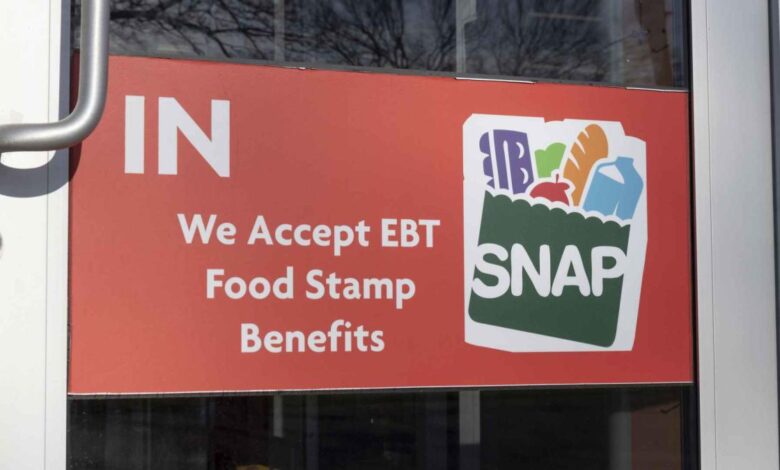
Navigating the complex world of government assistance can feel overwhelming. Understanding the eligibility criteria for programs like food stamps is crucial for those seeking help. These criteria are designed to ensure resources are directed towards those most in need, while also preventing abuse and ensuring equitable distribution of benefits. This section delves into the specifics of food stamp eligibility, comparing it to other aid programs, and highlighting the key differences.Eligibility for food stamps, officially known as Supplemental Nutrition Assistance Program (SNAP) benefits, hinges on several factors.
The primary consideration is income. Families with low incomes are more likely to qualify. Factors beyond income also play a role, like household size and assets.
Income Limits
Income limits vary depending on the size of the household and the state in which the application is filed. These limits are adjusted periodically to account for cost-of-living changes. For example, a single person might qualify with a lower income than a family of four. The exact figures are published by the USDA and can be accessed online, as they vary by state.
It’s so bizarre that you can buy junk food with food stamps, but not diapers or medicine. It just doesn’t make sense, does it? Like, seriously, how can a system prioritize empty calories over the essentials for a healthy life? And speaking of resilience, it’s inspiring to see how someone like he had a stroke at 33 now peloton instructor bradley rose is thriving again , overcame adversity to become a motivating figure.
It highlights the importance of prioritizing necessities for overall well-being, which sadly isn’t always reflected in our food assistance programs. This whole situation just makes you wonder about the priorities in place.
This ensures that programs are sensitive to regional economic disparities. Understanding these income limits is critical for determining eligibility.
Household Size and Composition
The number of people in a household directly affects the income limits. Larger households generally have higher income limits, as their needs are greater. For instance, a family of five might have a higher income threshold than a single individual. This is a critical aspect of the eligibility criteria, recognizing that the needs of a family are significantly greater than an individual’s.
Asset Restrictions
While income is a primary factor, asset restrictions are also considered. Assets are the total value of an applicant’s possessions, such as savings accounts, real estate, or vehicles. There are established limits on the value of assets allowed to maintain eligibility. This helps prevent those with significant assets from accessing food assistance. These restrictions are in place to ensure resources are distributed to those who need them most.
Comparison to Other Government Assistance Programs
Eligibility criteria for food stamps differ from other government assistance programs. For instance, housing assistance programs might have different income and asset limits. Comparing these criteria provides insight into the varying needs addressed by different programs. This comparison highlights the specific focus of each program.
Eligibility Criteria Comparison Table
| Program | Income Limit | Household Size | Asset Restrictions |
|---|---|---|---|
| Food Stamps (SNAP) | Based on household size and state guidelines | Number of people in the household | Limited value of assets |
| Diapers | Based on income and household size, may be through a separate program | Number of children needing diapers | Variable restrictions depending on the program |
| Medicine | Based on income and household size, may be through Medicaid or other programs | Number of people needing medicine | Variable restrictions depending on the program |
The table above provides a basic comparison. Specific details and requirements may vary by state and program.
Defining “Junk Food”

The term “junk food” evokes images of sugary snacks, greasy fried foods, and processed treats. But a precise definition goes beyond simple visual cues. Understanding junk food requires analyzing its nutritional content, ingredients, and the marketing strategies that often surround it.
Essentially, junk food is characterized by a high density of calories, often from unhealthy sources like added sugars, unhealthy fats, and refined grains, coupled with low nutritional value in essential vitamins, minerals, and fiber. These foods often lack the complex nutrients that contribute to overall health and well-being. The criteria for classifying a food as “junk food” are not always universally agreed upon, but common characteristics often include high levels of added sugars, unhealthy fats, sodium, and processed ingredients.
Nutritional Content
Junk food is typically low in essential nutrients like vitamins, minerals, and fiber. This lack of essential nutrients contributes to a deficiency in the body’s ability to function optimally. In contrast, nutritious foods provide a wider range of vitamins, minerals, and fiber, supporting various bodily functions and overall health.
Ingredients
Processed ingredients are a defining characteristic of many junk foods. These ingredients often undergo significant alterations during processing, leading to a diminished nutritional profile. The addition of artificial flavors, colors, and preservatives further contributes to the lack of nutritional value. The high use of refined grains, sugars, and unhealthy fats further contributes to the negative impact on health.
Marketing Strategies
Junk food companies often employ aggressive marketing strategies, targeting children and adults with enticing advertisements, catchy slogans, and attractive packaging. This constant exposure can influence consumer choices, particularly for those who are not fully aware of the health implications of their dietary habits. Children, especially, are often susceptible to the persuasive nature of these marketing techniques. Such strategies often highlight taste, convenience, and affordability as primary selling points, while downplaying or ignoring the negative health consequences associated with these foods.
Examples of Junk Food
The following list provides examples of foods commonly considered “junk food,” categorized by type.
- Sugary Drinks: Sodas, fruit juices (high-sugar varieties), sweetened iced teas, and sports drinks are often high in added sugar and low in nutritional value.
- Processed Snacks: Chips, crackers, cookies, candy bars, and other packaged snacks are frequently high in unhealthy fats, sodium, and added sugars.
- Fast Food: Burgers, fries, pizza, fried chicken, and other fast-food items often contain high levels of unhealthy fats and sodium.
- Highly Processed Meats: Hot dogs, sausages, and bacon are frequently high in sodium and unhealthy fats, along with potential concerns regarding additives and processing methods.
Health Consequences
Consuming excessive amounts of junk food can lead to a variety of health problems. These consequences can range from minor issues to more severe conditions.
- Obesity: High calorie intake from junk food, coupled with a lack of essential nutrients, can contribute to weight gain and obesity.
- Cardiovascular Disease: High levels of unhealthy fats and sodium in junk food can increase the risk of heart disease and stroke.
- Type 2 Diabetes: The high sugar content in many junk foods can disrupt blood sugar regulation, increasing the risk of developing type 2 diabetes.
- Dental Problems: Sugary junk foods can contribute to tooth decay and gum disease.
- Nutrient Deficiencies: A diet heavily reliant on junk food can lead to deficiencies in essential vitamins and minerals.
Diapers and Medicine as Essential Needs
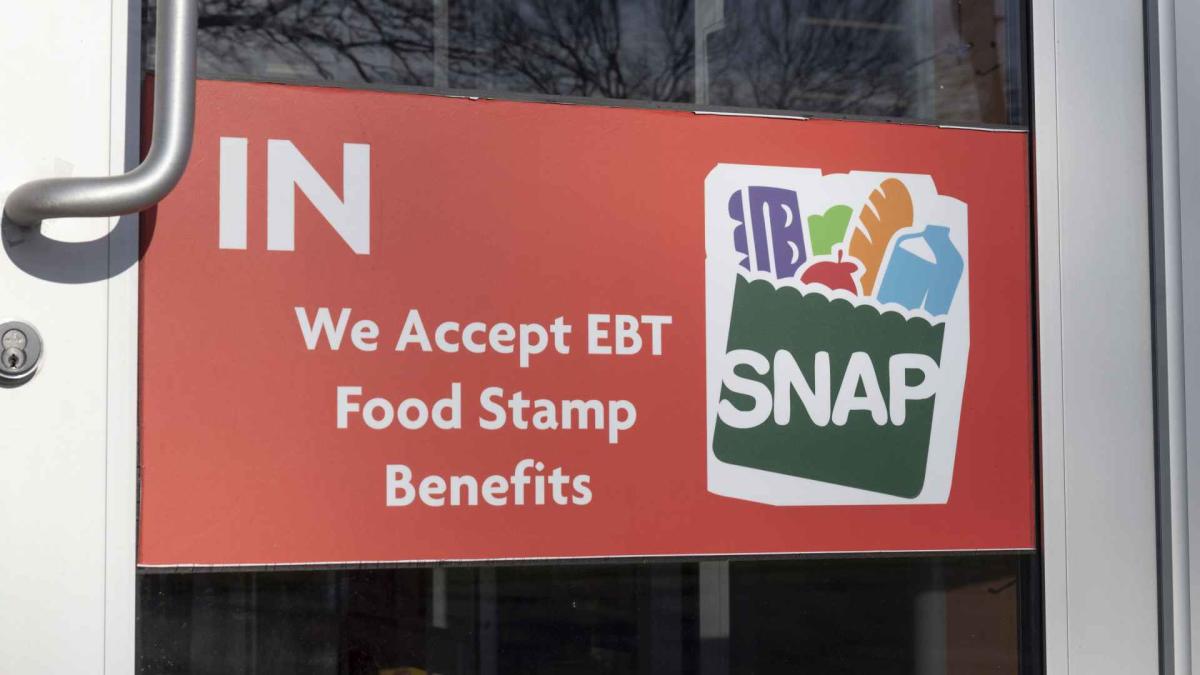
Diapers and medicine are often overlooked as basic necessities, but for many families, they are crucial for maintaining the health and well-being of their children and adults. These items are more than just conveniences; they are essential components of a healthy lifestyle and can significantly impact a family’s overall financial and social standing. Understanding the importance of these necessities is key to comprehending the complexities of food stamp programs and the needs of vulnerable populations.Access to diapers and medicine is vital for maintaining a child’s health and dignity, and their absence can have profound and lasting consequences.
Lack of proper sanitation can lead to infections, discomfort, and social stigma, impacting a child’s development and opportunities. Similarly, access to essential medications can be the difference between managing a chronic condition and experiencing severe health complications, and in many cases, life-threatening conditions.
Reasons for Considering Diapers Essential
Diapers are a fundamental necessity for children, particularly infants and toddlers. They are required for hygiene and preventing the spread of disease. Without proper diaper changes, children are at risk for diaper rash, urinary tract infections, and other health issues. Furthermore, the need for diapers extends beyond the immediate health concerns. Diapers enable children to participate in activities, attend school, and engage in social interactions without the limitations of unsanitary conditions.
A lack of access can limit a child’s independence and overall quality of life.
Reasons for Considering Medicine Essential
Medicine is an essential component of health care, addressing both acute and chronic conditions. The absence of necessary medications can have severe consequences for both children and adults. For children, it can lead to developmental delays, chronic health problems, and even death. For adults, it can mean worsening chronic conditions, increasing pain, and potentially reduced quality of life.
Potential Consequences for Children and Adults Without Access
The consequences of not having access to diapers and medicine are far-reaching and impact every aspect of a family’s well-being. For children, a lack of diapers can lead to:
- Increased risk of infections and illnesses.
- Impaired development and socialization.
- Social stigma and embarrassment.
- Difficulties with attending school and participating in activities.
The absence of necessary medications can lead to:
- Exacerbation of chronic conditions.
- Increased pain and discomfort.
- Reduced mobility and independence.
- Potential for life-threatening complications.
These consequences often extend beyond the individual, impacting the entire family unit, affecting their ability to function effectively and maintain stability.
Long-Term Impacts on Health and Well-being
The long-term impacts of inadequate access to diapers and medicine are substantial and can negatively influence a person’s overall health and well-being for years to come. The absence of these essentials can create a cycle of poverty and disadvantage, hindering opportunities for personal growth and economic advancement. These impacts can also manifest in significant physical and mental health issues, often requiring extensive and costly interventions.
Economic Burden on Families
The cost of diapers and medicine can be a significant burden on many families, especially those with limited financial resources. The costs can quickly accumulate, straining household budgets and making it difficult to meet other essential needs. The additional expenses associated with medical treatment or complications from a lack of these necessities can lead to an insurmountable financial burden, making it difficult to afford food, shelter, and other essential resources.
It’s frustrating when you can buy candy bars but not diapers with food stamps, isn’t it? The logic behind these restrictions is complex, but it boils down to the government’s intent to prioritize basic needs like nutrition. Knowing CPR for a heart attack could be a lifesaver, just like ensuring your child has the essentials for growth. Ultimately, the system prioritizes nutrition over non-essential items, which is a necessary but often debated part of the program.
It’s a complicated balance, isn’t it? Learning cpr for heart attack could save a life, but that doesn’t mean the current food stamp system makes sense when it comes to buying diapers or medicine.
This economic strain can further perpetuate cycles of poverty and inequality.
Government Policies and Regulations
Food stamps, a vital safety net for many, are designed to help low-income individuals and families afford nutritious food. However, the eligibility criteria for these programs often exclude essential items like diapers and medicine, despite these being critical needs for many families. This raises questions about the rationale behind these policies and their impact on vulnerable populations. Understanding these policies and their potential alternatives is crucial for creating a more comprehensive approach to poverty alleviation.The current policies restricting food stamp use to food items reflect a long-standing focus on food security.
The original intent of food stamps was to combat hunger and malnutrition, and the current guidelines aim to maximize the program’s effectiveness in achieving this goal. However, the exclusion of other essential needs creates a gap in support for families struggling with significant financial burdens. This gap in support can have serious consequences for the health and well-being of families who rely on these programs.
Rationale Behind Current Policies
The rationale behind current policies is often rooted in the historical context of food stamps. The primary aim was to ensure that the program’s resources were focused on providing food, thus reducing hunger. This focus has, in turn, created a system that does not fully address the broader needs of low-income families. In essence, the initial program’s goals, though well-intentioned, have not been adapted to encompass the complexities of modern poverty.
This creates a disparity between the initial aims and the current realities of struggling families.
Comparison to Policies in Other Countries
Different countries have varying approaches to supporting vulnerable populations. Some countries have broader social safety nets that include healthcare and childcare subsidies, which are often bundled into the support package for low-income families. For example, some European nations provide universal healthcare and childcare assistance as part of their welfare systems, while others offer targeted subsidies for specific needs.
This comparison highlights the diverse approaches to social welfare, emphasizing the need for a nuanced understanding of the challenges and complexities of poverty alleviation. These varied approaches underscore the ongoing debate on the optimal balance between targeted support and comprehensive social safety nets.
Potential Impacts of Expanding Eligibility
Expanding food stamp eligibility to include diapers and medicine could have several positive impacts. Families would have increased access to essential items, potentially reducing the risk of health issues and developmental delays, especially in children. The reduction in these risks would translate into long-term savings for the healthcare system. Moreover, the increased availability of these necessities could alleviate stress and financial strain on low-income families.
Ultimately, expanding eligibility could contribute to a healthier and more stable population, creating a positive ripple effect within communities.
Table of Government Funding for Necessities
This table Artikels potential differences in government funding for various necessities, highlighting the existing gaps in current support. It demonstrates the disparity between the financial support allocated to food compared to other essential needs, underscoring the need for a comprehensive approach to social welfare.
| Necessity | Current Food Stamp Funding | Potential Funding for Diapers/Medicine | Justification for Differences |
|---|---|---|---|
| Food | Significant funding allocated | N/A | Historically, a primary focus on food security. |
| Diapers | No direct funding | Potential for allocated funding | Often overlooked in the context of basic necessities. |
| Medicine | No direct funding | Potential for allocated funding | Healthcare is often a separate aspect of social welfare. |
Nutritional Value of “Junk Food”
The term “junk food” often evokes negative connotations, but understanding its nutritional content is crucial for making informed dietary choices. While some foods marketed as “junk food” may be high in calories, unhealthy fats, and added sugars, this doesn’t automatically mean they have no nutritional value at all. It’s essential to consider the context of a balanced diet and the potential health consequences of excessive consumption of any food group, including those often categorized as “junk food.”The nutritional profile of a food is not solely defined by whether it is labeled “junk food” or not.
It’s baffling, isn’t it, how food stamps allow you to buy sugary snacks but not essential items like diapers or medicine? Thinking about this made me reflect on my own daughter’s future, and how I’d want to guide her as she navigates her life’s choices. In a letter I wrote recently, a letter to my daughter as she decides what to do with her life , I encouraged her to prioritize her well-being and pursue passions.
Ultimately, it’s a shame that a system designed to help families can’t adequately support their most basic needs when it comes to critical necessities like diapers and medicine.
It’s more helpful to focus on the specific components and their amounts. This allows for a more nuanced understanding of how different foods contribute to overall health, whether they are included in a balanced diet, or should be limited.
Nutritional Content of Common “Junk Food” Items
Many commonly consumed “junk foods” are high in calories and unhealthy fats, while lacking essential nutrients like vitamins, minerals, and fiber. For instance, processed snacks often contain high levels of added sugars, which contribute to energy spikes and crashes, as well as potential health problems if consumed in excess. Conversely, some “junk foods” may provide a small amount of specific nutrients, but in such low quantities that they are not significant in comparison to more nutrient-dense alternatives.
Potential Health Benefits and Drawbacks
The inclusion of “junk food” in a diet can have both positive and negative consequences. Moderate consumption of some items might provide short-term energy boosts, but excessive intake can lead to weight gain, increased risk of chronic diseases, and nutritional deficiencies. In comparison, nutrient-dense foods offer sustained energy, support overall health, and promote well-being.
Comparison to Other Food Stamp Eligible Items
Comparing “junk food” to other food stamp eligible items reveals significant differences in nutritional value. While some “junk food” might provide empty calories, other eligible items, such as fruits, vegetables, whole grains, and lean proteins, offer essential vitamins, minerals, and fiber vital for maintaining health. The nutritional value of these items is directly related to their composition and preparation.
Balanced Diets Including “Junk Food”
It’s possible to incorporate “junk food” into a balanced diet without jeopardizing nutritional needs. A balanced diet emphasizes variety, portion control, and moderation. A diet that includes a wide range of foods, with a focus on nutrient-dense options, allows for occasional “junk food” consumption without compromising overall health.Examples of such balanced diets include:
- A diet high in fruits, vegetables, whole grains, lean proteins, and healthy fats, with a small portion of “junk food” like a small bag of popcorn or a few chips. This example highlights the importance of portion control when incorporating “junk food” into an otherwise healthy diet.
Alternatives and Support Systems
Navigating the complexities of affording essential needs like diapers and medicine, while facing limitations with food stamps, can be daunting for many families. Fortunately, a range of support systems are available to help bridge these gaps. Understanding these resources can significantly ease the burden on families facing these financial challenges.Beyond the limitations of food stamps, numerous avenues provide assistance for crucial necessities.
Community organizations, charities, and government initiatives often offer financial aid, resources, or referrals to aid families in meeting their diaper and medicine needs.
Alternative Resources for Diapers
Many families find themselves struggling to meet the significant cost of diapers. Understanding the different resources available can provide a sense of hope and direction.
- Diaper Banks: These organizations collect and distribute diapers to families in need. They often partner with community centers, hospitals, and social service agencies to ensure widespread access. Diaper banks are a crucial lifeline for families facing diaper poverty. They offer a vital service by providing much-needed support.
- Local Charities and Nonprofits: Various local charities and nonprofits dedicate themselves to supporting families. They often have programs focused on providing essential items, including diapers, to families experiencing hardship. Reaching out to local charities can open doors to critical assistance.
- Government Assistance Programs: In addition to food stamps, certain government programs may provide financial assistance for diapers, depending on the family’s specific circumstances. Exploring these options can be a critical step in obtaining necessary support.
Alternative Resources for Medicine
Medication costs can be a substantial financial burden for families. Access to affordable medicine is critical for maintaining health.
- Patient Assistance Programs (PAPs): Many pharmaceutical companies offer PAPs to help patients afford medications. These programs often provide discounts or free medications to those who qualify. Utilizing PAPs can significantly reduce the financial strain of medication costs.
- Medicaid and Medicare: These government-funded programs provide healthcare coverage for eligible individuals and families. Understanding the eligibility criteria for Medicaid and Medicare can help families access necessary medical care without substantial financial burdens.
- Community Health Centers: Many community health centers offer low-cost or sliding-scale services, including prescription medications. These facilities often prioritize affordability and accessibility, providing valuable support to families.
Effectiveness and Accessibility of Support Systems
The effectiveness of these support systems varies depending on the specific program, location, and family circumstances. While many organizations strive to meet the needs of families, accessibility can be influenced by factors like geographical location, program capacity, and eligibility requirements. It’s essential to research and explore options in your area to identify the most suitable support systems for your needs.
Assistance Program Eligibility Criteria
| Program Type | Description | Eligibility Criteria (General Examples) |
|---|---|---|
| Diaper Banks | Provide diapers to low-income families. | Low-income status, documented need for diapers, proof of residency. |
| Patient Assistance Programs (PAPs) | Offer discounts or free medications from pharmaceutical companies. | Proof of income, specific diagnosis or condition, proof of prescription. |
| Medicaid | Government-funded healthcare program. | Low-income status, specific conditions, proof of residency. |
| Community Health Centers | Offer low-cost or sliding-scale services. | Low-income status, documented need for healthcare services, proof of residency. |
Public Health Implications
The current food stamp policy, which allows for the purchase of certain non-essential items while restricting access to diapers and medicine, raises serious public health concerns. This disparity in access creates a significant barrier to families’ ability to maintain the health and well-being of their children and themselves. The implications extend beyond individual families, impacting community health and resources.
Impact on Childhood Development
The lack of access to diapers and medicine due to food stamp restrictions can have detrimental effects on a child’s development. Diapers are essential for hygiene and preventing infections, while access to medicine is crucial for treating illnesses and ensuring overall health. Without these necessities, children are more susceptible to health complications that can hinder their cognitive and physical development.
These complications can lead to school absences, reduced learning opportunities, and long-term health problems.
Impact on Overall Health Outcomes for Families
Restrictions on accessing diapers and medicine through food stamps negatively affect the health of families as a whole. Untreated illnesses in children can spread to other family members, leading to wider health crises. The stress and burden of managing these health issues can further strain families, impacting their ability to cope with other daily challenges. This can lead to increased healthcare costs in the long run.
Correlation Between Access to Necessities and Health Outcomes
The correlation between access to essential necessities and health outcomes is undeniable. Families with unrestricted access to diapers and medicine tend to experience fewer health problems and better overall well-being. Conversely, families facing restrictions often report higher rates of illness, delayed treatment, and a diminished quality of life.
| Access to Necessities | Health Outcomes |
|---|---|
| Unrestricted access to diapers and medicine | Fewer health problems, improved hygiene, reduced infections, quicker treatment, better overall well-being |
| Restricted access to diapers and medicine | Increased incidence of infections and illnesses, delayed treatment, potential long-term health consequences, increased stress and burden on families |
Impact on Different Demographics and Socioeconomic Groups, Why you can buy junk food but not diapers and medicine with food stamps
The impact of restricted access to diapers and medicine varies across different demographics and socioeconomic groups. Low-income families, single-parent households, and families with multiple young children are disproportionately affected. These groups often face greater challenges in accessing healthcare and navigating the complexities of the healthcare system. These disparities in access highlight the unequal burden borne by vulnerable populations.
Last Recap: Why You Can Buy Junk Food But Not Diapers And Medicine With Food Stamps
The stark contrast between the availability of food stamps for junk food and their inapplicability to essential items like diapers and medicine highlights a significant gap in current social safety nets. While the intent behind these programs is to provide crucial support, the current structure often falls short of meeting the fundamental needs of vulnerable families. This raises critical questions about policy design, resource allocation, and the long-term impact on the well-being of children and adults struggling to meet basic needs.
The discussion on alternatives and support systems becomes crucial in this context.