Addressing the Perinatal Mental Health Crisis in Los Angeles County through Expanded Care Definitions and Community-Based Support Systems

The landscape of maternal health in Los Angeles County is currently defined by a stark contrast between a high demand for mental health services and a systemic shortage of recognized clinical providers. With approximately 120,000 births occurring annually across the region, the mental well-being of new parents has become a focal point for public health advocates and community organizations. According to the 2018 Los Angeles Mommies & Babies (LAMB) study, the prevalence of perinatal mood and anxiety disorders (PMADs) is significantly higher than previously estimated, with 23.1% of new parents in the county grappling with postpartum depression and 27.6% experiencing postpartum anxiety. These figures underscore a burgeoning public health crisis that is further complicated by racial disparities, economic barriers, and a debate over how "care" should be defined and delivered in a diverse urban environment.
The Statistical Landscape of Perinatal Mental Health
The data provided by the LAMB study offers a sobering look at the challenges facing families in Southern California. While the general statistics for the county are alarming, the figures soar when looking at specific demographics. Among Black birthing individuals, the rates of postpartum depression and anxiety rise to 33% and 30.5%, respectively. These elevated statistics reflect broader national trends where Black women are disproportionately affected by maternal mortality and morbidity, often due to a combination of systemic racism, "weathering" from chronic stress, and a lack of culturally congruent care.
Furthermore, advocates from organizations such as Maternal Mental Health NOW (MMHN) suggest that even these high numbers may be an undercount. It is estimated that upwards of 50% of individuals experiencing mental health challenges during or after pregnancy are never identified. This "hidden" population remains invisible due to the persistent stigma surrounding mental health, a lack of universal screening in pediatric and obstetric settings, and systemic barriers that prevent families from seeking help. When half of the affected population remains outside the reach of the healthcare system, the resulting impact on child development, family stability, and the regional economy is profound.
The Provider Shortage and the Definition Debate
A recent report by the advocacy group 2020 Mom (now known as the Policy Center for Maternal Mental Health) made headlines by identifying Los Angeles County as a "dark zone" for maternal mental health care. The report found only 111 maternal mental health providers in a county of over 10 million people. Based on population needs, the report estimated that Los Angeles requires at least 495 professionals to provide adequate coverage. This gap suggests that the county is meeting less than 25% of the required capacity for clinical intervention.
However, the methodology of this report has sparked significant discussion among local practitioners. Maternal Mental Health NOW and other community-based organizations contend that the report employs an overly narrow definition of what constitutes a "maternal mental health provider." The report specifically counted clinicians who hold a Perinatal Mental Health Certification (PMH-C) from Postpartum Support International. While this certification is a gold standard for clinical specialization, advocates argue that relying on it as the sole metric for care availability ignores a vast network of vital support systems.
The PMH-C credential requires significant financial investment, specialized training hours, and an examination fee, which can be prohibitive for many mental health clinicians, particularly those working in community clinics or lower-income areas. Consequently, many skilled therapists who treat postpartum patients but lack the specific certification were excluded from the report’s tally.
Economic and Systemic Barriers to Traditional Therapy
Even among the 111 providers identified in the "dark zone" report, accessibility remains a major hurdle. It is estimated that as many as half of these certified providers operate on a "private pay" basis, meaning they do not accept major insurance plans or Medi-Cal. In a county where a significant portion of births are covered by public insurance, the reliance on out-of-pocket payment models places specialized clinical care out of reach for the very communities most impacted by postpartum depression and anxiety.
The barriers to traditional therapy are not merely financial. Cultural stigma regarding mental health treatment persists in many communities of color, and the historical legacy of medical racism often leads to a justified mistrust of institutional healthcare. Furthermore, the lack of "cultural incongruence"—where the provider does not share the linguistic or cultural background of the patient—can lead to misdiagnosis or a failure to establish the therapeutic rapport necessary for successful treatment.

The Role of Holistic and Community-Led Interventions
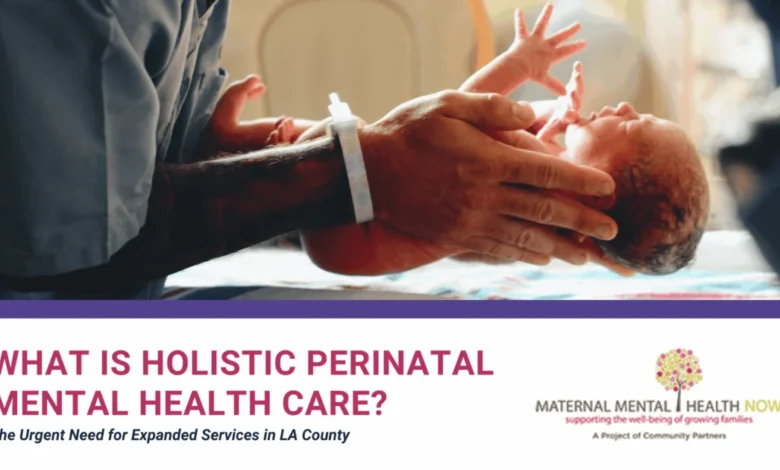
To address these gaps, organizations like Maternal Mental Health NOW are calling for an expansion of the definition of perinatal mental health care. They argue that a clinical-only model is insufficient to meet the needs of a diverse population. Instead, they advocate for a holistic approach that incorporates physical health, nutrition, exercise, financial stability, and peer support.
Several Black-led and community-focused organizations in Los Angeles have emerged as leaders in this expanded care model. These include:
- Frontline Doulas: This organization provides perinatal support that bridges the gap between clinical care and community needs. Doulas often serve as the first line of defense in identifying mental health struggles, providing emotional support that reduces the isolation often associated with postpartum depression.
- Black Mamas Glowing: A support group specifically designed for Black birthing individuals, this initiative provides a safe space for parents to discuss their experiences without fear of judgment or clinical pathologization. By fostering community connection, such groups address the social determinants of mental health.
- Therapeutic Play Foundation: This organization focuses on the intersection of play, wellness, and mental health, offering resources that help families navigate the stressors of early parenthood through holistic and accessible interventions.
The providers within these organizations may not always hold a PMH-C credential, yet they are integral to the network of care. They offer timely, culturally informed support that traditional clinical settings often fail to provide. By excluding these practitioners from the "provider count," the current narrative may overlook the most effective tools for reaching marginalized families.
Implications for Public Policy and Future Care
The implications of untreated perinatal mental health conditions extend far beyond the individual parent. Research has consistently shown that maternal depression and anxiety can affect fetal development, lead to premature birth, and interfere with infant bonding. In the long term, children of parents with untreated PMADs are at higher risk for behavioral issues and developmental delays.
To mitigate these risks, advocates are pushing for a multi-pronged strategy in Los Angeles County and across California. This includes:
- Universal Screening: Encouraging obstetricians and pediatricians to implement standardized screening tools (such as the Edinburgh Postnatal Depression Scale) at every visit to catch the "missing 50%" of cases.
- Expanded Training: Providing free or low-cost training to a wider range of professionals. Currently, individuals working with expecting and postpartum persons in LA County can access free perinatal mental health training via wellbeing4la.org, an initiative aimed at increasing the baseline knowledge of the local workforce.
- Insurance Reform: Incentivizing more specialized providers to accept insurance and increasing reimbursement rates for perinatal mental health services to reduce the reliance on private pay models.
- Integration of Peer Support: Formally recognizing and funding peer support specialists and doulas as part of the mental health care continuum.
Chronology of the Evolving Crisis
The current focus on maternal mental health in Los Angeles is the result of a decade of increasing advocacy. In 2018, the LAMB study provided the first comprehensive data set that highlighted the scale of the issue locally. Following this, the California state legislature passed several bills aimed at improving maternal mental health, including mandates for provider education and screening.
The 2023 release of the "Dark Zones" report by 2020 Mom served as a catalyst for renewed public debate. While the report was criticized for its narrow metrics, it succeeded in drawing media attention to the severe shortage of specialized care. This has led to a current period of "constructive tension" between national advocacy groups focusing on clinical certification and local organizations pushing for a more inclusive, community-based framework.
Conclusion
The crisis of postpartum depression and anxiety in Los Angeles County is a complex issue that requires more than just an increase in the number of certified therapists. While the shortage of clinical specialists is undeniable, the solution lies in a broader, more equitable approach to care. By validating the work of community-based providers and addressing the systemic barriers that prevent Black and marginalized birthing people from accessing support, Los Angeles can begin to close the gap between the 120,000 annual births and the specialized care those families deserve. The vision for the future is one where mental health support is not a luxury for the few, but a comprehensive, culturally responsive right for every birthing person in the county.
Related posts: