Weekly Family Meal Planning Embraces Seasonal Autumn Produce to Balance Nutrition and Comfort


As households transition deeper into the autumn season, culinary planners and family nutritionists are increasingly emphasizing the incorporation of seasonal produce into weekly meal regimens. The culinary landscape for the upcoming week highlights a strategic approach to meal preparation that balances comforting, traditional flavors with nutrient-dense ingredients. According to recent dietary trends monitored by family wellness advocates, structuring a comprehensive weekly menu not only reduces household food waste and grocery expenditures but also ensures a balanced intake of macro- and micronutrients during the colder months. This comprehensive overview examines the structured weekly meal plan—spanning breakfasts, snacks, lunches, and dinners—designed to optimize nutritional value while capitalizing on the peak availability of autumn harvests such as pumpkins, pears, and root vegetables.
Strategic Meal Planning and Nutritional Frameworks

The practice of structured weekly meal planning has gained significant traction among health-conscious families seeking to navigate busy schedules without compromising on dietary quality. Nutrition experts consistently report that pre-planning meals minimizes reliance on highly processed convenience foods, promotes portion control, and facilitates the integration of diverse food groups.
For the upcoming week, the dietary framework relies heavily on fresh, seasonal autumn produce. Autumn harvests are traditionally rich in vitamins A and C, fiber, and essential antioxidants, which support immune function during the seasonal transition. By mapping out every eating occasion from Monday through Sunday, the meal plan addresses common household challenges such as decision fatigue regarding cooking and the temptation of last-minute takeout, reserving only Saturday evening for local restaurant dining to support community businesses.
Morning Nutrition: Energizing Breakfasts for Autumn Mornings

The morning routine establishes the metabolic baseline for the day, making breakfast a critical component of the weekly dietary schedule. The planned breakfast regimen features a dual approach: nutrient-packed, fruit- and vegetable-heavy smoothies during the hectic work and school week, contrasted with a comforting baked specialty for the weekend brunch.
Throughout the workweek, the menu rotates a series of specialized smoothies, including a nutrient-dense Pregnancy Smoothie, a vibrant Cotton Candy Smoothie designed to appeal to younger family members, a Crazy Healthy Green Smoothie, and an Immune Boosting Very Berry Smoothie. These liquid meals provide a rapid delivery mechanism for leafy greens, berries, and supplemental nutrients.
Transitioning to the weekend, the culinary focus shifts toward traditional comfort with Quick Pumpkin Cinnamon Rolls. Utilizing seasonal pumpkin puree not only infuses the pastry with classic autumn flavor profiles but also introduces beta-carotene and dietary fiber into a traditional comfort food item. Culinary analysts note that incorporating seasonal vegetables into baked goods is an effective strategy for increasing vegetable consumption across various demographic groups within the household.

Midday Sustenance: Smart Snacking Between Meals
Maintaining steady energy levels and preventing overeating at main meals requires intentional mid-morning and mid-afternoon snacking. The featured snack roster for the week emphasizes whole foods, fiber, and lean proteins, deliberately avoiding refined sugars and empty carbohydrates.
Key snack offerings include Pumpkin Pear Bread, which continues the seasonal utilization of autumn tree fruits and squash, alongside inventive options such as Air Fryer Churro Pasta Chips. The latter represents a modern culinary technique utilizing the air fryer to reduce the lipid content traditionally associated with fried snack foods. Additionally, the snack menu incorporates plant-based protein and mineral-dense options, including Red Beet and White Bean Hummus paired with fresh vegetables or whole-grain crackers, and traditional Paper Bag Popcorn, which offers a whole-grain, high-fiber snack with minimal additives when prepared at home.

Midday Meals: Functional and Efficient Lunches
Lunches during the operational week prioritize efficiency and preparation simplicity, ensuring that working adults and school-aged children receive balanced nutrition without requiring extensive midday cooking infrastructure.
The midday menu features a diverse selection of proteins and complex carbohydrates. Stir-Fried Ramen offers a customizable vehicle for leftover proteins and vegetables, while Cheesy Turkey Meatloaf Bites provide a portion-controlled, lean-protein alternative to traditional beef-based meatloaf. For lighter options, Turkey Club Lettuce Wraps eliminate the refined carbohydrates of traditional bread while retaining the satisfying textures and protein content of a classic club sandwich. Rounding out the lunch rotation is the Grilled Two-Cheese Avocado Sandwich, which introduces heart-healthy monounsaturated fats from fresh avocados into a familiar comfort food staple.

Comprehensive Dinner Rotation: Sunday Through Friday
The dinner schedule forms the cornerstone of the weekly meal plan, featuring distinct culinary themes each evening that balance global flavor profiles with comforting home-style cooking.
Sunday Supper: Seafood and Root Vegetables
The week commences on Sunday with Maple Soy Salmon, a dish rich in omega-3 fatty acids essential for cardiovascular and cognitive health. The salmon is complemented by traditional autumn side dishes: Sauteed Brussels Sprouts with Bacon, which pairs fiber-rich cruciferous vegetables with savory proteins, and Mascarpone Mashed Potatoes, offering a rich, velvety texture that elevates standard mashed potatoes through the incorporation of Italian cream cheese.
Monday: Vegetarian Innovation or Roast Chicken Integration
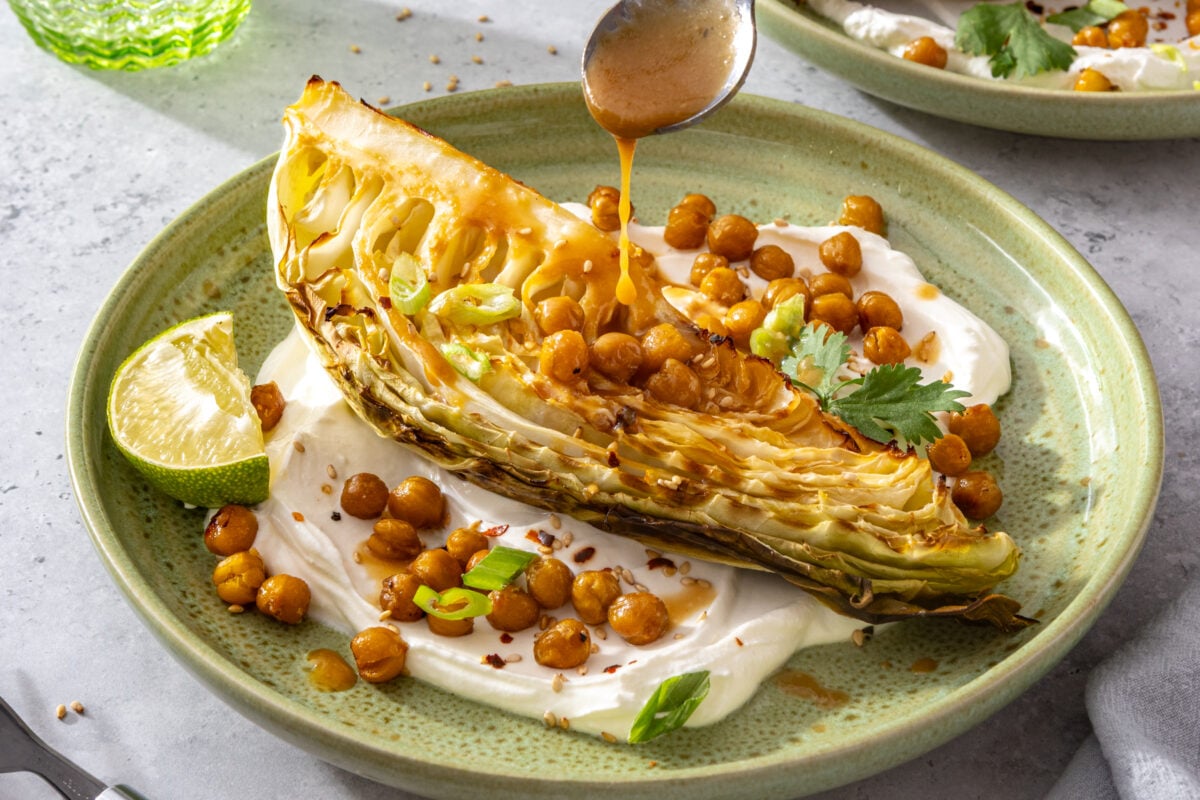
Monday introduces a contemporary vegetarian main dish: Sheet Pan Miso Roasted Cabbage with Crispy Chickpeas. This recipe highlights the culinary trend of roasting large cabbage wedges to caramelize their natural sugars, enhanced by the umami depth of miso paste and the plant-based protein of crispy chickpeas. For households requiring animal protein, the recipe functions seamlessly as a side dish accompanying a Perfect Roast Chicken.
Tuesday: Global Flavors with Chicken Tikka
Mid-week dining incorporates international spices with Chicken Tikka served alongside Cucumber Mint Raita and a refreshing Cucumber Avocado Salsa over a bed of rice. This dish offers a balanced profile of lean poultry protein, cooling dairy-based probiotics from the raita, and hydrating, nutrient-dense fresh produce.
Wednesday: Marinated Seafood and Ancient Grains
Continuing the emphasis on marine proteins, Wednesday features Miso Marinated Fish paired with Air Fryer Okra and Brown Rice. Culinary advisors note that marinating fish in miso paste for extended periods—up to several days in advance—deepens the flavor profile while breaking down proteins for a tender texture. The inclusion of brown rice provides complex carbohydrates and sustained energy.

Thursday: Comfort Food Classics
As the workweek draws to a close, Thursday evening features Turkey Veggie Chili served with a side of Basic Cornbread. This meal represents a nutritional upgrade to traditional beef chili by utilizing lean ground turkey and incorporating a dense matrix of assorted beans and vegetables, maximizing both fiber and micronutrient content.
Friday: Family Tradition and Pizza Night
Adhering to a popular weekly household tradition, Friday is designated for pizza. The menu features Deep Dish Cast Iron Pizza, a style known for its crispy crust and substantial structure, paired with a large Salad Platter dressed in a bright Citrus Herb Vinaigrette. This combination balances the indulgence of artisanal pizza with the refreshing crunch and vitamins of a comprehensive raw vegetable salad.
Broader Impact and Economic Implications of Meal Planning

Public health officials and consumer economists frequently analyze the broader impacts of structured domestic meal planning. From an economic perspective, organizing a weekly menu significantly reduces household expenditure on dining out and curbs impulse grocery purchases. Data from consumer research organizations indicate that families who engage in consistent meal planning waste approximately 20 to 30 percent less food annually compared to those who shop and cook on an ad-hoc basis.
Furthermore, aligning meal preparation with seasonal agricultural cycles—such as emphasizing pumpkins, pears, cabbage, and root vegetables during the autumn months—supports regional food supply chains and often results in lower grocery costs due to the peak abundance of these crops. As dietary guidelines continue to emphasize the importance of whole foods and plant diversity, structured weekly meal plans serve as a practical, actionable tool for modern households striving to achieve long-term nutritional and financial wellness.