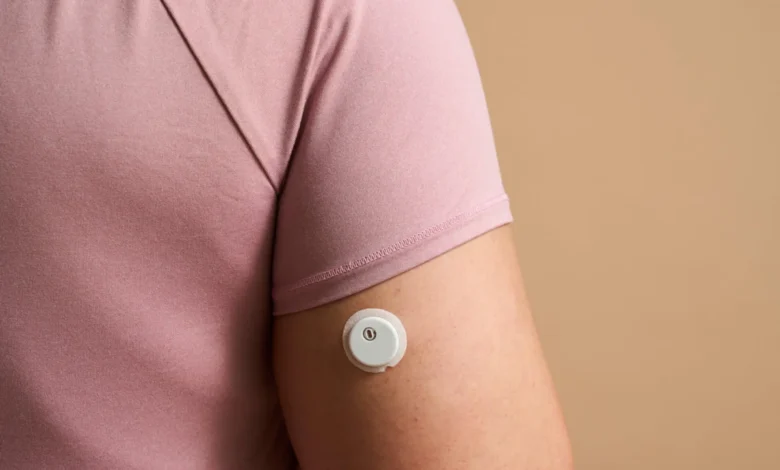
The United States healthcare landscape has reached a significant milestone in diabetes management following the landmark decision by the U.S. Food and Drug Administration (FDA) to approve the world’s first dual glucose-ketone sensing technology. Developed by Abbott, the Libre Duo 10 Day system represents a major leap forward for individuals managing type 1 diabetes (T1D), particularly for patients aged two years and older who face continuous risks associated with fluctuating metabolic states. For decades, routine ketone monitoring has remained an underutilized aspect of diabetes self-care, frequently hindered by the inconvenience of traditional fingerstick testing supplies. Historical data indicates that a substantial proportion of people living with type 1 diabetes lack ketone testing supplies at home, resulting in irregular or entirely absent monitoring habits. The introduction of continuous ketone monitoring (CKM) technology aims to bridge this critical gap, providing an automated, real-time safety net that transforms how patients and caregivers track metabolic stability.
Understanding Diabetic Ketoacidosis and the Need for Continuous Oversight
To fully grasp the implications of this regulatory approval, one must examine the clinical danger posed by diabetic ketoacidosis (DKA), a severe and potentially life-threatening acute complication of diabetes. DKA occurs when the body experiences a profound insulin deficiency. Deprived of the glucose it requires for cellular energy, the body begins breaking down fat stores at an accelerated rate, releasing acids known as ketones into the bloodstream. If left unchecked, the accumulation of these ketones lowers blood pH, leading to metabolic acidosis, which requires immediate, intensive emergency medical intervention.
While any individual with type 1 diabetes is technically susceptible to DKA, certain populations face elevated baseline risks. These high-risk groups include very young children who cannot reliably articulate symptoms of illness or distress, individuals experiencing intercurrent illnesses or infections, those with erratic insulin pump infusion sets, and patients undergoing specific therapeutic regimens that lower blood glucose levels. Historically, detecting rising ketone levels relied entirely on reactive measures, such as sporadic urine or blood tests performed only after symptoms manifested. By shifting from a reactive paradigm to a proactive, continuous monitoring framework, the Libre Duo 10 Day device enables early detection, granting patients and medical providers the opportunity to intervene before minor metabolic disruptions spiral into medical emergencies.
Background Context and the Evolution of Diabetes Technology
The journey toward continuous ketone monitoring is the culmination of decades of research, engineering advancements, and persistent advocacy by scientific and patient-advocacy organizations. For years, continuous glucose monitors (CGMs) have revolutionized glycemic management, allowing millions of people with diabetes to view their real-time glucose trends and receive automated alerts for impending highs and lows. However, tracking glucose alone does not paint a complete picture of metabolic stress, particularly during periods of illness, intense physical exertion, or pump failure.
Recognizing this limitation, researchers and medical device manufacturers focused on integrating electrochemical sensing mechanisms capable of tracking both glucose and ketone molecules simultaneously within a single wearable filament. The regulatory green light in the United States follows similar milestones in international markets, including the European Union, signaling a broader global shift toward multi-parameter wearable sensors. Organizations such as Breakthrough T1D (formerly JDRF) have played a pivotal role in accelerating this transition, fostering multi-decade partnerships with industry leaders like Abbott to fund clinical research, establish best-practice guidelines, and secure broader acceptance among clinicians and regulatory bodies.
Enabling Safe Therapeutic Innovation: The SGLT Inhibitor Frontier
Beyond its immediate utility in preventing DKA during routine illness or pump malfunctions, the newly approved dual-sensing technology holds profound implications for the expansion of advanced pharmacological treatments in type 1 diabetes. Sodium-glucose cotransporter-2 inhibitors (SGLTis), such as empagliflozin and dapagliflozin, have demonstrated extraordinary cardiovascular and renal protective benefits in individuals with type 2 diabetes and chronic kidney disease, regardless of their diabetes status. Extending these organ-protective therapies to patients with type 1 diabetes has long been a primary objective for clinical researchers seeking to mitigate the devastating long-term microvascular and macrovascular complications associated with the condition.
However, the clinical deployment of SGLTis in type 1 diabetes has been tempered by a well-documented risk: these medications lower blood glucose by prompting the kidneys to excrete excess sugar through urine, which frequently necessitates a reduction in exogenous insulin doses. This reduction in insulin, combined with the mechanism of the drug itself, can inadvertently accelerate lipolysis and ketogenesis, thereby increasing the susceptibility to euglycemic or standard DKA. Consequently, the safe integration of SGLTis into type 1 diabetes care protocols requires robust risk mitigation strategies. Continuous ketone monitoring provides the precise safety framework required to unlock these therapies, allowing researchers and clinicians to monitor ketone fluctuations in real time, adjust treatment protocols dynamically, and ensure that patients can harness the cardiorenal benefits of SGLTis without compromising their acute metabolic safety.
Clinical Trials and Ongoing Research Initiatives
To substantiate the clinical utility of continuous ketone monitoring and optimize its deployment across diverse patient populations, extensive research initiatives are currently underway. Breakthrough T1D has strategically funded a portfolio of eight targeted clinical studies leveraging dual glucose-ketone sensors generously donated by Abbott. These investigations are designed to generate high-quality evidence regarding health outcomes, risk reduction, and practical application models.
Among these initiatives is the CKM-REACT study, which focuses on youth with type 1 diabetes using automated insulin delivery systems. By pairing continuous ketone monitoring with structured educational frameworks—ranging from in-person training to digital curricula—the study aims to determine whether enhanced awareness helps children and teenagers spend less time in hyperglycemia while identifying early warning signs of DKA with greater precision.
Another prominent initiative addresses healthcare disparities by developing a digital health model tailored for underserved adults. This project incorporates on-demand treatment guidance via a smartphone app, aiming to support CKM adoption among individuals who lack regular access to specialized endocrinology care. By evaluating the user experience, clinical guidance tools, and overall treatment adherence, researchers hope to democratize advanced diabetes technology and ensure equitable health outcomes.
In the realm of nephrology, ongoing clinical efforts are building upon existing trials, such as the SUGARNSALT study, which evaluates the SGLT inhibitor sotagliflozin in patients with moderate-to-severe diabetic kidney disease. A specialized sub-study is investigating how CKM profiles differ between patients taking SGLTis versus those who are not, utilizing continuous data streams to predict and prevent renal function decline and DKA progression simultaneously. Similarly, studies embedded within the broader Steno 1 clinical trial are assessing multi-target treatment regimens combining heart- and kidney-protective medications, utilizing dual-sensor data to safeguard adults receiving complex pharmacological interventions. Additional trials are focusing on newly diagnosed individuals, charting early metabolic characterization to prevent DKA during the vulnerable transition to clinical stage 3 type 1 diabetes.
Expert Consensus and Global Clinical Adoption
The introduction of disruptive medical technology invariably necessitates structural shifts in clinical practice, reimbursement policies, and patient education. Recognizing the urgency of establishing standardized protocols, global medical authorities have moved swiftly to provide professional guidance. Led by Dr. Thomas Danne, Chief Medical Officer International for Breakthrough T1D, a panel of experts representing twelve countries authored a landmark consensus manuscript published in The Lancet Diabetes and Endocrinology. Titled "Continuous ketone monitoring for people with diabetes: international expert recommendations on the application of a new technology," this publication serves as the foundational roadmap for healthcare professionals integrating CKM into routine clinical workflows.
The consensus document outlines best practices for interpreting dual-sensor data, establishing clinical action thresholds, and mitigating DKA risks across various patient demographics. Furthermore, these expert recommendations provide essential evidentiary support for ongoing discussions with regulatory bodies and third-party payers regarding insurance coverage and financial accessibility. Medical affairs teams, in collaboration with industry partners like Abbott, are actively surveying patient and provider perspectives to refine implementation strategies, ensuring that the technology addresses real-world challenges rather than solely theoretical benchmarks.
Broader Impact and Future Outlook
The authorization of the Libre Duo 10 Day system marks a structural turning point in the chronic disease management paradigm. By uniting continuous glucose tracking with real-time ketone surveillance, the medical community has moved past the limitations of intermittent, reactive testing. The implications extend far beyond individual daily convenience; this technology safeguards vulnerable populations, enables the safe exploration of advanced cardiorenal pharmacotherapies, and provides researchers with unprecedented granular data regarding metabolic stress in real-world environments.
As ongoing clinical trials publish their findings and as global regulatory frameworks adapt to the realities of multi-parameter wearable sensors, the emphasis will pivot toward widespread accessibility and clinical integration. Medical institutions, advocacy groups, and industry stakeholders share a unified objective: to drive global adoption of continuous ketone monitoring, dismantle barriers to reimbursement, and fundamentally redefine safety standards for individuals living with type 1 diabetes. Through sustained scientific investment and collaborative clinical stewardship, the medical community is steadily approaching an era where diabetic ketoacidosis is an entirely preventable relic of diabetes history.