The Unfolding Crisis: Beyond the Rock ‘n Play Recall, A Deeper Look at Infant Sleep Safety

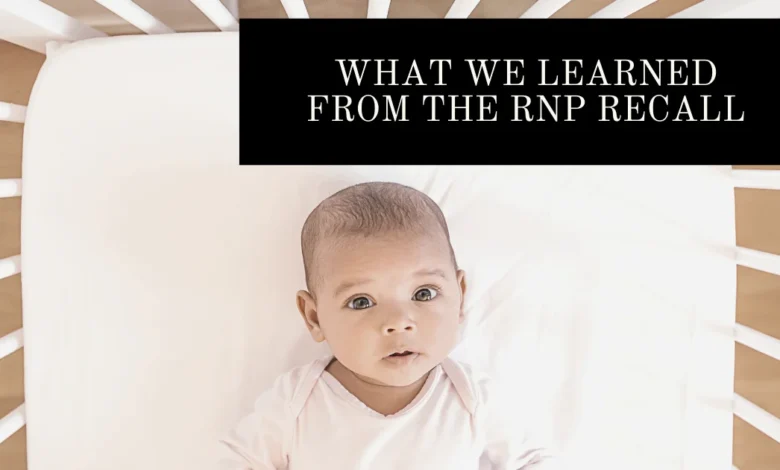
The widespread recall of the Fisher-Price Rock ‘n Play Sleeper brought a critical issue to the forefront of public consciousness: the inherent dangers of inclined infant sleep products. However, the story extends far beyond this single, albeit significant, recall. It exposes systemic failures in product safety oversight, highlights the crucial role of independent investigative journalism, and underscores the desperate need for safe sleep alternatives for parents grappling with severe sleep deprivation. The ramifications of this unfolding crisis touch upon the responsibilities of regulatory bodies, the practices of manufacturers, and ultimately, the well-being of infants across the nation.
The Rock ‘n Play Recall and the Broader Warning on Inclined Sleepers
The alarm bells began to ring with a clear and urgent warning from the Consumer Product Safety Commission (CPSC) on October 31, 2019. This advisory cautioned consumers against the use of any inclined infant sleep products. The directive followed a pivotal investigation by Consumer Reports in April 2019, which brought to light serious safety concerns surrounding these popular items. While the immediate focus was on the immensely popular Fisher-Price Rock ‘n Play Sleeper, the scope of the problem quickly broadened. The CPSC’s subsequent proposal aimed to enact a comprehensive ban on the sale and use of all inclined infant sleepers. This drastic measure was necessitated by the alarming statistic that these products had been linked to at least 73 infant deaths.
The definition of an unsafe inclined sleep product, as proposed by the CPSC, encompasses any sleep surface for babies with an incline greater than 10%. This measure is designed to address the physiological risks associated with such positioning, which can compromise an infant’s airway and breathing. The recall and proposed ban extend to a range of brands, including but not limited to Graco, Evenflo, Summer Infant, and Delta Children, acknowledging that the hazard was not confined to a single manufacturer.
It is crucial to emphasize that not all inclined infant sleepers had been formally recalled at the time of the CPSC’s warning. However, the underlying message from safety experts and regulatory bodies was unequivocal: if a baby is sleeping in a product with an incline exceeding 10%, its use should be discontinued immediately, irrespective of whether a recall has been officially issued. This proactive stance reflects a growing understanding of the potential dangers inherent in these products.
Unraveling the Genesis of the Crisis: A Failure of Oversight and Assumptions
The trajectory of the Rock ‘n Play Sleeper’s journey from a best-selling product to a subject of a major recall raises profound questions about product development, testing, and regulatory oversight. Many assumed that large, reputable manufacturing companies would adhere to rigorous research and testing protocols before bringing infant products to market. It was also widely believed that the CPSC actively monitored and disseminated critical information regarding product safety. However, the reality, as it unfolded, proved to be starkly different, shattering these long-held assumptions.
The public’s awareness of the tragic consequences associated with the Rock ‘n Play Sleeper is largely attributable to the exceptional investigative work of Consumer Reports. Their in-depth report, a difficult but essential read, meticulously detailed how Fisher-Price, a manufacturer of well-established children’s products, managed to introduce a popular baby sleeper without conducting adequate safety tests. The report further revealed that the company continued to market the product even as evidence of infant fatalities mounted.
This investigative journalism played an indispensable role in bringing the issue to light. It is believed that the CPSC’s investigation and subsequent actions were significantly spurred by the findings of Consumer Reports. The extent of the CPSC’s awareness prior to this investigation remains a point of concern, with allegations that critical data regarding infant deaths in these products might have been inadvertently or deliberately overlooked. Even as evidence of harm accumulated, Fisher-Price reportedly maintained a strong defense of its product, underscoring a potential conflict between corporate interests and public safety.
The implications of this scenario are significant. The laws and regulations governing the CPSC, it appears, may inadvertently favor manufacturers, potentially at the expense of infant health and safety. This raises critical questions about the adequacy of current safety standards and the enforcement mechanisms in place to protect consumers, particularly the most vulnerable.
The Role of Investigative Journalism and Consumer Advocacy
The relentless pursuit of truth by organizations like Consumer Reports is demonstrably vital in safeguarding public health. Their commitment to independent research and reporting provides a crucial check on industry practices and regulatory inaction. The proactive stance taken by Consumer Reports in highlighting the dangers of inclined infant sleepers served as a catalyst for official action. This underscores the importance of supporting such independent bodies through membership and engagement, enabling them to continue their essential work.
Revisiting the Safety of Baby Swings and the Concept of "Plan B"

For a considerable period, infant swings were often recommended as a viable "Plan B" for parents struggling with infant sleep challenges. While the undisputed gold standard for infant safety remains an empty, firm crib, the reality for many parents is that a crib does not always prove effective. The desperation born from severe sleep deprivation—waking multiple times throughout the night—can lead parents to seek alternative solutions.
Historically, infant swings were recognized for their effectiveness in soothing fussy babies and facilitating sleep. Prominent figures in pediatric health, such as Dr. Harvey Karp, have long promoted the benefits of swings. The author of the original article recounts personal experiences where swings provided crucial respite, helping to break cycles of extreme sleep deprivation that could have led to dangerous situations. Co-sleeping, while sometimes a natural inclination, carries its own set of risks, including an increased risk of Sudden Infant Death Syndrome (SIDS), even under ideal conditions such as exclusive breastfeeding and a smoke-free environment. Likewise, parents resorting to sleeping with infants on their chests in chairs or couches face significantly elevated risks.
The CPSC’s available information on swings, prior to the broader focus on inclined sleep, generally suggested they were safe when used appropriately. However, the emerging understanding of the hazards associated with any form of inclined sleep has prompted a re-evaluation. Consequently, even angled infant swings are now being discouraged, with a strong recommendation for parents to discontinue their use. This shift reflects a more cautious and comprehensive approach to infant sleep safety, acknowledging that any deviation from a flat, firm sleep surface requires careful scrutiny.
The Evolving Landscape of Infant Sleep Products: Flat Swings and Automated Bassinets
In response to evolving safety recommendations and parental needs, several manufacturers have introduced flat bassinets that incorporate continuous motion features. These products, in theory, aim to comply with existing bassinet regulations while offering a soothing motion to aid infant sleep. However, the regulatory framework for bassinets is generally less stringent than that for cribs. The long-term safety implications of continuous motion bassinets remain an area of ongoing research and concern. Potential risks include infant entrapment or the possibility of a newborn rolling into a position where their airway could be compromised due to the motion.
One of the most prominent examples of these automated bassinets is the SNOO, developed by Dr. Karp. While this product has garnered significant praise from many parents, others have found it to be no more effective than a standard bassinet. The high cost of such devices also presents a barrier for many families. Other manufacturers, including Graco and 4moms (mamaRoo), have also introduced motorized bassinets, and a continued influx of similar products into the market is anticipated.
Rethinking "Plan B": The Imperative of Independent Sleep

The fundamental truth is that infant safety is paramount. However, acknowledging the limits of human endurance is equally critical. Severe sleep deprivation can lead to hallucinations, impaired judgment, and significant mental health challenges, including depression and anxiety. The notion that parents should simply "soldier through" extreme exhaustion is not only unrealistic but potentially dangerous. It is precisely this desperation, born from relentless exhaustion, that drives parents to seek solutions, sometimes leading them to products that are later identified as safety hazards. The immense popularity of certain baby products on platforms like Amazon, despite their safety risks, is a testament to this parental struggle.
Therefore, the most effective "Plan B" and, indeed, "Plan A," centers on establishing good sleep hygiene and fostering independent sleep from an early age. The original article emphasizes the importance of introducing gentle sleep training methods, such as SWAPS (Sleep With Alternative Positions/Practices), as early as 2 to 4 months of age. The goal is to gradually build a foundation for independent sleep, preventing parents from reaching a breaking point of exhaustion. This proactive approach aims to set babies up for sleep success before critical challenges arise.
A Call for Greater Transparency and Science-Driven Regulation
The ongoing saga of inclined infant sleep products underscores a critical need for increased research, transparency, and a fundamental shift towards science-driven regulations in the infant product industry. Parents deserve to have confidence that the products they purchase are rigorously tested for safety and that regulatory bodies prioritize the well-being of children over the reputations and financial interests of large corporations. Enhanced funding for research into infant sleep and safety is also essential to inform better product design and more effective regulatory policies.
In the interim, the focus must remain on empowering parents with the knowledge and tools to establish healthy sleep habits for their infants. By prioritizing independent sleep and good sleep hygiene practices from an early stage, parents can mitigate the risks associated with extreme exhaustion and create a safer sleep environment for their babies, often sooner than they might imagine. The lessons learned from the Rock ‘n Play recall serve as a stark reminder that vigilance, independent investigation, and a commitment to evidence-based safety standards are indispensable in protecting our youngest and most vulnerable.
Related posts: