A Fresh Twist on a Classic: The Rise of Nutrient-Dense Mediterranean Dishes in Modern Meal Planning

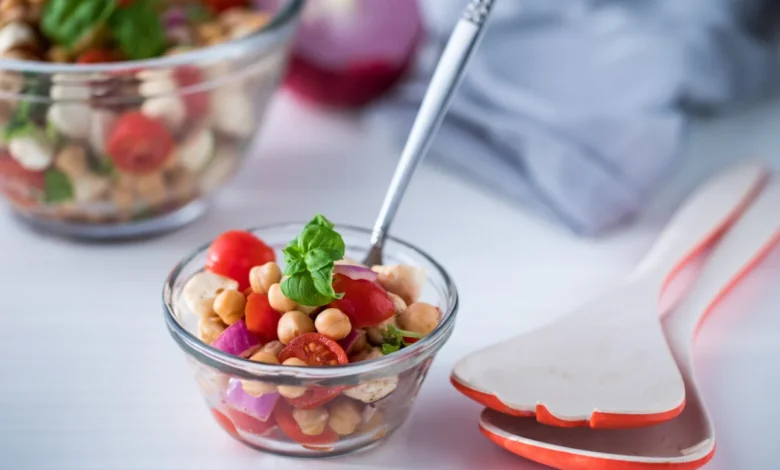
The culinary landscape has increasingly pivoted toward quick, nutrient-dense meals that merge traditional flavor profiles with modern nutritional demands. Among the latest iterations capturing the attention of home cooks and nutritionists alike is the Chickpea Caprese Salad, a contemporary variation of the classic Italian Caprese. By incorporating protein-rich legumes into a traditional mixture of tomatoes, fresh mozzarella, and basil, this dish exemplifies a broader gastronomic movement: the elevation of simple, whole-food ingredients into balanced, satisfying meals that require minimal preparation time and zero cooking.
Background and Nutritional Evolution of the Caprese Salad
The traditional Caprese salad originates from the Campania region of Italy, specifically the island of Capri. Historically composed of simple, high-quality components—sliced fresh tomatoes, fresh mozzarella (traditionally water buffalo mozzarella), fresh basil leaves, salt, and extra-virgin olive oil—the dish was designed to showcase the vibrant colors of the Italian flag alongside the rich agricultural output of the Mediterranean.
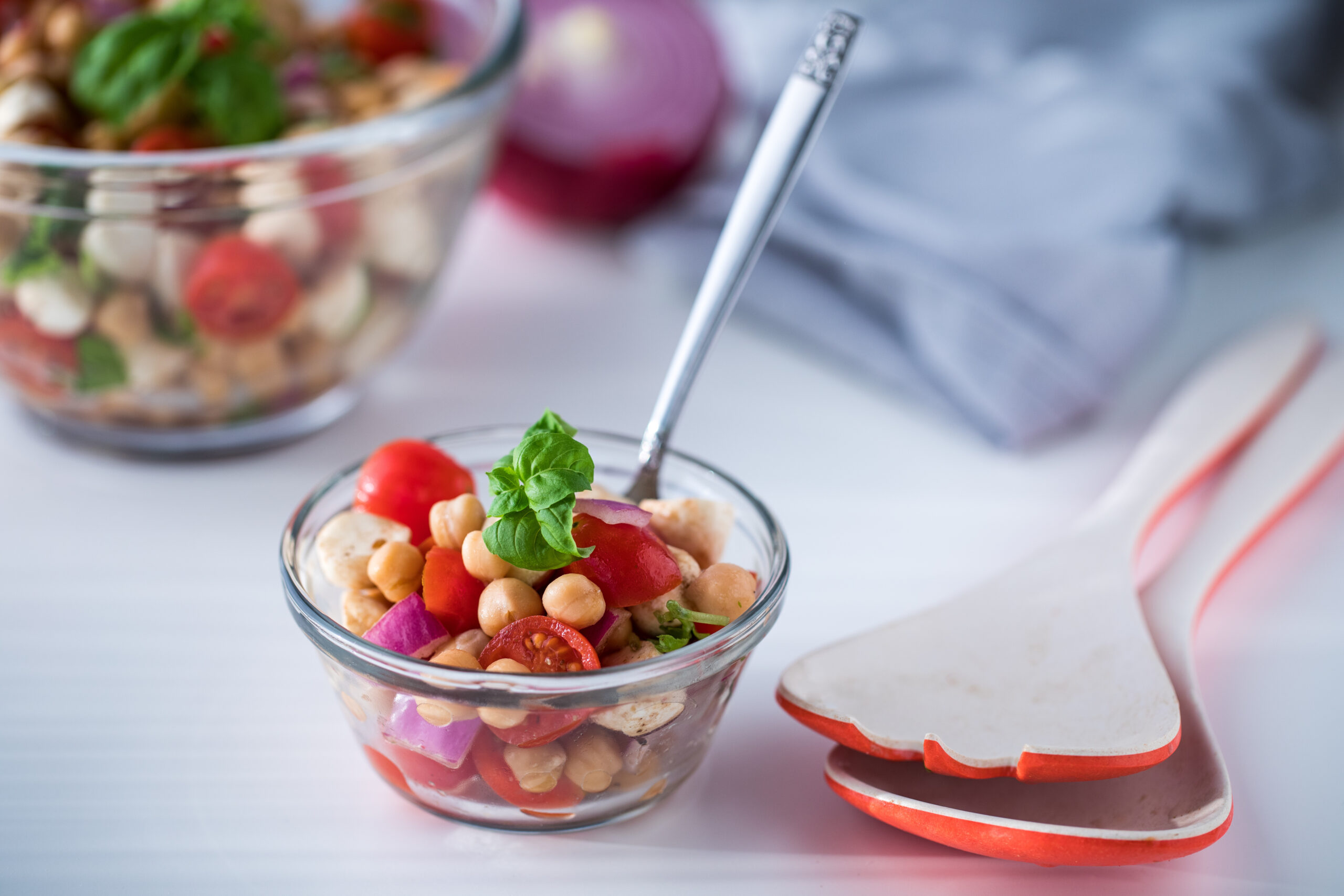
While nutritionally beneficial due to the presence of lycopene in tomatoes and healthy fats in olive oil, the classic version often functions primarily as an appetizer or a light side dish rather than a standalone meal. Nutritional scientists and culinary developers have increasingly sought to bridge this gap by introducing plant-based proteins and complex fibers. The integration of chickpeas (also known as garbanzo beans) transforms the dish into a more substantial macronutrient profile. Chickpeas provide a dense source of plant-based protein, dietary fiber, and essential minerals such as iron and magnesium, ensuring that the dish promotes satiety without sacrificing the refreshing qualities characteristic of summer salads.
Preparation Dynamics and Culinary Best Practices
Culinary analysts emphasize that dishes relying on a minimal number of ingredients depend heavily on the individual quality of each component. Chefs and food safety experts recommend specific handling procedures to maximize both flavor and food longevity.
When preparing a chickpea-infused Caprese salad, rinsing canned chickpeas under cool running water is a critical procedural step. This process effectively removes excess sodium and the starchy canning liquid, allowing the beans to better absorb the dressing without altering the texture of the dish. Furthermore, culinary experts stress the selection of ripe, high-acidity tomatoes—such as cherry or grape varieties—which maintain structural integrity better than larger slicing tomatoes when combined with vinegars and oils.
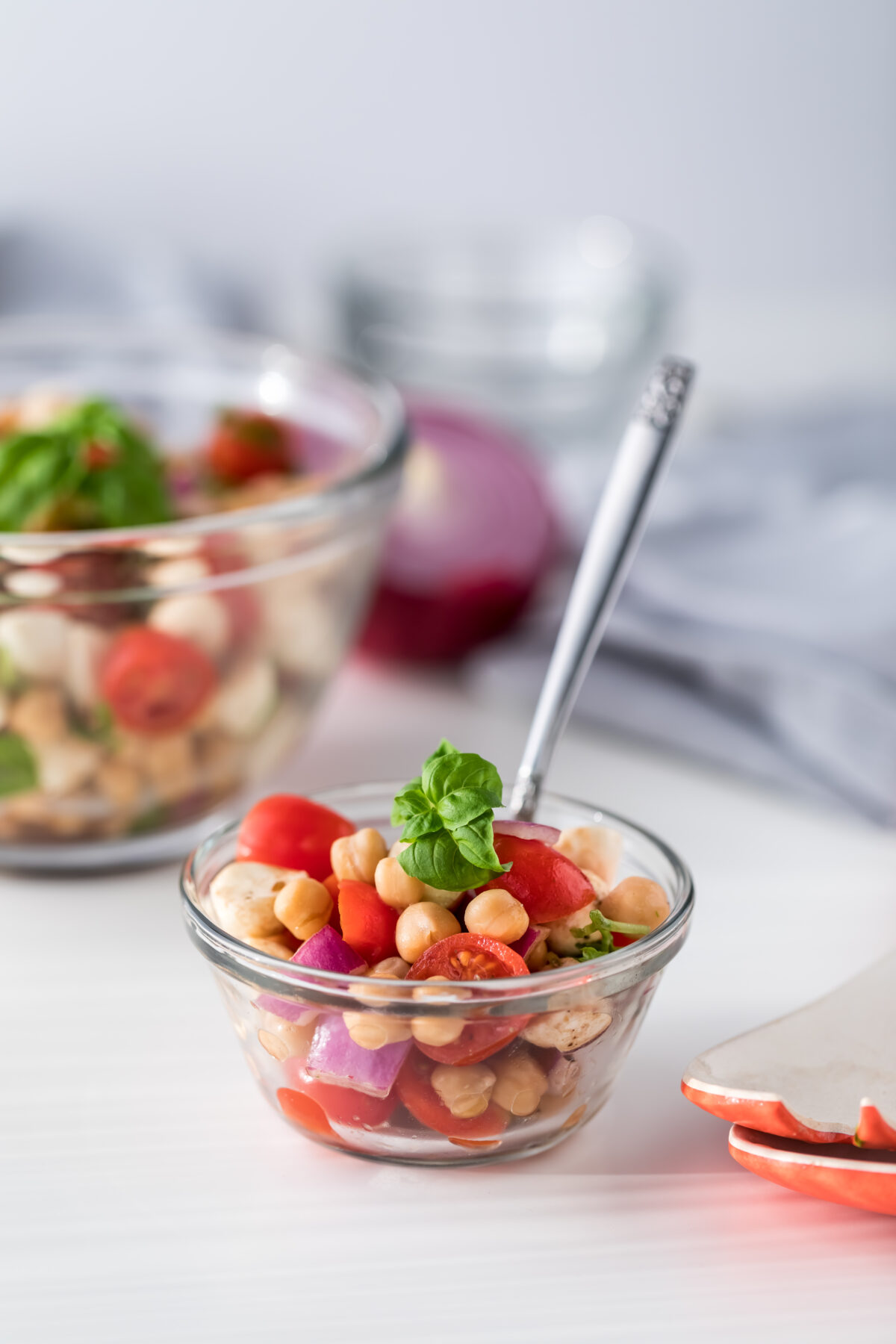
Fresh mozzarella, ideally in the form of small pearls or ciliegine, provides a creamy contrast to the earthy texture of the chickpeas. To preserve the aromatic profile of fresh basil, culinary guidelines dictate that herbs should be hand-torn and introduced to the mixture immediately prior to consumption, preventing oxidation and discoloration.
Economic and Lifestyle Implications for Consumers
The popularity of no-cook, rapid-assembly recipes aligns with shifts in contemporary consumer behavior. Market research in the food and beverage sector indicates a rising demand for convenience-oriented meal solutions driven by increasingly busy schedules and a heightened focus on health and wellness.
The Chickpea Caprese Salad requires approximately ten minutes of preparation time, making it a viable option for mid-week lunches, outdoor gatherings, and potluck events. Its reliance on pantry staples like canned beans combined with perishable fresh produce reflects an economic resilience, allowing households to prepare nutrient-dense meals with minimal financial and temporal investment. Moreover, the inherent flexibility of the recipe—accommodating additions such as cucumbers, avocados, grilled chicken, or various grains—catters to diverse dietary restrictions, including vegetarian, gluten-free, and flexitarian diets.
Nutritional Analysis and Dietary Impact
From a dietary standpoint, incorporating legumes into cheese-and-vegetable salads offers notable physiological benefits. Dietary guidelines consistently recommend increasing the intake of plant-based proteins and fiber to support cardiovascular health and glycemic control.
The combination of monounsaturated fats from extra-virgin olive oil, protein from both the mozzarella and chickpeas, and antioxidants from the tomatoes and basil creates a nutritionally balanced profile. Unlike heavy, mayonnaise-based pasta or potato salads frequently served at communal gatherings, oil-and-vinegar-based legume salads provide sustained energy without the associated post-meal lethargy. Public health nutritionists frequently highlight such recipes as effective tools for encouraging vegetable consumption among demographics that might otherwise favor processed convenience foods.
Storage, Shelf Life, and Food Safety Considerations
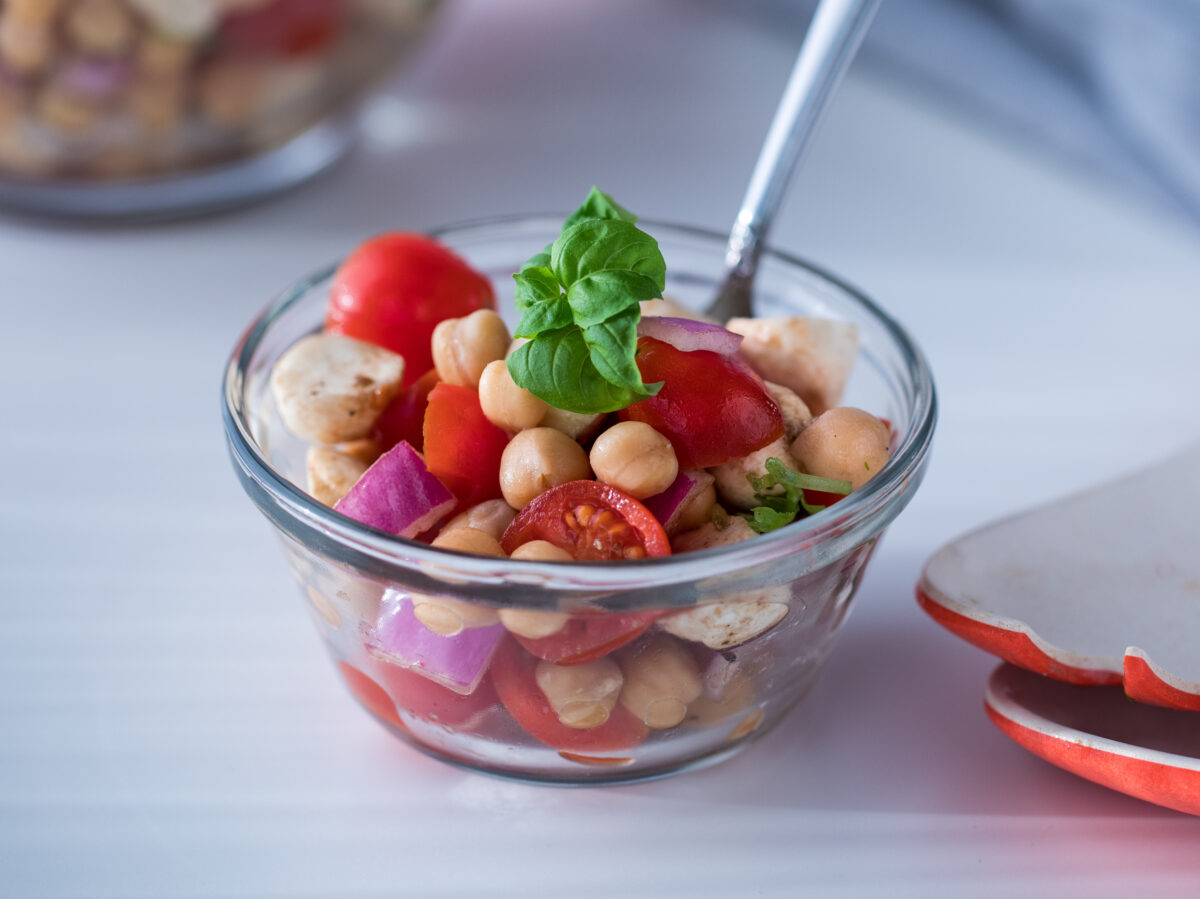
While the dish is designed for immediate consumption, meal-prep trends necessitate an understanding of proper storage protocols. Because fresh tomatoes and salted cheese release moisture over time through osmosis, prepared salads left in dressings can become watery if stored for extended periods.
Food safety authorities recommend storing leftover chickpea Caprese salad in airtight containers in refrigeration for no longer than three days. To optimize quality for advance preparation, culinary experts advise combining the base ingredients—chickpeas, tomatoes, and mozzarella—hours ahead of time while withholding the salt, vinegar, oil, and fresh basil until the final plating stage. This technique preserves the structural integrity of the produce and ensures maximum vibrancy in both flavor and presentation.
Broader Industry Trends and Future Outlook
The adaptation of heritage recipes through the lens of modern nutritional science reflects a permanent shift in how everyday meals are conceptualized. As consumers continue to prioritize health transparency, culinary simplicity, and environmental sustainability, plant-forward adaptations of Mediterranean classics are expected to remain staples in domestic kitchens and commercial food service menus alike. Recipes like the Chickpea Caprese Salad demonstrate that dietary optimization does not require culinary complexity, offering a sustainable model for healthy eating that bridges traditional flavor preferences with contemporary nutritional requirements.