Building Strong Literacy Foundations: Bridging the Gap Between Early Childhood and K-12 Education

The urgency of the current literacy crisis in the United States has reached a critical juncture, as educators, policymakers, and child development experts coalesce around a single, pressing reality: the foundation for reading success is laid years before a student ever steps foot into a kindergarten classroom. Over the past decade, national reading proficiency scores have demonstrated a persistent downward trend, a decline that was significantly exacerbated by the disruptions of the COVID-19 pandemic. As school districts across the country grapple with the long-term academic ramifications of these learning gaps, a growing consensus has emerged calling for a more cohesive, integrated approach that bridges the divide between early childhood education providers and K-12 school systems.
The Historical Context and the Pandemic Effect
For decades, the education sector treated early childhood development and primary education as distinct, often siloed, environments. Early childhood programs—ranging from home-based daycare to state-funded pre-K—were frequently viewed through the lens of social-emotional care, while K-12 systems were tasked with the technical instruction of literacy and numeracy. This compartmentalization, however, has proven insufficient in the face of modern educational challenges.
The onset of the COVID-19 pandemic in early 2020 served as a catalyst for a national reckoning regarding early learning. With the shuttering of physical classrooms, millions of young children experienced disruptions in critical socialization and foundational literacy exposure. According to data from the National Assessment of Educational Progress (NAEP), often referred to as "The Nation’s Report Card," reading scores for nine-year-olds saw their largest decline in 30 years between 2020 and 2022. This regression has prompted a shift in policy, with states increasingly looking for ways to align curricula and pedagogical approaches across the birth-to-eight spectrum.
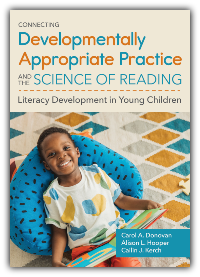
The Science of Reading and Developmentally Appropriate Practice
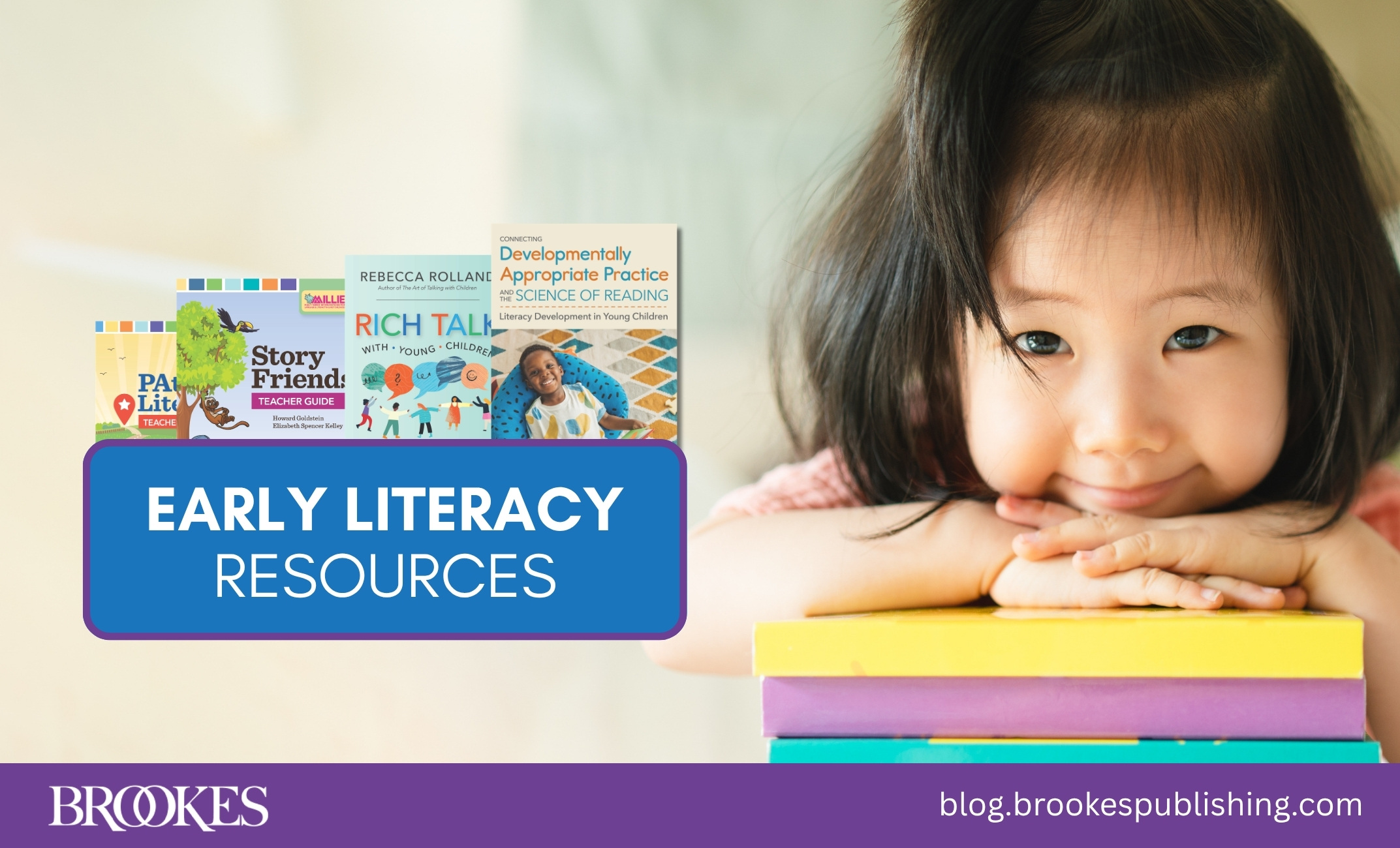
The current movement toward reform is rooted in the "Science of Reading" (SOR)—a comprehensive body of research that explains how the human brain learns to read, emphasizing phonemic awareness, phonics, fluency, vocabulary, and comprehension. However, experts warn that implementing the Science of Reading must not come at the expense of "Developmentally Appropriate Practice" (DAP), which acknowledges the unique cognitive and emotional needs of toddlers and preschoolers.
The tension between these two philosophies has often created friction in the classroom. Advocates for a balanced approach argue that the most effective pedagogy lies at the intersection of the two: using structured, evidence-based literacy instruction that is delivered through the playful, inquiry-based methods that define high-quality early childhood programs. By integrating these strategies, educators can ensure that children develop the necessary foundational skills—such as oral language and phonological awareness—without sacrificing the curiosity and engagement that are essential at a young age.
Key Pillars for Literacy Support
To address the current decline, practitioners are increasingly turning to specialized resources designed to bridge the gap between home and classroom environments. These resources are categorized into several key areas of intervention:
1. Oral Language and Conversational Richness
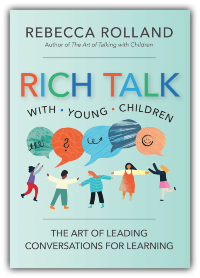
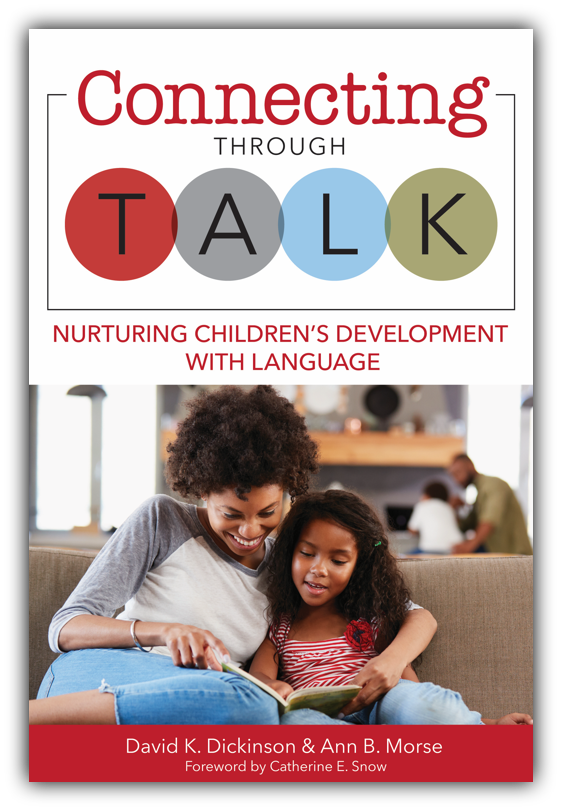
The development of literacy is inextricably linked to the quality of language exposure a child receives. Experts emphasize that "rich talk"—the intentional, back-and-forth communication between adults and children—is the bedrock of vocabulary acquisition. Resources like Rich Talk With Young Children and Connecting Through Talk highlight that intentional conversation is not merely a social activity but a pedagogical tool. Research indicates that children who engage in frequent, complex conversations with adults demonstrate higher levels of linguistic development, which serves as a protective factor against future literacy struggles.
2. Phonological Awareness and Alphabetic Knowledge
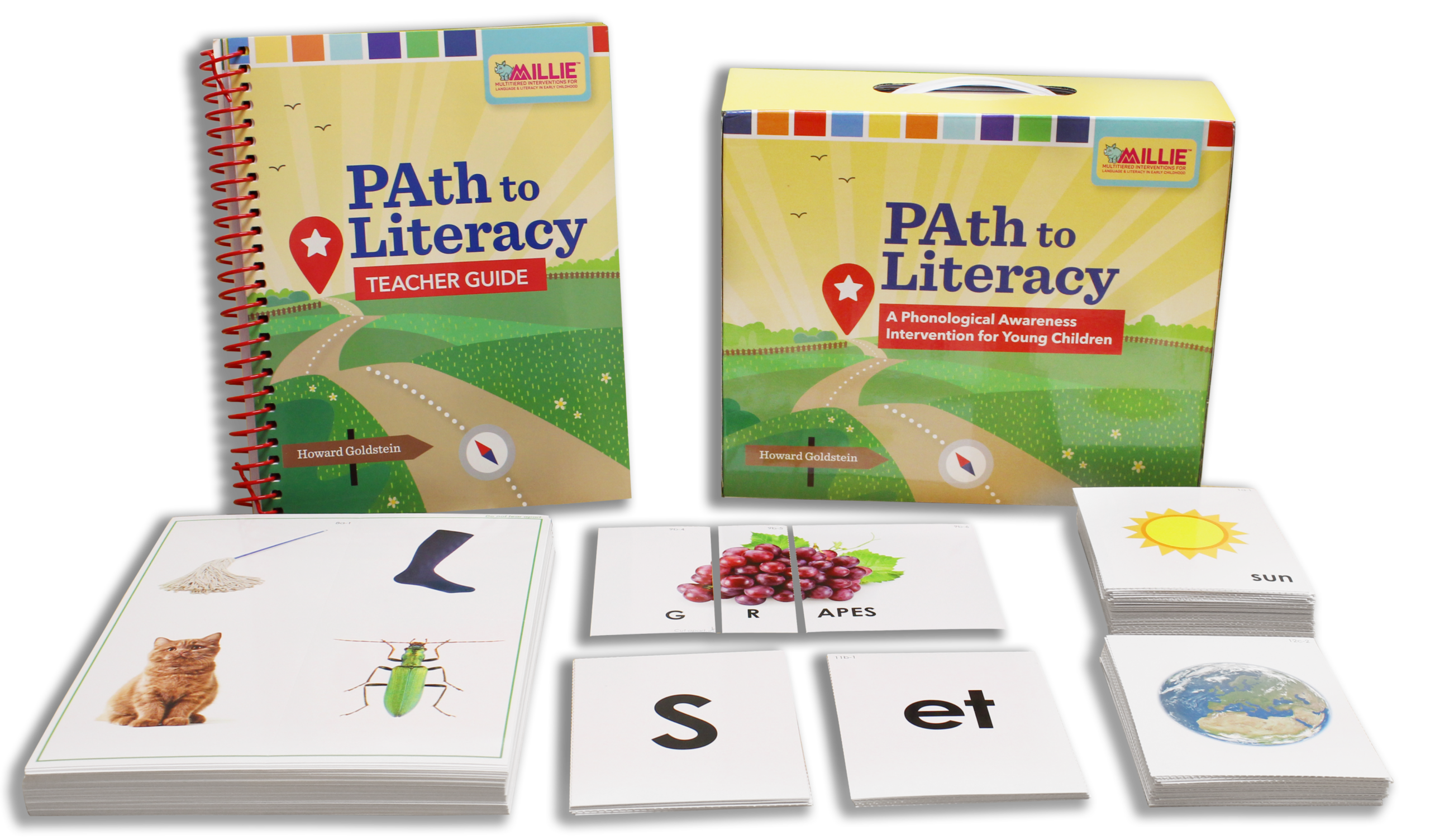
Phonological awareness, or the ability to recognize and manipulate the sounds of spoken language, is the single greatest predictor of reading success. Targeted curricula, such as Phonemic Awareness in Young Children and PAth to Literacy, provide structured frameworks that allow educators to build these skills in as little as 15 to 20 minutes per day. These interventions are designed to be game-like and interactive, ensuring that children gain mastery of letter-sound correspondence without the fatigue often associated with traditional, rote-based instruction.
3. Tiered Interventions and Assessment
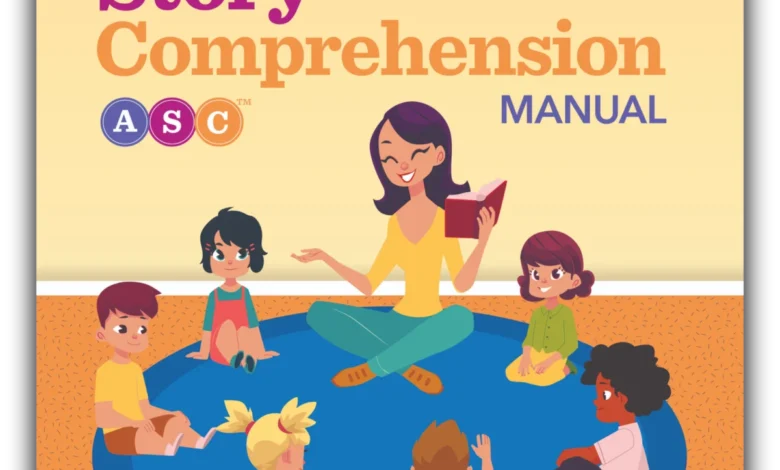
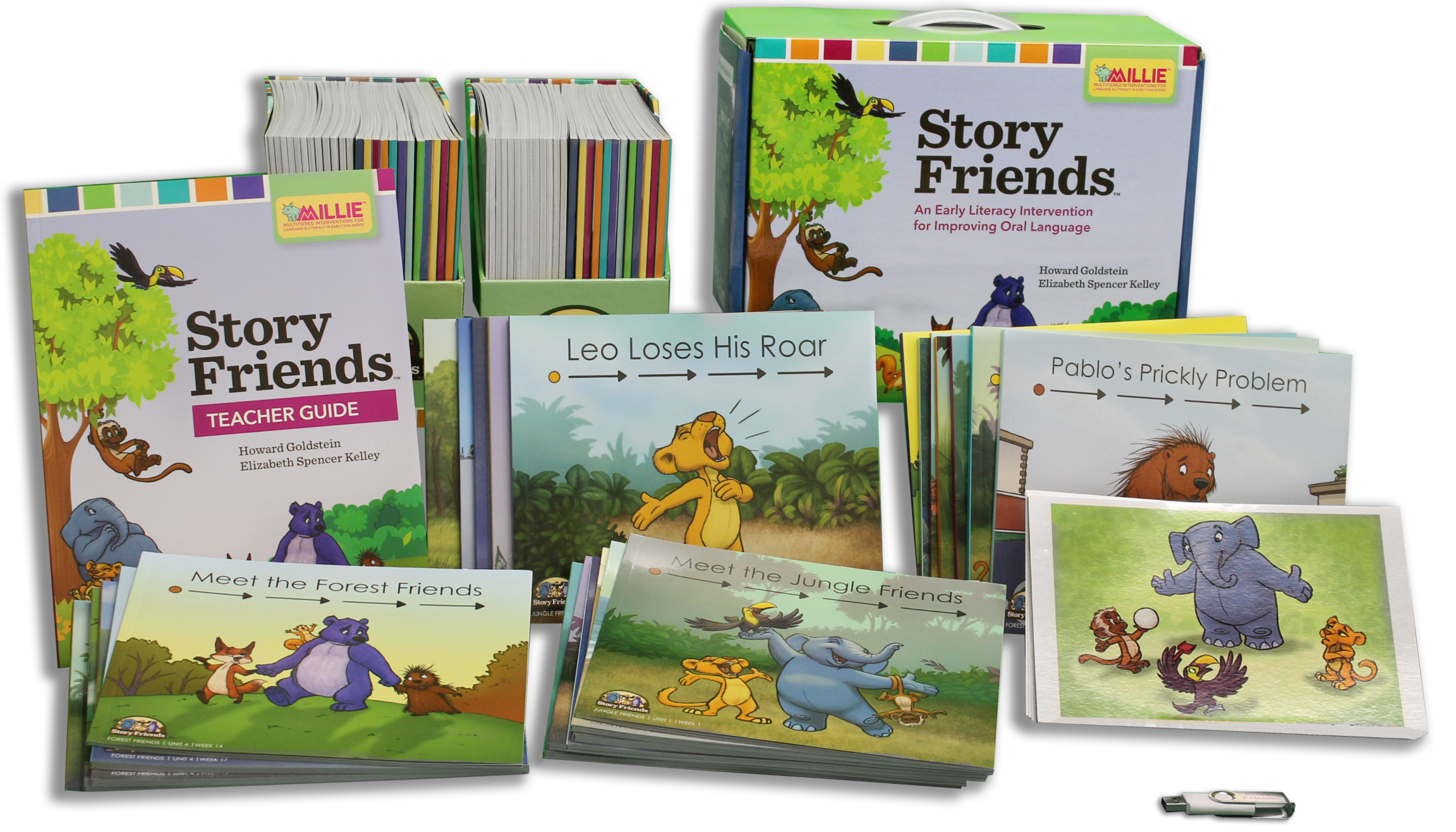
A critical component of a modernized literacy strategy is the implementation of Tier 2 interventions. Programs like Story Friends are designed specifically for children who require additional support beyond the standard classroom curriculum. These evidence-based interventions are highly targeted, often focusing on oral language and vocabulary for children who may be lagging behind their peers. Coupled with diagnostic tools like the Assessment of Story Comprehension (ASC), teachers can now monitor progress in real-time, allowing for rapid adjustments to instruction before a child falls significantly behind their grade-level benchmarks.
Addressing the Bilingual Disparity
The complexity of literacy instruction is further compounded by the diverse linguistic backgrounds of the student population. For Spanish-English bilingual learners, the challenge is not only acquiring literacy but also navigating two distinct language systems. Assessments like the Bilingual English-Spanish Assessment (BESA) are vital in this landscape. They provide educators with the diagnostic capability to distinguish between a typical delay in English language acquisition and a genuine language disorder. This distinction is crucial; misidentification can lead to unnecessary special education placement or, conversely, a lack of support for students who truly require it.
Implications for Policy and Practice
The shift toward a unified birth-to-eight literacy strategy carries significant implications for school funding, teacher training, and curriculum adoption. Policymakers are being urged to move away from fragmented funding models that isolate pre-K programs from the primary grades. Instead, there is a push for "P-3" alignment—a model that integrates preschool through third grade under a singular, cohesive pedagogical strategy.
From a policy perspective, this means:
- Professional Development: Investing in training that helps early childhood educators master the Science of Reading.
- Data Integration: Developing systems that allow student data to follow the child as they transition from pre-K to kindergarten, ensuring that teachers are aware of the student’s specific literacy milestones.
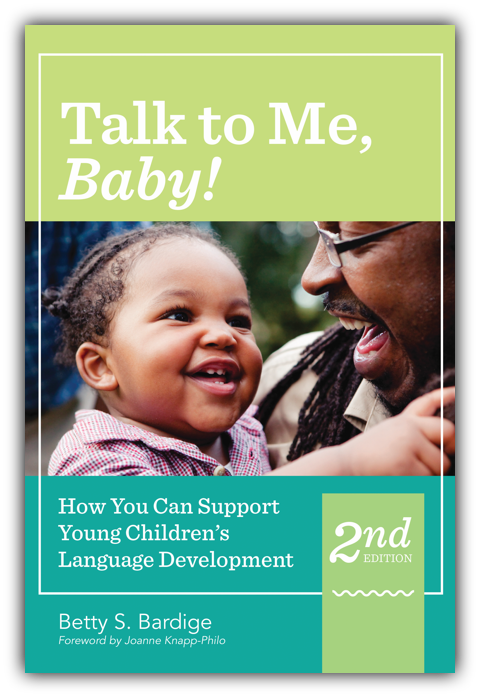
- Parental Engagement: Providing families with evidence-based tools, such as the resources found in Talk to Me, Baby!, to continue literacy development in the home environment, which remains the primary site of language acquisition.
Future Outlook and Conclusion
The challenges facing early literacy are significant, but the path forward is increasingly clear. By adopting a research-backed, evidence-based approach that respects the developmental needs of young children while emphasizing the technical requirements of reading, the educational system can begin to reverse the decline in proficiency.
The integration of these strategies represents more than just an academic adjustment; it is a fundamental commitment to the future of the next generation. As schools and early learning centers continue to align their efforts, the primary objective remains to ensure that every child, regardless of their background or socioeconomic status, is provided with the linguistic tools necessary to thrive. The investment in high-quality, classroom-tested resources and the prioritization of literacy in the earliest years are not merely optional enhancements to the curriculum—they are the essential components of a robust, equitable, and effective educational system. Through continued focus on these early foundations, the education community can effectively prepare students for the demands of the future, turning the tide on recent trends and securing a legacy of academic success.