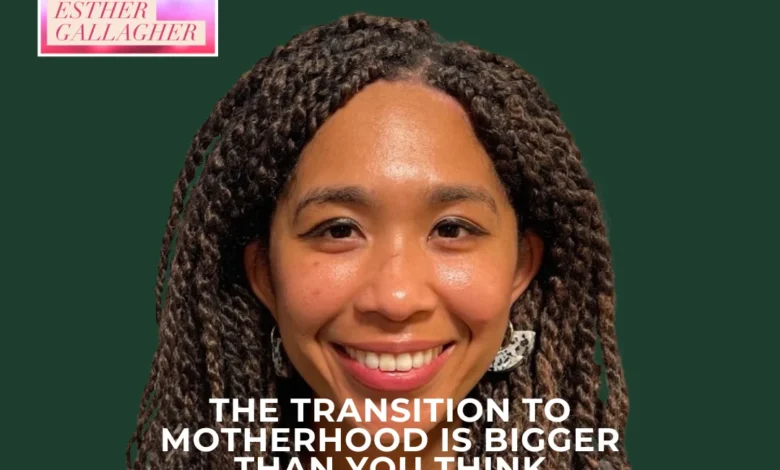
The seismic shift that occurs when a woman gives birth extends far beyond the sleepless nights and immediate demands of a newborn, fundamentally altering her identity, physiology, relationships, and place in the workforce. While society has long compartmentalized the challenges of early parenthood—focusing primarily on infant care or postpartum physical recovery—maternal health experts, psychologists, and sociologists increasingly emphasize that becoming a mother is a profound, holistic life transition. This sweeping developmental process, scientifically and culturally recognized as "matrescence," challenges the traditional, narrow view of postpartum adjustment and calls for a systemic reevaluation of how society supports new mothers.
Understanding Matrescence: A Lifelong Developmental Phase
Coined by anthropologist Dana Raphael in the 1970s and later popularized by renowned psychoanalyst Aurélie Athan, the term "matrescence" draws a direct parallel to adolescence. Just as puberty marks a turbulent period of biological, psychological, and social transition from childhood to adulthood, matrescence describes the profound transformation a woman undergoes when crossing the threshold into motherhood.
Unlike a temporary medical milestone, matrescence is an ongoing, multi-dimensional evolution. It encompasses drastic neurobiological rewiring, significant hormonal fluctuations, shifts in socio-economic status, alterations in professional identity, and a total restructuring of interpersonal relationships. Brain imaging studies have shown that pregnancy and early motherhood induce long-lasting structural changes in regions of the female brain associated with empathy, social understanding, and threat detection. These neurological adaptations are designed to help mothers tune into their infants’ needs, but they also contribute to heightened emotional sensitivity, hypervigilance, and a temporary sense of disorientation.
Despite the universality of these experiences, modern culture often treats motherhood as an instantaneous switch rather than a gradual, messy evolution. When new mothers inevitably experience a clash between their pre-baby identity and their current reality, cultural pressure to project effortless joy can lead to intense isolation, anxiety, and self-doubt.
The Complex Reality of Mixed Emotional States
One of the most defining characteristics of matrescence is the coexistence of seemingly contradictory emotions. A mother can feel an overwhelming, fierce love for her child while simultaneously grieving the loss of her former independence, professional momentum, and bodily autonomy.
Psychologists stress that this emotional complexity is entirely normal. In recent discussions hosted by the Fourth Trimester Podcast, nurse educator and maternal mental-health researcher Dr. Kelsey Green noted that the cultural expectation for mothers to display unalloyed happiness creates an unrealistic standard. When women feel frustrated, exhausted, or nostalgic for their past lives, they often internalize these feelings as personal failures rather than recognizing them as standard components of a major life transition.
Namiing these complex emotional states allows for more authentic communication. When partners, family members, and healthcare providers understand that distress does not equate to a rejection of the child, they can offer more nuanced, empathetic support. It opens the door for honest dialogues about the realities of postnatal life, reducing the stigma surrounding perinatal mood and anxiety disorders (PMADs) that affect up to one in five women.
The Evolution of Support: Moving Beyond Emotional Reassurance
Historically, postnatal support has centered heavily on encouraging words or brief postpartum check-ups. However, public health advocates argue that true maternal support must be practical, tangible, and sustained.
A comprehensive support framework during the transition to motherhood requires a village-style approach, incorporating:
- Rest and sleep protection to mitigate the cognitive and physical toll of chronic sleep deprivation.
- Nutritional assistance, ensuring mothers have access to nourishing, ready-to-eat meals without having to cook or coordinate them.
- Shared domestic labor, where partners and community members actively anticipate household needs rather than waiting to be assigned chores.
- Professional healthcare access, spanning physical recovery, pelvic floor rehabilitation, and specialized mental health services.
Public health specialists recommend that families and support networks regularly reassess a mother’s well-being by evaluating practical, relational, medical, and emotional needs. When distress becomes persistent, overwhelming, or interferes with daily functioning, timely intervention by qualified healthcare or mental health professionals is critical.
Beyond the Fourth Trimester: Later Phases of Adjustment
While the first twelve weeks postpartum—traditionally known as the fourth trimester—receive significant attention, the transition of matrescence does not conclude at its expiration. Research indicates that mothers undergo subsequent waves of profound adjustment at various milestones in their children’s lives and their own development.
Significant identity shifts frequently re-emerge when:
- A child transitions into formal daycare, preschool, or kindergarten, altering daily routines and forcing mothers to renegotiate time and availability.
- A mother attempts to re-enter the workforce or shift career trajectories, often encountering the well-documented " motherhood penalty."
- Additional children are born, multiplying logistical demands and shifting family dynamics once again.
- Children reach adolescence, prompting mothers to redefine their roles as primary caregivers as offspring seek independence.
Recognizing motherhood as an evolving, lifelong identity rather than a fixed destination helps normalize these later periods of readjustment, ensuring women feel validated long after their children outgrow infancy.
The Role of Partners, Employers, and Professionals
Mitigating the isolation and burnout associated with matrescence requires active engagement from the broader community, including partners, employers, and healthcare systems.
Rather than operating on assumptions about what a new mother needs, experts urge partners and family members to practice active curiosity. Asking specific questions—such as what daily routines have become unmanageable, what tasks feel most overwhelming, and what specific types of help would alleviate pressure—yields far better outcomes than vague offers of assistance.
From a structural standpoint, employers and policymakers hold a critical role in easing the transition. The United States remains an outlier among developed nations regarding federally mandated paid family leave, forcing many women to return to work weeks after giving birth while still recovering physically and emotionally. Expanding paid leave, implementing flexible work arrangements, and fostering workplace cultures that acknowledge the realities of working parenthood are essential steps toward supporting maternal health.
Meanwhile, healthcare professionals are increasingly urged to look beyond infant weight gain and basic physical healing during postpartum visits. Comprehensive maternal care requires screening for psychological distress, validating identity loss, and treating the mother as a whole person whose well-being is inextricably linked to that of her child.
Broader Implications for Society and Public Health
The cultural reframing of motherhood as matrescence carries significant implications for public health, gender equality, and family stability. When society fails to acknowledge the magnitude of the transition, it places an unsustainable burden on individual women, treating systemic deficits in support as private personal failures.
By shifting the narrative, public health advocates hope to destigmatize the challenges of early and ongoing parenthood, leading to earlier interventions for postpartum depression and anxiety, better retention of women in the workforce, and stronger family units. Ultimately, naming and understanding matrescence provides a foundational vocabulary for a conversation that is long overdue—one that honors the immense transformation required to bring both a child and a mother into the world.