
The transition from infancy to the toddler years, typically marked by a child’s first birthday, often brings a dramatic shift in eating habits that leaves many parents feeling disoriented. While an infant may have been a predictable eater, consuming a diverse array of purees or soft finger foods, the one-year-old often exhibits a sudden decline in appetite and an increase in food selectivity. This phenomenon, frequently categorized by parents as "picky eating," is in fact a complex interplay of biological, developmental, and psychological factors. Understanding the mechanics of this "toddler shift" is essential for parents to transition from a cycle of mealtime anxiety to a structured, sustainable approach to child nutrition.

The Biological Basis of the Appetite Plateau
To understand why a toddler’s eating patterns change, one must first examine their physical growth trajectory. During the first 12 months of life, a human infant typically triples their birth weight. This period of rapid physical development necessitates a high caloric intake and frequent feedings. However, as a child enters the second year of life, their growth rate slows significantly. Pediatric data indicates that while an infant may gain approximately 15 pounds in their first year, a toddler’s weight gain between the ages of one and two is often limited to roughly 5 pounds.

This physiological deceleration naturally leads to a decrease in appetite. Because the body is no longer building new tissue at the same high-velocity pace, the biological drive for constant fuel diminishes. Consequently, a toddler may consume a substantial amount of food during one meal, only to exhibit little to no interest in food for the remainder of the day. This behavior, while alarming to parents accustomed to the consistent hunger of an infant, is a standard biological response to changing energy requirements.

Developmental Drivers and Autonomy
Beyond biology, the toddler years are characterized by a burgeoning sense of independence. As children begin to distinguish themselves as individuals separate from their caregivers, they seek control over their immediate environment. Since toddlers have limited influence over their daily schedules, clothing, or sleep routines, the dinner table often becomes the primary venue for asserting autonomy.
Refusing food is frequently an expression of this newfound will rather than a rejection of specific flavors or textures. By saying "no" to a meal, the toddler is exercising their ability to make a choice. Experts in pediatric nutrition emphasize that this is a developmental milestone—a sign that the child is learning to have an opinion—rather than a behavioral problem. When parents interpret these refusals as a struggle for control, it often triggers a cycle of pressure and resistance that can result in long-term negative associations with food.

The Evolutionary Role of Neophobia
Another critical factor in this transition is food neophobia, or the fear of new foods. This trait, which often emerges between 18 months and two years, is an evolutionary survival mechanism. As children gain mobility, their ability to explore the environment increases, as does the risk of ingesting potentially harmful substances. From a biological perspective, being suspicious of new or unfamiliar foods served as a safety buffer against the consumption of poisonous berries or plants.
In a modern domestic setting, this translates into a toddler’s suspicion of new sauces, textures, or vegetable varieties. It is a protective, temporary mechanism. Clinical guidance suggests that parents should avoid labeling this phase as permanent "picky eating." Instead, it should be treated as a transient stage that requires patience. Exposure, rather than consumption, is the primary goal; allowing a child to see a new food on their plate without the pressure to eat it facilitates a "safe" familiarity that can eventually lead to acceptance.

Nutritional Priorities: The "Big Three" Focus
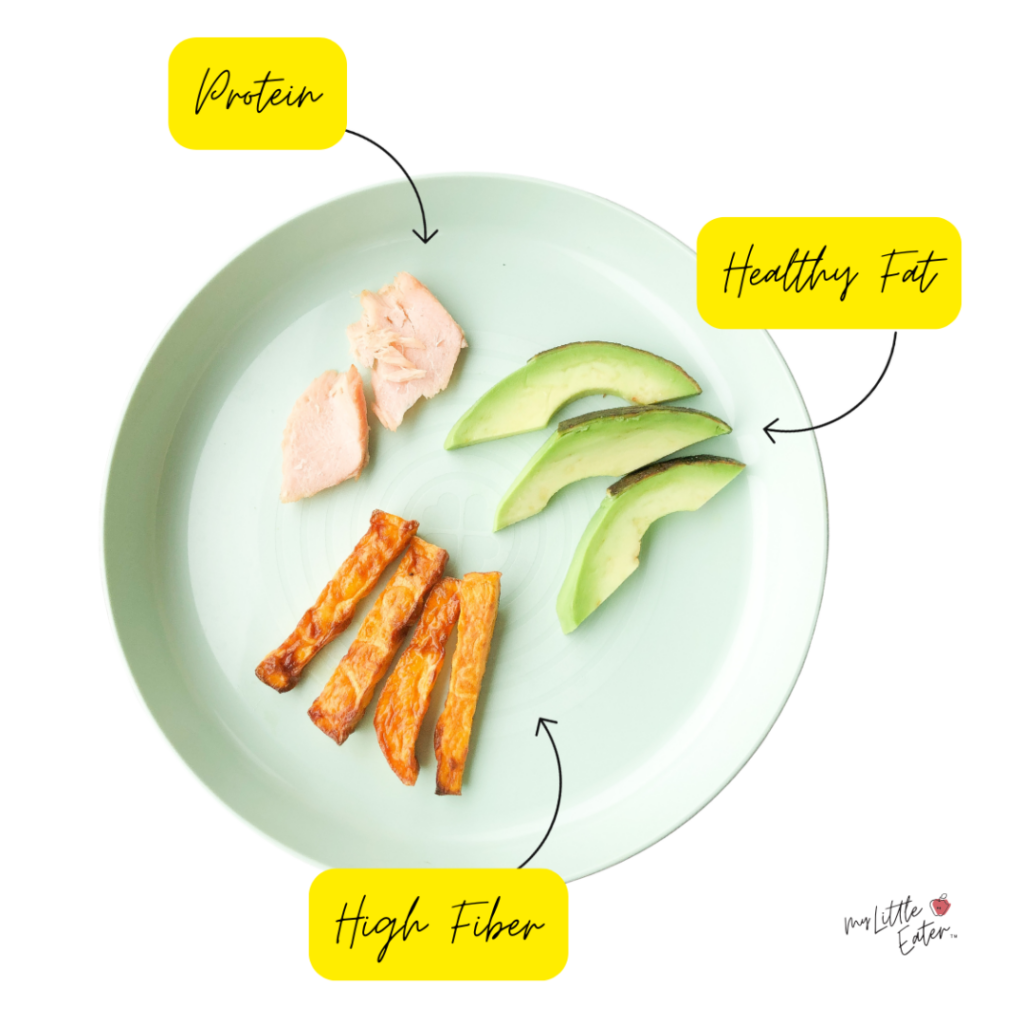
When a toddler’s appetite is naturally reduced, ensuring that each bite provides optimal nutritional value becomes paramount. Pediatric dietitians advocate for a focus on three core macronutrients: Fat, Fiber, and Protein (FFP). These nutrients are essential for neurodevelopment and maintaining stable energy levels throughout the day.
Protein is of particular importance as the child transitions away from breast milk or fortified formula. Research from the Centers for Disease Control and Prevention (CDC) highlights that excess consumption of cow’s milk—often exceeding 16 ounces per day—can inhibit iron absorption. The casein and calcium in milk can compete with iron for absorption in the gut, and the caloric density of milk can lead to "milk-fill," where the child loses their appetite for iron-rich solid foods. Balancing dairy intake is therefore a critical strategy in preventing iron deficiency in the second year of life.
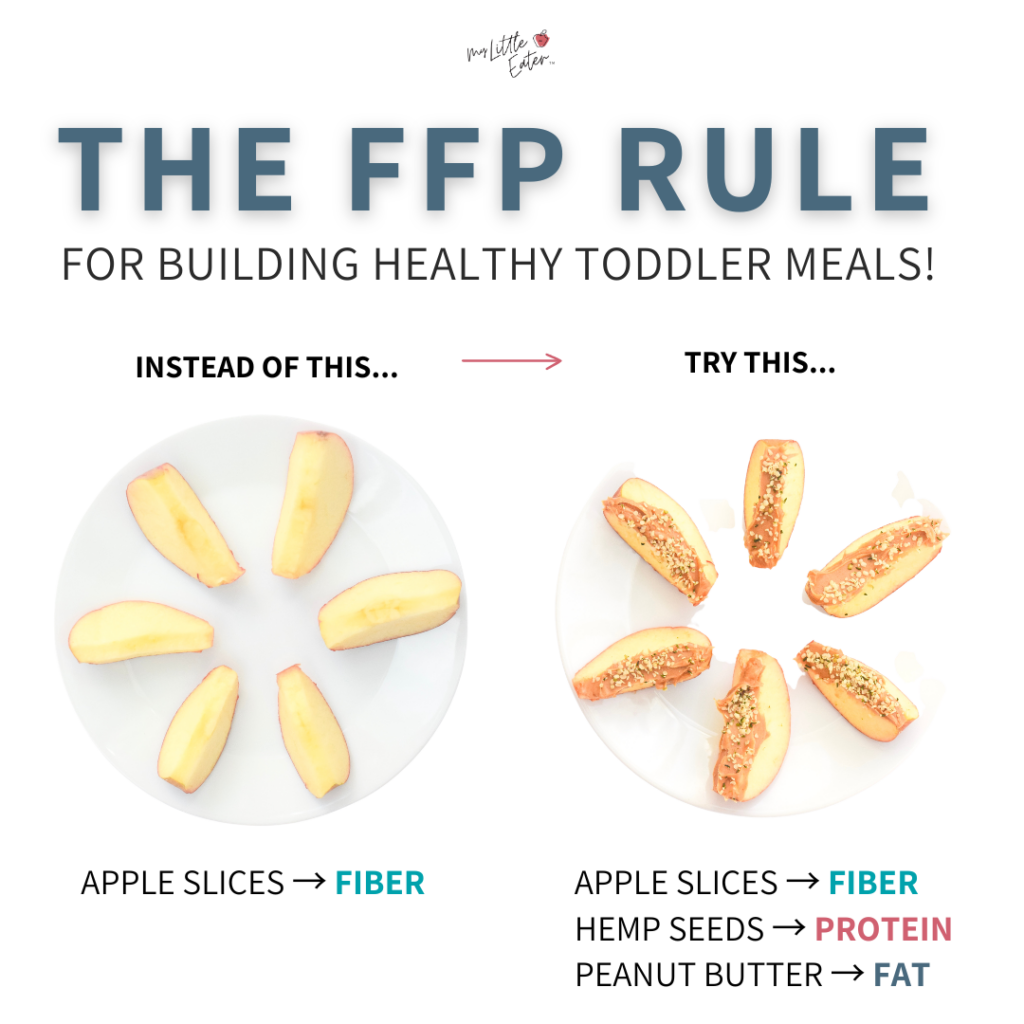
Healthy fats are equally vital. Because a toddler’s stomach capacity is small, they require energy-dense foods to remain satiated between meals. Incorporating full-fat dairy, avocado, nut butters, and olive oil into meals ensures that even small volumes of food provide the necessary calories for brain development. Fiber, meanwhile, is essential for maintaining healthy digestion and preventing the common issue of toddler constipation, which can itself be a precursor to mealtime refusal.

The Division of Responsibility
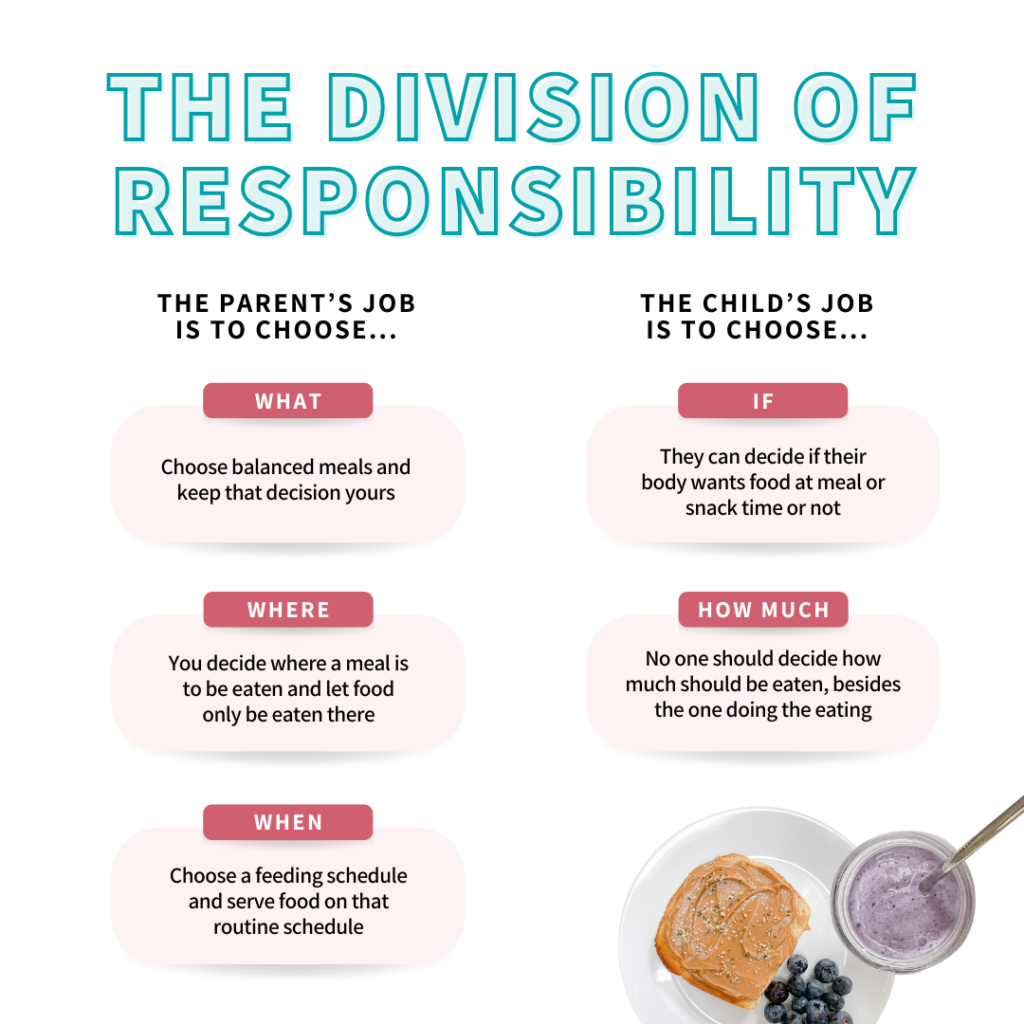
To mitigate the stress of mealtime, feeding experts, including Ellyn Satter, have long advocated for the "Division of Responsibility" (DOR) framework. This method establishes clear boundaries for both the parent and the child:

- The Parent’s Role: The parent determines what food is served, when it is served, and where it is served. This includes providing a balanced selection of foods and maintaining a consistent meal and snack schedule.
- The Child’s Role: The child decides if they will eat and how much they will eat.
By adhering to this model, the parent removes the pressure to perform. When a child is not forced to finish a plate or "take one more bite," they are empowered to listen to their own internal fullness cues. This builds a foundation for intuitive eating, which is a critical skill for lifelong health. Forcing a child to eat often backfires, creating a power struggle that prioritizes the parent’s anxiety over the child’s physiological needs.

Implementation and Long-term Impact
A successful strategy for parents involves the "safe food" approach. A safe food is defined as any item the child has successfully consumed in the recent past. Including one such item on every plate ensures the child does not feel overwhelmed by unfamiliar options. However, caution is advised against defaulting to the same "favorite" foods, as this can reinforce rigidity. Rotating safe foods keeps the child comfortable while leaving space for new items to be introduced.

Furthermore, the structure of meals matters. Serving meals "family style," where bowls are placed in the center of the table and the child participates in serving themselves, fosters a sense of agency. This shift in dynamic reduces resistance and encourages the child to engage with the food on their own terms.

When to Seek Professional Guidance
While fluctuating appetites and food selectivity are typical, there are instances where professional intervention is necessary. Red flags that warrant a consultation with a pediatrician or a registered dietitian include:

- Significant or unexplained weight loss.
- Extreme gagging or vomiting triggered by the sight or smell of food.
- A "safe food" list that has restricted to fewer than 10 total items.
- Suspicion of underlying medical issues, such as allergies or sensory processing disorders.
In such cases, personalized counseling can provide a structured roadmap to address physical or sensory barriers to eating.

Conclusion
The "toddler shift" is a challenging period, but it is fundamentally a part of healthy development. By moving away from the pressure to force consumption and toward a structured environment governed by the Division of Responsibility, parents can foster a more peaceful relationship with food. The goal of early childhood nutrition is not perfection at every meal, but rather the cultivation of a healthy, curious, and autonomous eater. Through consistency, patience, and a focus on nutrient-dense building blocks, families can reclaim the dinner table as a space for connection rather than conflict.