Fourth Trimester Podcast Episode 172 – Your Baby’s Brain Works Differently Than Yours – How Early Communication Supports Future Success

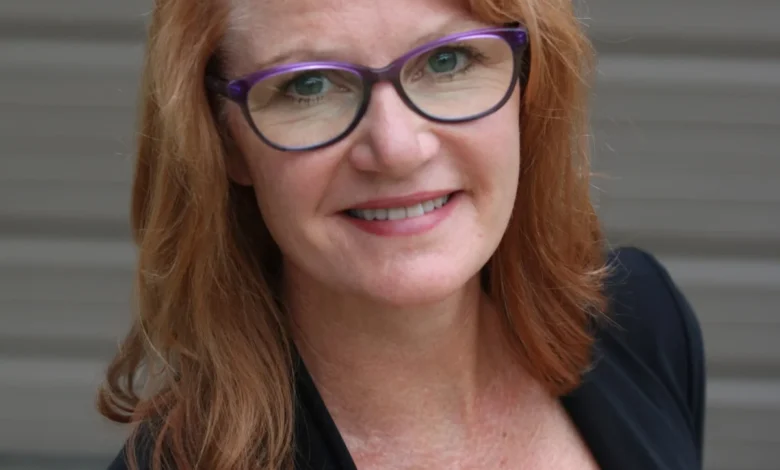
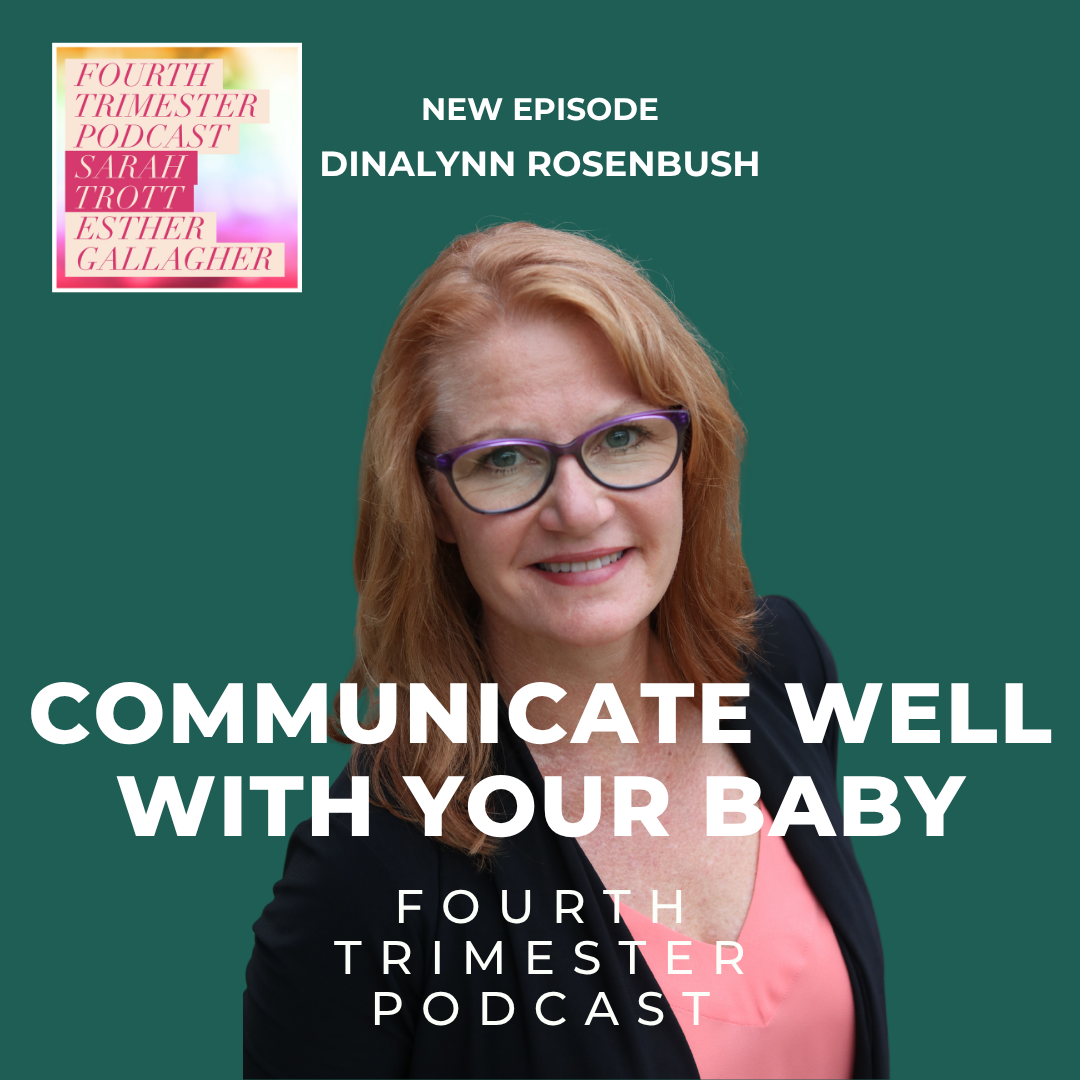
The fundamental biological and neurological differences between an infant’s brain and an adult’s brain form the cornerstone of early childhood development, a topic recently explored in depth on the Fourth Trimester Podcast. Featuring Dinalynn Rosenbush, a seasoned speech-language pathologist, parenting coach, and host of The Language of Play, the discussion centers on how parents can bridge the communicative gap between themselves and their newborns. By understanding that an infant’s world is processed through a vastly different neural architecture, caregivers can adjust their expectations and communication styles to foster optimal long-term cognitive and emotional success.
The Neurobiological Divergence: How Infant Brains Process Information
At the heart of the conversation is the scientific reality that an infant’s brain is not merely a smaller version of an adult’s brain, but one that operates on entirely different frequencies and priorities. Research into brain oscillations and electroencephalogram (EEG) patterns reveals a distinct progression in how the human brain matures. Studies cited in the discussion, including reviews of task-related brain oscillations from infancy to childhood, indicate that the neural pathways responsible for processing complex instructions are still in their most nascent stages during the "fourth trimester"—the first three months following birth—and well into the toddler years.
Data from the National Institutes of Health (NIH) and various longitudinal EEG studies show that from five months to four years of age, there is a significant shift in the power and distribution of brain waves. Adults typically operate with higher-frequency beta and gamma waves during cognitive tasks, whereas infants and young children show more activity in lower-frequency bands. This slower processing speed means that when a parent gives an instruction, the child’s brain may still be "rendering" the first half of the sentence while the adult has already moved on to the next thought.
Rosenbush emphasizes that this lag is often misinterpreted as defiance or "ignoring" the parent. In reality, the child’s prefrontal cortex—the area responsible for executive function, focus, and impulse control—is under construction. By recognizing this biological limitation, parents can shift from a mindset of frustration to one of "wonder," as Rosenbush suggests, allowing them to investigate what the child is actually experiencing in a given moment.
The Chronology of Communication: From Birth to Verbal Expression
The development of communication is a chronological journey that begins long before a child utters their first word. Rosenbush and the podcast hosts outline a timeline of engagement that builds the scaffolding for future language proficiency.
The Newborn Phase (0–3 Months)
During the initial "fourth trimester," communication is primarily sensory and physiological. The infant communicates through cries, body tension, and facial expressions. The "serve and return" model—a concept championed by Harvard University’s Center on the Developing Child—begins here. When a baby cries or moves and a caregiver responds with a touch or a soothing voice, neural connections are strengthened.
The Engagement Phase (4–9 Months)
As the baby’s vision and motor skills improve, communication expands to include eye contact and intentional vocalizations. This is the period where "diaper-change conversations" become vital. Rosenbush advocates for using these routine moments to provide a narrative for the baby, explaining what is happening in a calm, melodic tone. This repetition builds a library of sounds and rhythms in the infant’s brain.
The Pre-Verbal Symbolic Phase (9–14 Months)
Before complex speech emerges, children can often understand and use simple signs. The introduction of basic sign language or consistent gestures allows the child to express needs—such as "more," "eat," or "all-done"—reducing the frustration that often leads to behavioral outbursts. This phase is critical for establishing the "predictable routines" that Rosenbush identifies as essential for a child’s sense of security.
Behavior as Communication: A Paradigm Shift for Parents
One of the most significant takeaways from the discussion is the mantra that "behavior is communication." For a young child who lacks the vocabulary to express complex emotions like overstimulation, hunger, or a need for connection, their actions serve as their primary language.
Rosenbush explains that when a child misses an instruction or acts out, it is rarely an act of intentional disobedience. Instead, it may be a sign that their "cognitive load" has been exceeded. For example, if a room is too loud or a routine has been disrupted, the child’s nervous system may enter a state of fight-or-flight, making it biologically impossible for them to process verbal commands.
By adopting a speech-language pathologist’s lens, parents are encouraged to look past the "misbehavior" and ask: "What is my child trying to tell me?" This approach fosters a deeper bond and prevents the breakdown of the parent-child relationship during the stressful early years.
Practical Strategies for Early Success
To support the developing brain, Rosenbush offers several practical, evidence-based strategies that parents can implement immediately:
- Repetition and Predictability: The infant brain thrives on patterns. Using the same words for daily tasks (e.g., "Up we go" when picking them up) helps the brain categorize and predict future events, which lowers cortisol levels.
- Eye Contact and Proximity: Because infants process visual information differently, getting down to their eye level and maintaining soft eye contact ensures they are actually receiving the communication "signal."
- Entering the "World of Imagination": For older toddlers, Rosenbush suggests that parents join their play rather than directing it. Using imagination to bridge the gap between adult logic and child-like wonder creates a shared language of connection.
- The Power of the Pause: Given the slower processing speed of the developing brain, giving a child 5 to 10 seconds to respond to a request can drastically increase compliance and reduce the need for repeated commands.
Supporting Data: The Economic and Social Impact of Early Intervention
The implications of early communication extend far beyond the home. According to the Heckman Equation—developed by Nobel Memorial Prize-winning economist James Heckman—investing in early childhood development, particularly in the first few years of life, yields the highest return on investment for society.
Data suggests that children who experience high-quality, responsive communication in the first three years of life have higher rates of school readiness, better emotional regulation, and even improved health outcomes in adulthood. Conversely, a lack of "serve and return" interaction can lead to a "word gap" that persists into the school years, making it harder for children to catch up with their peers.
The scientific background provided in the episode’s resources, such as the review of "Event- and Task-Related Brain Oscillations," underscores that these early interactions are literally "wiring" the brain. Every diaper-change conversation and every moment of shared play acts as a building block for the architecture of the mind.
Broader Implications for Modern Parenting
The conversation between Rosenbush and the Fourth Trimester Podcast team highlights a shift in modern parenting toward "neuro-responsive" caregiving. This approach moves away from traditional, authoritarian models of "making a child listen" and toward a model of "helping a child understand."
This shift is particularly relevant in the context of the "fourth trimester," a period where parents are often exhausted and overwhelmed. By simplifying communication and lowering expectations for "perfect" behavior, parents can reduce their own stress levels. Understanding that a baby’s brain is biologically incapable of certain tasks (like "manipulating" a parent or "purposefully ignoring" a rule) allows for a more compassionate and effective parenting style.
Furthermore, the discussion touches on the importance of maternal and paternal well-being. Using resources like postpartum plans, traditional recipes (such as Panjiri), and community support helps ensure that the caregivers are in a regulated state themselves. A regulated caregiver is better equipped to provide the calm, repetitive, and responsive environment that a developing brain requires.
Conclusion: The Path Forward
As the Fourth Trimester Podcast Episode 172 concludes, the message is one of empowerment and patience. The journey of communication begins in the earliest moments of life, through the simplest of interactions. By acknowledging the unique neurobiology of the infant brain, parents can move from a place of confusion to a place of connection.
The work of Dinalynn Rosenbush and other experts in the field of speech-language pathology provides a roadmap for this journey. Through the use of signs, play, routines, and a deep understanding of "behavior as communication," families can build a foundation of mutual understanding that will support a child’s success through the fourth trimester and for the rest of their lives. The science is clear: the way we talk to our babies today shapes the way they think, learn, and relate to the world tomorrow.