
The transition from infancy to toddlerhood is marked by a significant shift in behavioral and physiological development, often resulting in sudden, unpredictable changes in eating habits. Parents frequently report that children who were previously adventurous eaters suddenly reject diverse food groups, preferring limited, familiar options. This phenomenon, which typically emerges around the first birthday, is a normal developmental milestone rather than a sign of poor parenting or a nutritional crisis. Understanding the biological and psychological drivers behind this shift is essential for parents aiming to maintain a healthy, low-stress mealtime environment.
The Biological and Psychological Drivers of the Toddler Shift
The primary reason for the apparent "appetite crash" at age one is a physiological deceleration in growth. During the first year of life, an infant typically triples their birth weight, a period of rapid development that requires high-caloric intake. By contrast, growth rates slow significantly between the ages of one and two, with the average child gaining only about five pounds during this twelve-month window. As the physical requirement for fuel decreases, the appetite naturally wanes, leading to days where a toddler may seem to consume very little.
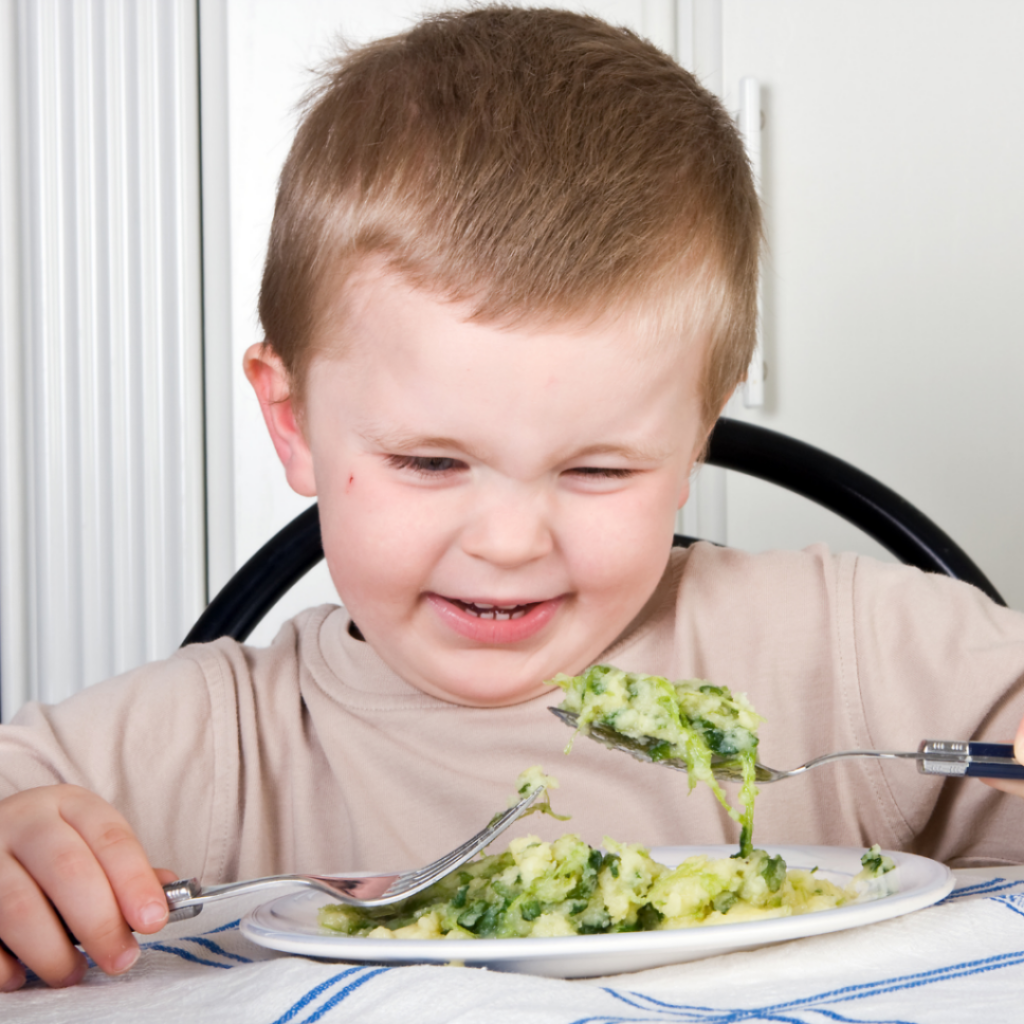
Concurrently, the toddler begins to establish a sense of self-identity. This developmental stage is characterized by a desire for autonomy, often manifesting in the mantra, "I do it." Because toddlers possess little control over their daily routines, sleep schedules, or clothing choices, the dinner table often becomes the primary venue for asserting independence. When a child refuses food, they are frequently not expressing a dislike for the flavor, but rather testing their ability to influence their environment.

Neophobia: The Evolutionary Survival Mechanism
Many parents categorize this phase as "picky eating," but pediatric experts identify it as food neophobia—a survival-based fear of new or unfamiliar substances. From an evolutionary standpoint, a mobile toddler requires an internal mechanism to avoid potentially dangerous items, such as toxic berries or plants. In a modern domestic setting, this translates into a suspicion of new foods, including vegetables, sauces, or unfamiliar textures.
This mechanism is temporary. Research suggests that repeated, low-pressure exposure to these foods—without the expectation that the child must consume them—is the most effective way to overcome neophobia. By keeping a new food on the plate, parents allow the child to observe, touch, and smell the item in a "safe" environment, which eventually builds the familiarity required for the child to attempt a bite.

The Foundation of Nutrient-Dense Feeding
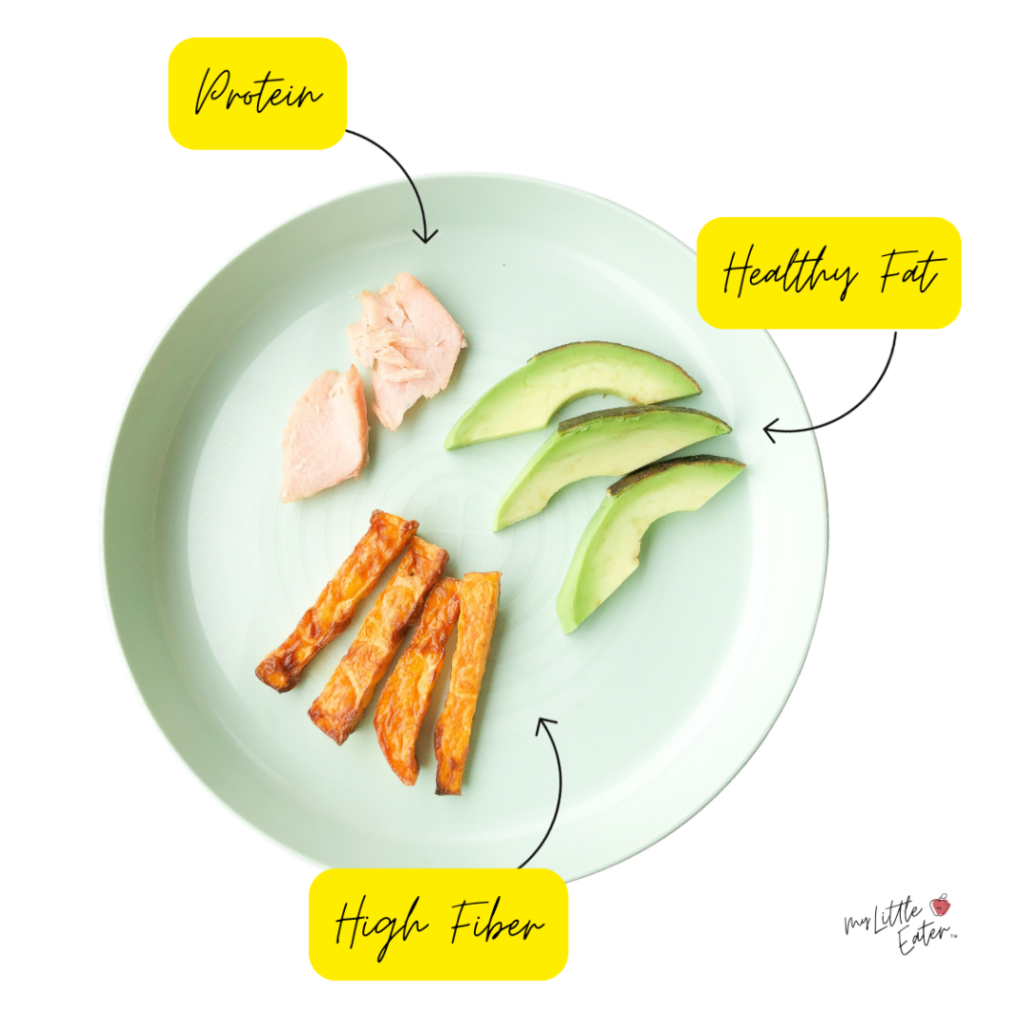
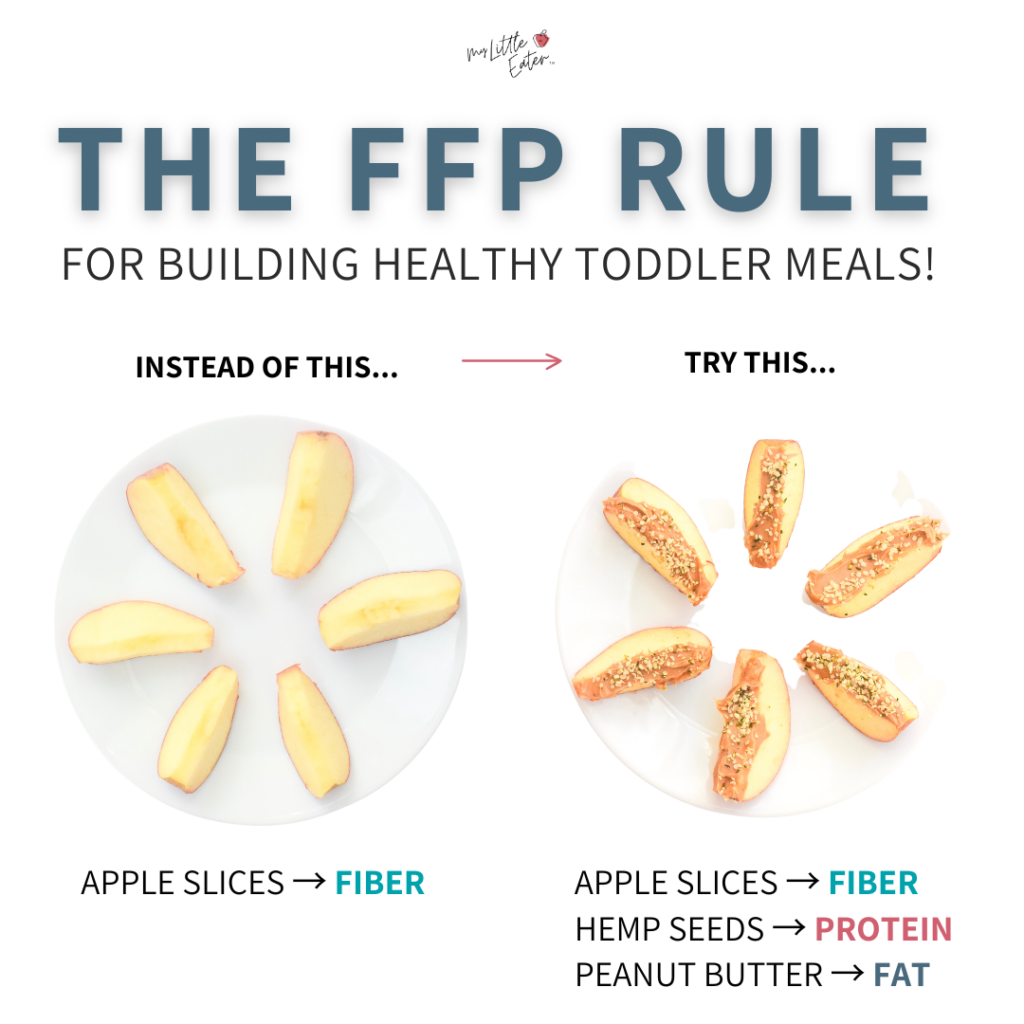
While total caloric intake may fluctuate, the quality of nutrition remains paramount. Pediatric dietitians emphasize the "Big Three" nutrient focus: Fat, Fiber, and Protein (FFP). These elements are critical for neurodevelopment and sustained energy levels.
Protein is particularly vital as the child moves away from breastmilk or formula. However, a common error in toddler nutrition is the over-consumption of cow’s milk. The Centers for Disease Control and Prevention (CDC) recommends limiting milk intake to 16 ounces (two cups) per day for children aged 12 to 24 months. Excessive dairy consumption can lead to an overabundance of calcium and casein, which inhibit iron absorption. Furthermore, a full stomach of milk reduces the appetite for iron-rich solid foods, increasing the risk of deficiency.

To support growth, parents are encouraged to prioritize plant-based proteins—such as lentils, beans, eggs, and fortified cereals—and pair them with grains to ensure a complete amino acid profile. Healthy fats, found in whole-fat dairy, avocados, and nut butters, provide essential energy for a toddler’s high activity levels and aid in the absorption of fat-soluble vitamins. Finally, fiber-rich foods like whole fruits and vegetables are necessary to prevent constipation, a condition that can exacerbate mealtime refusal.
The Division of Responsibility (DOR)
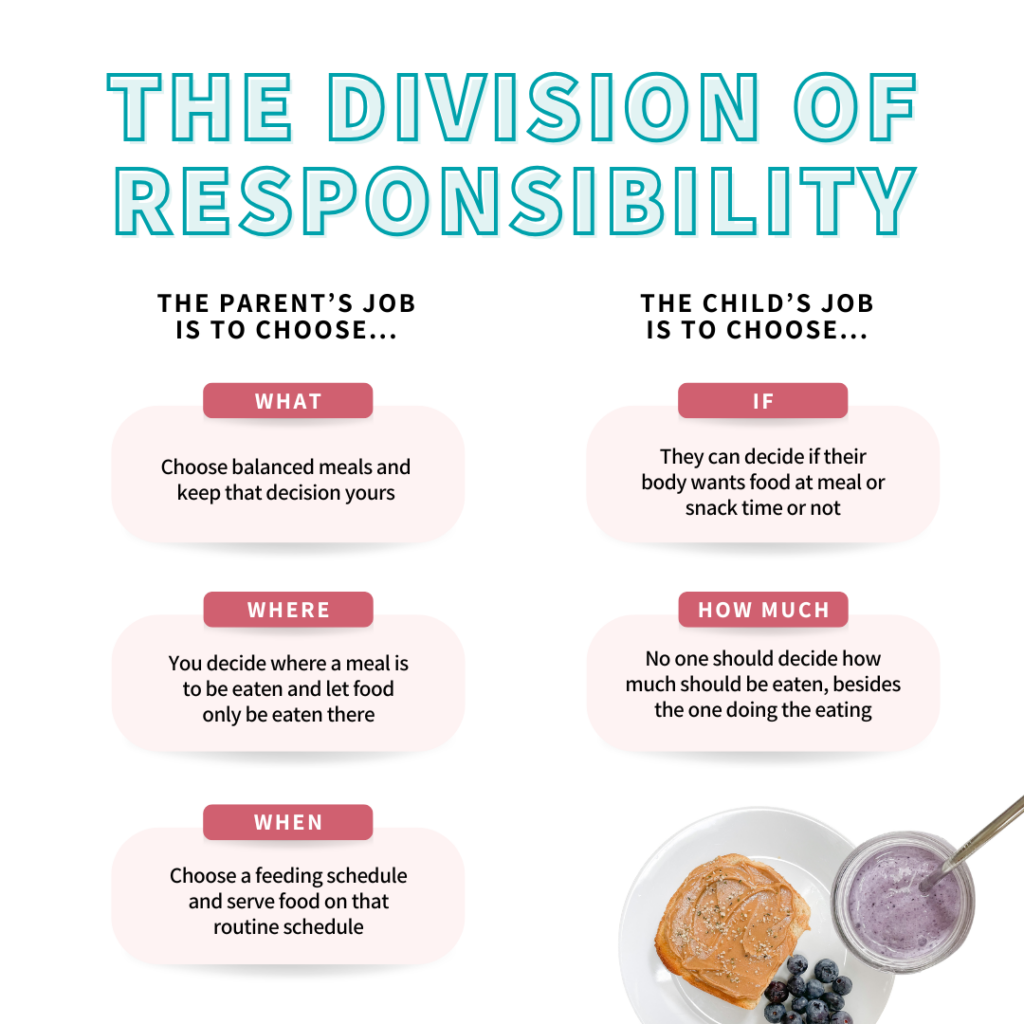
To mitigate conflict, many pediatric health organizations advocate for the "Division of Responsibility" (DOR) framework, developed by feeding expert Ellyn Satter. This model establishes clear boundaries for both parties:
- The Parent’s Role: Determines what food is served, when it is served, and where it is served.
- The Child’s Role: Determines if they will eat the food provided and how much they will consume.
By removing the pressure to finish a plate or eat "one more bite," parents respect the child’s internal hunger and fullness cues. When parents force a child to eat, they risk creating negative associations with food and interfering with the child’s ability to self-regulate, which can have long-term implications for their relationship with nutrition.

Practical Strategies for Sustainable Mealtimes
Consistent mealtime routines are essential for fostering a positive relationship with food. Experts recommend offering three meals and two to three scheduled snacks daily. This structure prevents constant "grazing," which dulls a child’s appetite for nutrient-dense meals.

Furthermore, implementing "Family Style" meals—where food is served in central bowls rather than pre-plated—allows the child to participate in the serving process. This simple act of choice reduces resistance and promotes autonomy. It is also recommended to always include at least one "safe food" on the plate—a item the child has eaten recently and feels comfortable with. This ensures the child does not feel overwhelmed by a plate of unfamiliar items.

Analyzing the Impact of Mealtime Anxiety
The implications of high-stress mealtimes are significant. When dining becomes a battleground, the emotional environment can lead to increased food aversion. By contrast, a neutral, low-pressure atmosphere encourages curiosity. Parents should avoid labeling foods as "good" or "bad," as this moralizing can contribute to emotional eating habits later in life. Instead, maintaining a neutral stance toward all foods helps the child develop a balanced perspective.

When to Seek Professional Intervention
While developmental shifts are common, certain red flags necessitate consultation with a pediatrician or a registered dietitian. These include:

- Significant or persistent weight loss.
- Severe gagging or vomiting when presented with food.
- A "safe food" list that has diminished to fewer than ten items.
- Persistent refusal to eat entire food groups over an extended period.
In these instances, professional guidance can help rule out underlying sensory processing issues or medical conditions such as food allergies.

Conclusion: A Long-Term Perspective
The goal of toddler nutrition is not to achieve perfection in a single day, but to foster long-term habits that support intuitive eating. By focusing on nutrient-dense building blocks—fat, fiber, and protein—and maintaining a calm, authoritative, yet supportive role, parents can transform mealtimes. The "toddler shift" is an exhausting stage, but it is a temporary one. By trusting the child to listen to their own body and adhering to the Division of Responsibility, families can move away from the cycle of frustration and toward a sustainable, peaceful, and healthy table. Patience and consistency are the most effective tools in a parent’s kit, ensuring that the habits formed during these early years serve as a foundation for a lifetime of health.