The Ultimate Guide to Mastering Authentic and Easy Mexican Rice at Home

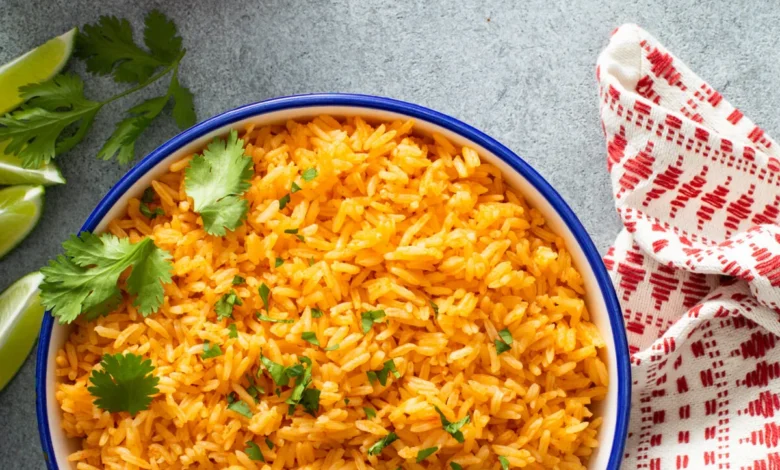
Culinary enthusiasts and busy home cooks are increasingly turning to streamlined, pantry-friendly recipes that deliver authentic restaurant-quality flavors without requiring specialized culinary training. Among the most sought-after staples in North American households is Mexican rice—a savory, tomato-infused side dish that routinely accompanies tacos, enchiladas, burritos, and grilled meats. Recent culinary trends and home-cooking data indicate a significant surge in searches for reliable, foolproof side dishes that cater to both children and adults. To meet this growing demand, culinary experts have refined a classic, one-pan Mexican rice methodology that emphasizes proper grain toasting, precise liquid ratios, and strategic moisture management to achieve a perpetually fluffy, non-sticky texture.
Background Context and Culinary Evolution
Mexican rice, historically referred to in various regions as arroz rojo (red rice), holds a foundational place in Mexican gastronomy and Tex-Mex cuisine. Unlike plain steamed white rice, which is typically cooked in unflavored water, authentic Mexican rice derives its deep, complex flavor profile from a methodical cooking process. Culinary historians trace the roots of this dish to the introduction of rice by Spanish colonizers, which was subsequently integrated with indigenous New World ingredients such as tomatoes, onions, garlic, and native chili peppers.
In the United States, the terms "Mexican rice" and "Spanish rice" are frequently used interchangeably by consumers, though traditional Spanish rice often incorporates saffron and distinctly Mediterranean flavor profiles. The tomato-and-broth-based iteration popular in modern American households has evolved to prioritize efficiency, utilizing accessible canned tomato sauce or blended fresh tomatoes alongside chicken or vegetable broth. Over the past decade, as home cooking has shifted toward globally inspired comfort foods, mastering this specific side dish has become a benchmark for home chefs seeking to replicate the vibrant flavor profiles found in authentic taquerias and Mexican restaurants.
The Science of Fluffy Rice: Toasting and Starch Management
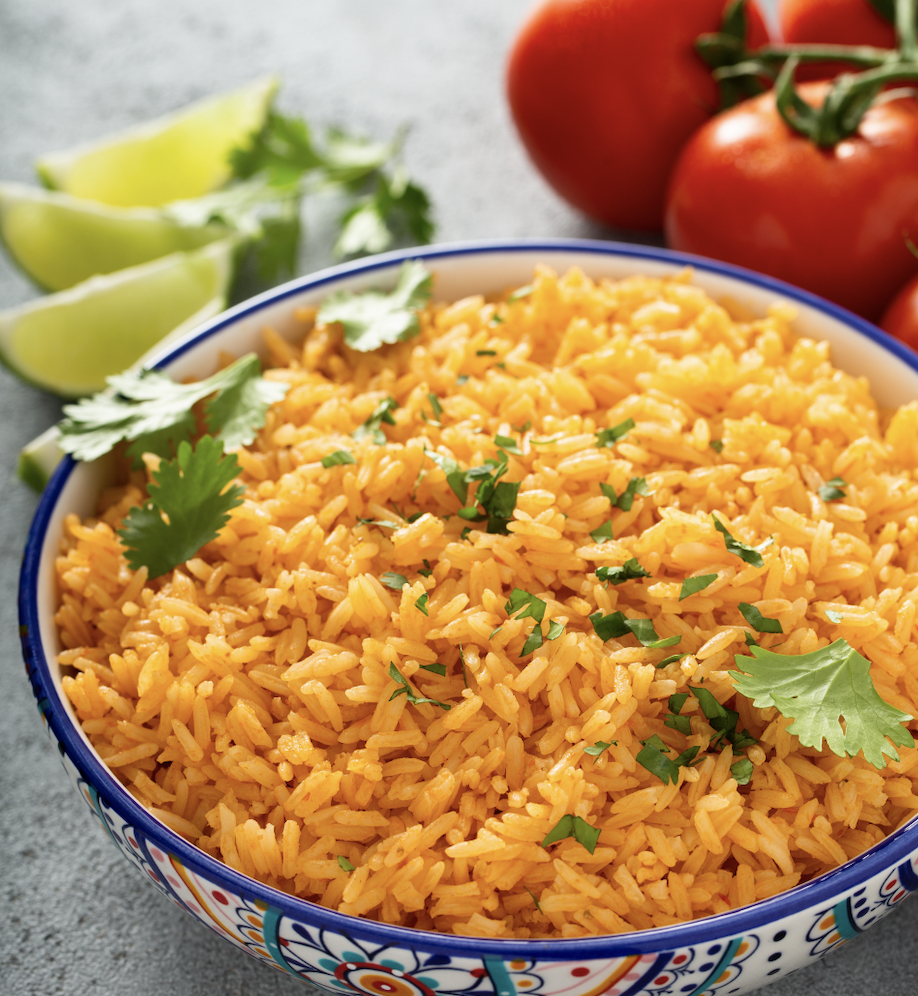
Achieving the ideal texture in Mexican rice is less about complex ingredients and more about precise culinary technique. According to professional chefs and food scientists, the single most critical step in preparing the dish is the toasting phase. By sautéing raw, long-grain white rice in a modest amount of neutral oil until the individual grains turn a light golden color, cooks trigger the Maillard reaction and develop a subtle, nutty aroma. More importantly, this coating of oil acts as a barrier, sealing the starch within each grain and preventing the rice from releasing excessive amylose into the cooking liquid, which is the primary culprit behind gummy or mushy rice.
Complementing the toasting process is the essential step of rinsing the raw rice prior to cooking. Thoroughly washing the grains under cold water removes surplus surface starch left over from the milling process. Culinary tests demonstrate that unrinsed rice retains a powdery starch coating that invariably clumps together when exposed to simmering broth, whereas rinsed and drained rice yields distinct, separate, and exceptionally fluffy grains. Furthermore, adhering strictly to a covered cooking method—where the lid remains sealed throughout the simmering and resting phases—ensures that steam is trapped evenly within the vessel, facilitating uniform gelatinization of the starch without the need for frequent stirring, which can break down the delicate grains.
Comprehensive Step-by-Step Preparation Chronology
For home cooks looking to execute this recipe efficiently, a structured preparation timeline ensures seamless execution from pantry to table. The entire process requires approximately 35 minutes, broken down into distinct preparatory and cooking phases.
Phase 1: Preparation and Mise en Place (10 Minutes)
The process begins with gathering and measuring all necessary ingredients.
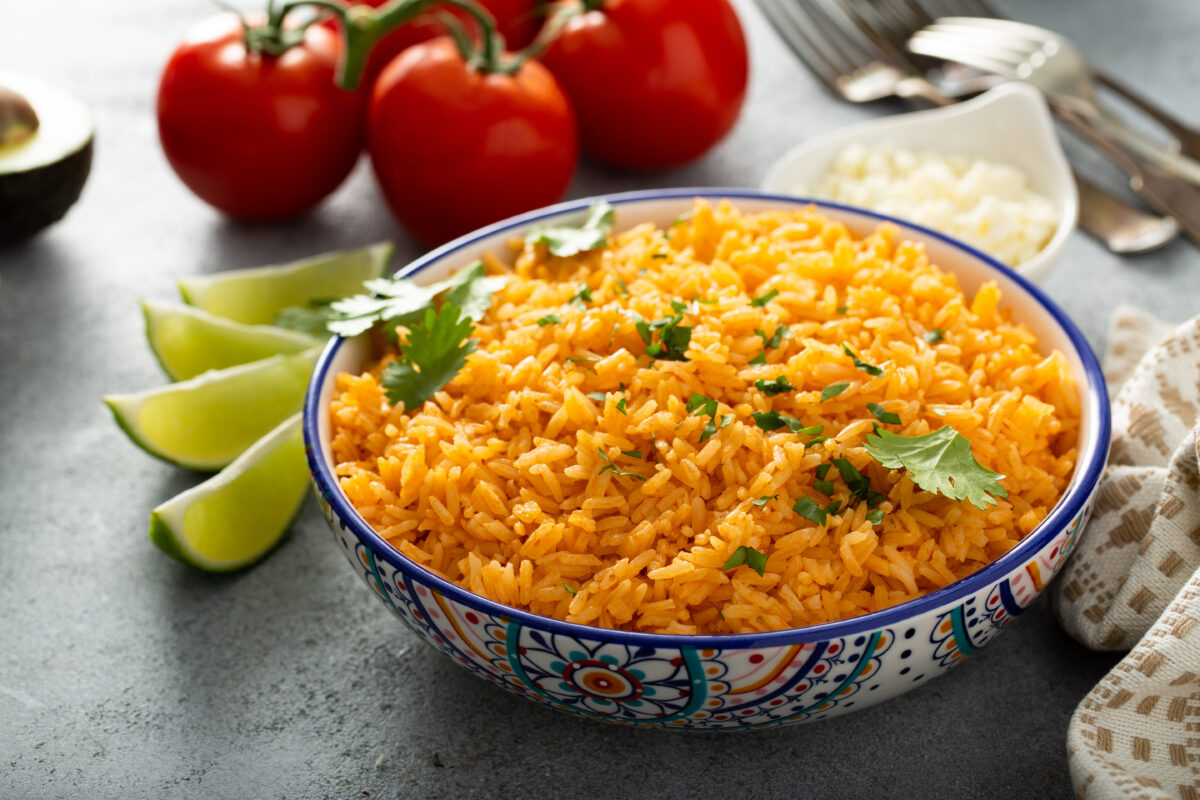
- The Grain: Two cups of long-grain white rice are measured and placed into a fine-mesh strainer. The rice is rinsed thoroughly under cold running water until the runoff liquid runs clear, after which it is allowed to drain completely to prevent excess moisture from throwing off the liquid-to-rice ratio.
- The Aromatics: One medium yellow onion and two cloves of garlic are finely minced. If cooking for young children who object to visible pieces of onion, these aromatics can be blended directly with the tomato sauce.
- The Liquids and Spices: Chicken or vegetable broth is measured alongside standard tomato sauce. Essential spices—typically cumin, garlic powder, onion powder, and a mild chili powder for warmth—are set aside for easy incorporation.
Phase 2: Toasting and Sautéing (5 to 7 Minutes)
A large, heavy-bottomed skillet or Dutch oven is heated over medium-high heat with two tablespoons of cooking oil. The drained long-grain rice is added to the hot oil and stirred continuously. Within five minutes, the edges of the grains begin to turn translucent, progressing quickly to a light golden hue accompanied by a distinct, nutty fragrance. During the final minute of toasting, the minced onions and garlic are stirred directly into the rice, allowing them to soften and release their aromatic oils without burning the garlic.
Phase 3: Simmering and Steaming (18 to 20 Minutes)
The measured chicken or vegetable broth, tomato sauce, and spices are carefully poured into the skillet, causing an immediate sizzle. The mixture is brought to a gentle boil, after which the heat is immediately reduced to the lowest possible setting. The skillet is covered tightly with a secure-fitting lid. The rice is left to simmer undisturbed for approximately 15 to 18 minutes, allowing the grains to absorb the savory liquid entirely.
Phase 4: Resting and Fluffing (5 to 10 Minutes)
Once the liquid is absorbed, the heat is turned off, but the lid remains firmly in place. This resting period is critical; it allows residual moisture to distribute evenly throughout the grains while firming up the exterior of the rice. Finally, the lid is removed, and the rice is gently fluffed with a fork before serving, garnishing with fresh chopped cilantro and lime wedges if desired.
Nutritional Profile and Dietary Adaptability
Modern meal planning demands high versatility, and this foundational Mexican rice recipe accommodates a wide variety of dietary preferences and nutritional goals. Naturally low in fat and cholesterol-free, standard homemade Mexican rice serves as a wholesome source of complex carbohydrates when prepared with quality ingredients.
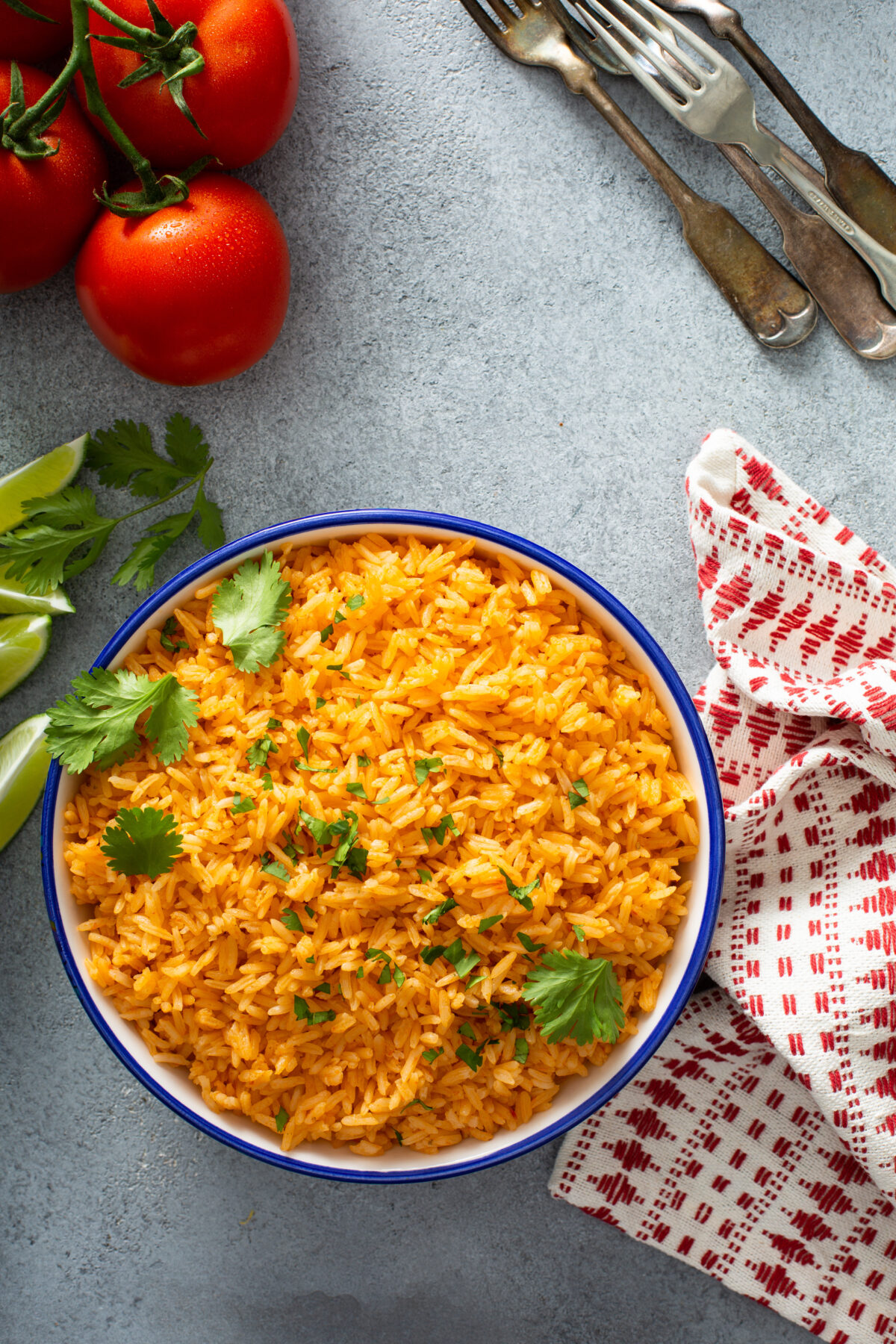
To cater to diverse nutritional needs, the recipe can be easily modified:
- Vegetarian and Vegan Adaptations: Substituting standard chicken broth with a robust vegetable broth or seasoned water maintains the rich, savory depth of the dish while eliminating animal products.
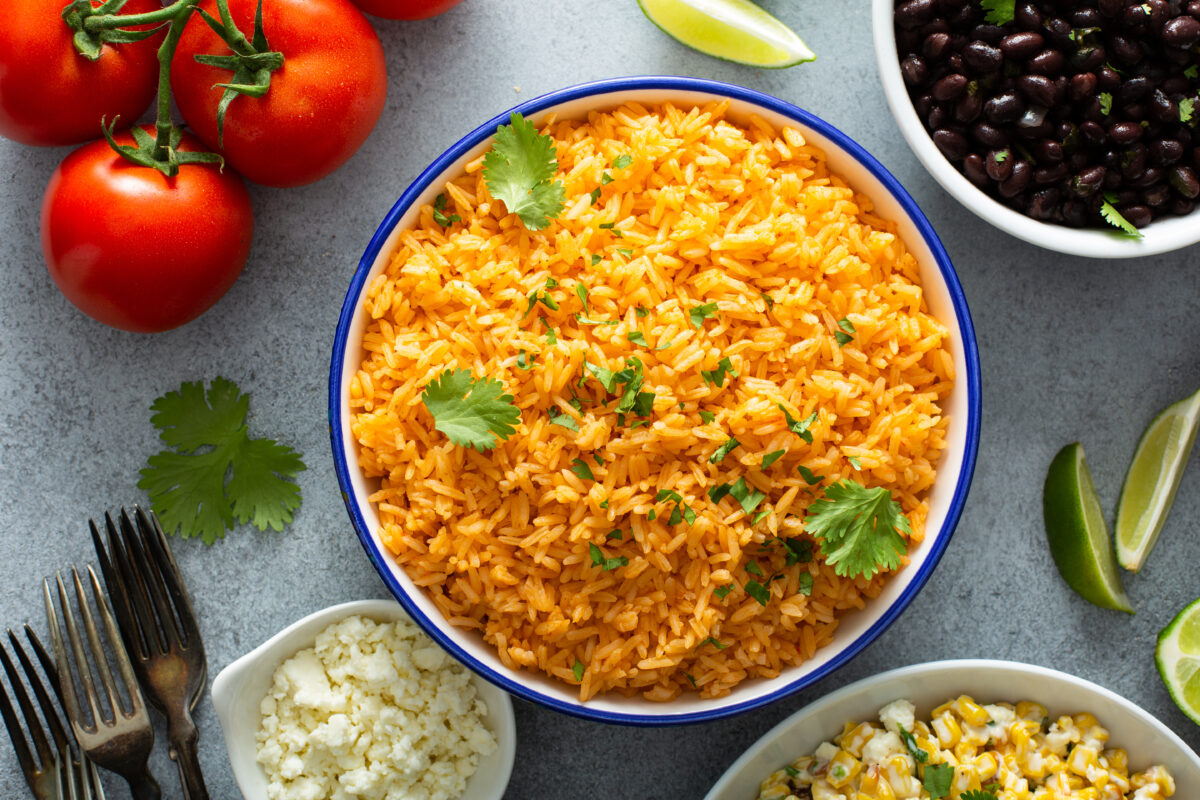
- Fiber and Nutrient Boosts: Incorporating finely diced vegetables such as carrots, bell peppers, zucchini, or sweet corn kernels significantly increases the vitamin and fiber content. For a protein-dense, one-skillet main course, home cooks can fold in rinsed black beans, pinto beans, or shredded grilled chicken during the final resting phase.
- Sodium Management: Utilizing low-sodium broths and controlling the amount of added salt allows individuals monitoring their cardiovascular health to enjoy the dish without compromising on flavor.
Kid-Friendly Modifications and Family Dining Strategies
A primary challenge for parents preparing international or spiced dishes is managing flavor intensity to suit younger palates. Traditional Mexican rice often relies on chili powders, jalapeños, or cumin, which can sometimes present too much heat for children. Culinary experts recommend a strategic approach to family-friendly adaptation:
- Heat Reduction: By omitting or heavily reducing the chili powder and cayenne pepper, the dish retains its rich tomato and garlic foundation while eliminating spicy heat. The warmth of the dish can instead be derived from sweet paprika or mild tomato paste.
- Texture Customization: Children who reject the texture of visible onions or herbs can benefit from a blended sauce method. Pureeing the canned tomatoes, onions, and a portion of the broth into a smooth liquid before adding it to the toasted rice ensures a completely uniform texture.
- Interactive Vegetable Inclusion: Parents can encourage children to take ownership of their meals by offering a "mix-in" bar of steamed peas, corn, or mild diced peppers, allowing kids to customize their individual portions at the dinner table.
Storage, Reheating, and Meal Prep Efficiency
For modern households prioritizing batch cooking and meal prepping, Mexican rice stands out for its exceptional durability and storage longevity. Properly handled leftovers can significantly reduce weekday meal preparation time.
Refrigeration Guidelines
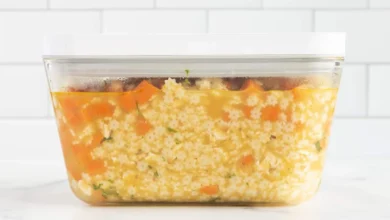
Once cooked, the rice must be cooled rapidly to room temperature before being transferred to an airtight container. Stored properly in the refrigerator, the rice remains fresh and safe for consumption for up to four days. When reheating individual portions in the microwave, adding a teaspoon of water or broth and covering the container with a damp paper towel or microwave-safe lid prevents the grains from drying out, restoring their original moisture and fluffy consistency. Alternatively, reheating the rice in a covered skillet over low heat with a splash of broth yields identical, freshly cooked results.
Freezing Best Practices
Mexican rice freezes remarkably well, making it an ideal candidate for long-term meal planning. To freeze, the cooked rice should be cooled completely and packed into heavy-duty freezer bags or airtight freezer-safe containers, with excess air pressed out to prevent freezer burn. Properly sealed, the rice can be stored in the freezer for up to three months. Thawing is best executed overnight in the refrigerator, though the rice can also be reheated directly from a frozen state by incorporating a small amount of liquid and heating thoroughly over medium-low heat.
Troubleshooting Common Culinary Pitfalls
Even with simple recipes, minor miscalculations can impact the final dish. Understanding the underlying causes of common culinary errors allows home cooks to troubleshoot effectively:
- Issue: The rice turned out mushy or sticky.
- Cause: Excessive liquid, failing to rinse off surface starch, stirring the rice while it simmers, or cooking over too high a heat.
- Solution: Strictly measure liquids according to the grain-to-liquid ratio, ensure the rice is thoroughly rinsed and drained before toasting, and resist the urge to lift the lid or stir the pot once the simmering phase begins.
- Issue: The rice is hard or undercooked in the center.
- Cause: Insufficient liquid, a loose-fitting lid that allowed steam to escape, or premature removal from the heat source.
- Solution: Ensure the lid forms a tight seal over the pan. If the liquid is absorbed and the rice remains crunchy, sprinkle two tablespoons of warm water over the surface, cover tightly, and allow it to steam on extremely low heat for an additional five minutes.
- Issue: The flavor lacks depth.
- Cause: Using plain water instead of a seasoned broth, or under-salting the cooking liquid.
- Solution: Always utilize a high-quality chicken, beef, or vegetable stock as the cooking base, and ensure the tomato sauce and spice blend are thoroughly whisked into the liquid before bringing it to a boil.
Broader Market Implications and Culinary Trends
The enduring popularity of approachable, scratch-made Mexican side dishes reflects a broader consumer shift toward home-based international gastronomy. Market analysts note that as dining out becomes increasingly expensive, consumers are investing in foundational kitchen skills that replicate restaurant experiences at home. Recipes that utilize basic, inexpensive pantry staples—such as white rice, canned tomatoes, and standard spices—provide high economic value while delivering gourmet satisfaction.
Furthermore, the emphasis on whole-food, customizable recipes aligns with contemporary nutritional guidelines that encourage cooking from scratch to control sodium, fat, and additive intake. By mastering versatile techniques like the toasting and steaming method required for authentic Mexican rice, home cooks expand their culinary repertoire, bridging the gap between convenience cooking and cultural authenticity. As digital recipe platforms continue to prioritize clear instructions, nutritional adaptability, and troubleshooting resources, timeless side dishes like easy Mexican rice will undoubtedly remain staples of modern home cooking for generations to come.