Unprecedented Global Summit in Jaipur Marks a Turning Point in the Fight Against Diabetes Stigma

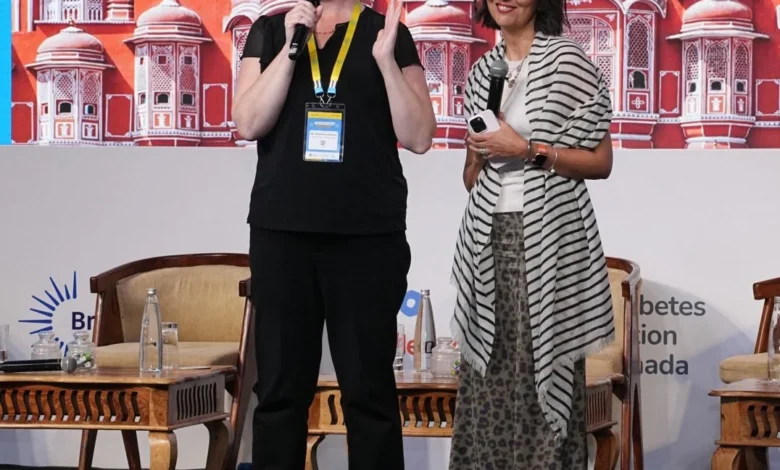
In March 2026, the historical city of Jaipur, India, served as the backdrop for a milestone event in global health: the inaugural Global Summit to End Diabetes Stigma. Bringing together 190 delegates from 35 countries, the gathering was designed not merely to document the psychological and social barriers faced by individuals with diabetes, but to engineer actionable solutions on an international scale. More than half of the attendees were individuals living with the condition themselves, cementing a core philosophy that prioritizes direct lived experience over detached academic theory.
The event addressed a pervasive crisis that affects hundreds of millions of people globally. While medical advancements in insulin delivery, continuous glucose monitors, and therapeutics have progressed exponentially over the past century, the social framework surrounding metabolic conditions has largely lagged behind. Stigma, blame, and discrimination remain deeply entrenched in workplaces, educational institutions, healthcare facilities, and public discourse. The Jaipur summit sought to disrupt this status quo by uniting patients, advocates, clinicians, and researchers to draft a unified global response.
The Philosophy of Action: Nothing About Us Without Us
From its inception, the summit was anchored by the rallying cry of #NothingAboutUsWithoutUs. This principle was integrated into the operational DNA of the conference, dictating everything from panel selections to leadership structures.
The 16-member Steering Committee reflected this commitment, spanning 10 countries with 11 members possessing direct lived experience of diabetes. During the opening plenary session, a collective calculation revealed that the assembly in Jaipur represented more than 1,300 cumulative years of lived and loved experience with diabetes. This profound accumulation of personal insight established a tone of authority and authenticity; the individuals most intimately acquainted with the impacts of stigma were recognized as the foremost authorities on dismantling it.
To ensure geographical and socioeconomic equity, accessibility was prioritized through targeted financial support. Eighty-five delegates attended the summit via full #dedoc° travel scholarships, funded through a partnership between Breakthrough T1D and various industry sponsors. Nearly 90 percent of these scholarship recipients lived with diabetes themselves, and over 60 percent traveled from low- and middle-income countries (LMICs). For many attendees, the summit represented their first international journey, ensuring that voices from regions frequently overlooked in global health policy were positioned at the center of the dialogue.
Guiding these cross-cultural and interdisciplinary conversations was Renza Scibilia, Senior Director for Global Responsibility at Breakthrough T1D and one of the summit’s primary emcees. A veteran advocate for the "Language Matters" movement—which pushes for person-first, non-stigmatizing vocabulary in healthcare—Scibilia framed the discussions around the practical realities of navigating daily life with a chronic condition.
The Scale of the Crisis: Understanding Diabetes Stigma
The urgency of the Jaipur summit is underscored by a growing body of public health research. Historically, the psychological burden of chronic illnesses has been overshadowed by physiological management. However, recent epidemiological and sociological studies have dragged the social implications of diabetes into the spotlight.
According to landmark research published in The Lancet Diabetes & Endocrinology, approximately four in five people living with diabetes report experiencing some form of stigma, while one in three report direct discrimination. This stigma manifests in multiple ways:
- Blame and Misconception: Individuals are frequently subjected to unsolicited commentary attributing their diagnosis entirely to personal lifestyle failures, ignoring the complex genetic, autoimmune, and environmental factors driving both Type 1 and Type 2 diabetes.
- Institutional Barriers: Discriminatory practices persist in employment, where misconceptions about productivity and medical emergencies lead to hiring biases or career stagnation. Similar barriers occur in schools, where children face isolation or inadequate support due to institutional ignorance.
- Healthcare Disparities: Stigmatizing language and attitudes from healthcare providers often alienate patients, leading to delayed care, reduced treatment adherence, and worsening health outcomes.
- Internalized Stigma: Prolonged exposure to societal judgment frequently causes patients to internalize shame, leading to anxiety, depression, and self-management burnout.
These findings formed the empirical foundation of the summit. Rather than spending valuable time debating whether stigma exists, participants utilized the data from The Lancet and other institutional studies to pivot directly toward structural interventions.
Chronology of the Summit: From Lived Narratives to Strategic Commitments
The two-day conference followed a meticulously structured arc, moving systematically from shared personal narratives to concrete policy formulation.

Day One: Articulating the Reality
The opening sessions were dedicated to storytelling and shared vulnerability. Participants broke down the silos of isolation by detailing personal encounters with prejudice. As Renza Scibilia noted during the proceedings, "We weren’t talking about people with diabetes—we were talking as people with diabetes." This shift in perspective reframed the discourse from an objective medical seminar to an empowered human rights assembly. Attendees mapped out how stigma permeates diverse cultural contexts, noting that while the manifestations vary between high-income nations and LMICs, the underlying roots of ignorance and fear remain universal.
Day Two: Synthesizing Evidence and Forging Solutions
Transitioning from qualitative experiences to quantitative strategies, the second day focused on actionable interventions. Working groups were established to tackle specific pillars of reform:
- Language and Media Representation: Evaluating media guidelines to eradicate sensationalist tropes and stigmatizing terminology in journalism and public health campaigns.
- Healthcare System Transformation: Developing educational modules for medical professionals to cultivate empathy and eliminate judgmental clinical practices.
- Public Awareness and Advocacy: Designing global public relations strategies to educate communities on the physiological realities of diabetes.
- Policy and Human Rights: Exploring pathways to integrate diabetes stigma protections into international human rights frameworks and national legislative agendas.
The summit culminated in the formal adoption of collective commitments, establishing a shared understanding that sustainable progress requires coordinated, multi-sectoral follow-through.
Stakeholder Perspectives and Institutional Responses
The success of the Jaipur gathering relied heavily on cross-sector collaboration between patient advocates, global health organizations, and corporate partners.
Public health analysts have praised the summit for bridging the gap between clinical endocrinology and social psychology. For decades, medical interventions have focused exclusively on glycemic control—HbA1c levels, time-in-range, and pharmacological innovation. By bringing stigma to the forefront, the summit challenged the medical establishment to recognize that psychological well-being and social safety are inseparable from clinical outcomes. Chronic stress driven by stigma and discrimination can directly impact metabolic management, creating a vicious cycle of poor health and social marginalization.
Organizations such as Breakthrough T1D have championed this holistic model, asserting that true equity in healthcare cannot be achieved without addressing the societal environments in which patients live. By investing heavily in delegate sponsorships from the Global South, the organizers ensured that the resulting policy frameworks reflect the realities of resource-constrained healthcare systems, where medication access and societal stigma intersect most severely.
Broader Impact, Implications, and the Road Ahead
The conclusion of the Jaipur summit does not signify an endpoint, but rather the ignition of a sustained international movement. No single conference can eradicate a deeply entrenched social phenomenon, but the event established a vital architecture for coordinated global resistance.
Moving forward, the primary deliverable of the summit is the co-design of a comprehensive global roadmap for action. This framework will synthesize the evidence gathered in Jaipur, operationalize the commitments made by delegates, and provide a standardized toolkit for local advocacy groups, national health ministries, and international bodies.
The momentum generated in Jaipur is expected to ripple across subsequent international health forums, placing diabetes stigma on the agenda of major medical congresses and human rights organizations. As regional networks mobilize around the global roadmap, the foundational belief of the summit will continue to guide the movement: that true progress in health equity, access, and care occurs only when individuals with lived experience are not merely represented, but trusted to lead the charge.
For further information regarding the strategic outcomes of the conference, upcoming publications, and ongoing global initiatives, stakeholders and the public can visit the official End Diabetes Stigma platform. Additional insights into international advocacy efforts can be accessed through Breakthrough T1D’s global presence initiatives and the ALIGN-T1D program.