The Rise of Simplified Home Baking: Why Easy Sprinkle Sugar Cookies Are Taking Over Family Kitchens

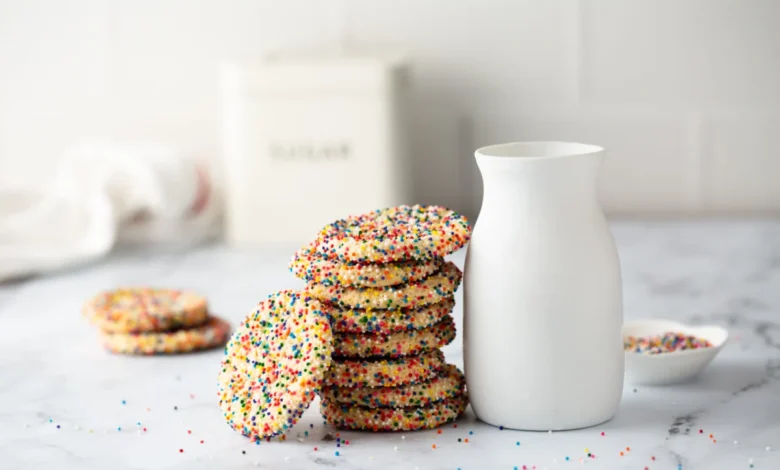
The modern home baking landscape has undergone a significant shift, marked by a growing preference for approachable, high-yield, and low-complexity recipes that fit into busy household schedules. Among the leading trends in this culinary movement is the resurgence of the classic sprinkle sugar cookie. Combining buttery soft-baked textures with vibrant, pre-applied decorations, these treats have become a staple for birthdays, holidays, and weekend family activities. Food scientists, home economists, and culinary educators note that the widespread appeal of these cookies lies not only in their nostalgic flavor profile but also in their elimination of time-consuming post-baking decorating steps.
Background and Culinary Context
Sugar cookies have historically held a foundational role in Western baking traditions, dating back to early American settlement and European cookie-making techniques. Traditionally, sugar cookies are divided into two primary categories: drop cookies, which are soft and chewy, and rolled cut-out cookies, which hold intricate shapes for royal icing decoration. While cut-out cookies remain popular for seasonal holidays, they require extensive preparation, precise dough temperature management, and hours of cooling, piping, and drying time.
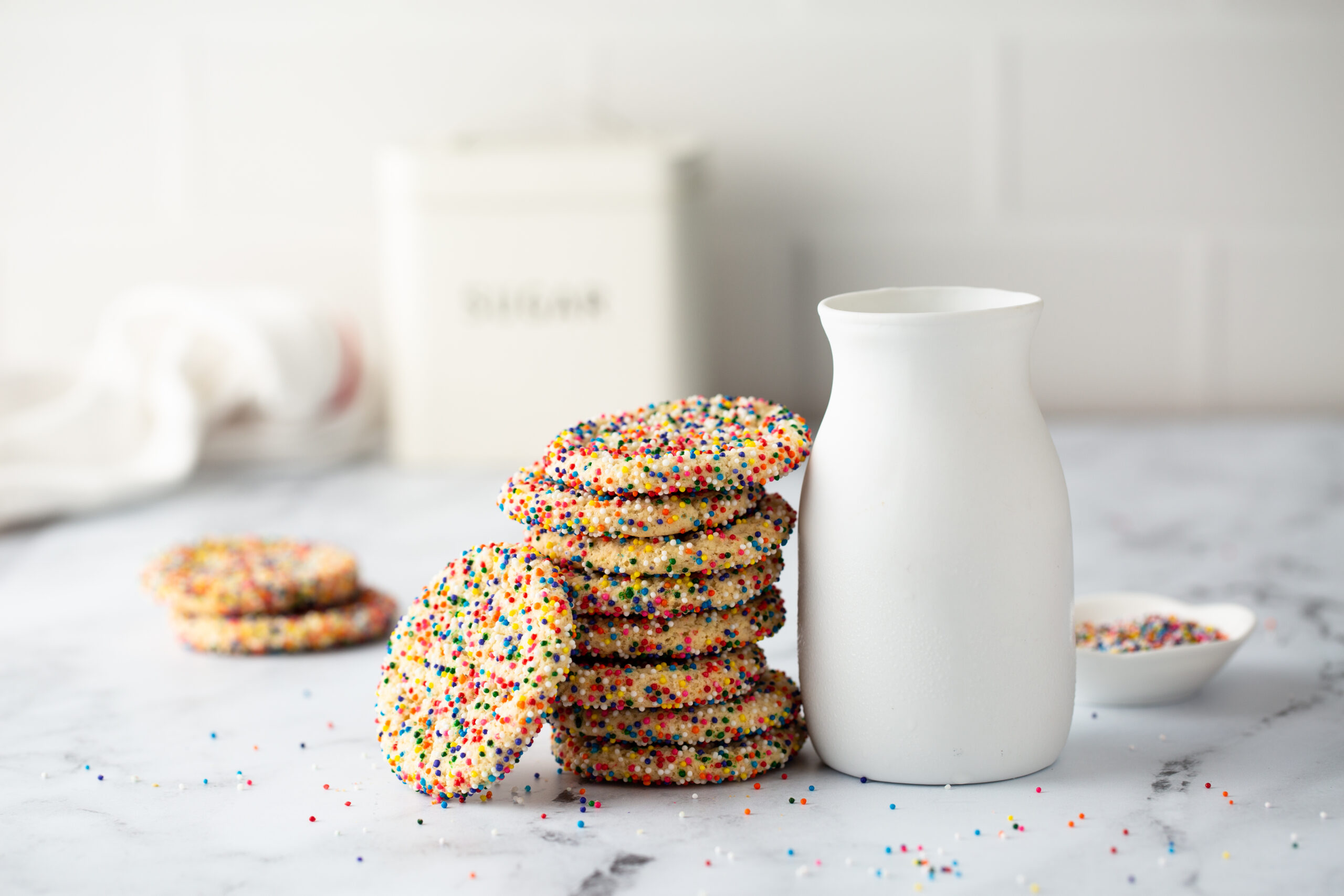
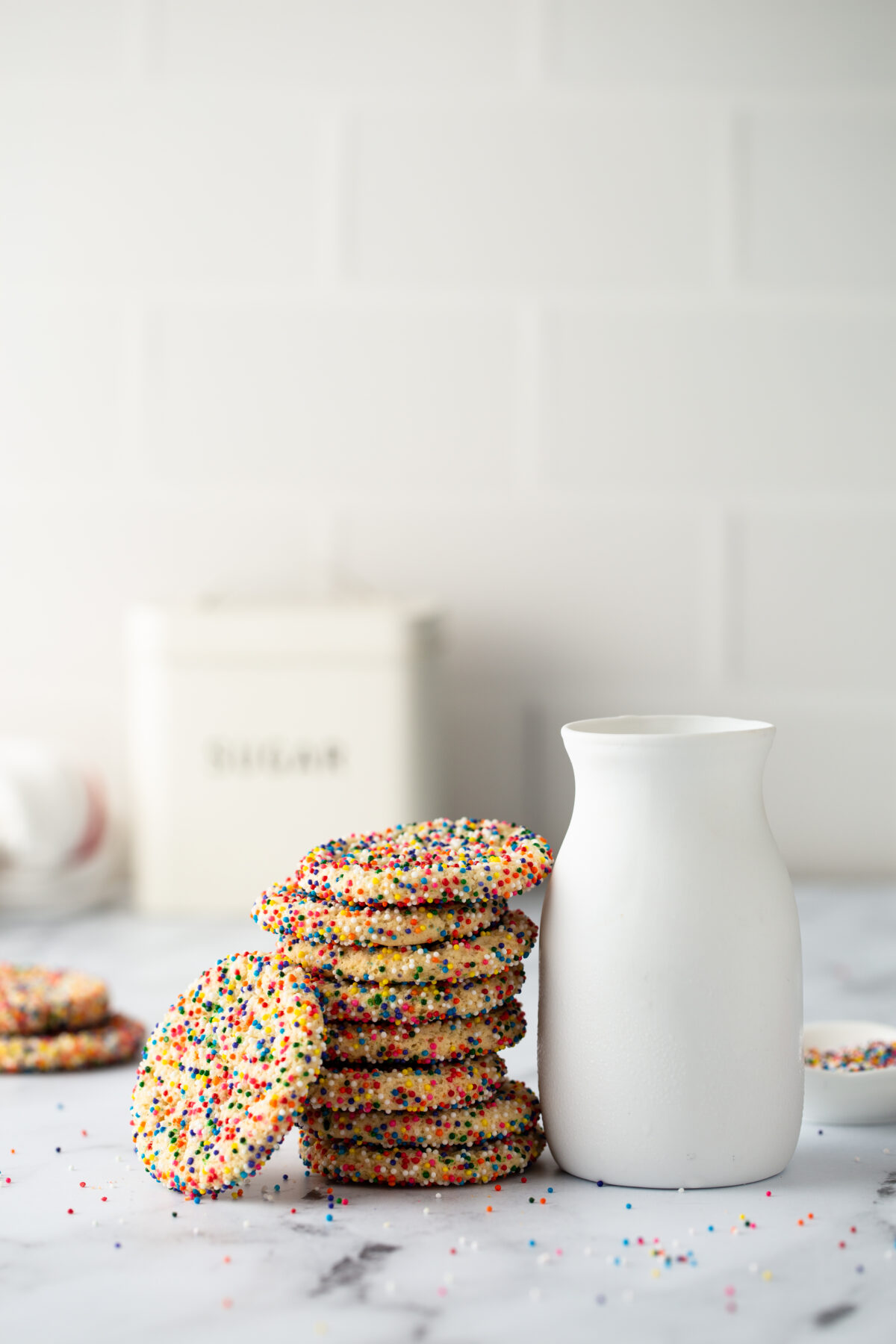
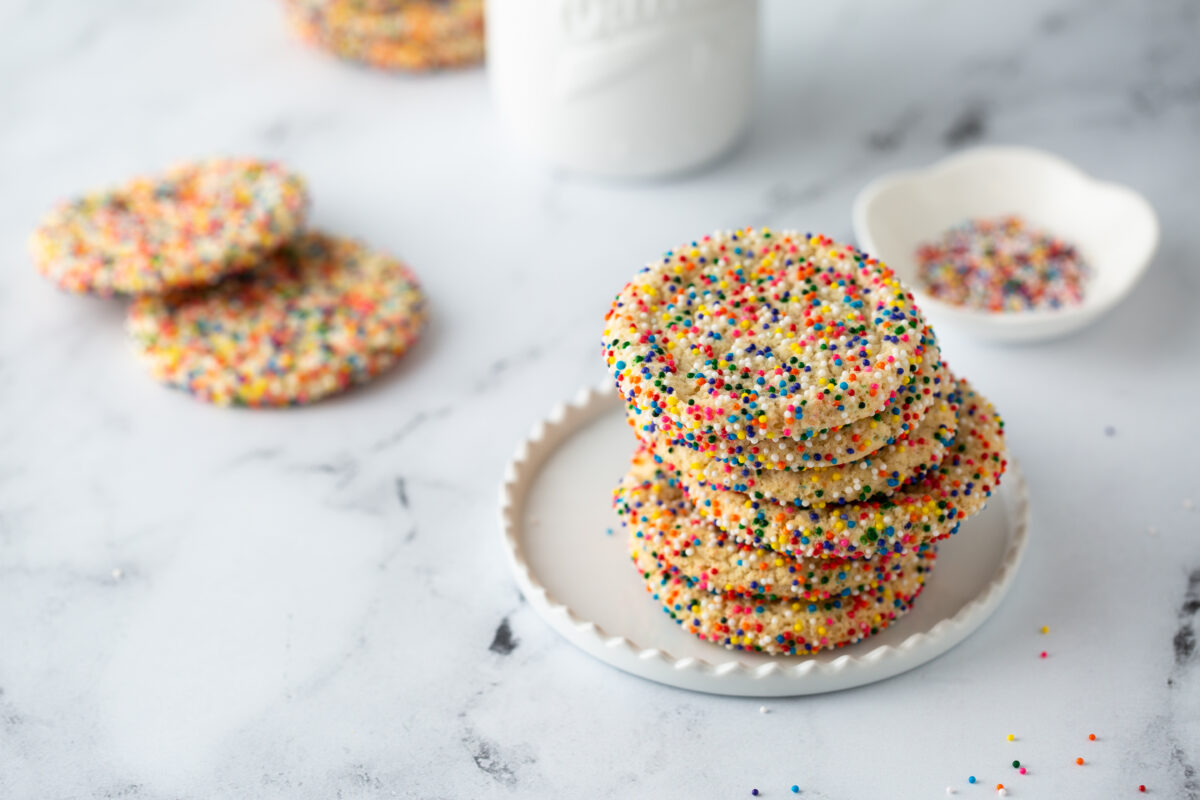
The introduction of the easy sprinkle sugar cookie addresses the friction points of traditional baking. By incorporating standard pantry ingredients—such as all-purpose flour, granulated sugar, butter, eggs, and vanilla extract—and rolling the dough balls in sprinkles prior to baking, home bakers can achieve a festive, bakery-quality aesthetic without the need for specialized pastry tools or artistic skills. Culinary historians observe that recipes requiring minimal cleanup and yielding immediate visual rewards consistently outperform more complex baking projects in consumer engagement metrics, particularly among households with young children.
Chronology and Preparation Workflow
Successful execution of a soft-baked sprinkle sugar cookie relies on a precise, time-tested preparation timeline designed to optimize texture and structural integrity.
Preparation typically begins with a 15-minute active phase. Bakers cream softened, room-temperature butter with sugar to incorporate air, which ensures a tender crumb. Eggs and vanilla extract are then blended in, followed by dry ingredients mixed just until combined to prevent gluten over-development, which can cause toughness.
Following the mixing phase, the culinary timeline mandates a critical 30-minute chilling period. Food technologists explain that chilling allows the dairy fats in the butter to solidify. Without this step, warm butter melts too rapidly in the oven, causing the cookies to flatten prematurely and lose their desirable soft center.
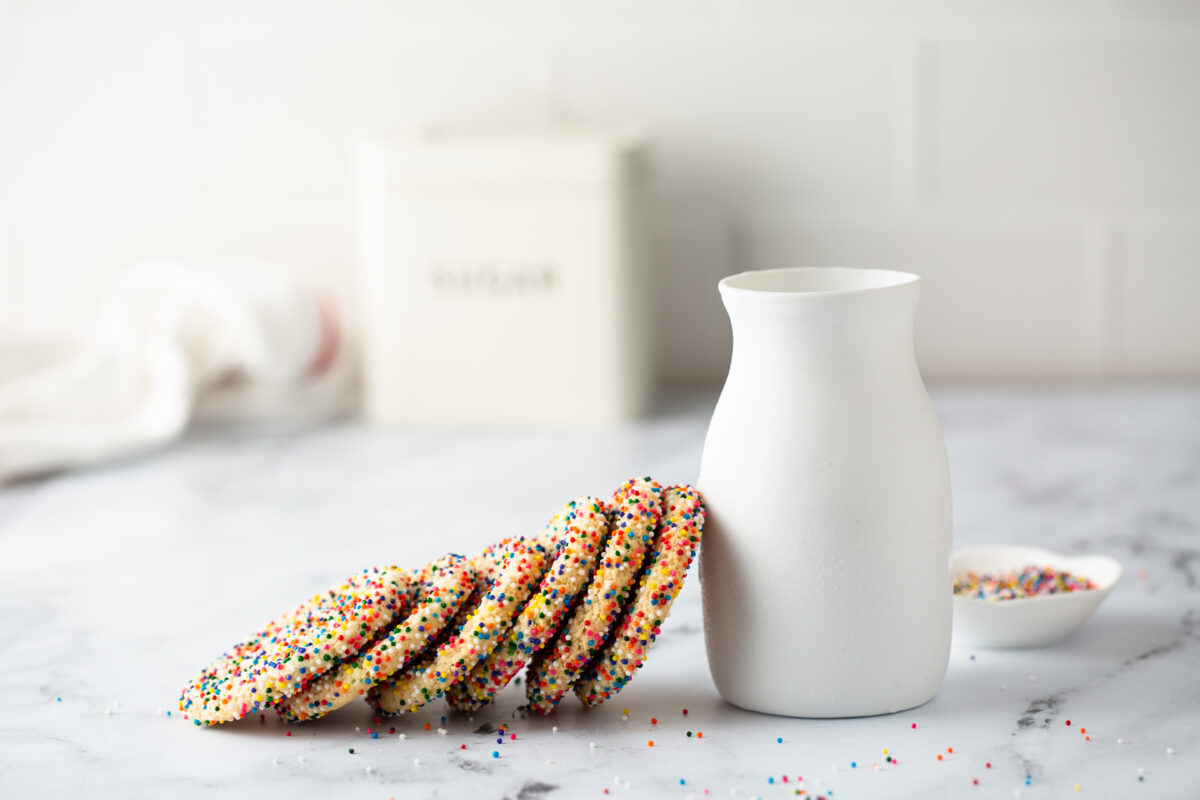
Once chilled, the dough is portioned into uniform balls and rolled in a shallow bowl of sprinkles. This step must be executed while the exterior of the dough retains enough natural tackiness for the sprinkles to adhere. If the dough has over-chilled, a brief five-minute rest at room temperature restores optimal adherence.
The baking phase is remarkably swift, requiring approximately 10 minutes in a preheated oven. Culinary experts emphasize the importance of removing the cookies while the centers still appear slightly underdone. Residual heat from the baking sheet completes the cooking process, allowing the cookies to set without sacrificing their moisture content or chewy interior. The total timeline, encompassing prep, chill, and bake stages, spans approximately 55 minutes.
Ingredient Science and Selection Parameters
The structural success of sprinkle sugar cookies depends heavily on ingredient selection and measurement accuracy. Professional pastry chefs and baking researchers outline several key parameters for achieving optimal results:
Butter Consistency: Using softened, rather than melted, butter is essential. Melted lipids disrupt the emulsion of the dough, leading to excessive lateral spread and greasy textures. Butter should yield slightly to gentle finger pressure without appearing glossy or liquefied.
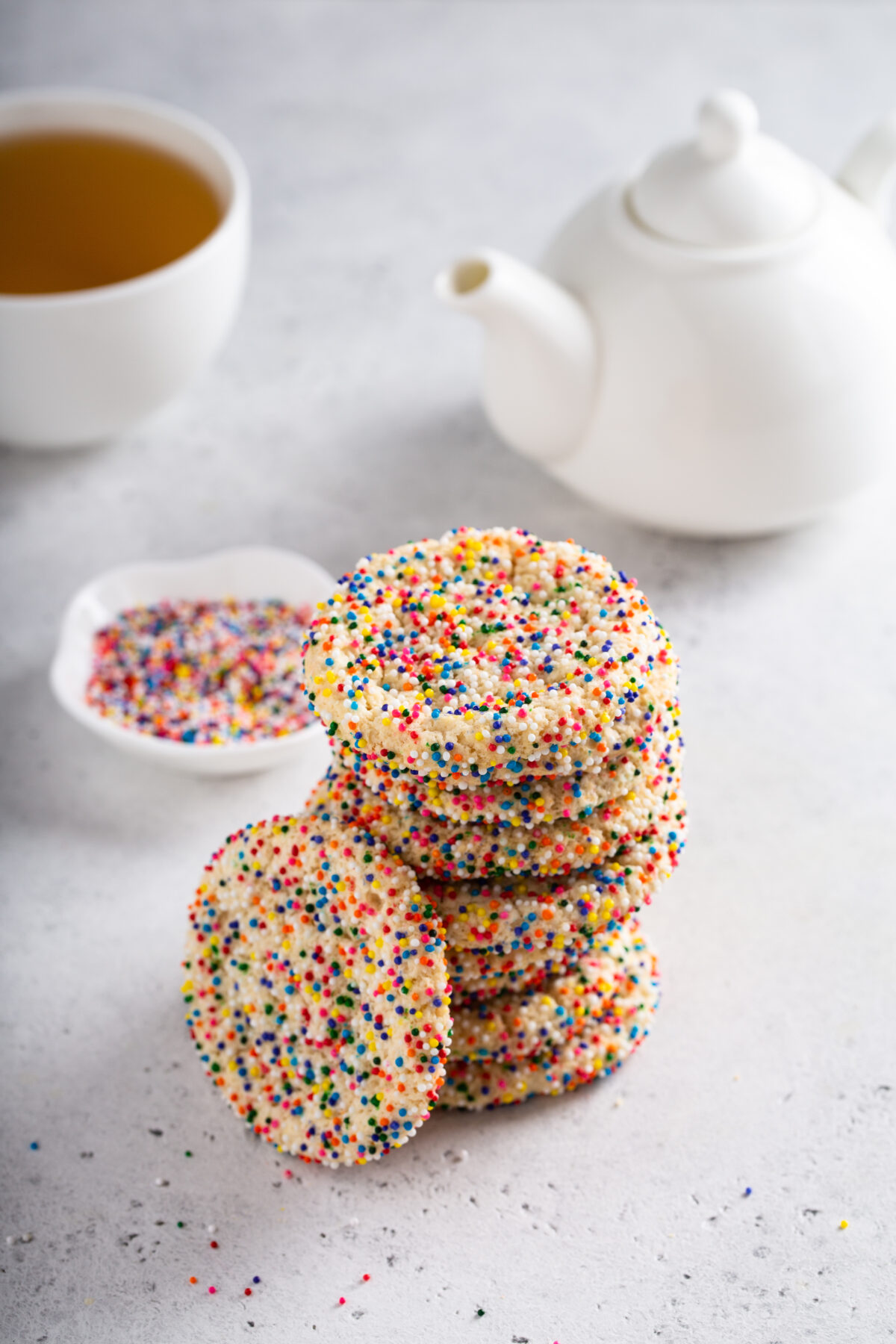
Sprinkle Selection: Not all decorative sugar products behave identically under high oven temperatures. Culinary tests indicate that "jimmies"—the elongated, soft sugar cylinders commonly used on ice cream and cupcakes—are the superior choice. Jimmies maintain their structural integrity and vibrant pigmentation during baking while providing a pleasant contrast in texture. Conversely, nonpareils (tiny spherical sprinkles) offer a crunchier exterior but carry a higher risk of color bleeding into the surrounding dough. Sanding sugar is generally reserved for specialized, crystallized variations rather than classic sprinkle-coated finishes.
Flour Measurement: Over-measuring flour is cited by culinary instructors as the leading cause of dry, crumbly sugar cookies. Standardized professional methodology recommends spooning flour into measuring cups and leveling off the excess with a straight edge, rather than scooping directly from the storage container, which compresses the flour and increases density.
Nutritional and Economic Implications
From an economic perspective, homemade sprinkle sugar cookies offer a cost-effective alternative to commercial bakery items, utilizing low-cost pantry staples that can be scaled easily to yield high volumes. A standard recipe typically produces 24 uniform servings, making it an efficient choice for large-scale events such as classroom parties, bake sales, and community gatherings.
From a nutritional standpoint, nutritionists note that while traditional sugar cookies remain an indulgent treat, home-baked varieties allow consumers to exercise full transparency regarding ingredient quality. Unlike mass-produced commercial snacks, which frequently contain artificial preservatives, hydrogenated oils, and high-fructose corn syrup, homemade versions rely on recognizable, whole-food ingredients like real butter and pure vanilla extract. Furthermore, portion control is inherently managed through standardized portioning of the dough balls prior to baking.
Storage, Preservation, and Scaling Logistics
To maintain the quality of baked sprinkle sugar cookies over extended periods, proper storage protocols must be observed. Fully cooled cookies stored in an airtight container at room temperature remain fresh for up to five days. To prevent moisture loss and maintain a soft texture, bakers recommend placing parchment paper between stacked layers and avoiding prolonged exposure to ambient air.
For long-term preservation, the recipe accommodates both baked and unbaked freezing methods. Fully baked cookies can be sealed in freezer-safe containers for up to three months and thawed at room temperature before serving. Alternatively, unbaked dough can be portioned, coated in sprinkles, frozen on a baking sheet, and transferred to freezer bags. These dough balls can be baked directly from a frozen state, requiring only an additional one to two minutes in the oven.
Scaling the recipe for larger events requires minimal adjustment. Because the foundational chemistry of sugar cookie dough is stable, doubling or tripling ingredient quantities presents few technical challenges, provided that mixing times are carefully monitored to avoid over-aeration.
Broader Market Trends and Industry Analysis
The enduring popularity of simplified baking recipes reflects broader socioeconomic and cultural shifts. Market analysts observe that home cooking and baking experienced a structural surge during periods of economic uncertainty and lifestyle changes, as consumers sought comforting, tactile activities that combine utility with creative expression.
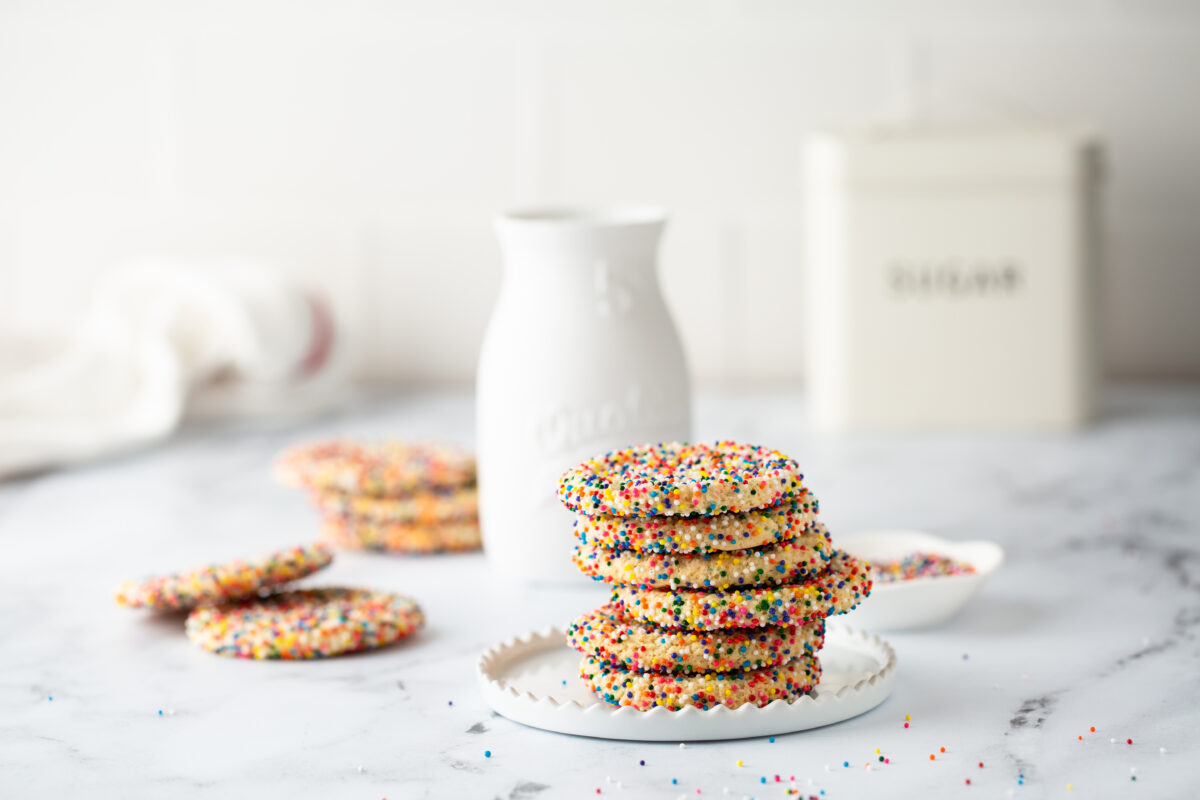
Furthermore, the rise of digital recipe platforms and social media visual culture has amplified the demand for foods that are simultaneously photogenic and accessible to novice cooks. The vibrant, multi-colored exterior of sprinkle sugar cookies meets these visual criteria while demanding minimal technical proficiency, bridging the gap between professional pastry presentation and home-kitchen execution.
As consumer preferences continue to favor efficiency without sacrificing sensory appeal, classic recipes updated with streamlined techniques—such as pre-bake sprinkle rolling—are expected to remain a permanent fixture in domestic culinary repertoires. Educational programs and family-oriented food media continue to champion these projects as valuable tools for introducing fundamental kitchen skills to younger generations while delivering reliable, high-yield results for everyday celebrations.
Related posts: