Empowering Young Minds: The Critical Role of Black History Month Literature in Early Childhood Education

Early childhood educators across the United States face the vital task of introducing young learners to a world that extends far beyond their immediate neighborhoods. While children in major metropolitan areas frequently encounter diverse cultures during their daily routines, students in rural or homogenous communities often lack this regular exposure. To bridge this gap, educators increasingly rely on thoughtfully curated literature that highlights the rich contributions, lived experiences, and distinct voices of Black Americans. By integrating these narratives into preschool and early elementary classrooms, educators aim to foster a foundational understanding of a broader, more interconnected society.
The Psychological and Social Importance of Representation in Early Literacy
Research in early childhood development consistently demonstrates that representation in children’s literature profoundly impacts identity formation, self-esteem, and social empathy. When young children encounter characters who share their racial, ethnic, or cultural backgrounds, it validates their existence and reassures them that their stories hold inherent value. Psychologists and literacy experts note that this early validation builds essential confidence and a secure sense of belonging.

Conversely, when children read stories reflecting lives and experiences different from their own, they develop cognitive flexibility, empathy, and respect for diversity. According to a landmark study by the Cooperative Children’s Book Center (CCBC), diverse representation in children’s books has seen gradual increases, yet educators argue that intentional selection remains necessary. Establishing a diverse classroom library ensures that every student—regardless of geographic location or demographic background—sees humanity reflected in its full spectrum. As children engage with these texts, they begin to dismantle biases before they take root, cultivating an inclusive classroom community grounded in mutual respect.
Nonfiction Picture Books: Grounding History in Courage and Perseverance

Introducing complex historical concepts to preschoolers requires careful scaffolding, utilizing stories about real individuals to convey universal themes such as courage, fairness, perseverance, and aspiration. Nonfiction picture books tailored for young audiences translate major historical movements into digestible, relatable concepts. Through simple language, guided discussions, and open-ended questioning, educators help children connect with historical figures on a personal level.
Several acclaimed nonfiction works have become staples in early childhood classrooms during Black History Month and throughout the academic year. Brittney Cooper’s "Stand Up!" introduces young readers to ten women who challenged systemic injustice, weaving together historical icons like Ruby Bridges and Rosa Parks with modern changemakers like Bree Newsome. These narratives emphasize that civic courage and the power of individual voices are timeless tools for societal improvement.

Similarly, Roda Ahmed’s "Mae Among the Stars" chronicles the early aspirations of Mae Jemison, who overcame societal barriers to become the first African American woman in space. The narrative emphasizes parental support, resilience, and the importance of nurturing childhood dreams. In Monica Clark-Robinson’s "Let the Children Rumor"—depicting the pivotal 1963 Children’s Crusade in Birmingham, Alabama—young readers learn how thousands of children peacefully protested segregation laws, demonstrating profound bravery in the face of institutional adversity.
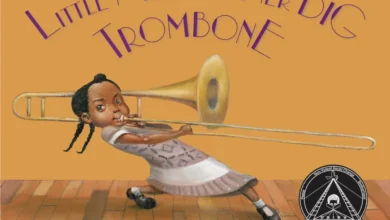
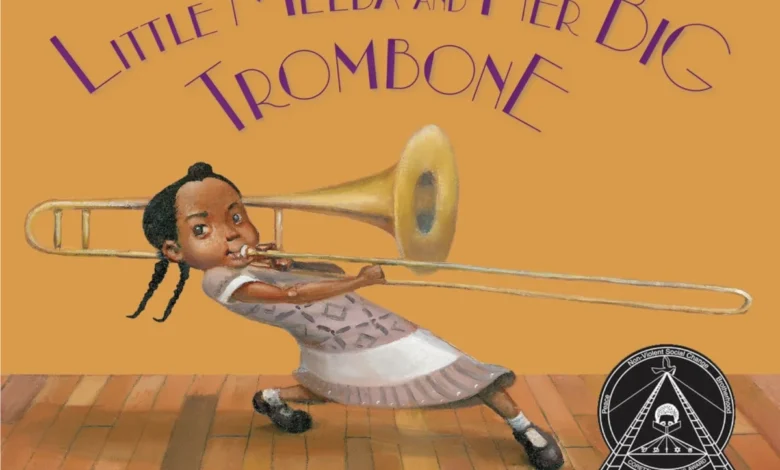
Musical and educational milestones are equally prominent in works such as Katheryn Russell-Brown’s "Little Melba and Her Big Trombone," which details the trailblazing life of jazz musician Melba Liston. Overcoming both racial and gender discrimination, Liston emerged as a celebrated instrumentalist and arranger for jazz luminaries like Duke Ellington and Billie Holiday. Furthermore, Rita Lorraine Hubbard and Oge Mora’s "The Oldest Student" chronicles the extraordinary life of Mary Walker, who learned to read at the age of 116, witnessing the transition from the Civil War era to the Civil Rights Movement. Walker’s persistence serves as a powerful reminder that intellectual growth and determination transcend age.

Fiction and Everyday Joy: Celebrating Ordinary Moments and Universal Themes
While historical narratives are crucial, educators emphasize that literature highlighting Black children and families in everyday, joyful moments is equally important. Books depicting routine activities—such as visiting a library, playing in the snow, preparing for school, or spending time with relatives—remind children that joy, creativity, and love are universal components of daily life across all communities.

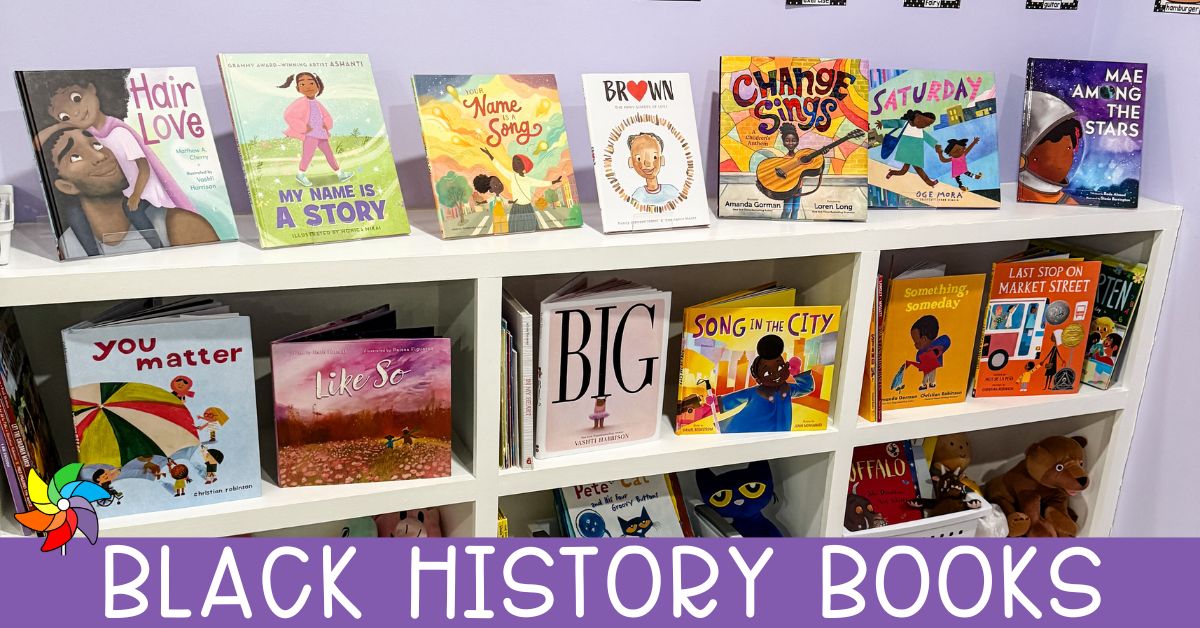
Vashti Harrison’s award-winning book "Big" explores self-acceptance and the emotional weight of words, gently navigating what it means to occupy physical and emotional space in a society with rigid standards. Kaija Langley’s "When Langston Dances" follows a young boy who discovers a passion for ballet after attending a performance by the Alvin Ailey American Dance Theater, challenging traditional gender norms while celebrating cultural expression.
Poetry and lyrical storytelling also play a significant role in early literacy. Angela Joy’s "Black is a Rainbow Color" weaves pride, heritage, and daily life into an accessible poem celebrating the multifaceted meanings of the color black. Matthew A. Cherry’s "Hair Love" captures the tender bond between a father and daughter as they navigate natural hair styling for a special occasion, celebrating familial support and self-love.

Additional works, such as Nancy Johnson James and Constance Moore’s "Brown: The Many Shades of Love," Matt de la Peña’s "Last Stop on Market Street" and "Milo Imagines the World," Oge Mora’s "Saturday," and Grace Byers’s "I Am Enough," offer nuanced explorations of gratitude, urban family dynamics, empathy, and dismantling preconceived notions about others. Furthermore, books like Ruth Forman’s "Like So," Parker Curry’s "Parker Looks Up," and Lupita Nyong’o’s "Sulwe" address complex concepts such as intra-community colorism and self-esteem, ensuring children develop a healthy, multifaceted view of identity.
Chronology and Historical Context of Black History Month

The integration of Black history into educational curricula is rooted in decades of advocacy. The observance originated in 1926 as "Negro History Week," established by historian Carter G. Woodson and the Association for the Study of Negro Life and History (ASNLH). Woodson strategically selected the second week of February to coincide with the birthdays of abolitionist Frederick Douglass and President Abraham Lincoln.
By 1976, as part of the United States Bicentennial, the federal government officially recognized Black History Month, expanding the week-long observance into a month-long national commemoration. In the decades following, educational institutions have increasingly shifted from treating Black history as an isolated February event to embedding Black literature and historical achievements throughout the entire year-long curriculum.

Analysis of Educational Implications and Institutional Support
The systematic integration of diverse literature addresses long-standing disparities in educational publishing. According to data from the Cooperative Children’s Book Center, books featuring Black, Indigenous, and People of Color (BIPOC) characters have experienced fluctuations in publication rates, prompting school districts nationwide to adopt more rigorous equity policies in library acquisitions.

Educational authorities, including the National Association for the Education of Young Children (NAEYC), have published extensive frameworks to guide educators in discussing race, equity, and inclusion in early childhood settings. Research indicates that children as young as six months old begin to notice racial differences, and by preschool age, they actively internalize societal messages about race and social hierarchy. Consequently, experts argue that proactive, literature-based interventions are not merely supplementary, but foundational for developing socially conscious, empathetic citizens.
Broad Impact on Classroom Culture and Community Standards

The long-term implications of incorporating diverse literature into early childhood classrooms extend far beyond academic achievement. By replacing monolithic historical narratives with a rich tapestry of nonfiction and fiction, educators foster critical thinking and cultural literacy from an early age.
When children regularly engage with stories that honor both historic triumphs and the quiet beauty of everyday life, they develop an intrinsic appreciation for human diversity. These pedagogical practices lay the groundwork for inclusive school environments, ultimately contributing to a more equitable and culturally responsive society. As educational standards continue to evolve, the intentional selection of Black history and diversity literature remains an indispensable pillar of modern early childhood education.