Stopping Food Throwing: A Comprehensive Practical Guide for Parents and Caregivers


The act of a child launching food from a high chair is a common, often disruptive, developmental milestone that many parents and caregivers encounter during the early stages of childhood feeding. While the behavior is frequently perceived as an act of defiance or a sign of poor discipline, pediatric nutrition experts and child development specialists increasingly categorize it as a complex, multi-faceted behavior rooted in sensory exploration, cognitive development, and communication. Understanding the underlying mechanisms of this behavior is essential for parents seeking to foster a healthy, stress-free relationship with food during the formative years.
The Developmental Basis of Food Propulsion
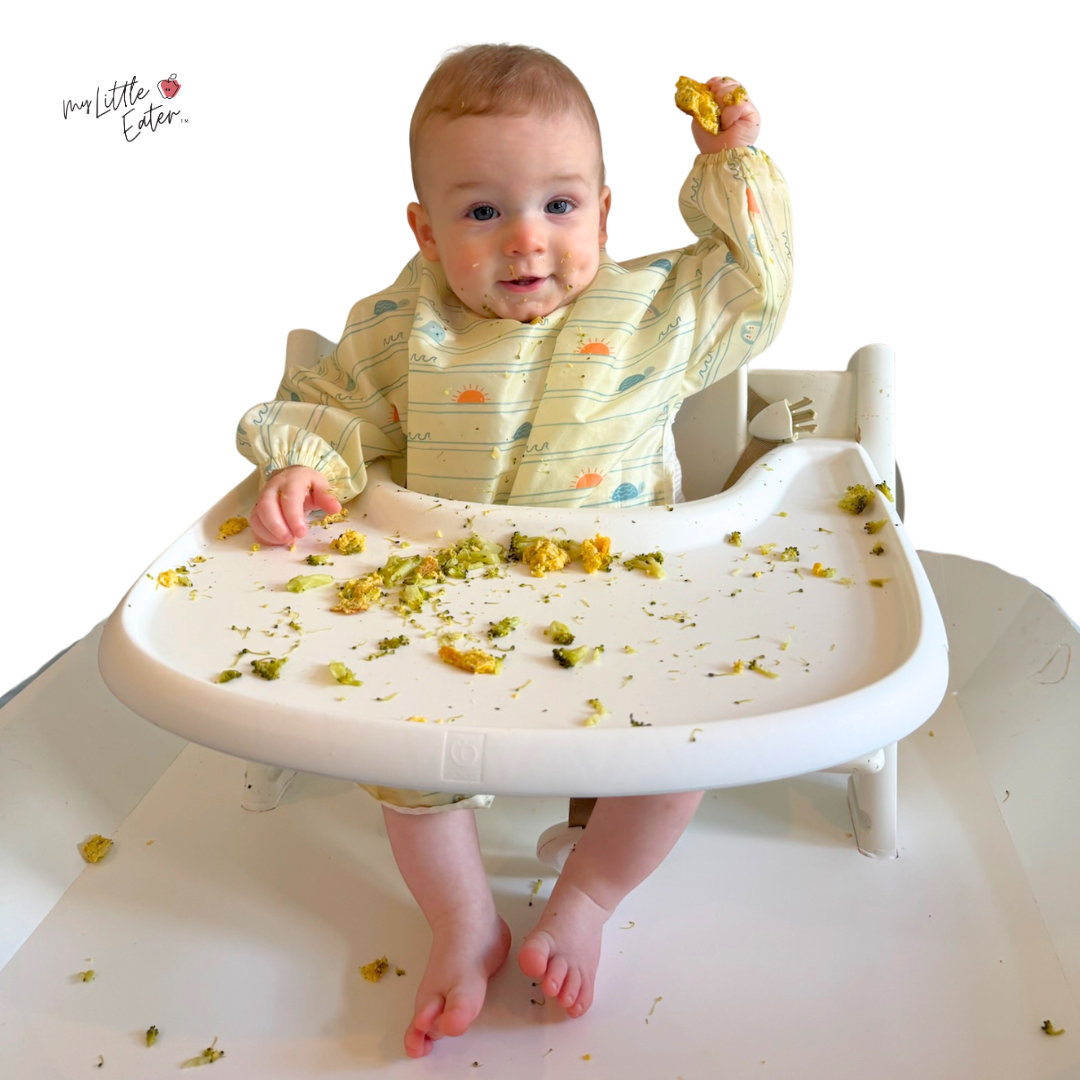
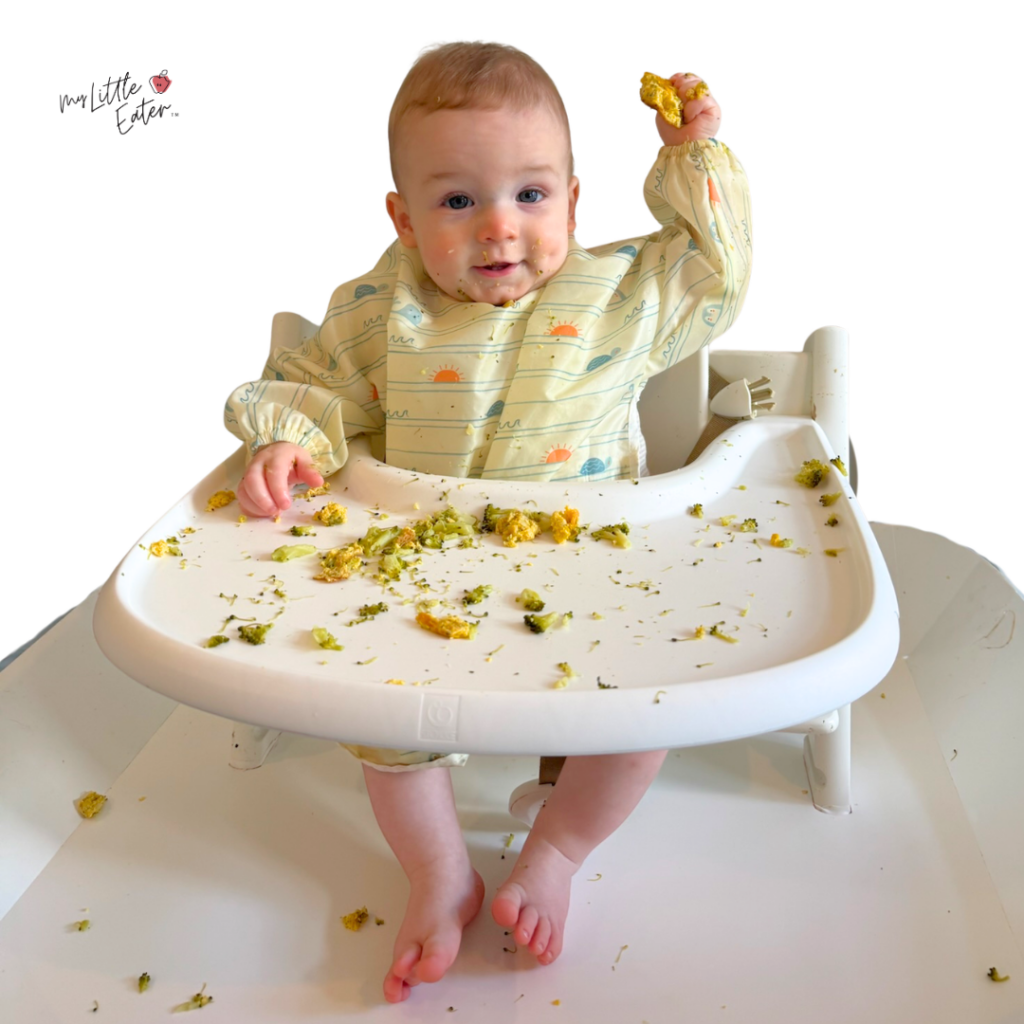
From a clinical perspective, food throwing rarely serves a singular, malicious purpose. Instead, it is often a byproduct of a child’s rapidly developing cognitive and sensory systems. Between the ages of 12 and 24 months, children are in a critical phase of learning "cause and effect." When a child drops a piece of pasta or a vegetable from their high chair, they are conducting an informal physics experiment: observing the object’s trajectory, the sound of the impact, and the subsequent reaction of the adults in the room.
Furthermore, sensory processing plays a significant role. If a child finds a texture, temperature, or flavor profile overwhelming—such as an unexpectedly cold or slimy substance—their immediate reaction may be to expel the item from their immediate environment. This is not necessarily a rejection of the food itself, but rather a protective response to a sensory input their system has not yet learned to integrate or process efficiently.

Communication and the Absence of Verbal Skills
Before a child masters complex language, their ability to communicate preferences, fatigue, or satiety is limited. Food throwing often acts as a non-verbal substitute for more sophisticated expressions. A child who has reached their limit—whether due to physical fullness, boredom with the activity, or a need for a change in environment—may use the only tool at their disposal to signal that the meal is over.
Data from child development studies indicate that children who are unable to effectively communicate "all done" are statistically more likely to engage in disruptive mealtime behaviors. By the time a toddler reaches the age of 18 to 36 months, verbal skills and impulse control typically increase to a level where such behaviors naturally decline, provided the environment remains consistent and responsive.
The Role of Parental Reaction and Reinforcement
One of the most significant factors in the continuation of food throwing is the unintended reinforcement provided by caregivers. Behavioral psychology suggests that any significant reaction—whether it is laughter, a stern verbal rebuke, or a dramatic sigh—can be interpreted by a toddler as positive engagement. To a young child, an "attention-getting" event, even one that is negative, is often seen as a success.
Experts emphasize the necessity of maintaining a "neutral" response. By avoiding overt emotional displays during these incidents, parents can remove the incentive for the behavior. When the act of throwing no longer yields a high-intensity reaction, the child is more likely to lose interest in the activity.
Establishing Structured Mealtime Boundaries
To effectively mitigate food throwing, pediatric dietitians recommend the implementation of a consistent, three-step boundary system. This framework is designed to provide clear, predictable expectations for the child:
- The Neutral Redirection: When an incident occurs, the parent should maintain a calm demeanor, avoiding eye contact or scolding. If the item is food, the parent may calmly remove the object without fanfare.
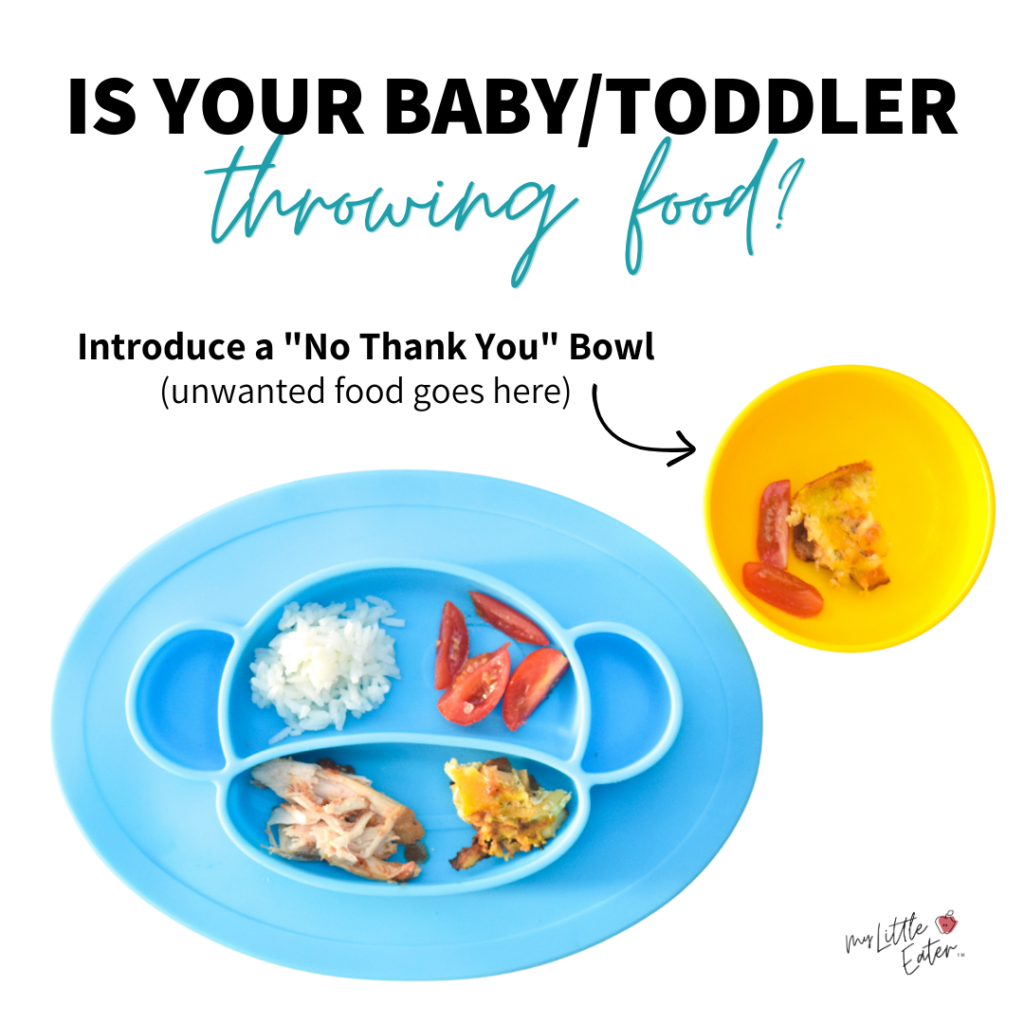
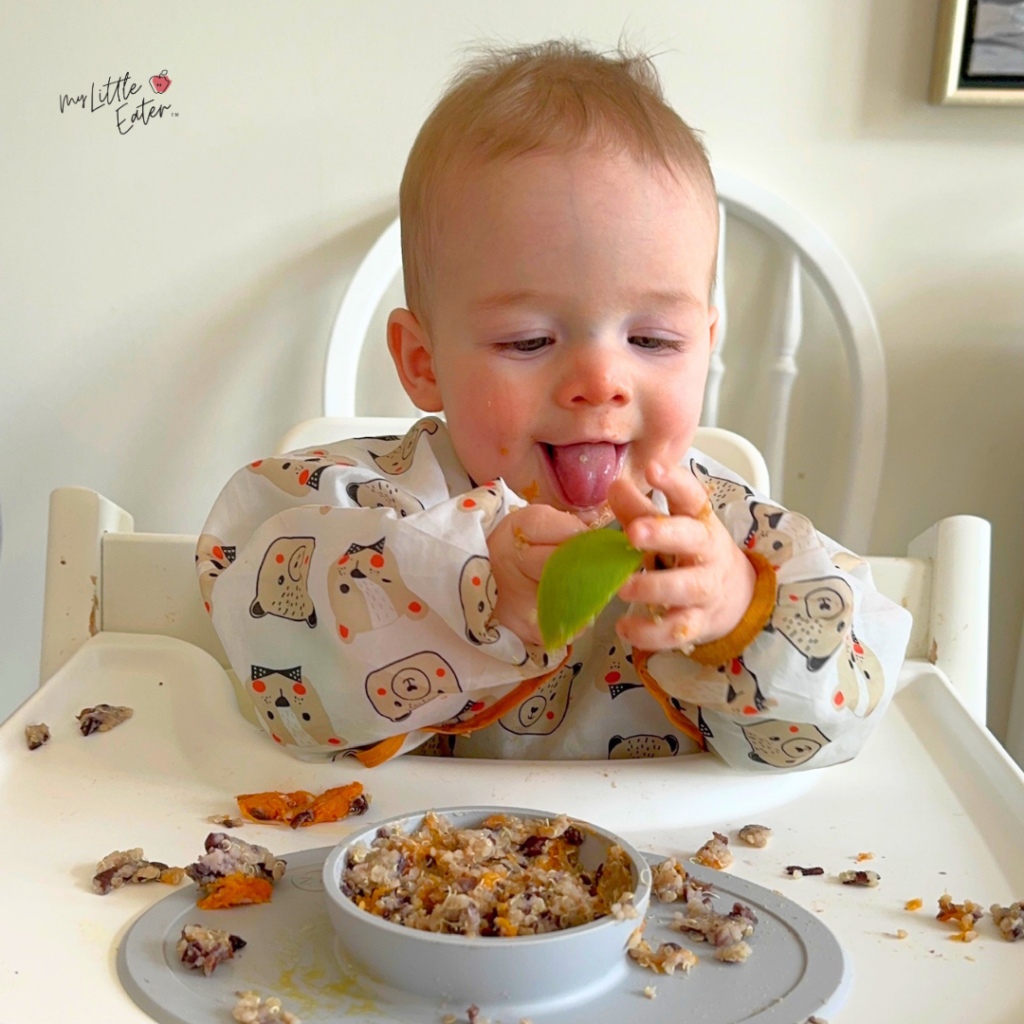
- The "No Thank You" Bowl: Introducing a dedicated vessel for unwanted food items serves as a constructive alternative to the floor. By teaching a child to place food they do not wish to consume into a designated bowl, parents provide the child with a sense of agency and an appropriate outlet for their preferences.
- The Natural Consequence: If the behavior persists to the point of disrupting the meal entirely, the child is showing a clear signal of disengagement. Ending the meal is not a punishment, but rather a logical conclusion to the event. If the child is no longer focused on eating, the table is no longer serving its primary purpose of nourishment.
Environmental Factors and Sensory Support
The physical setup of the eating environment significantly influences a child’s behavior. A high chair that lacks proper foot support can cause a child to feel unstable, leading to increased restlessness, wiggling, and, consequently, food throwing. A chair that allows for a 90-degree angle at the hips, knees, and ankles provides the necessary stability for the child to focus on the task of eating.
Additionally, the presence of pets in the dining area can create an unintended audience. The visual stimulation of a pet scavenging for food on the floor often encourages a child to continue throwing, as the process becomes a form of interactive entertainment. Removing pets from the immediate vicinity during meal times is a frequently cited recommendation by pediatric nutritionists to reduce distractions and eliminate the reward cycle of the behavior.
When to Seek Professional Consultation
While the vast majority of food-throwing incidents are considered normal, there are specific markers that may warrant a consultation with a pediatrician or a registered dietitian. These include:
- Persistence: If the behavior continues with high intensity and frequency well past the age of two, despite consistent implementation of behavioral strategies.
- Harmful Conduct: If the throwing involves heavy objects, utensils, or projectiles aimed at caregivers or siblings in a manner that could cause physical injury.
- Nutritional Concerns: If the throwing is accompanied by a significant refusal of entire food groups, noticeable weight fluctuations, or extreme reactions to textures (such as persistent gagging).
In such cases, individualized counseling can help parents determine if there are underlying sensory processing sensitivities or developmental issues that require a tailored approach.
The Broader Impact on Family Dynamics
The stress associated with mealtime disruptions can have a cumulative effect on family dynamics. When parents feel that mealtimes have become a source of conflict, the quality of interaction at the table suffers. This stress can be palpable to the child, further exacerbating the tension.
By shifting the focus from "stopping the behavior" to "facilitating a positive environment," families can reclaim the meal as a space for connection. Consistency across all caregivers is paramount. If one parent uses a neutral redirect while another reacts with frustration, the child receives mixed signals, which can significantly prolong the duration of the phase.
Conclusion: The Path Toward Independent Eating
Ultimately, the transition away from food throwing is a process of growth. It is a temporary developmental stage that requires patience and structural consistency. As children develop better motor skills, improved impulse control, and a more robust vocabulary, the need to use food as a tool for communication or sensory experimentation will diminish.
By providing safe alternatives, such as the "no thank you" bowl, and maintaining a calm, authoritative presence at the table, parents provide the framework their children need to learn self-regulation. The goal is to move beyond the mess and focus on the primary objective of childhood nutrition: fostering a lifelong, positive, and adventurous relationship with food. Through consistent application of these strategies, most families find that this challenging phase is, in fact, a brief, manageable hurdle in the broader context of a child’s development.
Related posts: