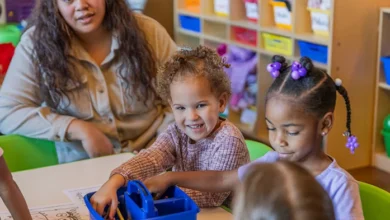
Nurturing Social and Emotional Development in Early Childhood: Essential Strategies for Parents and Educators

The development of social and emotional competence during the toddler and preschool years serves as the foundational architecture for long-term academic success and psychological well-being. Recent findings from the field of developmental psychology emphasize that the period between ages two and five is critical for the maturation of executive functions, emotional regulation, and interpersonal navigation. Whether within the home environment or in structured early learning settings, these formative years present a window of opportunity to build the skills necessary for healthy social integration. As educators and caregivers look to bolster these capacities, a multifaceted approach involving intentional play, language modeling, and emotional scaffolding has emerged as the gold standard for early childhood intervention.
The Developmental Landscape of Early Socialization
Historically, early childhood education focused primarily on cognitive milestones, such as letter recognition and numeracy. However, the last decade has seen a paradigm shift, with institutions like the National Association for the Education of Young Children (NAEYC) highlighting social-emotional learning (SEL) as the primary predictor of future school readiness. Research indicates that children who can successfully manage their emotions and engage in cooperative play are significantly less likely to experience behavioral challenges in elementary school.
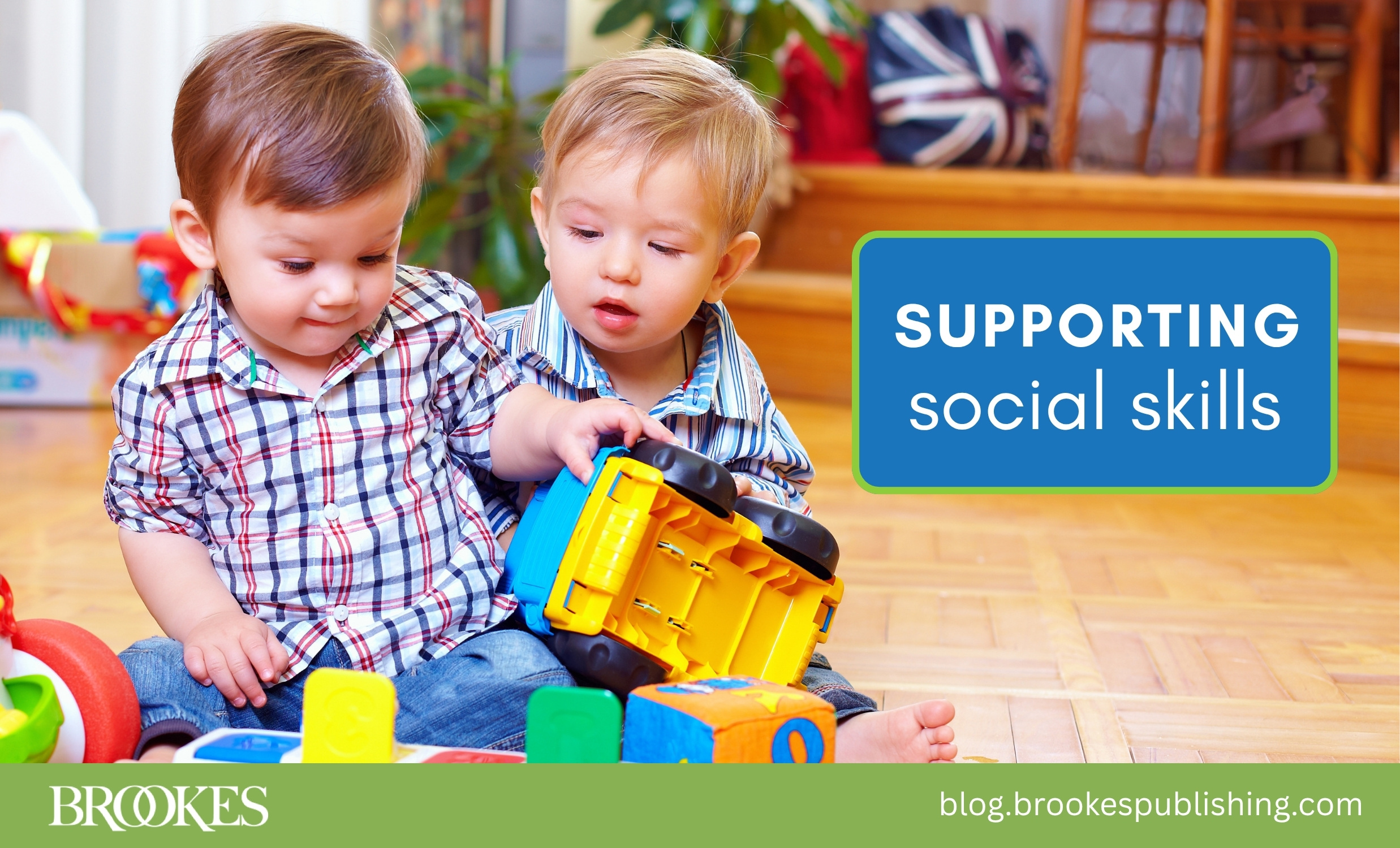
The chronology of this development typically begins with parallel play in early toddlerhood, transitioning into associative and cooperative play as linguistic abilities expand. By age three, most children begin to develop a theory of mind—the understanding that others have feelings and perspectives different from their own. This cognitive leap is the precise moment when intentional guidance from adults becomes most effective.
Core Strategies for Skill Acquisition
To foster these developmental milestones, experts recommend a curriculum of daily interaction that emphasizes specific social behaviors.
Mastering the Art of Turn-Taking and Cooperation
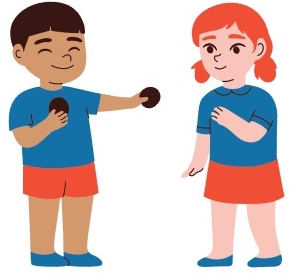
Turn-taking is often the first major hurdle in social development. It requires a child to suppress an immediate impulse for a delayed reward. Practitioners suggest that "low-stakes" environments—such as working with playdough or shared building blocks—provide the perfect laboratory for this. By providing a finite number of tools, adults can facilitate a natural exchange. When a teacher or parent uses specific, consistent vocabulary such as "your turn," "wait," and "next," they provide a linguistic framework that the child can internalize.

Emotional Literacy and Naming Feelings
Emotional regulation begins with identification. A study published in the Journal of Child Psychology and Psychiatry suggests that children who are taught to label their emotions at a young age exhibit better self-control in stressful situations. This process, often called "affect labeling," involves the adult acting as an external mirror for the child’s internal state. By naming feelings like frustration, joy, or disappointment with a matching vocal tone, caregivers help children move from reactive behavior to reflective communication.
The Role of Pretend Play in Problem Solving
Pretend play is not merely a leisure activity; it is a vital mechanism for cognitive rehearsal. When children dress up or role-play, they are practicing social scripts. This is particularly effective for navigating anxiety-inducing situations, such as a parent leaving for a trip or the arrival of a new sibling. By projecting their fears onto a stuffed animal or a fictional character, children can observe and rehearse solutions in a safe, controlled environment.

Supporting Data and Theoretical Frameworks
Data from longitudinal studies conducted by the Collaborative for Academic, Social, and Emotional Learning (CASEL) show that students who participate in high-quality SEL programs during their early years show an 11-percentile point gain in academic achievement compared to peers who do not. Furthermore, these children demonstrate lower rates of conduct problems and emotional distress.
The underlying theory, supported by the work of developmental psychologist Lev Vygotsky, is the concept of the "Zone of Proximal Development." This suggests that a child can perform tasks with adult guidance that they could not manage independently. By providing the "scaffolding"—the specific words for sharing, the encouragement to persist through a difficult puzzle, or the gentle reminder to consider a peer’s feelings—adults allow children to bridge the gap between their current capabilities and their potential.
Professional Perspectives and Best Practices
Early childhood professionals have noted that the most effective strategies are those that are seamlessly integrated into the daily routine rather than treated as isolated lessons. For instance, classroom management strategies, such as assigning a "greeter" to welcome peers or using photo-magnets to acknowledge absent students, serve to create a sense of community and empathy.
"We are seeing a marked difference in classroom cohesion when teachers treat social interactions with the same rigor as literacy instruction," notes an early childhood development consultant. "When a child learns to acknowledge a peer’s name or offer help during a cleanup session, they are building the neural pathways for empathy."

Addressing Challenges and Persistence
One of the most significant challenges in early childhood development is teaching persistence. When a child encounters a task that is too difficult—such as climbing a new structure or mastering a simple drawing technique—the immediate reaction is often frustration or withdrawal. The role of the adult here is to shift the child’s focus from the difficulty of the task to the process of trying. Phrases like "you are almost there" or "keep trying" reinforce a growth mindset. Confidence is not an innate trait; it is the byproduct of overcoming manageable challenges with the support of a trusted adult.
The Broader Impact on Future Success
The implications of these early interventions extend far beyond the classroom. The ability to nurture and care for others—often practiced through role-play with dolls or stuffed animals—forms the basis of social responsibility and compassion. By normalizing caregiving behaviors across all genders, educators are fostering a more equitable and empathetic generation.

As parents and educators implement these strategies, it is important to maintain a consistent environment. Consistency allows children to predict the outcomes of their social behaviors, which in turn reduces anxiety and encourages prosocial action. Whether through the simple act of reading a story and discussing a character’s motivations, or through structured group activities that highlight the joy of shared success, the cumulative effect of these interactions is profound.
Conclusion
Social and emotional growth is not an automatic byproduct of aging; it is a skill set that requires intentional cultivation. By integrating turn-taking, emotional literacy, and cooperative play into the daily rhythm of a child’s life, parents and professionals provide them with the tools necessary to navigate an increasingly complex social world. The evidence is clear: the time invested in these early years pays dividends in the form of better academic outcomes, stronger peer relationships, and a more resilient capacity for self-regulation. As our understanding of early brain development continues to evolve, the focus on these core social skills remains the most reliable pathway to fostering well-adjusted, confident, and capable children.
Related posts: