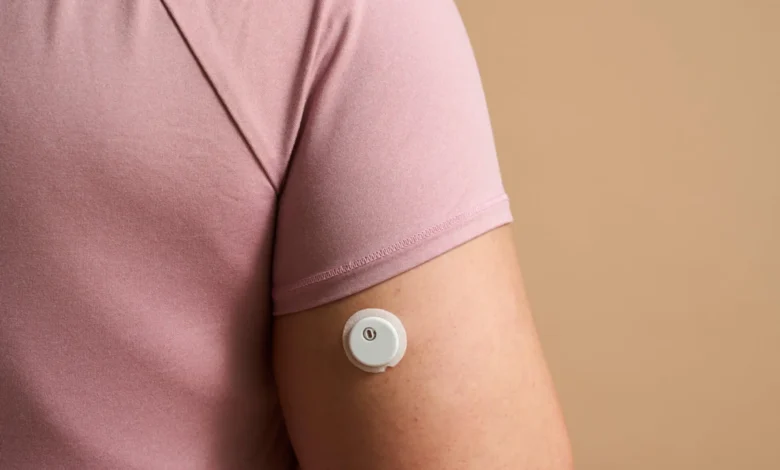
The landscape of diabetes management has officially entered a new era following a landmark regulatory decision by the U.S. Food and Drug Administration (FDA). The federal agency has granted approval for Abbott’s Libre Duo 10 Day, marking the introduction of the world’s first dual glucose-ketone sensing technology cleared for individuals aged two years and older. This continuous ketone monitoring (CKM) system represents a monumental shift in how patients, caregivers, and clinicians can manage type 1 diabetes (T1D), addressing a persistent gap in routine metabolic care where home ketone testing supplies were frequently absent or underutilized.
Historically, the management of type 1 diabetes has relied heavily on intermittent blood glucose tracking and sporadic, manual ketone checks via urine strips or fingerstick meters. Clinical surveys have long indicated that a significant portion of the T1D population either lacks home testing supplies entirely or rarely measures ketone levels unless severe symptoms manifest. The introduction of a continuous sensing device capable of tracking both glucose and ketones simultaneously is designed to bridge this gap, offering real-time visibility into metabolic shifts before they escalate into medical emergencies.
Understanding the Threat of Diabetic Ketoacidosis
At the core of this technological breakthrough is the ongoing effort to prevent diabetic ketoacidosis (DKA), a serious and potentially life-threatening complication that arises when the body suffers from an acute insulin deficiency. Without sufficient insulin to allow glucose to enter cells for energy, the body begins breaking down fat at an accelerated rate, producing acids known as ketones. As these ketones accumulate in the blood and bloodstream toxicity rises, patients can quickly spiral into DKA, requiring immediate emergency medical intervention.
While any person with type 1 diabetes is technically susceptible to DKA, certain demographics and clinical scenarios place individuals at elevated risk. These include young children, individuals experiencing pump failures or infusion set occlusions, those undergoing periods of acute illness or infection, and patients dealing with high psychological stress or strenuous physical activity. Furthermore, rising blood-sugar levels, improper insulin dosing, and heightened insulin resistance are primary triggers that can alter metabolic stability and accelerate ketone formation. By providing continuous insights into ketone trends, the Libre Duo 10 Day gives high-risk patients and their caregivers an advanced warning system, allowing them to intervene proactively long before DKA takes hold.
Facilitating the Safe Integration of SGLT Inhibitors
Beyond its foundational role in preventing ketoacidosis, the advent of continuous ketone monitoring carries profound implications for the broader pharmacological management of diabetes, particularly regarding SGLT inhibitors (SGLTi). Sodium-glucose cotransporter-2 inhibitors work by preventing the kidneys from reabsorbing glucose, thereby forcing the body to excrete excess sugar through urine. These medications have demonstrated extraordinary clinical benefits for individuals with type 2 diabetes and non-diabetic populations alike, notably in reducing the risk of heart failure and chronic kidney disease.
Because these benefits extend to overall renal and cardiovascular health, medical researchers have sought to expand the use of SGLT inhibitors to patients with type 1 diabetes who experience similar complications. However, a major hurdle has always been the mechanics of the drugs themselves. Because SGLTis lower blood glucose levels, patients with T1D frequently require reduced insulin doses. This reduction in insulin, combined with the mechanism of the drug, can inadvertently stimulate ketone production, thereby elevating the baseline risk of DKA.
To safely unlock the cardiovascular and renal benefits of SGLT inhibitors for people with type 1 diabetes, robust risk-mitigation strategies are mandatory. Continuous ketone monitoring serves as the missing puzzle piece in this therapeutic equation. By offering continuous data streams on ketone patterns during SGLT therapy, researchers and clinicians can better understand how these drugs interact with human metabolism, paving the way for safer administration protocols and expanded treatment guidelines.
Pioneering Clinical Research and Funding Initiatives
The approval of the first dual-sensor device is not an endpoint, but rather a catalyst for a massive wave of clinical investigation. Organizations such as Breakthrough T1D have mobilized substantial resources to study the real-world utility of continuous ketone monitoring, funding numerous high-profile research projects designed to evaluate patient outcomes, optimize device adoption, and ensure safe drug integration.
In a collaborative push to generate actionable data, Breakthrough T1D recently funded eight major research initiatives stemming from targeted application requests. As part of this commitment, Abbott has donated dual glucose-ketone sensors to support these trials, continuing a decades-long partnership focused on advancing diabetes care technology.
Among these funded projects is the Continuous Ketone Monitoring in Youth with Type 1 Diabetes (CKM-REACT) study. This trial focuses on children and teenagers using automated insulin delivery (AID) systems, aiming to evaluate whether pairing continuous ketone monitoring with structured education can reduce time spent in hyperglycemia while accelerating the detection of early DKA warning signals. Another notable initiative centers on developing digital health models, such as smartphone-based applications with on-demand treatment guidance, specifically tailored to support underserved adult populations in adopting CKM technology safely and effectively outside of expert clinical settings.
Additional studies are directly intersecting with advanced pharmacological trials. For instance, researchers are expanding upon the SUGARNSALT clinical trial—which evaluates whether the SGLT inhibitor sotagliflozin can slow the progression of diabetic kidney disease in T1D patients—by incorporating continuous ketone monitoring to compare ketone profiles between treated and untreated cohorts. Other trials are investigating ketone patterns in newly diagnosed, early-stage T1D patients to predict progression to symptomatic stage 3 disease, as well as embedding CKM substudies into broader multi-target cardiovascular drug trials like the Steno 1 study.
Global Standards and Expert Clinical Guidance
To ensure that this pioneering technology translates effectively from clinical trials into everyday medical practice, medical leaders have taken proactive steps to establish international standards of care. Led by figures such as Dr. Thomas Danne, Chief Medical Officer International for Breakthrough T1D, a panel of experts spanning twelve countries recently published comprehensive guidelines titled “Continuous ketone monitoring for people with diabetes: international expert recommendations on the application of a new technology” in The Lancet Diabetes and Endocrinology.
This foundational manuscript offers practical frameworks for healthcare professionals and clinical teams on how to integrate dual glucose-ketone monitoring into routine care, mitigate DKA risks, and navigate regulatory and insurance coverage discussions. Concurrently, medical affairs teams are collaborating with device manufacturers to survey patients, families, and primary care providers regarding their daily experiences, perceived barriers, and educational needs surrounding ketone tracking. This human-centered approach ensures that technology deployment aligns closely with the practical realities of living with type 1 diabetes.
Implications and Future Outlook
The introduction and regulatory clearance of dual glucose-ketone monitoring systems in the United States and the European Union represent a paradigm shift in chronic disease management. By transforming ketone tracking from an intermittent, reactive chore into a continuous, proactive data stream, the medical community is now better equipped than ever to safeguard patients against the life-threatening dangers of diabetic ketoacidosis.
Furthermore, as ongoing clinical trials clarify the intersection between CKM technology and advanced cardioprotective medications like SGLT inhibitors, patients with type 1 diabetes may soon gain broader access to life-extending therapies that were once considered too risky to administer routinely. As global adoption scales and additional technological iterations enter the market, the convergence of continuous sensing, digital health guidance, and international expert consensus promises a safer, more predictable future for millions of individuals managing type 1 diabetes worldwide.
Related posts: