The Psychology Behind Family Lore: Why Children Demanding Funny Childhood Stories Shape Modern Parenting Dynamics


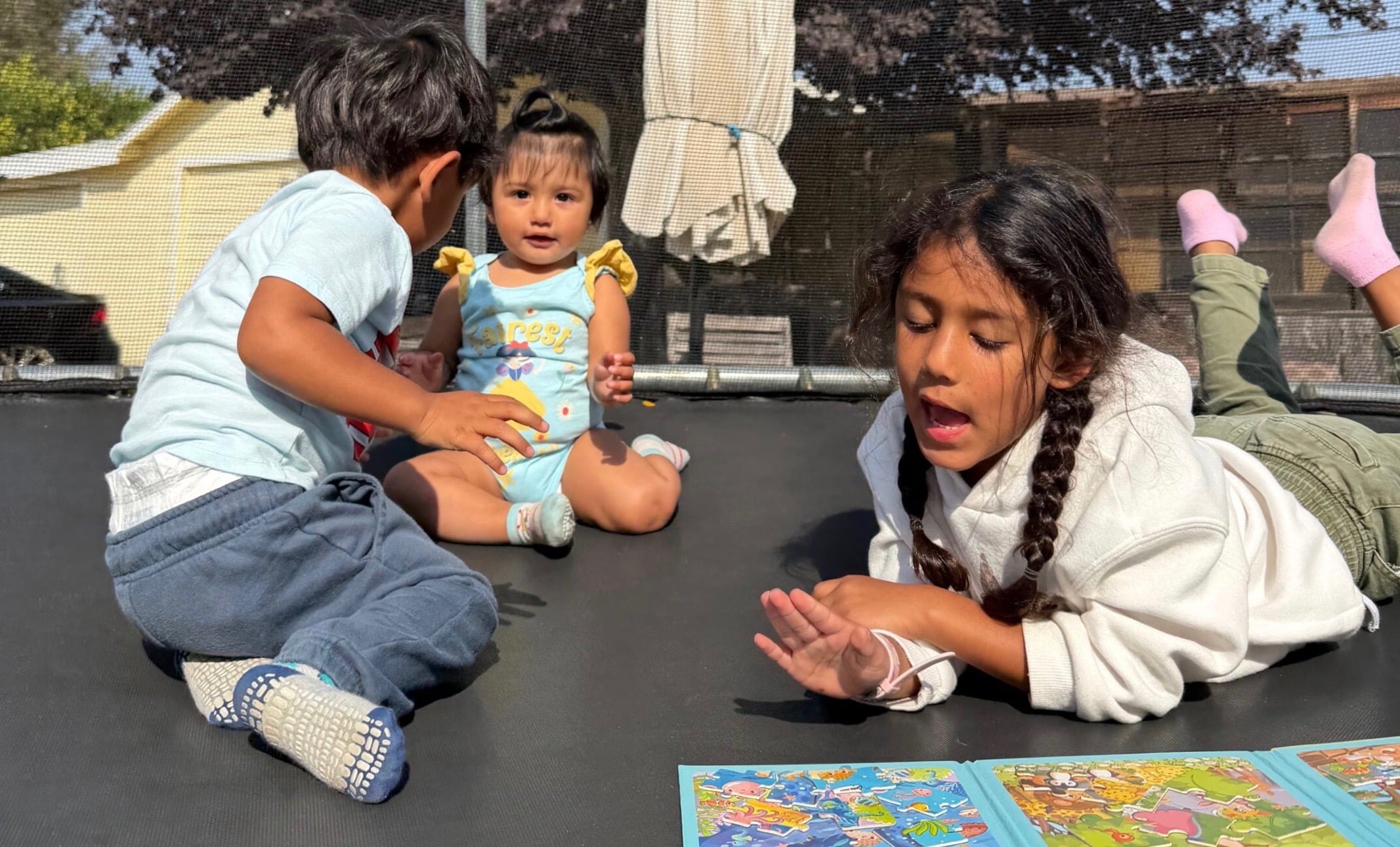
Family storytelling has long served as a fundamental cornerstone of domestic life, bridging generational divides and fostering psychological resilience in young children. Recently, a poignant and widely relatable domestic vignette shared from a backyard trampoline has brought this phenomenon back into the cultural spotlight, highlighting how embarrassing or humorous anecdotes from a parent’s youth play a critical role in child development. The interaction, which involved five-year-old Ella and her mother on a backyard trampoline, underscores a growing body of psychological research suggesting that sharing personal narratives of past misadventures is far more than mere entertainment—it is an essential tool for emotional bonding and cognitive growth.
The Anatomy of the Backyard Incident
The narrative that sparked widespread amusement among family members centers on a specific afternoon decades prior, during a bustling family barbecue. The protagonist, then a four-year-old child, was navigating the universal childhood dilemma of balancing recreational water activities with the urgent, disruptive biological calls of nature.
According to the chronological reconstruction of the event, the afternoon involved a recurring conflict: the child felt the sudden urge to urinate precisely during peak moments of engagement, such as awaiting a turn on the diving board or participating in imaginative games in the grandparents’ swimming pool. After the fifth interruption to use the restroom, the four-year-old devised a pragmatic, albeit unconventional, solution.
Rather than enduring the cumbersome process of pulling a cold, damp, sequined one-piece swimsuit back onto wet skin, the child peeled the garment down, stepped out of it entirely, and deposited it directly into the toilet bowl before returning to the pool area in a state of complete nudity. The expectation was that a rapid reentry into the water would render the lack of attire unnoticed.
The strategy, predictably, failed upon contact with older relatives. Teenage cousin Lupe immediately flagged the absence of clothing, prompting a swift intervention by the child’s mother, a wrapped towel, and the premature termination of swimming privileges for the remainder of the day. Despite the immediate social friction and loss of pool time, the child retained a distinct sense of accomplishment—a premature manifestation of problem-solving autonomy, albeit executed with complete disregard for social norms.
The Psychological Significance of Parental Humility
Child development experts and family psychologists have long studied the impact of parents sharing their own childhood mistakes and embarrassing moments with their offspring. Far from undermining parental authority, researchers indicate that vulnerability and humor help demystify adulthood for young minds.
When children hear stories about their parents making absurd mistakes—such as discarding a bathing suit down a toilet—it fundamentally alters their perception of authority figures. It humanizes parents, demonstrating that adults were once incompetent, impulsive children who also struggled with basic life mechanics. This realization fosters a secure attachment style, encouraging children to feel safer admitting their own mistakes without the paralyzing fear of severe judgment.
Furthermore, studies in narrative psychology reveal that children who grow up hearing family stories—particularly "narratives of low points" that ultimately resolve with humor or resilience—exhibit higher levels of self-esteem and emotional regulation. Knowing that a parent survived an embarrassing social faux pas provides a mental blueprint for handling one’s own future embarrassments.
The Chronology and Evolution of Domestic Storytelling
The transmission of family lore typically follows a distinct developmental timeline within a household. During early childhood, roughly ages three to six, children are intensely focused on literal understandings of the world and find direct, slapstick humor most accessible. Complex moral fables often fall flat, whereas concrete physical mishaps—like losing a piece of clothing in a bathroom—capture their imaginations entirely.
As observed in the recent trampoline interaction, children at this stage often demand iterative repetition. The request for the "bathing suit down the toilet story" on a recurring, almost nightly basis serves a cognitive purpose. Repetition aids in memory consolidation and narrative comprehension for young brains. For Ella, anticipating the punchline and knowing the sequence of events provides a comforting sense of mastery over the narrative structure.
Broader Societal Implications and Modern Parenting Trends
In contemporary parenting culture, there is a noticeable shift away from idealized, flawless parental archetypes toward radical transparency and shared humor. Platforms dedicated to parenting insights, family lifestyle discussions, and domestic anecdotes frequently highlight the therapeutic value of laughter in the home.
Data from family sociology surveys indicate that households prioritizing shared humor and storytelling report lower baseline stress levels among children. When discipline is balanced with shared amusement over past blunders, domestic friction decreases. Parents who utilize self-deprecating humor create an environment where failure is treated as a natural part of the learning curve rather than a catastrophic event.
Moreover, the digital age has transformed how these stories are shared. While previous generations relied strictly on oral traditions passed down across dining room tables or during backyard leisure time, modern parents increasingly document and share these domestic milestones within broader digital communities. This creates a collective cultural archive of childhood absurdity, reminding parents globally that the chaotic realities of raising small children are universally shared.
The enduring popularity of the swimming pool anecdote among the younger generation in the household underscores a timeless truth: children do not need perfect parents. They need parents who can look back at their own four-year-old logic with affection, humor, and the willingness to turn a discarded sequined swimsuit into a cherished family legend.