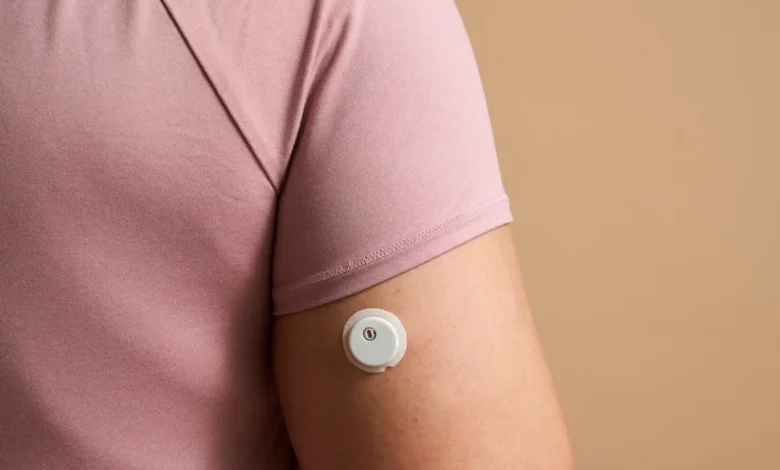
The landscape of diabetes management has officially entered a new era following a landmark regulatory decision by the United States Food and Drug Administration (FDA). In an announcement that promises to transform daily care for millions of patients, the agency approved Abbott’s Libre Duo 10 Day, marking the introduction of the world’s first dual glucose-ketone sensing technology authorized for individuals aged two years and older. This continuous ketone monitoring (CKM) system represents a monumental shift in how clinicians, patients, and families approach type 1 diabetes (T1D), addressing a critical gap in routine monitoring that has persisted for decades. Historically, despite the known risks of severe metabolic complications, clinical studies consistently reveal that a significant proportion of people living with T1D lack home ketone testing supplies and rarely, if ever, check their ketone levels. The arrival of an integrated device capable of tracking both glucose and ketones in real-time offers an unprecedented opportunity to bridge this dangerous gap, shifting diabetes management from reactive treatment to proactive prevention.
Understanding the Threat of Diabetic Ketoacidosis
To fully appreciate the clinical significance of continuous ketone monitoring, one must examine the severe physiological threat it aims to mitigate: diabetic ketoacidosis (DKA). DKA is an acute, life-threatening metabolic emergency that occurs when the body experiences an absolute or relative deficiency in insulin. Deprived of the glucose it needs for cellular energy due to insufficient insulin, the body begins breaking down fat stores at an accelerated rate as an alternative fuel source. This process produces acidic byproducts known as ketones. As these ketones accumulate in the bloodstream, they cause the blood to become dangerously acidic, a condition that disrupts vital organ function, causes profound dehydration, and can rapidly progress to cerebral edema, coma, or death if left untreated.
While any individual with T1D is theoretically susceptible to DKA, certain populations face a significantly elevated baseline risk. Pediatric patients, particularly very young children, are highly vulnerable due to their rapid metabolic changes, unpredictable eating habits, and reliance on caregivers to recognize subtle behavioral symptoms. Furthermore, individuals experiencing acute illnesses, infections, pump malfunctions, or periods of severe physiological stress are at heightened risk of rapid ketone accumulation. Even routine daily variables—such as unexpected shifts in insulin sensitivity, high-intensity exercise, missed insulin doses, or high-carbohydrate meals—can alter blood-sugar levels and insulin requirements, setting the stage for ketone formation. Historically, catching these dangerous metabolic shifts relied entirely on manual intervention, such as cumbersome fingerstick blood tests or urine strips, which patients often neglected until symptoms had already progressed to a medical emergency. The new dual-sensor technology fundamentally changes this dynamic by providing continuous visibility into ketone trends long before clinical symptoms manifest.
Unlocking the Safe Utilization of SGLT Inhibitors
Beyond its immediate role in routine T1D management, continuous ketone monitoring holds profound implications for the broader pharmacological landscape, specifically regarding the use of sodium-glucose cotransporter inhibitors (SGLTi). SGLTi medications function by blocking glucose reabsorption in the kidneys, forcing the body to excrete excess sugar through urine. While these therapies have demonstrated remarkable, life-changing benefits for individuals with type 2 diabetes and non-diabetic populations—most notably reducing the risk of heart failure, chronic kidney disease progression, and cardiovascular mortality—their application in T1D has historically been hindered by a critical hurdle.
Because SGLTi lower blood sugar levels independently of insulin, patients with T1D taking these drugs often require reduced insulin doses. However, lowering insulin administration while on an SGLTi significantly increases the propensity for uncontrolled ketone generation, thereby spiking the risk of euglycemic DKA—a particularly insidious form of DKA where blood glucose levels remain normal or only mildly elevated, making it difficult to detect through traditional blood glucose monitoring alone. Consequently, the medical community has approached SGLTi use in T1D with extreme caution.
The advent of continuous ketone monitoring provides the precise safety net researchers and clinicians have desperately needed. By supplying continuous, real-time data on ketone fluctuations, CKM technology allows for the proactive management of DKA risk associated with SGLTi therapy. This capability is expected to accelerate clinical research and pave the way for broader regulatory approvals, enabling individuals with T1D to safely harness the profound heart and kidney protective benefits of SGLT inhibitors without living under the shadow of unmitigated metabolic risk.
Driving Clinical Research and Real-World Evidence
Recognizing the transformative potential of this technology, major health organizations and research bodies have moved swiftly to fund and execute rigorous clinical trials. Chief among them is Breakthrough T1D, a leading global type 1 diabetes research and advocacy organization, which has committed substantial resources to evaluating the real-world utility of continuous ketone monitoring. Following a targeted request for scientific applications, Breakthrough T1D funded eight major research projects utilizing dual glucose-ketone sensors generously donated by Abbott, continuing a decades-long collaborative partnership aimed at advancing diabetes care.
Among these flagship initiatives is the CKM-REACT study (Continuous Ketone Monitoring in Youth with Type 1 Diabetes: a Randomized, structured Education, physical Activity and meal Challenges Trial). This study aims to determine whether pairing continuous ketone monitoring with structured educational interventions can help children and teenagers using automated insulin delivery (AID) systems reduce time spent in hyperglycemia while mastering the identification of early DKA warning signs. By comparing various educational delivery models—ranging from in-person coaching to standardized written materials—the study will establish best practices for integrating CKM into pediatric care.
Simultaneously, researchers are addressing healthcare disparities through digital health innovations. Another prominent Breakthrough T1D-funded project is developing and evaluating a digital health ecosystem equipped with on-demand treatment guidance via smartphone applications. Designed specifically to support underserved adult populations with T1D who may lack consistent access to specialized endocrinologists, this initiative evaluates person-centered educational tools and app-based clinical guidance to ensure that advanced CKM technology benefits all demographics equitably.
Addressing Complex Complications and Early-Stage Disease
Further expanding the research horizon, clinical investigations are underway to explore how continuous ketone monitoring intersects with advanced chronic conditions and early-stage disease progression. Dr. Polsky’s research group is building upon the existing Breakthrough T1D-funded SUGARNSALT clinical trial, which evaluates whether the SGLT inhibitor sotagliflozin can slow the decline of kidney function in individuals with moderate-to-severe diabetic kidney disease. This new substudy directly compares continuous ketone monitoring with traditional intermittent fingerstick testing, analyzing how CKM-detected ketone patterns differ between patients taking SGLTi therapies and those who are not. The overarching objective is to refine safety protocols and optimize renal protection strategies for adults grappling with advanced microvascular complications.
In addition to established disease management, researchers are looking at the very onset of the condition. A dedicated clinical project is actively evaluating metabolic and ketone profiles in individuals with early-stage or newly diagnosed T1D. By analyzing variables such as residual endogenous insulin production, dietary carbohydrate intake, physical activity, and the occurrence of DKA at the time of diagnosis, investigators hope to map out distinct ketone signatures. These insights will help predict when pre-symptomatic individuals are transitioning to symptomatic stage 3 T1D, allowing clinical teams to intervene early and prevent life-threatening metabolic crises during the most volatile phases of the disease.
Complementing these diverse trials, the Steno 1 clinical trial has incorporated a specialized continuous glucose-ketone monitoring substudy. This research evaluates adults with T1D receiving a sophisticated, multi-target medical regimen combining sotagliflozin, semaglutide, and finerenone—a combination designed to comprehensively protect both the cardiovascular and renal systems. By capturing high-resolution ketone data during this multi-drug therapy, the substudy aims to establish safety parameters that will facilitate the future clinical implementation of novel, multi-target heart and kidney therapies for the T1D population.
Global Guidelines and Future Clinical Integration
The rapid evolution of continuous ketone monitoring technology has necessitated swift action from international medical authorities to ensure safe, standardized clinical adoption. To guide healthcare professionals, regulatory bodies, and patient families through this technological shift, a panel of experts from twelve countries convened under the leadership of Dr. Thomas Danne, Chief Medical Officer International for Breakthrough T1D. The resulting consensus manuscript, titled “Continuous ketone monitoring for people with diabetes: international expert recommendations on the application of a new technology,” was published in the esteemed medical journal The Lancet Diabetes and Endocrinology.
This landmark publication provides comprehensive clinical guidance on how to seamlessly integrate dual glucose-ketone monitoring into everyday medical practice. It outlines explicit practical recommendations for interpreting CKM data, mitigating DKA risks, and navigating patient care pathways. Furthermore, these expert recommendations serve as a foundational resource for upcoming health technology assessments, insurance coverage determinations, and global regulatory frameworks.
To ensure that the technology meets the practical, day-to-day needs of the community, ongoing collaborative efforts between medical affairs teams, Abbott, and patient advocacy groups are actively capturing qualitative feedback from individuals with T1D and their clinical providers. By evaluating user experiences, overcoming behavioral barriers, and assessing the logistical challenges associated with transitioning from legacy testing methods to continuous sensors, stakeholders are shaping a patient-centric implementation strategy.
Broad Implications and the Road Ahead
The regulatory approval and subsequent clinical rollout of the world’s first dual glucose-ketone monitoring system represent a watershed moment in chronic disease management. By providing continuous, simultaneous visibility into both glycemic trends and ketone concentrations, this technology effectively dismantles one of the most persistent and dangerous blind spots in type 1 diabetes care.
As ongoing clinical trials yield robust data across pediatric cohorts, underserved adult populations, and patients managing complex multi-organ complications, the medical community is steadily building an evidence-based framework for optimal CKM utilization. Backed by international consensus guidelines, dedicated research funding, and collaborative industry partnerships, the momentum behind continuous ketone monitoring signals a transformative shift toward a future where diabetic ketoacidosis is aggressively anticipated, systematically intercepted, and ultimately prevented on a global scale.
Related posts: