Huevos Rancheros: A Nutrient-Dense Approach to Modern Breakfast Innovation

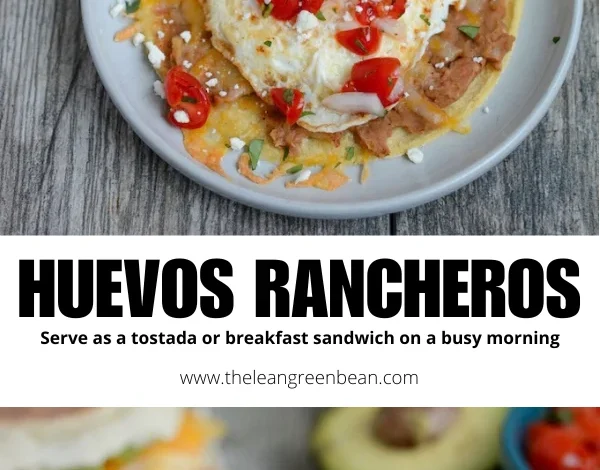
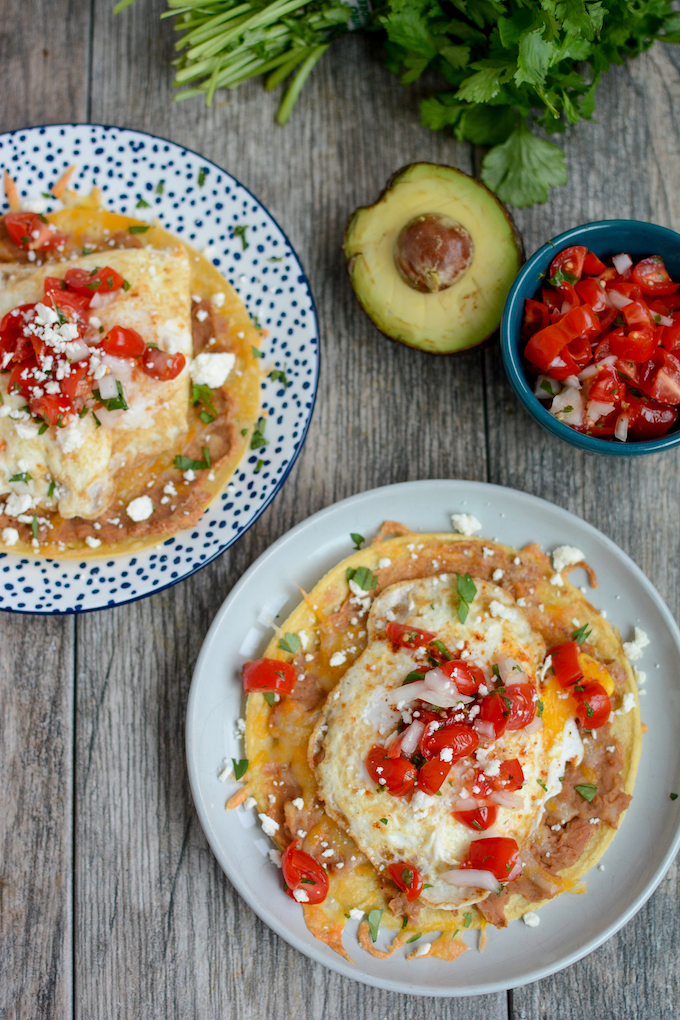
The traditional Mexican breakfast dish known as Huevos Rancheros—historically characterized by fried eggs served atop corn tortillas with salsa and beans—is undergoing a culinary evolution, transforming from a sit-down meal into a versatile, high-protein solution for the contemporary workforce. As nutritional science increasingly emphasizes the importance of fiber and protein in the first meal of the day to maintain glycemic control, this rustic dish is being repurposed into portable formats like tostadas and breakfast sandwiches. This adaptation addresses the growing demand for "grab-and-go" meals that do not sacrifice nutritional integrity for convenience.
Historical Context and Evolution of the Dish
Huevos Rancheros, which translates literally to "ranch-style eggs," traces its origins to the rural farming communities of Mexico. Historically, the dish was designed to provide laborers with a robust, energy-dense start to the workday. The fundamental components—corn tortillas, eggs, and legumes—were staples that provided a balance of complex carbohydrates, lipids, and essential amino acids.
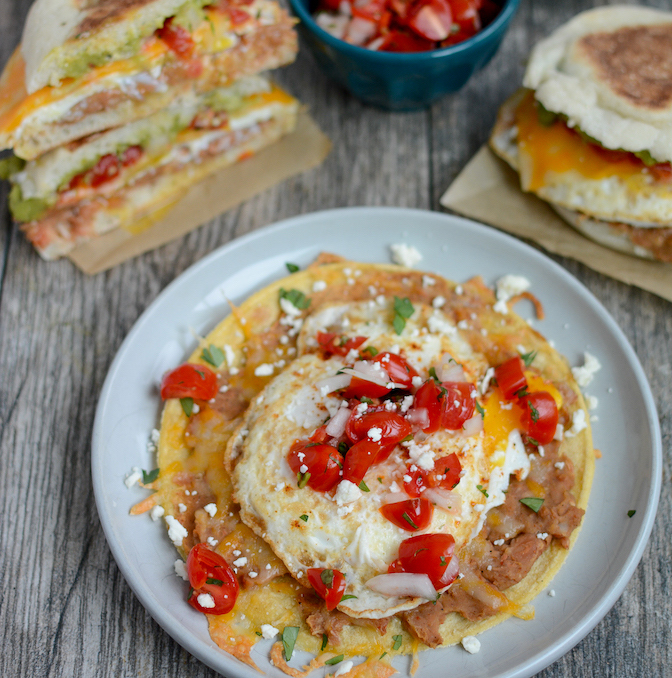
In recent decades, the dish has transitioned from a regional specialty to a staple in North American breakfast culture. However, the modern iteration differs significantly from the traditional preparation. Whereas early versions relied on lard-fried tortillas and freshly rendered beans, contemporary versions often utilize air-frying technology and lean, fiber-rich bean varieties to align with modern health guidelines. The move toward tostada-style or sandwich-based service reflects a broader shift in food service, where traditional "plated" breakfasts are being adapted for the high-speed requirements of a professional environment.
Nutritional Implications and Dietary Benefits
The integration of beans into the morning meal provides a significant increase in dietary fiber, a nutrient often lacking in Western breakfast patterns. According to the Dietary Guidelines for Americans, fiber consumption is essential for digestive health and the regulation of blood glucose levels. When beans—such as pinto or black beans—are paired with eggs, the resulting meal offers a complete amino acid profile while simultaneously providing a slow-release energy source that can mitigate mid-morning hunger.
Data indicates that breakfast meals containing at least 20 to 30 grams of protein significantly improve satiety compared to carbohydrate-heavy options like pastries or sugary cereals. By substituting traditional bread products with corn tortillas or whole-grain English muffins, consumers are able to maintain the structural integrity required for a portable sandwich while benefiting from the lower glycemic index associated with these base ingredients.
Chronology of Culinary Adaptation
The shift toward modernizing Huevos Rancheros can be categorized into three distinct phases of culinary development:
- The Traditional Phase: Rooted in rural Mexican tradition, the dish was exclusively served on a plate, requiring a knife and fork. The focus was on caloric density for agricultural labor.
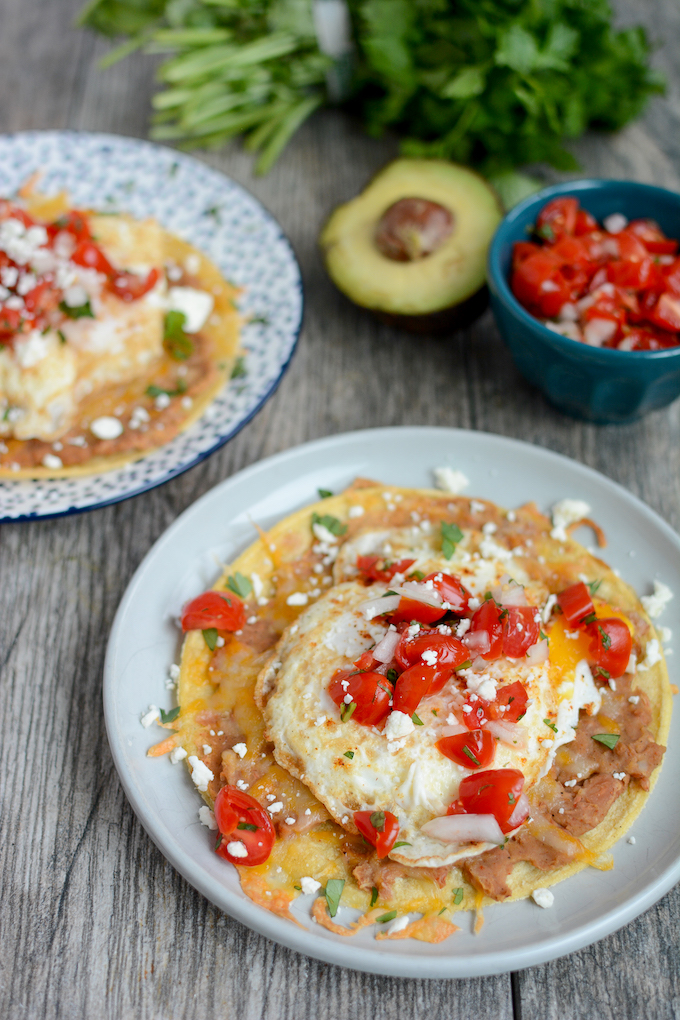
- The Fusion Phase: As the dish gained popularity in urban centers, chefs began incorporating global ingredients—such as feta or cotija cheese, avocado, and diverse salsas—which expanded the flavor profile but kept the presentation traditional.
- The Functional Phase: The current trend focuses on portability and prep-ahead capabilities. Through the use of sheet-pan cooking for eggs and the standardization of ingredients like canned or pre-mashed beans, the dish has become accessible for home meal-prepping. This phase is characterized by the "sandwich-ification" of the recipe, allowing it to compete with commercial fast-food breakfast items while maintaining a significantly better nutritional profile.
Logistical Advantages for Meal Preparation
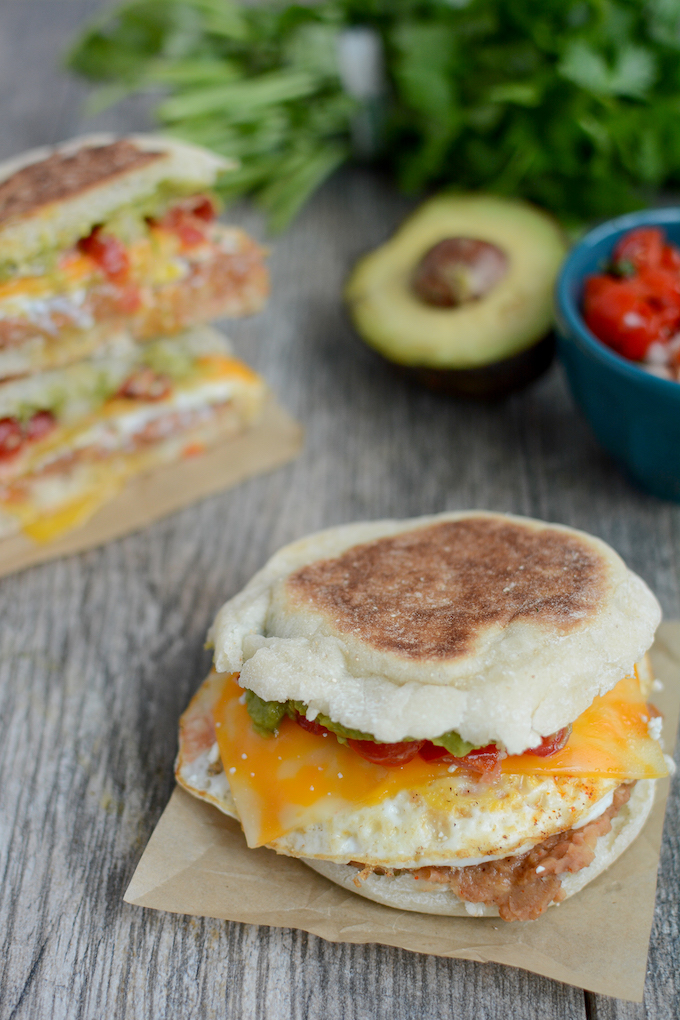
For individuals aiming to optimize their morning routines, the "sandwich" format provides a clear logistical advantage. The ability to batch-prepare egg patties in a standard 9-by-13-inch pan allows for the creation of multiple servings in under 30 minutes. Once cooled, these portions can be individually frozen.
Nutritional experts note that while freezing eggs can slightly alter their texture, the inclusion of moisture-rich toppings like salsa or avocado—added after the reheating process—can restore the desired consistency. This methodology effectively bridges the gap between home-cooked nutritional quality and the convenience of commercial frozen breakfast products.
Comparative Analysis: Tostada vs. Breakfast Sandwich
The choice between a tostada and a breakfast sandwich format is largely determined by timing and consumption environment. The tostada format, which involves broiling or air-frying a corn tortilla, offers a crunch factor that is often lost in sandwich preparations. It is ideal for those consuming their meal at home. Conversely, the English muffin-based sandwich is optimized for portability.
Technical Specifications for Preparation
For those utilizing modern kitchen appliances to achieve professional results, the following parameters are recommended:
- Air-Frying: To achieve a crisp tortilla base without excess oil, setting an air fryer to 400 degrees Fahrenheit (approx. 200 degrees Celsius) for 3 to 5 minutes is standard.
- Sheet-Pan Eggs: To ensure consistent cooking for meal-prepped sandwiches, whisking eggs and baking them at 325 degrees Fahrenheit (approx. 163 degrees Celsius) for 20 minutes prevents the rubbery texture often associated with high-heat cooking.
- Reheating Protocols: Utilizing a damp paper towel during microwave reheating is crucial for maintaining the moisture content of both the English muffin and the egg, preventing the dehydration that typically occurs in conventional microwave cycles.
Broader Industry Implications
The adaptation of Huevos Rancheros highlights a larger trend in the food industry: the "health-conscious convenience" movement. As consumers become increasingly literate regarding the ingredients in their food, there is a marked decline in the popularity of pre-packaged, highly processed breakfast options.
The success of these adaptations suggests that the future of home nutrition lies in the modularization of traditional recipes. By stripping a complex meal down to its core nutritional components—protein (eggs), fiber (beans), and quality carbohydrates (tortilla/muffin)—and reassembling them for maximum efficiency, home cooks are effectively creating their own "convenience foods."

Furthermore, the environmental and economic impact of such shifts is notable. Beans represent one of the most cost-effective and environmentally sustainable sources of protein available. Encouraging the consumption of legumes at breakfast, rather than just at lunch or dinner, represents an opportunity for widespread improvement in public dietary habits.
Conclusion
The transformation of Huevos Rancheros from a traditional plated dish to a modern, portable, and nutrient-dense breakfast option underscores a significant shift in contemporary eating habits. By prioritizing fiber-rich legumes and high-quality protein while utilizing time-saving preparation techniques, individuals can maintain a healthy, satiating diet despite the constraints of a busy schedule. Whether prepared as a crispy tostada or a functional breakfast sandwich, the dish remains a testament to the versatility of traditional ingredients in the modern culinary landscape. As food preparation continues to evolve, the emphasis on balancing historical flavor profiles with current nutritional science will remain a central theme for health-conscious consumers worldwide.