Navigating Youth Sports: How Parental Sideline Behavior Shapes Athletic Development and Sportsmanship

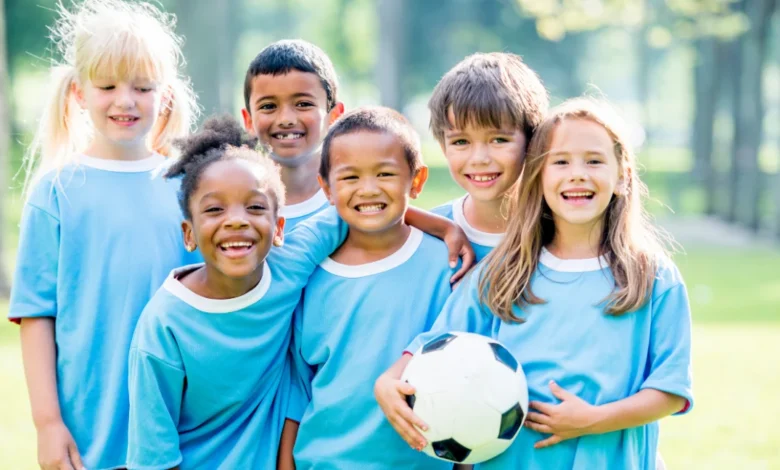
The modern landscape of youth athletics is characterized by significant investments of time, financial resources, and emotional energy from parents. From early-morning carpools to weekend tournaments and equipment purchases, adult involvement is a cornerstone of youth sports. However, this deep investment frequently manifests as intense emotional attachment, frequently leading to a phenomenon well-documented by child psychologists and sports educators: sideline coaching.
Characterized by parental shouting, critique of referees, contradictory instructions to players, and public disputes with coaching staff, sideline coaching has become a pervasive issue across community sports leagues. While parents are often motivated by a desire to see their children succeed and reap the psychological and physical benefits of physical activity, unmanaged competitive pressure can fundamentally alter a child’s athletic experience. Recent sociological and developmental research highlights the critical need for structured approaches to parental behavior, establishing a framework where youth sports foster resilience, emotional regulation, and lifelong teamwork rather than burnout and anxiety.
Understanding the Mechanics and Prevalence of Sideline Coaching
Youth sports participation rates in the United States remain high, with millions of children engaging in organized leagues annually. According to data from the Sports & Fitness Industry Association (SFIA), youth sports participation has experienced steady engagement, though retention often hinges on the social and emotional climate created by adults. When parents translate their personal aspirations—ranging from college scholarship dreams to simple social validation—onto children, the psychological burden on young athletes increases exponentially.
Historically, community sports functioned primarily as recreational outlets managed by volunteer coaches. Over the past three decades, however, the professionalization of youth sports has trickled down to younger age brackets, inflating parental expectations. When a parent shouts tactical directions from the sidelines, it creates a dual-leadership conflict for the child athlete, who must choose between the official coach’s strategy and a parent’s conflicting directive. Furthermore, developmental psychologists note that public criticism from a primary caregiver activates a child’s physiological stress response, impairing focus, reducing motor performance, and turning a constructive learning environment into a high-stakes performance review.
Establishing Foundations: Sportsmanship in the Home Environment
Child development experts emphasize that behavioral modeling begins long before a child steps onto a soccer field or a baseball diamond. Family game nights serve as an introductory micro-ecosystem for competitive play. These domestic settings offer a low-stakes environment where children can experience the mechanics of winning and losing under controlled conditions.
When families engage in board games, card games, or cooperative physical activities, children learn to navigate the emotional complexities of defeat. However, when parents display disproportionate emotional investment in domestic games—manifesting as frustration, argument, or an inability to lose gracefully—children internalize these maladaptive coping mechanisms. Conversely, maintaining a light-hearted, unemotional demeanor following a loss teaches youngsters that failure is a temporary state and a fundamental component of skill acquisition.
Strategic game selection also plays a vital role. For younger children, games incorporating elements of chance or cooperative play help level the playing field, preventing chronic frustration while teaching foundational rules of engagement. As cognitive and motor skills mature, children naturally transition toward skill-based competitive environments, provided their initial experiences with failure were met with parental equilibrium rather than punitive disappointment.
Calibrating Expectations: Navigating Early Athletic Seasons

A primary catalyst for disruptive sideline behavior is misaligned expectations. When a child begins a new athletic endeavor—such as Little League baseball or youth soccer—parents frequently envision a linear trajectory toward advanced competitive play. When reality intervenes, marked by dropped fly balls, struck-out plate appearances, or losing streaks, parental anxiety can spike.
This anxiety often manifests as hyper-involvement: parents attempting to manage the team, advising the coach, or subjecting the child to intensive post-game critiques. Ironically, this pressure often accelerates athletic burnout. Data from youth sports advocacy groups indicate that the number one reason children drop out of sports by early adolescence is that "it is no longer fun."
To counter this trajectory, sports psychologists recommend shifting evaluative metrics away from game outcomes—such as the final score or batting average—and toward process-oriented achievements. Recognizing effort, celebrating technical improvements during practice, and focusing on incremental skill development foster intrinsic motivation. In high-performance analysis, true athletic resilience is defined not by avoiding losses, but by the capacity to absorb setbacks and recalibrate training efforts accordingly.
Modeling Respect for Officials, Coaches, and Opponents
The authority figures in youth sports—primarily volunteer coaches and local referees—operate in challenging environments characterized by limited resources and intense scrutiny. When parents publicly challenge an official’s call or undermine a coach’s tactical decision, they establish a dangerous behavioral precedent.
Children observe and emulate adult conflict resolution strategies. A parent who displays volatile, hot-headed behavior toward referees communicates to the child that accountability is secondary to personal grievance, and that rules are negotiable when they conflict with a desired outcome. Sports administration bodies, including Little League International and various state high school athletic associations, have increasingly implemented zero-tolerance policies for spectator harassment, reflecting the severity of the issue.
Constructive communication channels already exist within most organized leagues. Parents with legitimate concerns regarding coaching philosophy, safety, or playing time are encouraged to utilize scheduled, private meetings rather than public confrontations. This formal approach protects the integrity of the team dynamic and demonstrates mature conflict resolution to participating children.
Intervention and Accountability: Managing Sideline Outbursts
Even well-intentioned parents occasionally succumb to the emotional heat of a competitive game, resulting in inappropriate vocal outbursts directed at players, officials, or coaching staff. Acknowledging these lapses is critical for maintaining credibility as a positive role model.
When a parent loses their temper, an immediate post-event apology directed at the child—and, if necessary, the affected official or coach—models accountability. Admitting imperfection demonstrates that personal growth requires self-reflection and corrective action. Maintaining an even temperament and a constructive, positive attitude following a disappointing loss reinforces the core tenets of sportsmanship: mutual respect, shared effort, and collective resilience.
Addressing Disruptive Peer Parents

Managing one’s own behavior is compounded when interacting with overbearing or hostile parents from opposing teams or within the same organization. Public confrontations frequently escalate tensions, creating a hostile environment that detracts from the youth sporting experience.
Sports administrators recommend proactive de-escalation strategies. Engaging overly vocal parents in neutral, positive dialogue regarding their shared interest in the sport can often neutralize competitive hostility. When disruptive behavior crosses ethical or safety thresholds, intervention should be channeled discreetly through the official coaching staff or league administrators, preserving the primary focus on the athletes’ well-being.
Evaluating Participation: Supporting Passions and Managing Attrition
While parental support is indispensable, discerning the boundary between encouraging persistence and enabling distress is essential. Children occasionally express a desire to quit a sport after a single difficult practice or a discouraging game.
Navigating these moments requires a balanced assessment. On one hand, commitment to a team teaches perseverance, reliability, and resilience; premature quitting due to minor discomfort can undermine long-term character development. On the other hand, if a sporting environment proves toxic, or if a child’s psychological well-being is genuinely compromised, allowing a monitored exit—with the intention of reassessing interests in subsequent seasons—may be the most constructive path forward.
Furthermore, supporting a child’s evolution may involve transitioning away from traditional sports entirely. Encouraging alternative passions, whether in the arts, sciences, or independent recreational activities, validates the child’s individual autonomy and prevents the imposition of parental projections onto an unwilling participant.
Broader Implications for Child Development and Future Society
The implications of youth sports parenting extend far beyond the immediate athletic arena. Longitudinal studies tracking youth sports participants into adulthood indicate that individuals who experience supportive, balanced athletic environments develop robust collaborative skills, emotional intelligence, and resilience under pressure. Conversely, children subjected to chronic performance anxiety and aggressive adult modeling often struggle with self-efficacy and conflict avoidance later in life.
Ultimately, youth sports function as a preparatory laboratory for civic life. By maintaining realistic expectations, modeling respectful engagement with authority, prioritizing process over outcome, and keeping competitive intensity in check, parents lay the groundwork for resilient, cooperative individuals. The ultimate victory in youth athletics is not measured on a scoreboard, but in the enduring character development of the participating children.