2026 Ultimate Holiday Gift-Giving Guide for the Whole Family Natural and Eco-Friendly


As the 2026 holiday shopping season approaches, shifting consumer trends indicate a significant pivot toward sustainable, health-conscious, and experience-based gift-giving. Retail analysis suggests that supply chain optimizations have allowed companies to launch seasonal promotions earlier than in previous years, effectively extending the traditional holiday shopping window that typically spans from late October through December. This shift is designed to mitigate the logistics bottlenecks that frequently characterized the industry between 2020 and 2023, ensuring that consumers can secure high-demand, eco-friendly inventory well in advance of year-end festivities.
The movement toward conscious consumerism—a term describing the preference for products that are ethically produced, environmentally friendly, and health-promoting—has seen consistent growth. Market research from the past fiscal year indicates that nearly 60% of consumers under the age of 45 are prioritizing brands that utilize non-toxic materials, plastic-free packaging, and sustainable sourcing. This transition is not merely a lifestyle choice but a reflection of broader public health awareness regarding endocrine disruptors and microplastics often found in mass-market consumer goods.
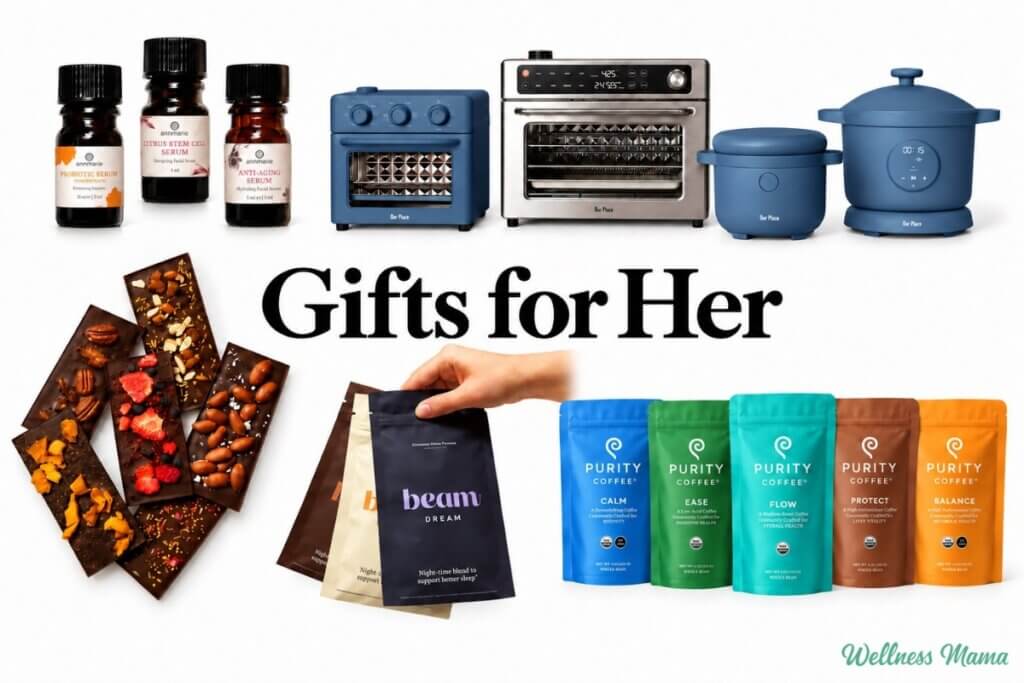
Market Context and Consumer Trends
The 2026 retail landscape is defined by a dichotomy between ultra-fast fashion and a burgeoning "slow-gift" movement. Data suggests that while impulse buying remains a factor, there is a documented increase in the longevity of purchased items. Households are increasingly opting for high-utility, durable goods over single-use plastic toys or temporary novelty items. This trend is particularly evident in the categories of personal care, home health, and wellness technology.
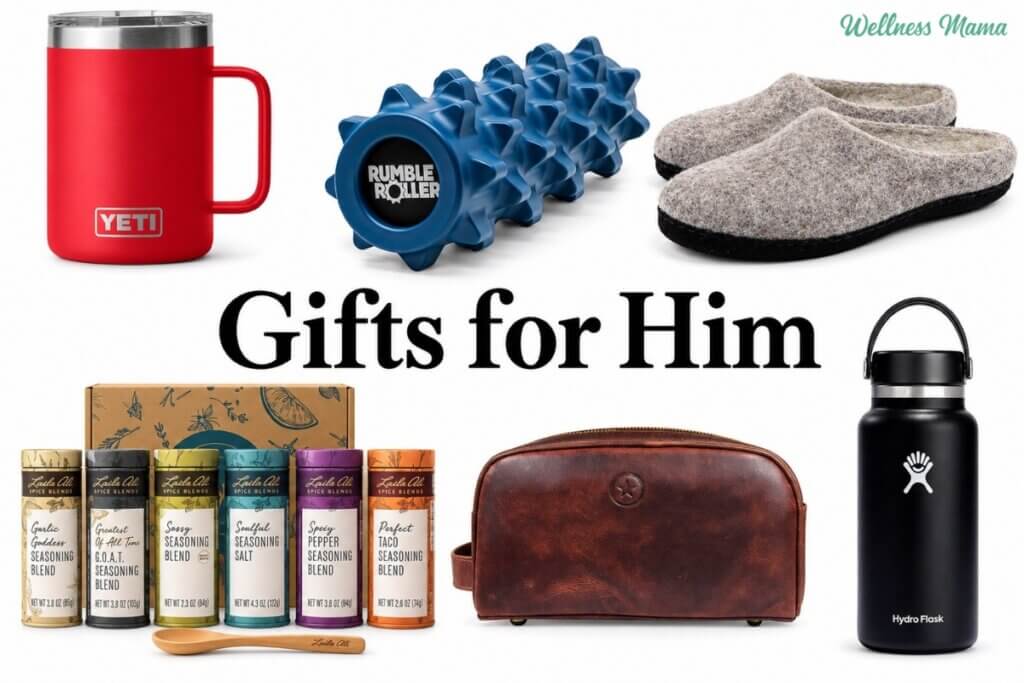
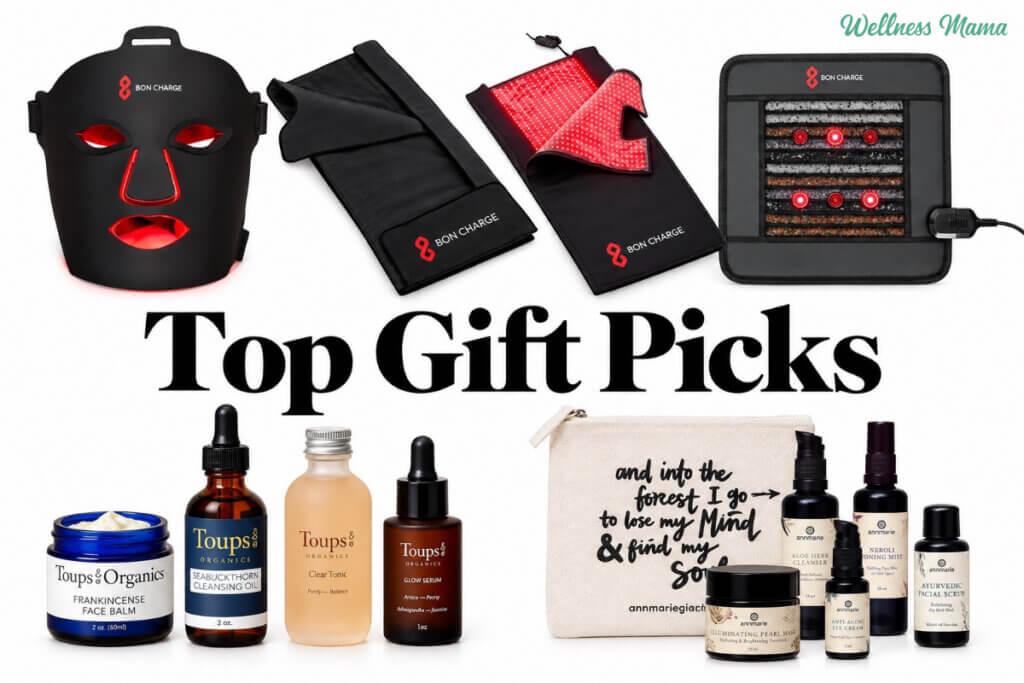
Industry experts note that this shift is supported by a rise in direct-to-consumer (DTC) brands that emphasize transparency in their supply chains. Companies specializing in tallow-based skincare, organic cotton textiles, and medical-grade wellness devices—such as red-light therapy tools—have reported record growth. These brands often leverage the "Wellness Mama" model, where the focus is on rigorous ingredient vetting and long-term product durability rather than seasonal obsolescence.
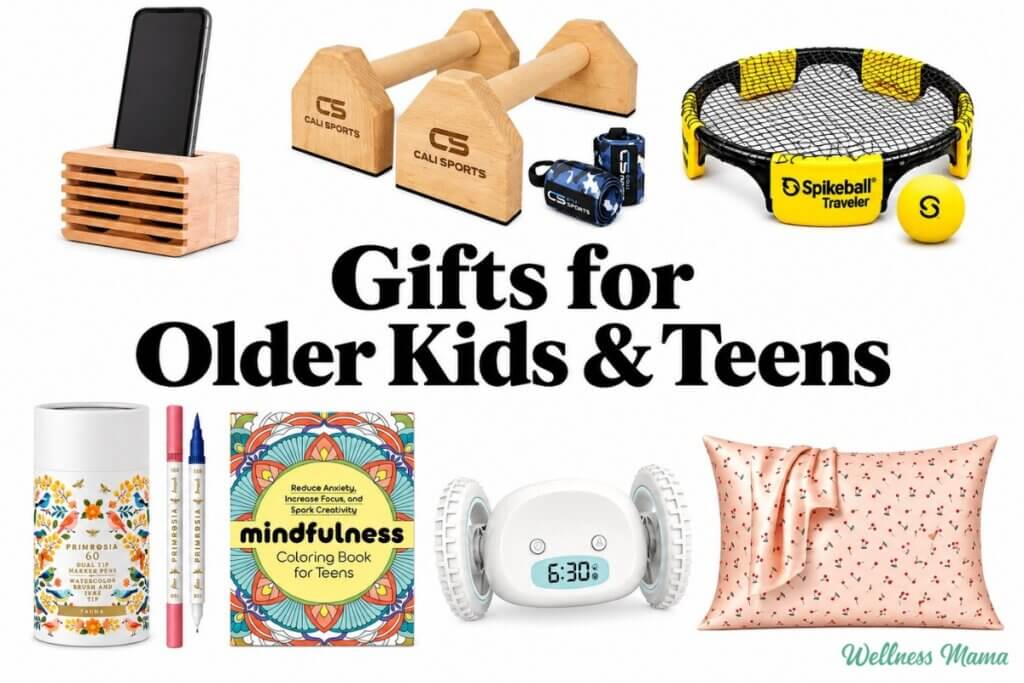
A Chronology of the 2026 Shopping Season
The 2026 shopping cycle began in earnest during the third week of October, as major retailers launched early-bird sales to distribute the demand load. This proactive approach aims to stabilize warehouse operations and courier networks during the peak November surge.
- Late October: Initial rollout of "Early Access" holiday deals.
- November 20–24: The peak anticipation window, characterized by Black Friday and Cyber Monday pre-sales.
- November 27 (Black Friday): The primary retail catalyst where deep discounting typically hits its maximum threshold for electronics, wellness gadgets, and home goods.
- December 1–15: The "logistics stabilization" phase, where focus shifts to expedited shipping and local fulfillment options to ensure arrival by December 24.
Spotlight on Leading Categories
The current market shows a preference for products that combine technological utility with natural health outcomes. Notable categories include:
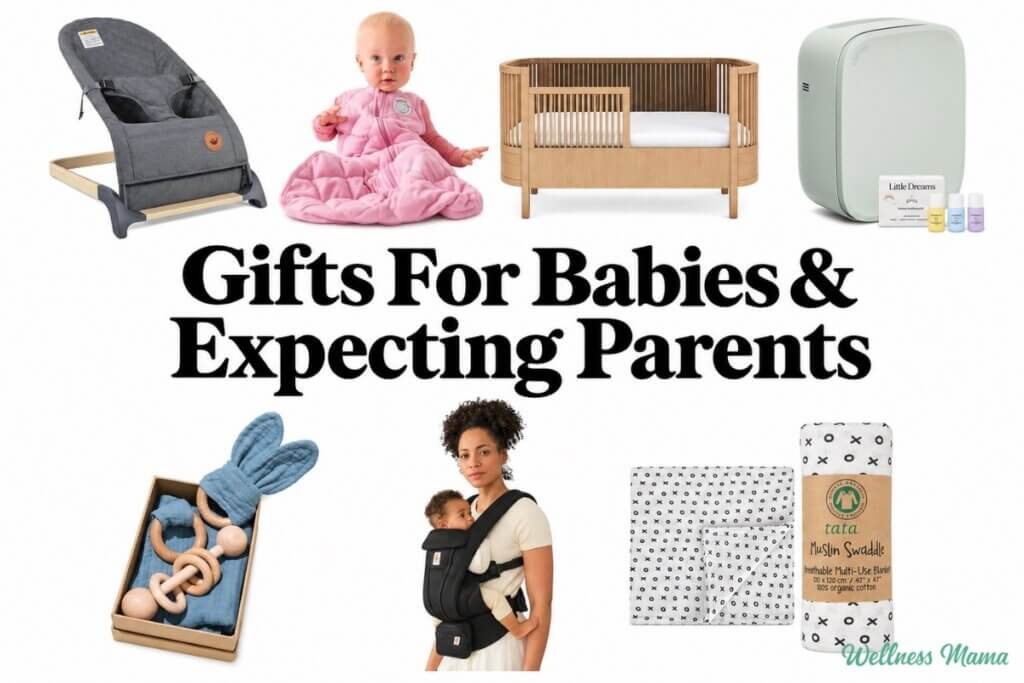
Wellness and Home Technology
The integration of red-light therapy into everyday consumer products represents a significant innovation in 2026. Devices such as infrared sauna blankets, PEMF (Pulsed Electromagnetic Field) mats, and light-emitting oral care tools are seeing high adoption rates. Analysis indicates that these products appeal to the "bio-hacking" demographic—consumers who monitor health metrics and seek to optimize daily routines through environmental and technological adjustments.
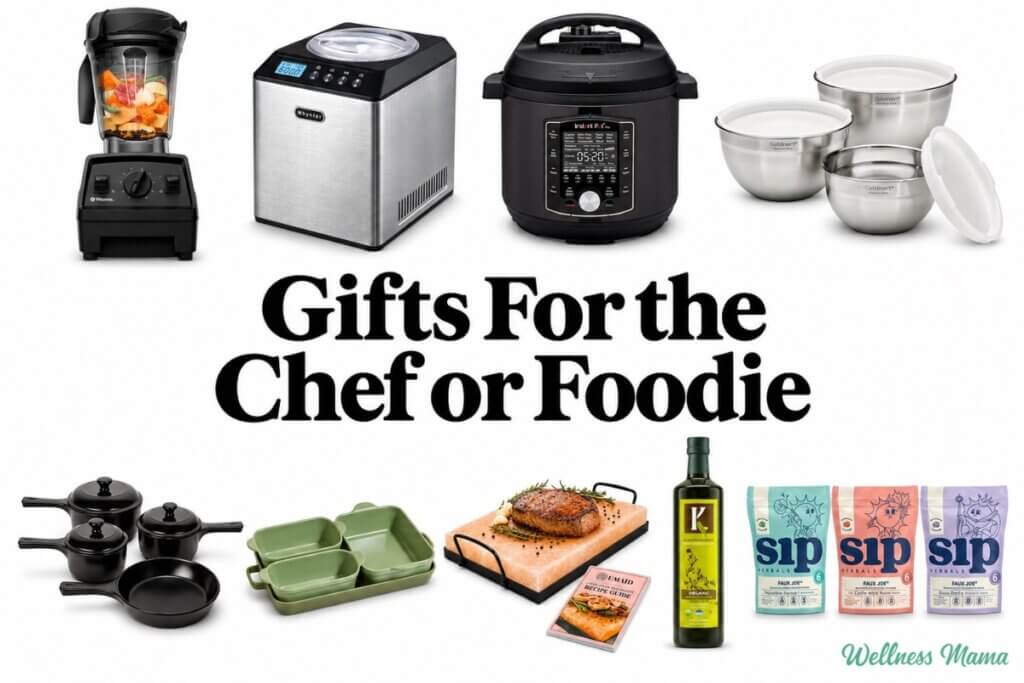
Clean Skincare and Personal Care
The skincare sector has experienced a departure from synthetic, petroleum-based ingredients. Consumers are increasingly seeking out anhydrous (waterless) balms, tallow-based moisturizers, and wildcrafted organic serums. This shift aligns with broader environmental mandates to reduce chemical runoff and plastic waste. Brands that utilize glass or compostable packaging are seeing a higher retention rate among eco-conscious shoppers.
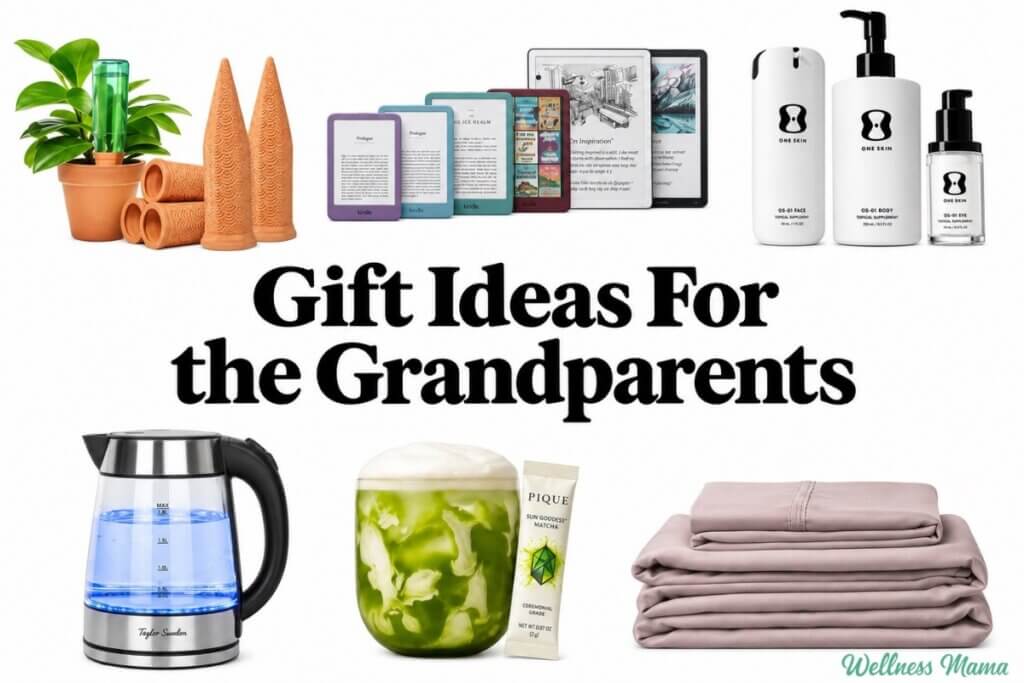
Educational and Sustainable Toys
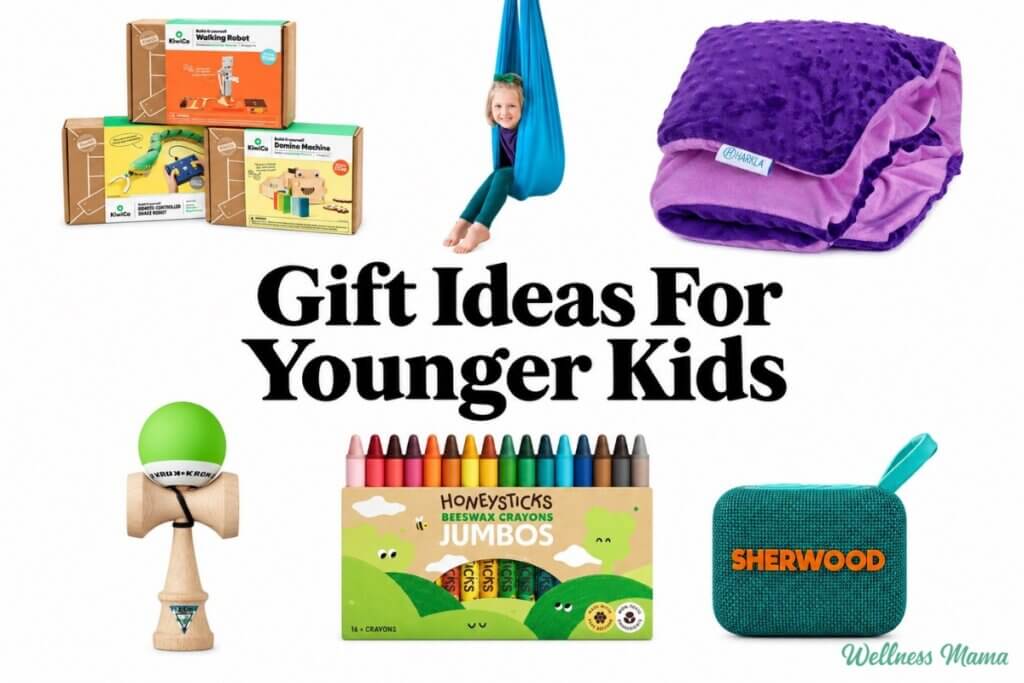
The toy industry is currently undergoing a "de-plasticization" process. For the 2026 holiday season, parents are prioritizing modular, open-ended play items—such as wooden blocks, natural fiber dolls, and art supplies—over battery-operated, disposable electronics. This is largely driven by developmental psychology research that emphasizes the role of imaginative play in long-term cognitive health.
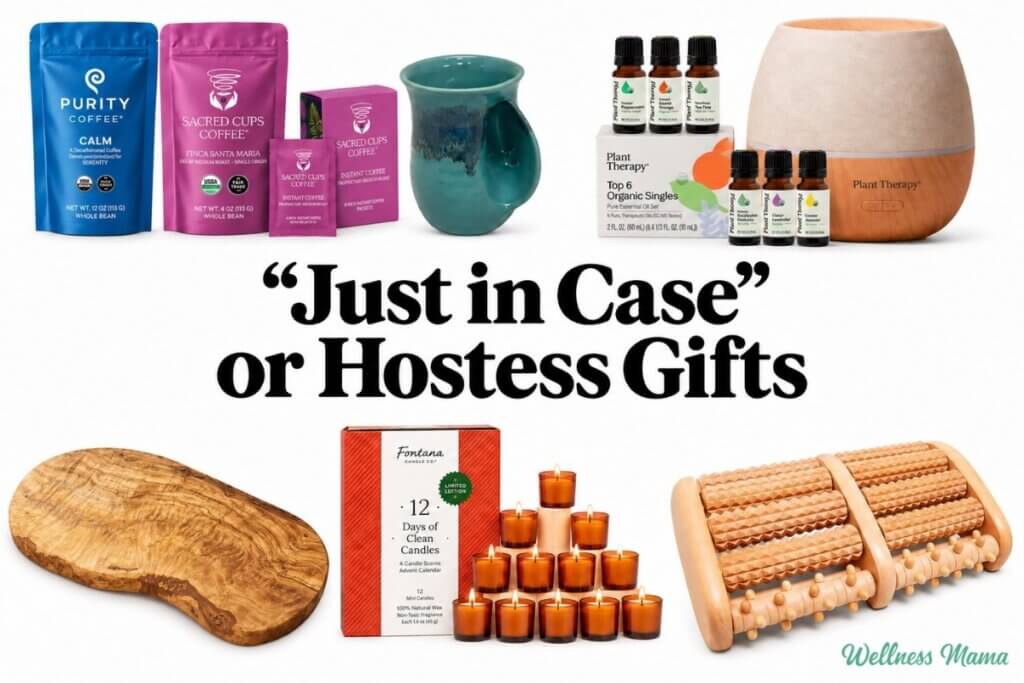
Broader Economic and Environmental Implications
The preference for high-quality, eco-friendly goods has measurable implications for the broader economy. First, it reduces the volume of "returns," which is one of the most significant costs and environmental burdens in the retail sector. High-quality items are statistically less likely to be returned compared to low-cost, plastic-heavy alternatives.
Second, the shift supports small-to-medium enterprises (SMEs) that operate with leaner, more transparent supply chains. By favoring family-owned or locally-operated businesses, consumers are effectively voting for a more decentralized and resilient economic model.

Strategic Recommendations for Consumers
To navigate the 2026 shopping season efficiently, financial and retail analysts recommend a strategic approach:
- Inventory Verification: Given the focus on natural and organic materials, supply chains for these items are often more susceptible to seasonal shortages. Ordering items that utilize seasonal, small-batch ingredients early is recommended.
- Strategic Timing: While "Black Friday" is the traditional peak, many high-end wellness brands offer exclusive, non-publicized discounts to their mailing lists in the weeks leading up to the holiday.
- Experience Over Materialism: As households seek to limit environmental impact, gifting "experiences"—such as classes, memberships, or planned outings—remains the most sustainable option. This reduces the carbon footprint associated with manufacturing and shipping, while simultaneously fostering personal connection.
Conclusion
As the 2026 holiday season concludes, the success of a gift-giving strategy is increasingly measured by the utility, health benefits, and environmental footprint of the items chosen. The data clearly indicates that the modern consumer is moving away from the "consumerist" archetype and toward a model of intentional, sustainable giving. Whether selecting advanced wellness technology or handcrafted organic skincare, the emphasis remains on transparency, quality, and a commitment to longevity. By planning ahead and aligning purchases with these core values, families can reduce the logistical stress of the season while contributing to a more sustainable and health-conscious future.