The 60 Day Baby Meal Plan: A Dietitian’s Guide to Stress-Free Starting Solids


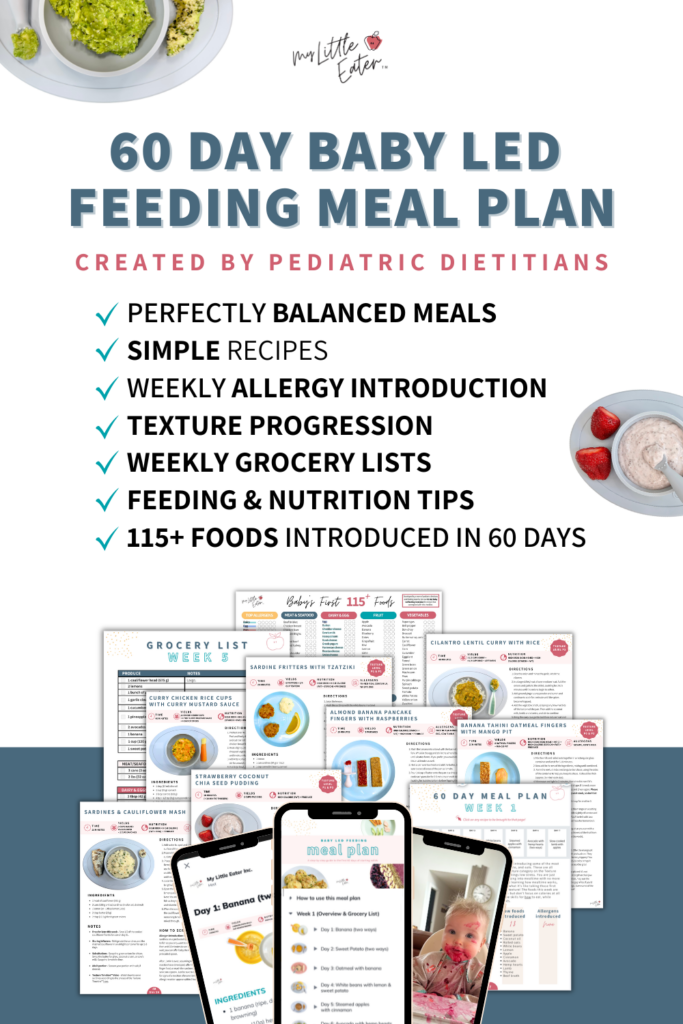
The transition from exclusive milk feeding to the introduction of solid foods marks a critical milestone in infant development, typically occurring around the six-month mark. For parents, this period is often characterized by a convergence of excitement and significant anxiety, fueled by conflicting nutritional advice, concerns over choking hazards, and the logistical challenge of daily meal preparation. To address these stressors, pediatric nutrition experts have developed structured, dietitian-led frameworks—such as the 60-day meal plan—designed to replace parental guesswork with evidence-based guidance. By aligning with updated 2026 allergen introduction protocols and 2024 American Academy of Pediatrics (AAP) guidelines, these structured plans aim to cultivate adventurous eating habits while ensuring nutritional adequacy.

The developmental window between six and nine months is often referred to by nutritionists as the "Flavor Window." During this phase, infants exhibit an increased biological openness to accepting diverse, complex flavor profiles—ranging from the bitterness of cruciferous vegetables to the earthiness of legumes. Pediatric dietitians emphasize that failing to capitalize on this window can inadvertently lead to a "beige food" rut, where infants become accustomed primarily to mild, sweet, or processed carbohydrates. A 60-day structured approach acts as a safeguard against this limitation, ensuring that variety is the default rather than a sporadic occurrence.
The Science of Palate Training and Sensory Development
Palate training is not merely about exposure; it is a neurological process. While human infants are born with an innate preference for sweet tastes—an evolutionary mechanism likely tied to the composition of breast milk—the brain remains highly plastic during the first year of life. Clinical research indicates that it can take upwards of 15 separate exposures to a single food item for an infant to overcome initial neophobia and accept a new flavor.
The 60-day meal plan incorporates this repetition systematically. By moving beyond the "one-and-done" approach, parents can help rewire their child’s expectations of what constitutes a meal. This deliberate, repeated exposure is essential for overriding the infant’s natural drive toward sugar and instead fostering an appreciation for nutrient-dense, savory foods. Furthermore, consistency in the high chair environment helps maintain low cortisol levels in the infant, creating a physiological state conducive to learning and exploration rather than stress-induced refusal.
Chronology of the First 60 Days: From Exploration to Intake
Feeding experts suggest that the first 60 days of solid food introduction should be categorized into two distinct phases, each with specific developmental objectives.
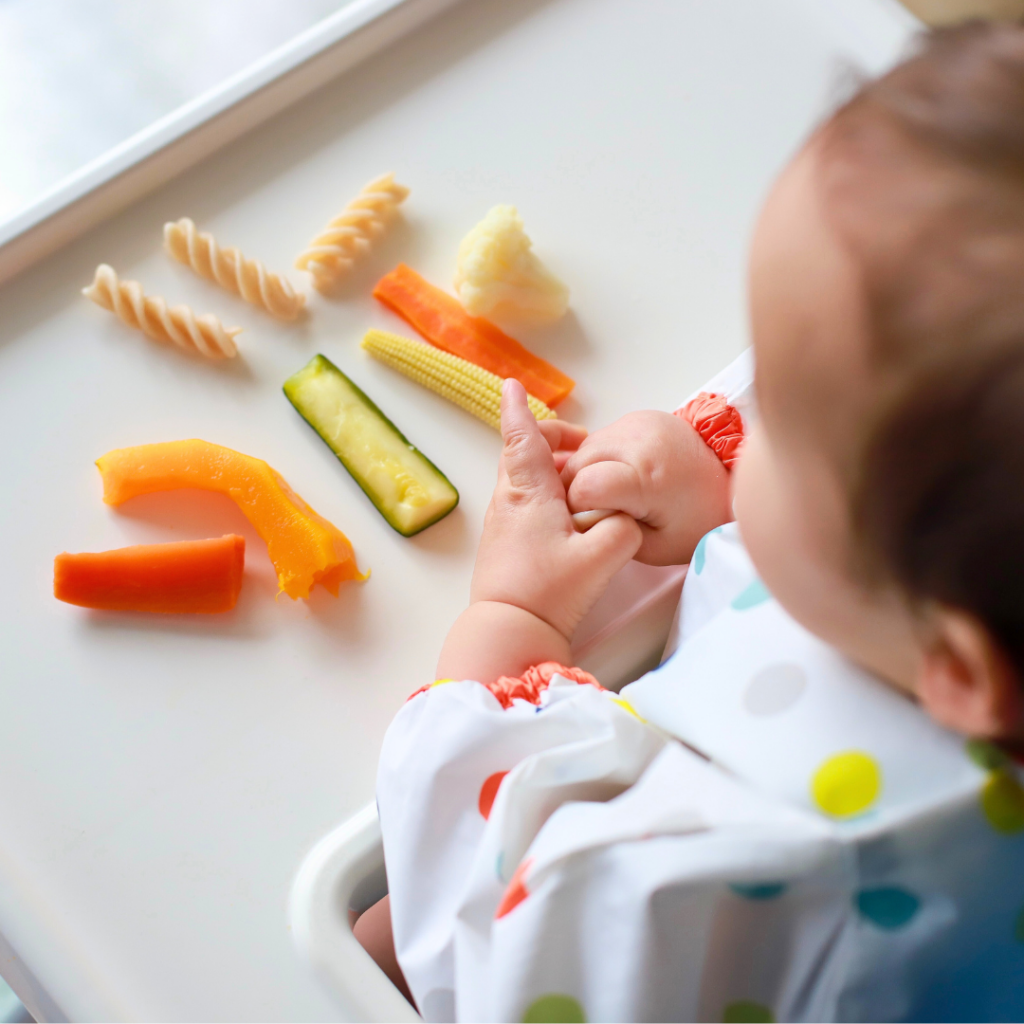
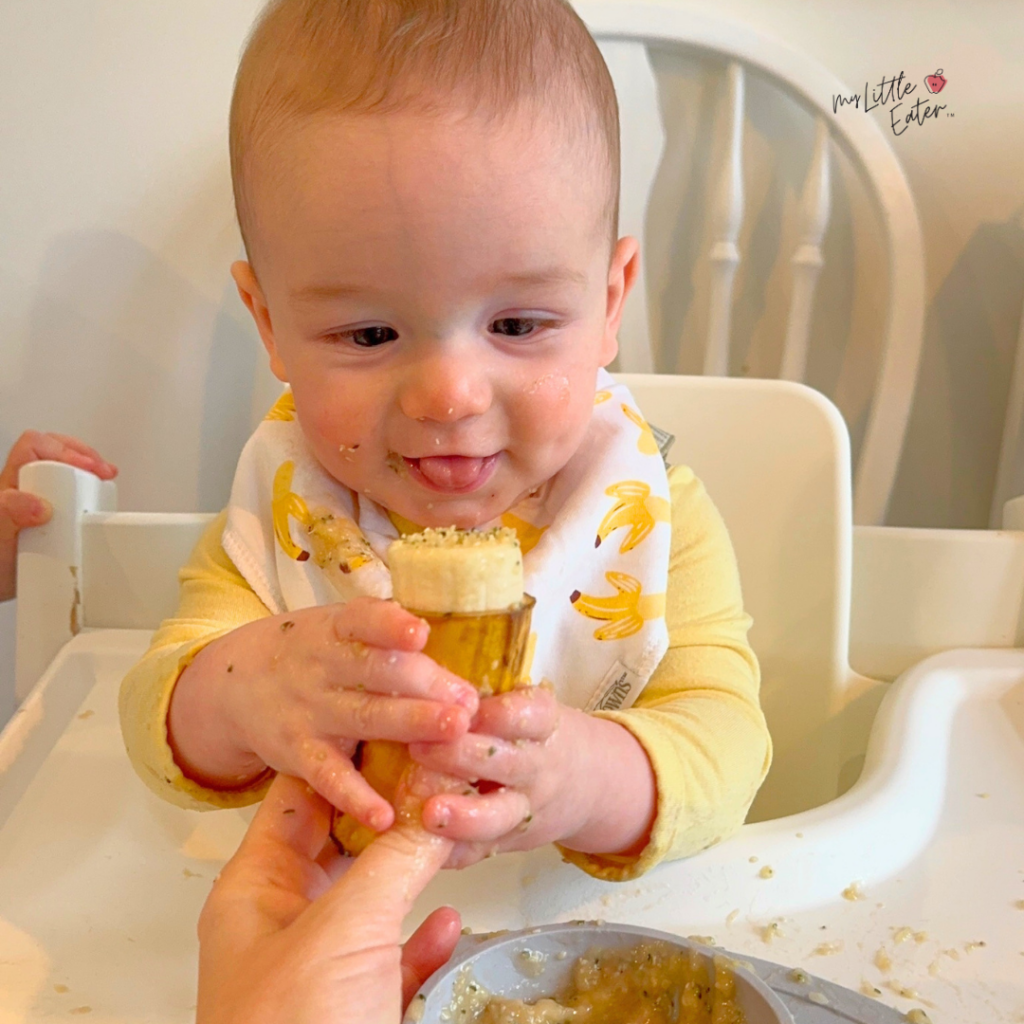
During the initial 30 days, the primary goal is not caloric intake, but sensory and motor development. In this phase, the infant is learning the mechanics of eating: how to grasp food, move it to the mouth, manipulate it with the tongue, and eventually swallow. Success during this period is measured by curiosity and engagement. Parents are advised that most infants at six to seven months require only one to two solid meals daily, and that it is perfectly normal for the vast majority of food to end up on the floor rather than in the stomach.
In the second 30-day phase, the focus shifts toward more consistent intake. With a structured rotation, the objective of introducing over 100 different foods becomes a manageable target. Even during this stage, pediatric dietitians warn against the common myth that parents must wait three to five days between every new food introduction. While this was a traditional practice, current evidence suggests that for infants without a history of severe eczema or known food allergies, a more rapid introduction of diverse, age-appropriate foods is not only safe but recommended.
Navigating the Texture Timeline: Beyond the Puree Debate
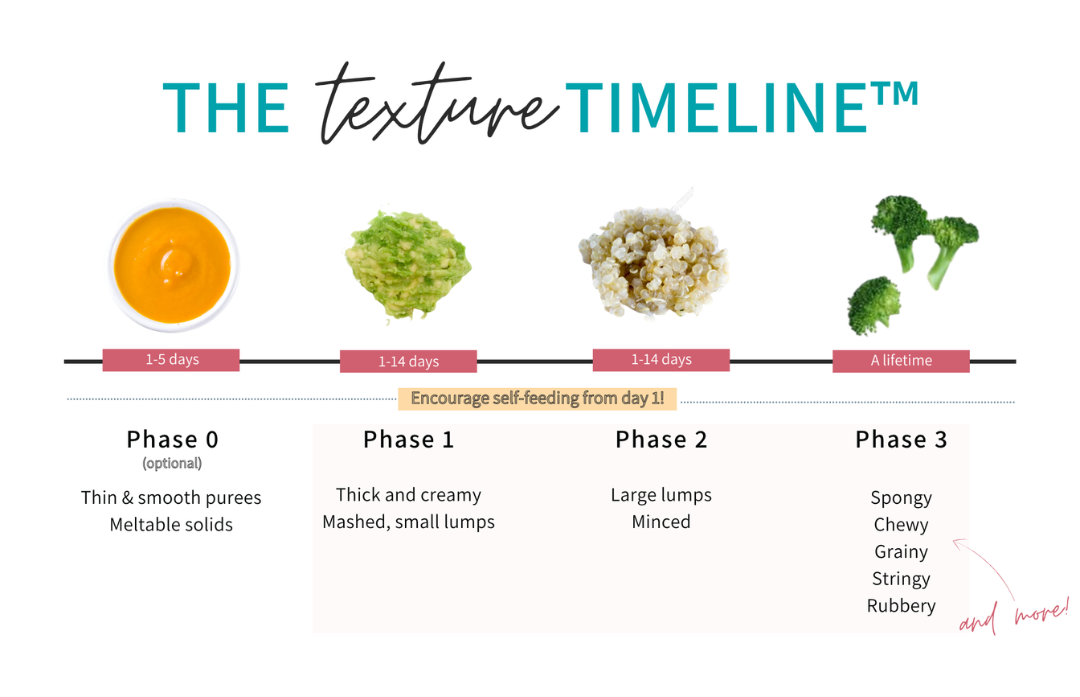
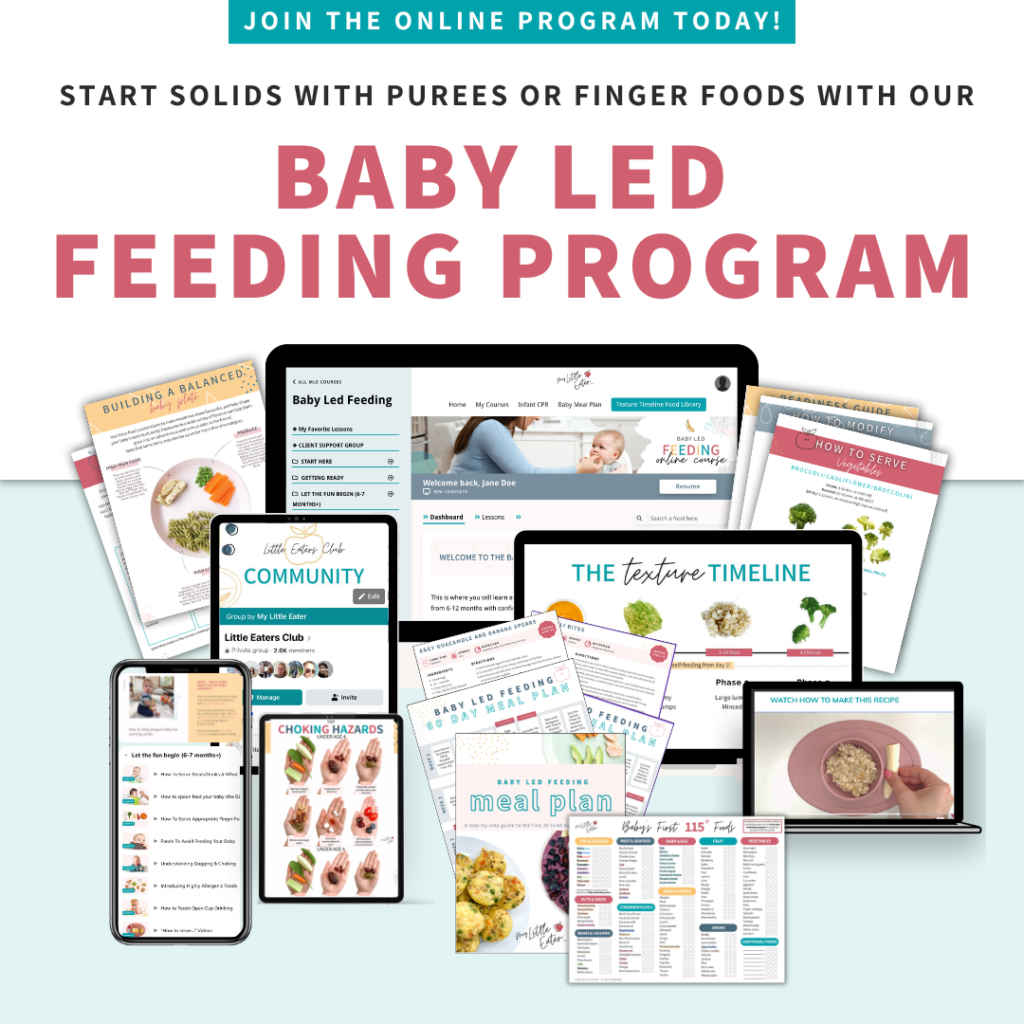
A recurring source of tension in infant feeding is the "all or nothing" debate between traditional spoon-feeding of purees and Baby-Led Weaning (BLW). Pediatric specialists now emphasize that oral motor development is not a binary switch, but a spectrum. The "Texture Timeline" model offers a middle ground, allowing parents to move through phases—from smooth purees to lumpy mashes, and finally to finger foods—that build coordination and confidence.
This progression aligns with Centers for Disease Control and Prevention (CDC) guidelines, which emphasize the importance of introducing a variety of textures by the age of one. By focusing on developmental readiness—such as the ability to sit upright with minimal assistance and display mature head control—parents can safely navigate the transition without skipping vital milestones in oral-motor development.
Addressing Nutritional Priorities: The Iron Imperative
As infants reach the six-month mark, the iron stores acquired during the third trimester of pregnancy begin to deplete rapidly. Iron is essential for cognitive development and oxygen transport, making it the most critical nutrient to prioritize during the introduction of solids.
While breast milk and infant formula continue to provide the bulk of an infant’s daily caloric needs during the first year, they must be supplemented by iron-rich solid foods. Dietitians advocate for the inclusion of meats, fish, and iron-fortified cereals. For plant-based sources of iron—such as beans, lentils, and tofu—the bioavailability is lower. To maximize absorption, these foods should be paired with sources of Vitamin C, such as tomatoes or citrus, which significantly enhance the body’s ability to utilize non-heme iron.

Systematic Allergen Introduction and Preventive Health
The 2026 allergen introduction protocols represent a significant shift from previous decades. Current guidelines from the USDA and Australasian Society of Clinical Immunology and Allergy (ASCIA) strongly support the early introduction of common allergens—including peanuts, eggs, dairy, soy, wheat, tree nuts, fish, shellfish, mustard, and sesame—to prevent the development of food allergies.
The systematic 60-day plan ensures that these allergens are introduced in a controlled, safe manner. It is imperative for parents to distinguish between a genuine allergic reaction, such as hives or vomiting, and a benign contact rash. Acidic foods like tomatoes or citrus often cause a temporary, localized red rash around the mouth, which is a skin sensitivity rather than an immune-mediated allergy. Systematic introduction allows parents to observe these reactions clearly, providing a safety net that is often missing when foods are introduced haphazardly.

The Role of the Parent: The Division of Responsibility
To mitigate mealtime anxiety, many pediatric feeding specialists champion the "Division of Responsibility" model. In this framework, the roles are clearly defined: the parent is responsible for the "what," "where," and "when" of feeding. They choose the menu, the timing, and the environment. The infant is responsible for the "if" and "how much."
By relinquishing control over how much the baby consumes, parents can reduce the pressure that often leads to mealtime power struggles. This approach fosters a positive association with the high chair and encourages the infant to listen to their own internal cues of hunger and satiety. Furthermore, minimizing environmental distractions—such as television or digital devices—allows the infant to focus on the sensory experience of eating, which is foundational for long-term healthy habits.
Managing the Gag Reflex: A Biological Safety Mechanism
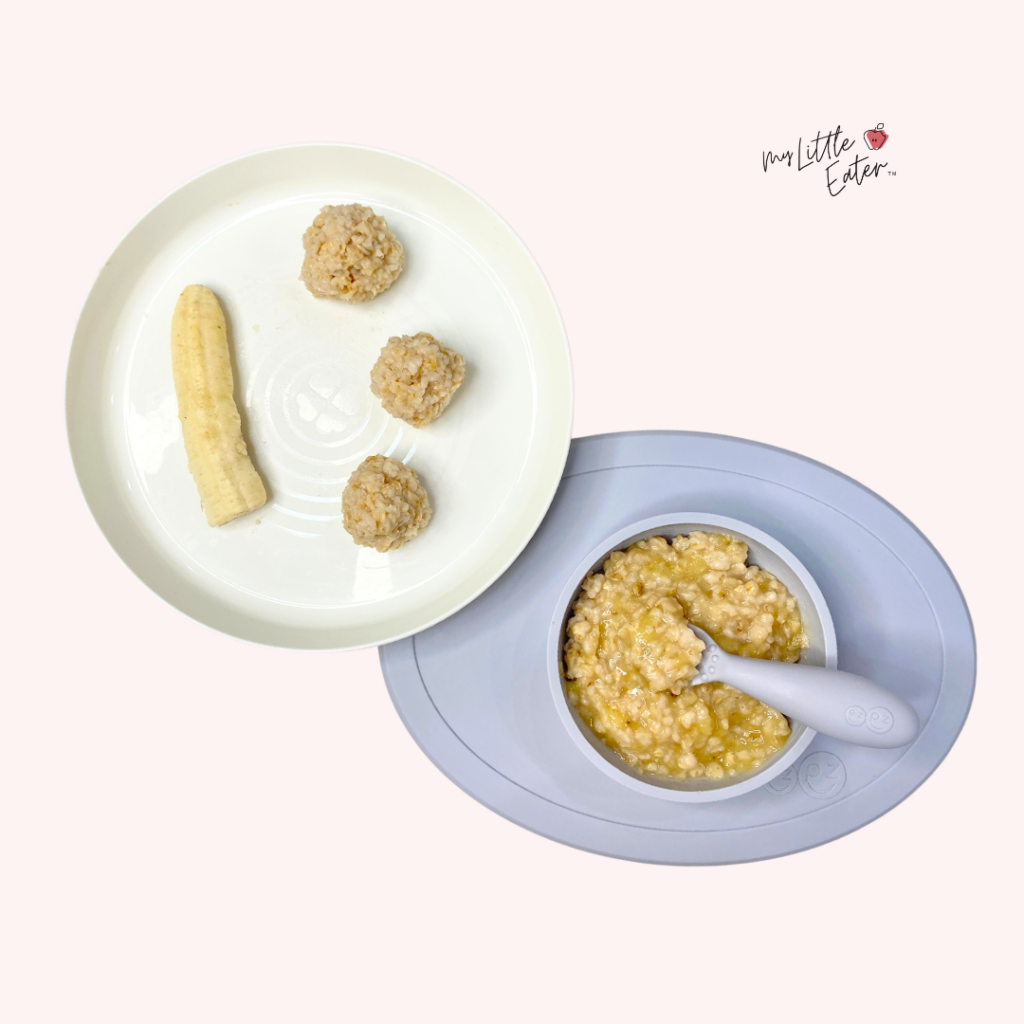
A common cause of panic for parents is the infant’s gag reflex. However, from a clinical perspective, gagging is a built-in safety mechanism, not a sign of choking. In infants, the gag reflex is triggered much further forward on the tongue than in adults, ensuring that food is pushed forward and out of the mouth long before it can reach the airway.
While gagging is a normal part of the learning process, choking remains a genuine risk. Parents must be educated on modifying high-risk foods; for instance, whole grapes and cherry tomatoes must be quartered, and nuts should be served as thin nut butters rather than whole. Foods that present a significant choking hazard, such as popcorn and whole nuts, should be avoided entirely until the child reaches at least four years of age. A calm parental response to gagging is vital, as the infant relies on the parent’s facial expressions to interpret whether a situation is dangerous or merely a novel sensory experience.
The Long-Term Implications of Early Feeding Strategies
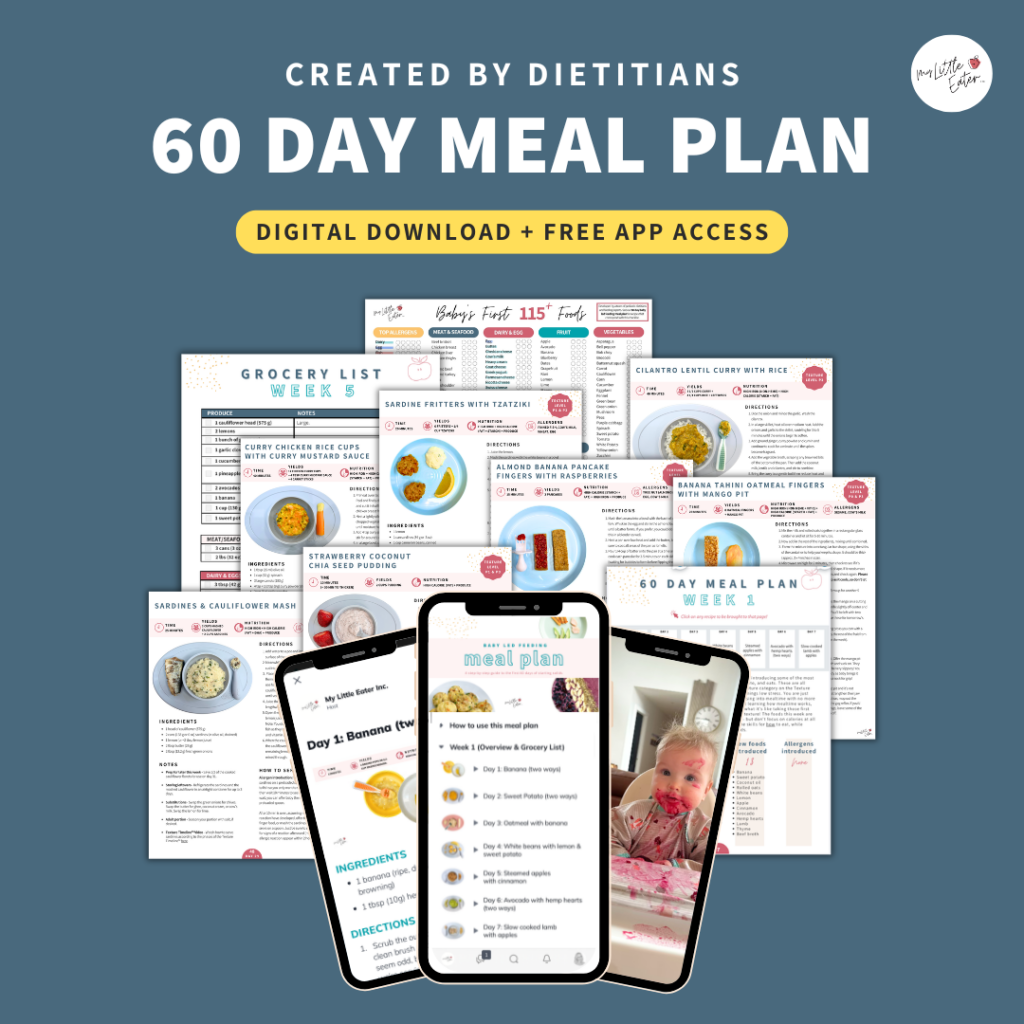
The adoption of a 60-day structured meal plan is not merely a tool for immediate convenience; it is an investment in the child’s lifelong relationship with food. Decision fatigue—the psychological burden caused by the constant need to make minor choices—is a significant contributor to parental burnout. By providing a clear, evidence-based roadmap, these plans allow parents to move from a state of apprehension to one of competence.
The broader implications of this structured approach are far-reaching. By ensuring a diverse intake of over 100 foods within the first two months of starting solids, parents effectively "train" the infant’s palate to accept a wider range of tastes, textures, and nutrients. This early intervention is one of the most effective tools for preventing the onset of picky eating in the toddler years.
As babies approach the 10-month mark, the transition to family-style meals becomes increasingly seamless. The skills developed during the 60-day window—coordination, allergen tolerance, and the ability to accept diverse textures—provide the necessary foundation for a transition to a standard family diet. When parents are equipped with the right tools, education, and support systems, the process of starting solids becomes less about the anxiety of the "first bite" and more about the developmental milestone of establishing a healthy, adventurous, and sustainable approach to nutrition that will last a lifetime.