Elevating the Weeknight Meal: The Culinary Science, Nutritional Profile, and Cultural Evolution of the Grilled Top Sirloin Mediterranean Salad

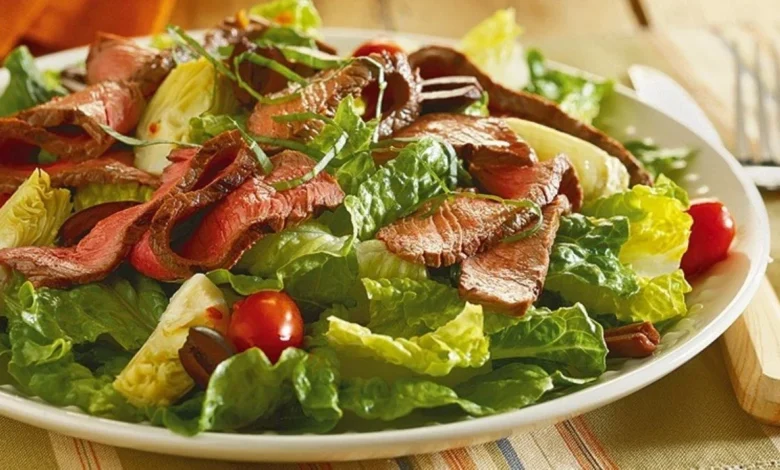
The contemporary culinary landscape is undergoing a notable shift toward meals that balance robust flavor profiles with efficient preparation methods, a trend perfectly exemplified by the growing popularity of integrated steak and salad dishes like the Mediterranean grilled top sirloin salad. As modern consumers increasingly seek out high-protein, nutrient-dense dinners that can be executed in under thirty minutes, home cooks and professional kitchens alike are revisiting versatile cuts of beef such as the top sirloin. Traditionally valued for its rich flavor and adaptability across various cooking techniques—including grilling, broiling, and skillet searing—the top sirloin serves as an ideal centerpiece for vibrant, vegetable-forward dishes. This culinary approach not only aligns with current dietary preferences emphasizing lean proteins and fresh produce, but it also reflects a broader movement within domestic gastronomy to merge the hearty satisfaction of a steak dinner with the lighter, micronutrient-rich composition of a Mediterranean-style salad. The preparation process, which involves seasoning the beef with simple aromatics like garlic and cracked black pepper, cooking it to a precise medium-rare, allowing it to rest for optimal moisture retention, and pairing it with a crisp bed of lettuce, ripe tomatoes, briny olives, and artichoke hearts, represents a masterclass in culinary balance. Furthermore, utilizing the accumulated resting juices from the cutting board as a natural dressing enhancer demonstrates a zero-waste ethos that is gaining traction in sustainable home cooking. By examining the precise chronological steps required for execution, the nutritional data supporting beef and Mediterranean ingredients, the economic factors influencing beef cut selection, and the expert methodologies recommended by culinary institutions, this report provides a comprehensive overview of how a simple weeknight recipe encapsulates broader shifts in modern food culture.
Chronology of Preparation and Execution
Achieving the ideal balance of warmth, texture, and flavor in a steak salad requires a strict adherence to chronological methodology. Culinary timing is particularly critical when combining a hot, freshly cooked protein with a chilled, dressed vegetable base, as thermal shock can wilt greens prematurely if the sequence is mismanaged. The preparation timeline for this dish is carefully structured to ensure that the beef reaches its optimal resting state precisely when the salad components are tossed and plated.
The process begins with the thermal preparation of the cooking apparatus. Whether utilizing an outdoor grill configured for direct cooking or preheating an indoor oven broiler, establishing a consistent, high-heat environment is paramount. This initial phase requires approximately 10 to 15 minutes of active preheating to ensure that the cooking surface can achieve the necessary Maillard reaction—the chemical reaction between amino acids and reducing sugars that gives browned food its distinctive flavor—upon contact with the meat.
During the preheating window, the seasoning protocol is executed. The top sirloin steak is treated with a precise application of garlic and black pepper. Omitting salt at this preliminary stage or applying it immediately prior to cooking is a subject of ongoing culinary debate; however, standard professional practice for top sirloin often involves seasoning just before heat application to draw out surface moisture or seasoning well in advance to allow for dry-brining, depending on the desired crust formation.
The active cooking phase commences once the heat source is stabilized. For a standard-thickness top sirloin, cooking over medium-hot coals or positioned precisely four inches from an indoor broiler element requires a strict timing schedule of approximately four minutes per side. This duration is scientifically calibrated to yield a medium-rare internal temperature of approximately 130 degrees Fahrenheit to 135 degrees Fahrenheit, accounting for residual carryover cooking.
Upon completion of the cooking time, the chronology shifts immediately to the resting phase. The steak is transferred from the heat source to a clean cutting board and loosely tented with aluminum foil. This resting period, mandated to last at least five minutes, is critical. During cooking, muscle fibers contract and force juices toward the center of the cut. Allowing the meat to rest permits these muscle fibers to relax and reabsorb the moisture throughout the steak, preventing the loss of flavorful juices when the meat is eventually sliced.
While the steak rests, the operational focus pivots to the salad assembly. A large mixing bowl is utilized to combine the lettuce, tomatoes, olives, and artichoke hearts. The dressing is introduced at this exact juncture, and the mixture is tossed thoroughly to ensure even coating without saturating the greens to the point of structural collapse. The dressed salad is then portioned onto four individual serving plates.
The final chronological phase involves the integration of the warm protein and the cold base. The rested steak is sliced crosswise into thin strips against the grain—a mechanical action that shortens the muscle fibers for enhanced tenderness. These slices are arranged artfully over the prepared salads. To maximize flavor retention, the accumulated juices resting on the cutting board are drizzled directly over the sliced steak, followed by a final botanical garnish of fresh basil. This precise sequence ensures that the dish is served at the ideal temperature profile, maximizing both textural contrast and flavor synergy.
Nutritional Profile and Dietary Implications
From a nutritional standpoint, the combination of top sirloin beef and a Mediterranean vegetable assortment offers a comprehensive array of macronutrients and micronutrients that support various dietary frameworks, ranging from low-carbohydrate regimens to balanced Mediterranean eating patterns. Beef top sirloin is classified as a lean cut by the United States Department of Agriculture, meaning a 3-serving (3-ounce) portion typically contains less than 10 grams of total fat, 4.5 grams or less of saturated fat, and more than 60 milligrams of cholesterol.
Simultaneously, top sirloin is an exceptional source of complete high-biological-value protein, providing all nine essential amino acids necessary for muscle repair, immune function, and metabolic regulation. A standard serving supplies approximately 25 grams of protein, alongside significant quantities of essential micronutrients including vitamin B12, zinc, iron, and selenium. Vitamin B12 is crucial for neurological function and red blood cell formation, while heme iron—the form of iron found in red meat—is absorbed by the human body much more efficiently than non-heme iron found in plant sources.
The Mediterranean component of the dish introduces a powerful counter-balance of heart-healthy monounsaturated fats, dietary fiber, and antioxidant compounds. Lettuce provides hydration and low-calorie bulk, while tomatoes contribute substantial levels of lycopene, a carotenoid associated with reduced risks of cardiovascular disease and certain cancers. Lycopene bioavailability is notably enhanced when tomatoes are consumed alongside dietary fats, such as the olive oil typically found in Mediterranean dressings and the natural lipids present in olives.
Furthermore, olives and artichoke hearts enrich the nutritional matrix with polyphenols and dietary fiber. Artichokes are recognized for containing inulin, a type of prebiotic fiber that feeds beneficial gut microbiota, thereby supporting gastrointestinal health. The incorporation of fresh basil adds volatile oils, such as eugenol, which exhibit anti-inflammatory and antimicrobial properties. When evaluated collectively, this dish aligns closely with nutritional guidelines recommended by organizations such as the American Heart Association and the Mediterranean Diet Roundtable, which advocate for diets rich in colorful vegetables, healthy fats, and moderate portions of lean, unrefined proteins.
Economic Factors and Beef Cut Versatility
The selection of beef top sirloin for this culinary application is informed by significant economic and functional considerations within the meat industry. As consumer price indices for beef have fluctuated due to shifts in cattle inventory, feed costs, and processing logistics, home cooks and culinary professionals have increasingly sought cuts that offer an optimal intersection of affordability, flavor, and culinary flexibility.
Top sirloin, harvested from the subprimal loin area of the steer, occupies a strategic position in the beef market hierarchy. While premium cuts such as the ribeye or tenderloin command significantly higher per-pound prices due to their high marbling and tenderness profiles, the top sirloin provides a leaner, more cost-effective alternative without sacrificing rich beef flavor. Its natural versatility allows it to perform exceptionally well across multiple cooking methods, as noted by culinary experts: it can withstand the high-heat sear of an outdoor charcoal grill, the radiant overhead heat of a kitchen broiler, or the steady, controlled heat of a heavy-bottomed cast-iron skillet.
This adaptability makes the top sirloin a staple ingredient for meal planning and inventory management in both domestic and commercial kitchens. Retail market data indicates that top sirloin consistently ranks among the top preferred cuts for consumers looking to incorporate beef into quick-cooking, weeknight meals. Its muscular grain structure, while slightly firmer than a tenderloin, responds exceptionally well to proper slicing techniques—specifically cutting across the grain—and chemical or mechanical tenderization when necessary.
Moreover, the utilization of the entire cut within a multi-component dish like a salad maximizes its economic value. By stretching a single protein source across four distinct servings when paired with nutrient-dense vegetables, households can optimize their grocery budgets while maintaining high nutritional standards. This economic efficiency, combined with the minimal equipment required for preparation—standard kitchen knives, cutting boards, a mixing bowl, and a basic heat source—underscores why top sirloin remains a foundational element of contemporary home economics and culinary education.
Culinary Science and Expert Methodology
Executing this recipe successfully relies on foundational principles of culinary science, particularly regarding meat resting, temperature management, and moisture conservation. Culinary institutions and food science researchers have extensively documented the physical changes that occur within meat proteins during the cooking and resting cycles.
When raw beef is subjected to high heat, the muscle proteins—primarily actin and myosin—begin to denature and coagulate, tightening and squeezing out water within the cellular matrix. This process is temperature-dependent. At medium-rare temperatures (130°F–135°F), the muscle fibers have contracted sufficiently to firm the meat while retaining a significant portion of its internal moisture. If the steak is sliced immediately upon removal from the heat source, the internal pressure generated by the heat forces the released moisture to run out onto the cutting board, resulting in a drier texture.
To counteract this moisture loss, the protocol dictates tenting the steak with aluminum foil and allowing it to rest for a minimum of five minutes. The aluminum foil acts as a thermal barrier, slowing down heat loss while the internal temperature stabilizes and redistributes. During this resting phase, the contracting muscle fibers relax slightly, allowing the expelled moisture to be reabsorbed more uniformly throughout the cut.
Professional kitchen management standards also emphasize the importance of tool selection during the cooking and resting phases. As highlighted in culinary guidelines, utilizing a spatula or tongs rather than a piercing fork is essential. Puncturing the meat with a fork creates channels through which internal juices can escape prematurely, negating the moisture-retention benefits of proper resting and cooking techniques. Tongs and spatulas maintain the integrity of the muscle membrane, ensuring that the juices remain trapped inside until the meat is intentionally sliced.
Furthermore, the practice of collecting and utilizing the resting juices from the cutting board represents an application of flavor concentration. These accumulated juices are not waste water; they are a flavorful emulsion of melted intramyuscular fats, blood proteins, and natural beef broths infused with the applied garlic and black pepper. Drizzling these juices over the sliced steak just before serving reintegrates this rich savory component (often referred to in professional gastronomy as jus) back into the dish, enhancing both mouthfeel and aromatic complexity.
Broader Impact and Societal Implications
The enduring popularity of steak and salad combinations reflects broader sociological and lifestyle trends influencing how modern populations approach food preparation, wellness, and domestic time management. In an era characterized by accelerated work schedules and digital connectivity, the demand for streamlined, efficient culinary solutions has never been higher. Meals that require minimal preparation time—typically defined as under 30 minutes from inception to plating—are increasingly prioritized by households seeking to balance nutritional requirements with time constraints.
At the same time, the cultural shift toward mindful eating has elevated the status of home-cooked meals that emulate restaurant-quality presentations. The visual appeal of thinly sliced top sirloin arranged over a vibrant Mediterranean salad satisfies the modern desire for aesthetically engaging, Instagram-worthy food culture without requiring advanced culinary degrees or specialized commercial equipment. This democratization of gourmet techniques empowers home cooks to experiment with flavor pairings, such as the synthesis of warm savory beef with acidic, briny olives, crisp lettuce, and earthy artichoke hearts.
From a public health perspective, the promotion of vegetable-forward meals that incorporate lean proteins supports ongoing educational initiatives aimed at reducing the prevalence of diet-related chronic conditions. By framing meat not as the singular monolithic component of a plate, but rather as a flavorful component integrated within a larger matrix of fiber-rich vegetables, healthy fats, and fresh herbs, contemporary recipes encourage balanced dietary patterns. This compositional strategy aligns with recommendations from nutritional scientists who advocate for dietary moderation, diverse micronutrient intake, and the reduction of heavily processed convenience foods in favor of whole, fresh ingredients.
In conclusion, the preparation of a grilled top sirloin Mediterranean salad transcends the execution of a simple recipe. It represents a convergence of precise chronological timing, sound nutritional science, economic resourcefulness, and cultural preferences for efficient, high-quality dining. By understanding the underlying mechanisms of heat transfer, protein resting, and flavor balancing, home cooks can consistently produce meals that satisfy both nutritional and gastronomic demands, demonstrating that simplicity and sophistication are not mutually exclusive in the modern kitchen.