19 Healthy and Family-Friendly Thanksgiving Side Dishes to Elevate Your Holiday Table

As the autumn season peaks and households across North America prepare for the annual Thanksgiving holiday, culinary planning shifts heavily
toward the dining table, where side dishes frequently steal the spotlight from the traditional roasted turkey. Culinary experts, nutritionists, and home economists emphasize that a successful holiday spread relies on a balanced interplay of flavors, textures, and nutritional profiles. To assist hosts in navigating the complexities of holiday meal preparation, a comprehensive curated collection of 19 healthy, easy-to-prepare, and family-friendly Thanksgiving side dishes has been released. This guide addresses the perennial challenge of catering to diverse dietary preferences, managing kitchen logistics, and enticing younger palates without sacrificing traditional holiday nostalgia.
The Evolution of the Modern Thanksgiving Menu

Historically, the Thanksgiving table was defined by heavy, calorie-dense comfort foods that required hours of meticulous labor on the morning of the holiday. However, modern dietary trends and shifting domestic schedules have prompted a culinary evolution. Contemporary hosts increasingly seek recipes that reduce kitchen stress through make-ahead strategies and slow-cooker applications while incorporating nutrient-dense ingredients such as Greek yogurt, whole grains, fresh vegetables, and natural sweeteners like maple syrup and honey.
Data from consumer food trends indicate that over 65% of holiday hosts actively attempt to incorporate healthier, vegetable-forward dishes into their Thanksgiving menus alongside traditional favorites. Culinary professionals note that this shift does not require abandoning beloved classics; rather, it encourages intelligent ingredient substitutions and innovative preparations that elevate the nutritional value of the meal.

Categorized Culinary Highlights for Every Holiday Table
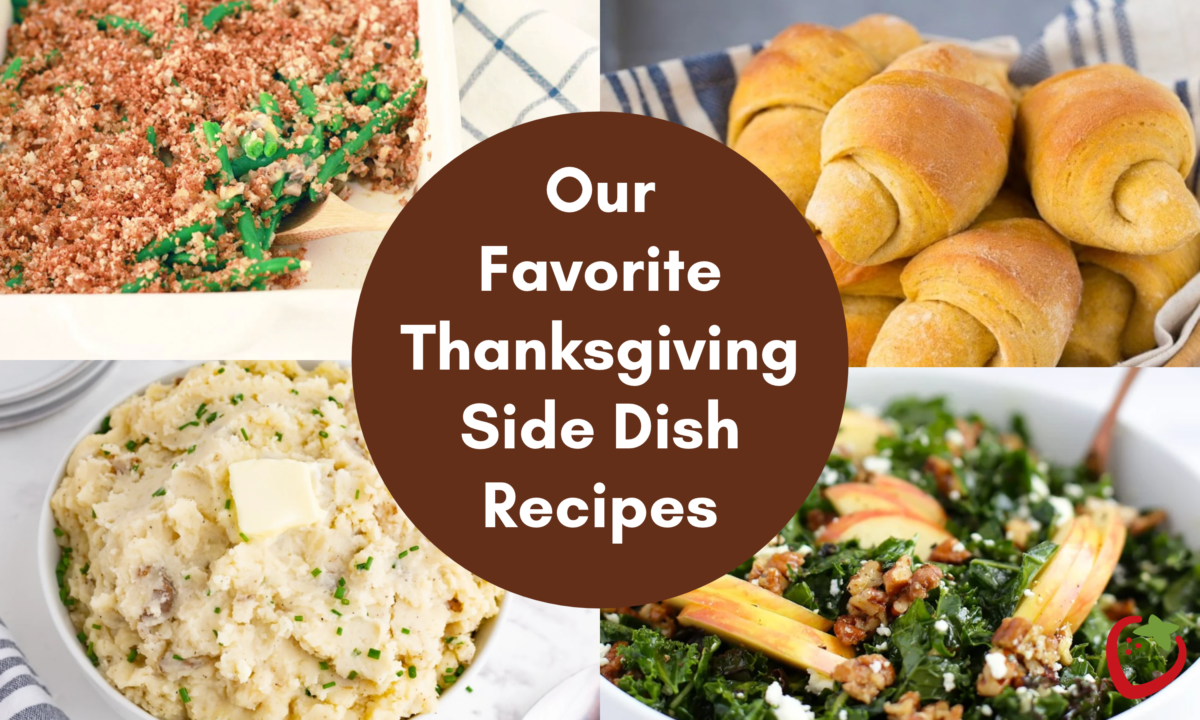
The newly compiled collection of 19 side dishes is strategically divided into distinct categories to help planners achieve a well-rounded menu: traditional comforts, vegetable sides, fresh salads, cranberry accompaniments, and artisanal breads and rolls.
Traditional Comforts with a Lighter Touch
The collection begins with time-honored classics reimagined for modern kitchens. The Homemade Stuffing utilizes hearty sourdough bread, savory sausage, and finely chopped vegetables that blend seamlessly into the dish, ensuring that children and texture-sensitive guests enjoy the flavors without being overwhelmed by large pieces of onion or celery.

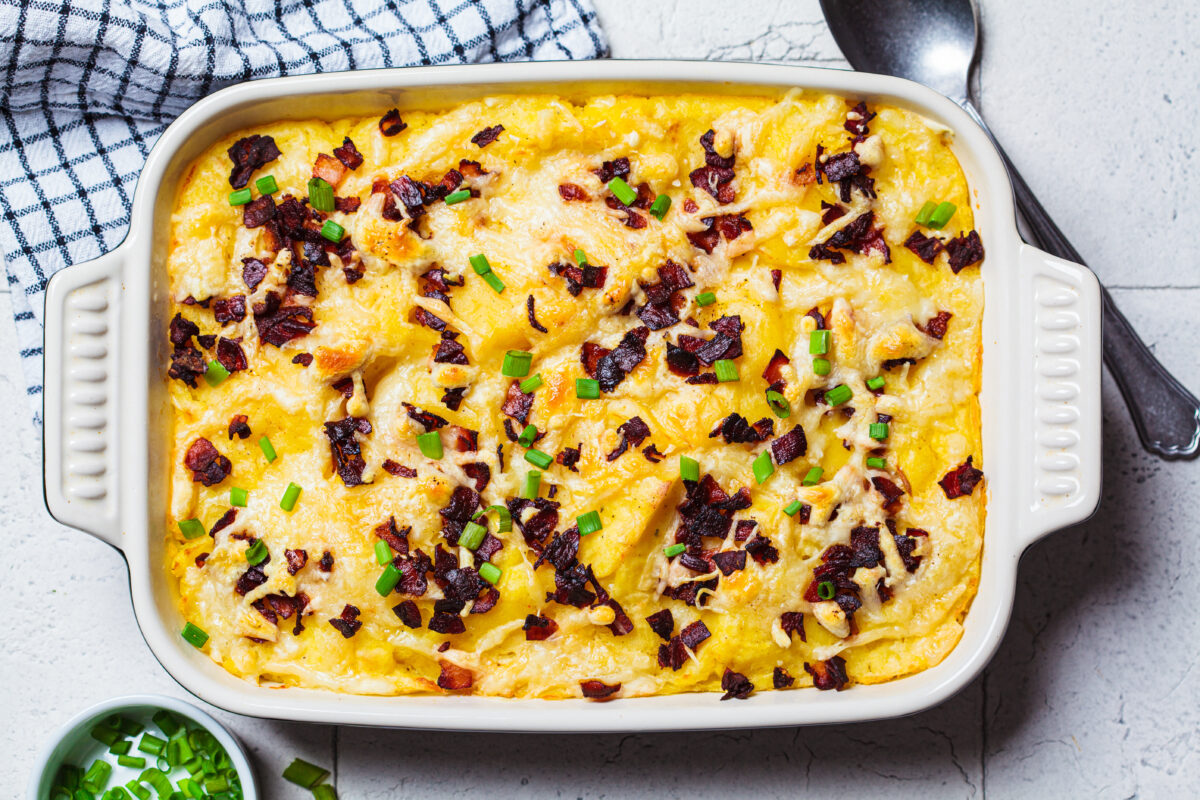
Potato dishes remain a mandatory cornerstone of the Thanksgiving meal. The Easy Crockpot Mashed Potatoes utilize a slow cooker and Greek yogurt for extra creaminess, a technique that successfully frees up critical stovetop burner space while keeping the potatoes warm until serving time. For cheese lovers, the Twice Baked Potato Casserole combines fluffy potatoes, cheddar cheese, crispy bacon, and green onions into a make-ahead-friendly bake.
Sweet potato enthusiasts are offered two distinct pathways: a Sweet Potato Casserole topped with a crunchy pecan and oat crumble sweetened lightly with maple syrup, and Easy Candied Sweet Potatoes baked from scratch with brown sugar and warm spices, deliberately bypassing processed canned alternatives.

Vegetable-Forward Innovations
To counteract the richness of heavy meats and starches, the guide highlights several vibrant vegetable dishes designed to appeal to both adults and children. The Fresh Green Bean Casserole replaces canned soups with a lighter, vegetable-forward preparation while retaining the comforting textures of the original.

Carrots and squash receive gourmet treatments through Maple Roasted Carrots, which caramelize in a glaze of garlic, butter, and herbs, and Honey Roasted Butternut Squash, which enhances the vegetable’s natural sweetness. For adventurous palates, Roasted Cauliflower with Bacon and Pomegranate combines savory notes with the bright, acidic pop of pomegranate arils, creating a visually striking dish that enhances table aesthetics.
Salads, Grains, and Tart Accompaniments
Introducing acidity and crunch is essential for breaking up the heavy fats typically present in a holiday feast. The Holiday Spinach Salad features tender spinach, crisp apples, pomegranate seeds, feta cheese, and candied pecans tied together with an apple vinaigrette. Similarly, the Wild Rice Salad with Pear and Maple Vinaigrette offers a nutrient-dense, earthy profile combining nutty wild rice, sweet pears, dried cranberries, and walnuts.
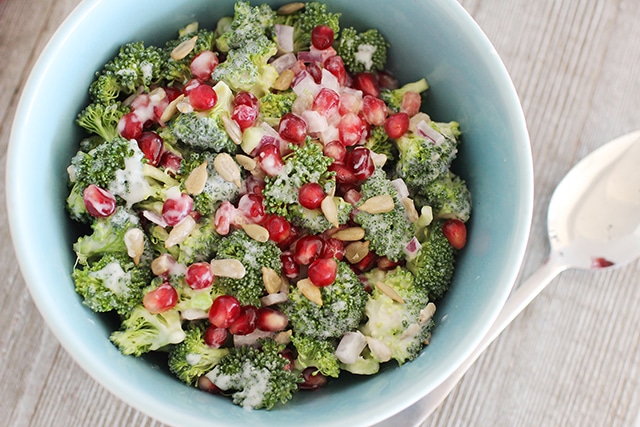
The collection also features a 15-minute Holiday Broccoli Salad utilizing a creamy yogurt dressing, alongside an Easy Homemade Cranberry Sauce that pairs fresh citrus and warm spices to deliver a superior balance of tart and sweet flavors compared to commercial canned varieties.

Breads, Rolls, and Cornbreads
No holiday spread is complete without baked goods designed to absorb savory gravies. Quick and Easy Homemade Dinner Rolls provide a fluffy, golden addition made from basic pantry staples. Meanwhile, the Cornbread Casserole and Sweet Potato Crescent Rolls offer inventive twists on traditional bread baskets, providing comforting textures that consistently rank as favorites among younger diners.

Strategic Kitchen Logistics: The Make-Ahead Timeline
A primary source of anxiety for holiday hosts is the chaotic timeline of Thanksgiving Day cooking. Food safety and culinary experts strongly advocate for a phased preparation schedule to mitigate stress and ensure food quality.

Two to three days before Thanksgiving, hosts can complete the initial grocery shopping, wash and chop hardy vegetables, and prepare homemade cranberry sauce, which stores exceptionally well in the refrigerator.
The day before Thanksgiving serves as the crucial preparation window. During this phase, hosts can assemble casseroles—such as the sweet potato casserole, green bean casserole, and twice-baked potato dishes—cover them, and refrigerate them unbaked. Salad dressings can be whisked and stored in airtight containers, and dry ingredients for baking can be measured out.

On Thanksgiving Day, the focus shifts to baking assembled casseroles, roasting fresh vegetables, and utilizing appliances like slow cookers for mashed potatoes to maintain optimal temperatures without demanding active kitchen supervision.
Addressing Picky Eaters and Promoting Dietary Balance

Catering to children during large family gatherings often presents a significant hurdle. Nutrition experts advise against preparing completely separate meals for selective eaters, as this can discourage culinary exploration. Instead, hosts should anchor the menu with familiar comfort foods—such as mashed potatoes, mac and cheese, rolls, and sweet potatoes—while discreetly introducing new flavors alongside them.
Allowing children to participate in age-appropriate kitchen tasks, such as washing produce or arranging garnishes, significantly increases their willingness to taste the final dishes. Furthermore, experts emphasize that holiday meals should remain a positive social experience; if a child chooses to eat only dinner rolls and mashed potatoes during a single meal, it represents a normal developmental phase rather than a nutritional crisis.

Economic and Social Implications of Modern Holiday Planning
As grocery prices fluctuate due to broader economic pressures, the emphasis on versatile, scratch-made side dishes has financial implications for households. Utilizing foundational, budget-friendly ingredients like potatoes, carrots, squash, and grains allows families to host memorable gatherings without incurring excessive expenses associated with specialty imported items or pre-packaged convenience foods.
Moreover, the cultural significance of Thanksgiving continues to evolve. By integrating vegetable-forward dishes and accommodating diverse dietary requirements—such as vegetarian, low-sugar, or nutrient-dense options—modern hosts ensure that holiday traditions remain relevant, inclusive, and health-conscious.
Ultimately, culinary historians and nutritionists agree that the enduring success of Thanksgiving lies not in culinary perfection, but in the communal experience of sharing thoughtfully prepared food. By strategically planning menus, incorporating make-ahead efficiencies, and balancing rich traditional flavors with fresh, vibrant side dishes, hosts can create an inclusive and memorable holiday celebration for guests of all ages.