Fueling the Growth Spurt: A Registered Dietitian’s Guide to 30+ Protein-Rich Snacks for Teenagers


The phenomenon known colloquially as the "second dinner" is a familiar ritual in households with teenagers. Whether it manifests as a late-night kitchen raid resulting in a collection of unwashed dishes or a substantial peanut butter and jelly sandwich consumed mere moments after a hearty evening meal, adolescent hunger is relentless. This perpetual appetite is not merely a behavioral phase, but a physiological necessity driven by one of the most rapid developmental periods in the human lifecycle. During adolescence, the body undergoes profound structural changes, skeletal expansion, and hormonal shifts that demand a steady and substantial supply of nutritional fuel, with protein playing a critical role in tissue repair, muscle development, and overall growth.
While societal messaging around nutrition often fixates on extreme macronutrient tracking—popularized by fitness influencers on social media platforms like TikTok—dietetic professionals emphasize a more balanced approach for adolescents. Most teenagers already consume adequate protein to meet basic biological functions through a standard, varied diet. However, the unique energy demands of growing teens, particularly those engaged in rigorous athletic programs, require strategic nourishment. Protein acts as a powerful satiety-inducing macronutrient, making protein-rich snacks an effective tool for sustaining energy levels between meals compared to refined, carbohydrate-heavy alternatives.
Nutritional Requirements and Baseline Data
Understanding the baseline nutritional needs of adolescents is essential for parents navigating the constant demand for food. According to the Recommended Dietary Allowances (RDA) established for basic health and development, minimum protein requirements vary by age and gender. For younger adolescents aged 9 to 13, the daily minimum is set at approximately 34 grams. For older teenagers, the requirements shift based on biological sex: adolescent females aged 14 to 18 generally require a minimum of 46 grams daily, while adolescent males in the same age bracket need approximately 52 grams daily to support their changing body mass.
Data collected from national nutritional surveys, including the National Health and Nutrition Examination Survey (NHANES) administered by the Centers for Disease Control and Prevention (CDC), indicate that the vast majority of teenagers comfortably exceed these baseline minimums through everyday dietary intake. On average, adolescent males consume roughly 86 grams of protein per day, while adolescent females average approximately 62 grams. These figures demonstrate that overt protein deficiency is rare among healthy teenagers eating a standard, diverse diet.

Exceptions to this trend typically arise among adolescents undergoing restrictive dieting or extreme calorie reduction for weight management or aesthetic purposes, particularly adolescent female athletes. In such instances, consulting a pediatrician or a registered dietitian is strongly advised to prevent nutritional shortfalls that could impair bone density, hormonal regulation, and overall growth.
The Whole-Foods Approach vs. Supplementation Trends
In an era dominated by commercial protein bars, specialized shakes, and isolate powders, nutritional experts advocate for centering adolescent diets around whole foods. Whole-food protein sources—such as Greek yogurt, eggs, poultry, legumes, nuts, and dairy—offer a comprehensive nutritional package that heavily isolated supplements lack. These foods naturally deliver essential micronutrients critical during the adolescent years, including calcium for skeletal mineralization, iron for oxygen transport and cognitive function, and dietary fiber for gastrointestinal health.
Protein powders and specialized supplements, while convenient, often contain long ingredient lists featuring artificial sweeteners, thickeners, or herbal extracts that may not be thoroughly evaluated for developing adolescent bodies. Furthermore, excessive protein supplementation can pose physiological challenges. The human body has a finite capacity to utilize protein for muscle synthesis within a given timeframe—typically estimated at approximately 25 to 30 grams per sitting. Any excess dietary protein is not automatically converted into muscle mass; rather, it is metabolized for energy or stored as adipose tissue, while high concentrations of protein supplements can place unnecessary strain on the kidneys and lead to dehydration if fluid intake is insufficient.
For teenagers who choose to incorporate protein powders—such as student-athletes with exceptionally high caloric demands—dietitians recommend selecting products with minimal ingredient transparency, avoiding non-nutritive sweeteners like stevia or sucralose when possible, and utilizing fractional serving sizes rather than full scoops to align with actual physiological needs.
Practical Snack Categories Grounded in Real Foods

To assist parents in stocking kitchens efficiently without resorting to expensive, highly processed products, nutritionists categorize snack options based on their approximate protein content derived from United States Department of Agriculture (USDA) food databases.
Snacks Providing 5 to 9 Grams of Protein
These lighter options are ideal for an immediate after-school bridge between lunch and dinner, offering a modest protein boost alongside other vital nutrients.
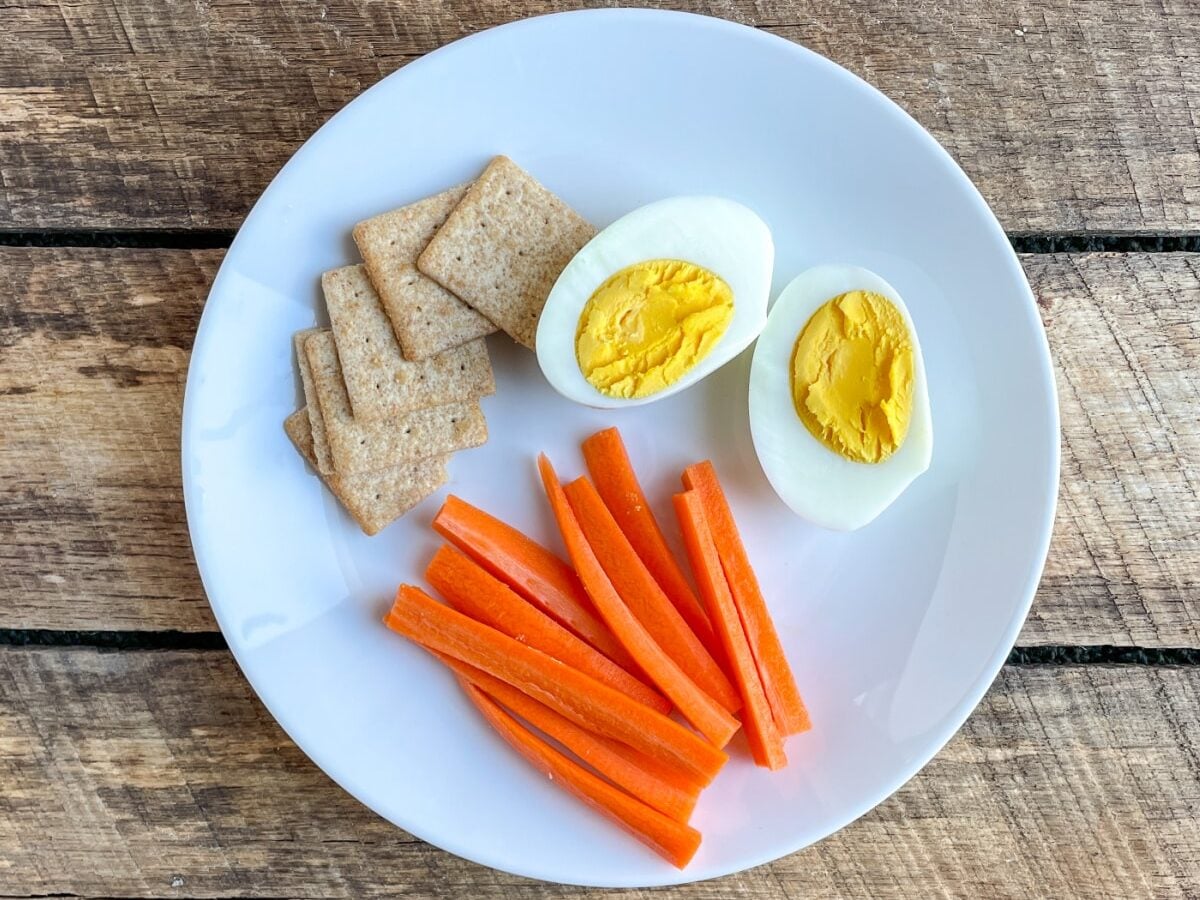
- A single hard-boiled egg paired with a small piece of fruit.
- A standard container of regular yogurt or a small portion of cottage cheese.
- A handful of mixed nuts or sunflower seeds.
- Whole-grain toast spread with a tablespoon of peanut or almond butter.
Snacks Providing 10 to 15 Grams of Protein
Suited for teens experiencing moderate hunger or participating in light physical activity, these snacks provide a more substantial holding power.
- A single-serving cup of Greek yogurt, which naturally contains higher protein concentrations than traditional yogurt.
- String cheese paired with whole-grain crackers and turkey slices.
- Edamame pods, either steamed or roasted, which also provide a significant amount of plant-based fiber.
- A small homemade smoothie crafted with milk, fruit, and a modest spoonful of nut butter.
High-Protein Snacks Providing 15 to 20 Grams of Protein
These options serve active adolescents, providing substantial macronutrients to aid in recovery after physical exertion.
- A pouch of tuna or wild salmon served on whole-grain crackers.
- Cottage cheese topped with fresh berries and chopped walnuts.
- Whole-grain waffles or pancakes engineered with ingredients like Greek yogurt or oats to enhance protein density.
- Rolled deli turkey slices wrapped around cheese sticks.
High-Protein Snacks Providing 20 to 30 Grams of Protein
Designed for high-output teen athletes or growth spurts requiring dense caloric and protein intake, these combinations approach the threshold of what the body can effectively utilize in a single feeding window.
- Protein-boosted smoothie bowls incorporating milk, Greek yogurt, and a half-serving of clean protein powder.
- Grain bowls featuring a base of quinoa, topped with black beans, roasted chicken, and cheese.
- Lentil or chickpea-based pasta dishes served with a protein-rich meat or dairy sauce.
Special Considerations for Teen Athletes
Adolescents involved in competitive sports, endurance training, or heavy resistance exercise have elevated nutritional requirements compared to their sedentary peers. Sports dietitians generally estimate that teen athletes require approximately 0.8 to 0.9 grams of protein per pound of body weight to support muscle recovery and adaptation. For a 130-pound adolescent athlete, this translates to roughly 104 to 117 grams of daily protein.
Timing and distribution are critical factors for athletic performance. Rather than consuming the majority of daily protein in one or two heavy meals, research supports spacing protein intake evenly across meals and snacks throughout the day. Furthermore, post-exercise recovery is optimized by combining protein with carbohydrates within a one-to-two-hour window following physical activity. Effective recovery combinations include chocolate milk, Greek yogurt with fruit, or whole-grain cereal with dairy or soy milk, which simultaneously replenish depleted glycogen stores and supply amino acids for muscular repair.
Addressing Dietary Diversity and Plant-Based Nutrition
As cultural and personal preferences shift toward plant-forward diets, a growing number of teenagers are choosing vegetarian or vegan lifestyles. Parents often express concern regarding whether plant-based diets can adequately support the high demands of adolescent development. Nutritional science confirms that plant-based teens can meet all their protein and micronutrient needs, provided their diets are carefully planned.
Non-meat sources of high-quality protein include dairy products, eggs, legumes (such as lentils, black beans, and chickpeas), soy-based foods (including tofu, tempeh, and edamame), whole grains (such as quinoa, farro, and oats), and seeds. Ensuring a varied intake of these foods throughout the day allows vegetarian and vegan adolescents to obtain all essential amino acids necessary for optimal growth and athletic performance.
Kitchen Strategy and Long-Term Implications

The practical reality of feeding teenagers is rooted in accessibility. Adolescents are statistically more likely to consume nutritious foods when they require minimal preparation time. Establishing an efficient kitchen environment involves keeping grab-and-go protein sources prominently displayed and easily accessible at eye level in refrigerators and pantries. Pre-portioned containers of Greek yogurt, hard-boiled eggs, cheese sticks, washed edamame, and pre-cooked proteins eliminate friction between hunger and consumption.
Ultimately, navigating adolescent nutrition does not require rigid tracking or reliance on expensive fitness supplements. By focusing on whole, nutrient-dense foods distributed strategically throughout the day, parents can adequately fuel the remarkable physical transformations of the teenage years while fostering sustainable, lifelong healthy eating habits.