The Ultimate Guide to Preparing a Twenty-Minute Garlic Chicken Pasta for Weeknight Dining

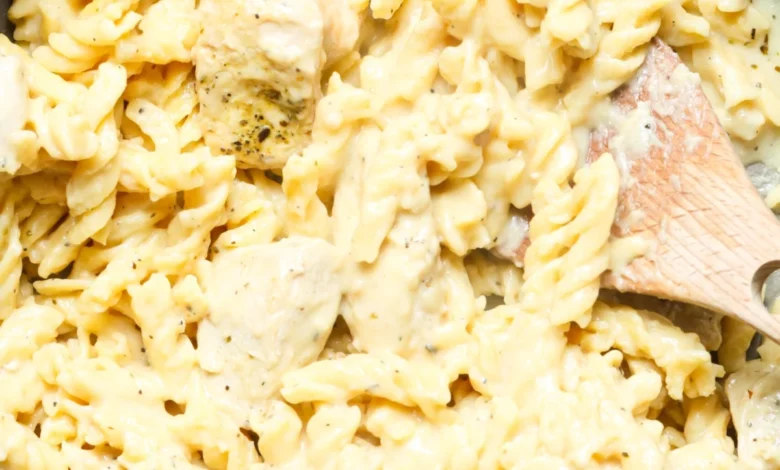
The modern culinary landscape has seen a significant shift toward home-prepared meals that balance nutritional integrity with rapid preparation times. As busy schedules become the norm for households across North America, the demand for "fast-casual" style cooking at home has spiked, leading to the resurgence of classic, protein-forward pasta dishes. Among these, the garlic chicken pasta has emerged as a cornerstone of efficient meal planning, favored for its reliance on pantry staples and its ability to deliver restaurant-quality results in under twenty minutes.
The Evolution of the Quick-Service Home Meal
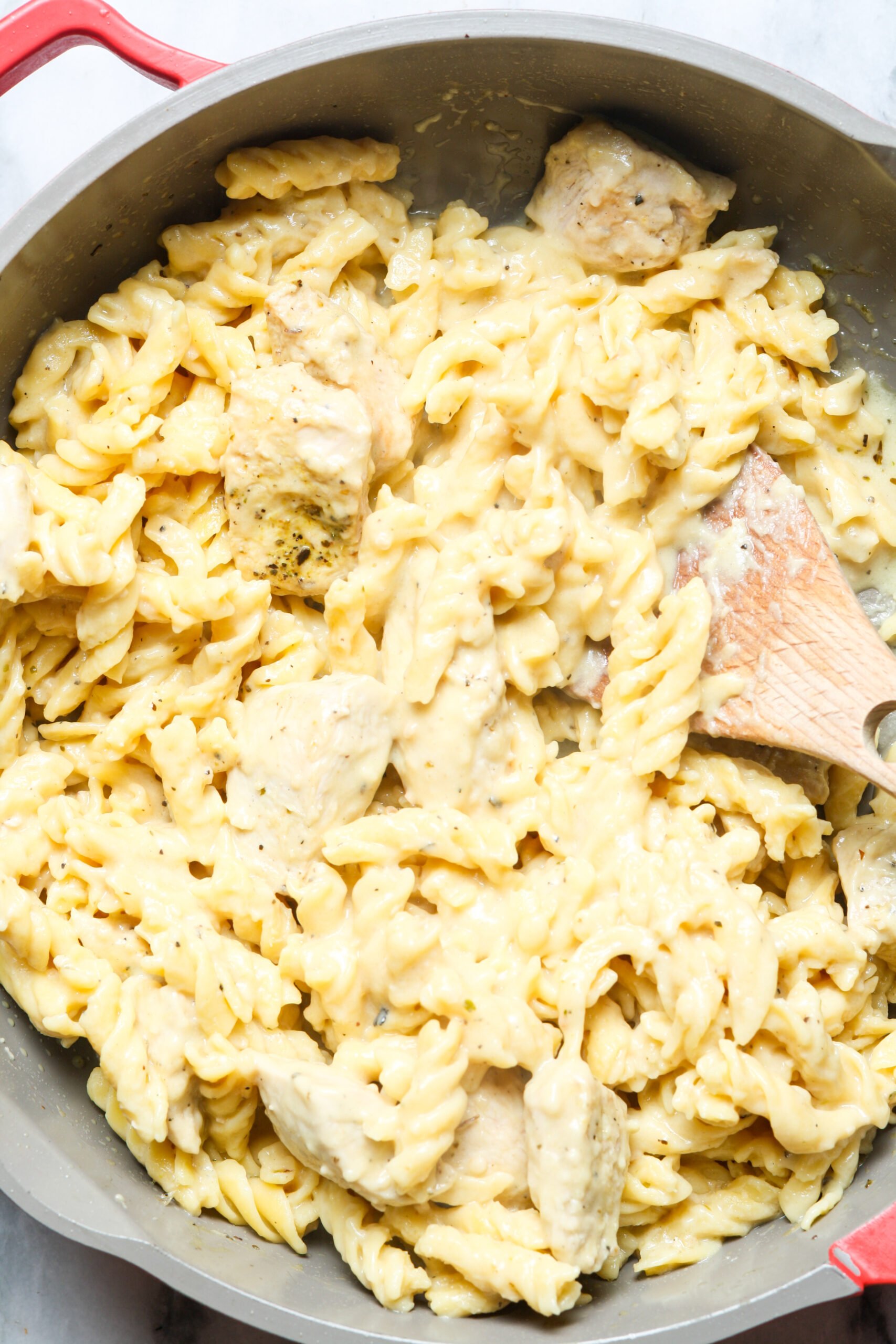
The origins of garlic-based pasta sauces can be traced back to traditional Mediterranean preparations, specifically the Italian aglio e olio. Historically, this dish relied on the emulsion of olive oil, garlic, and pasta water to create a light coating. However, the contemporary iteration—which incorporates heavy dairy components like whole milk and Parmesan cheese—represents an evolution toward the "comfort food" category. Culinary historians note that the mid-twentieth century introduction of pre-packaged, shelf-stable dairy and rapid-cook pasta varieties facilitated this transition, allowing home cooks to replicate complex, creamy textures without the need for long-simmering roux bases.
Market research from 2024 indicates that families are increasingly prioritizing "time-to-table" metrics. Data suggests that the average American household now allocates less than thirty minutes to dinner preparation on workdays. This shift has placed high value on recipes that minimize cleanup—often utilizing a single skillet—and rely on high-protein poultry cuts that cook quickly when portioned into one-inch segments.
Chronology of Preparation and Culinary Methodology
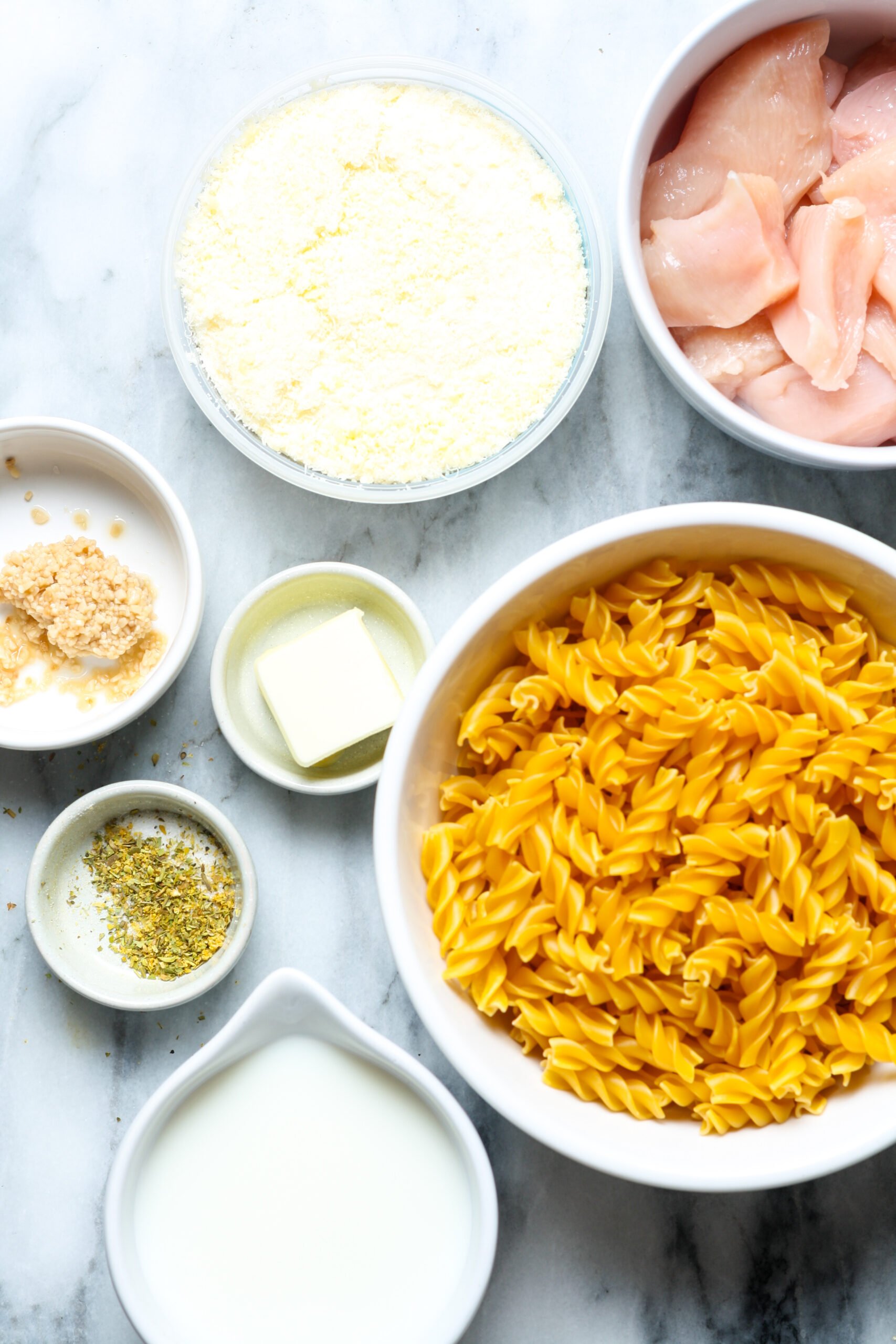
Achieving a consistent result in a high-speed environment requires adherence to a specific, synchronized workflow. Professional chefs emphasize the importance of "mise en place," or the preparation and organization of all ingredients before the application of heat.
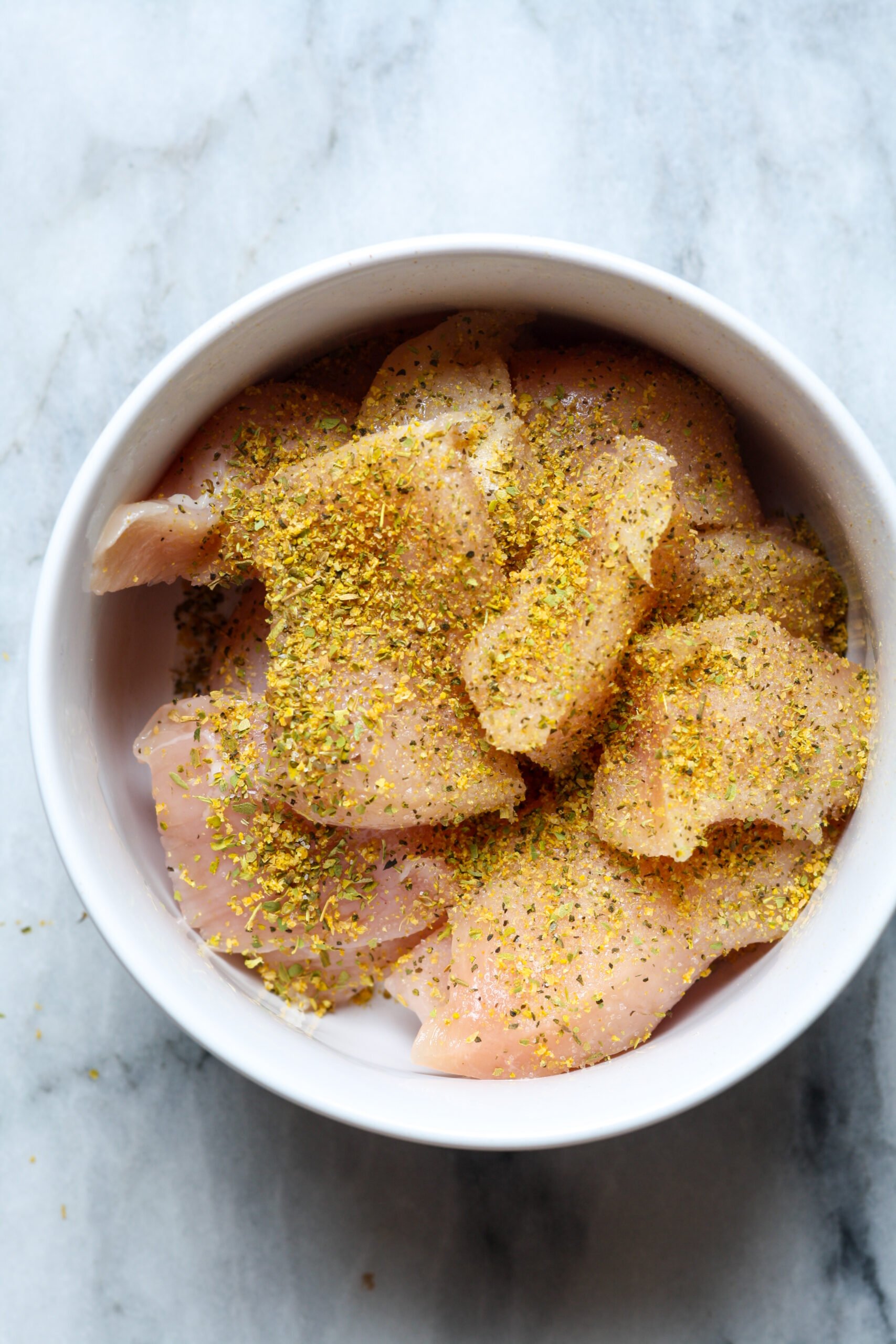
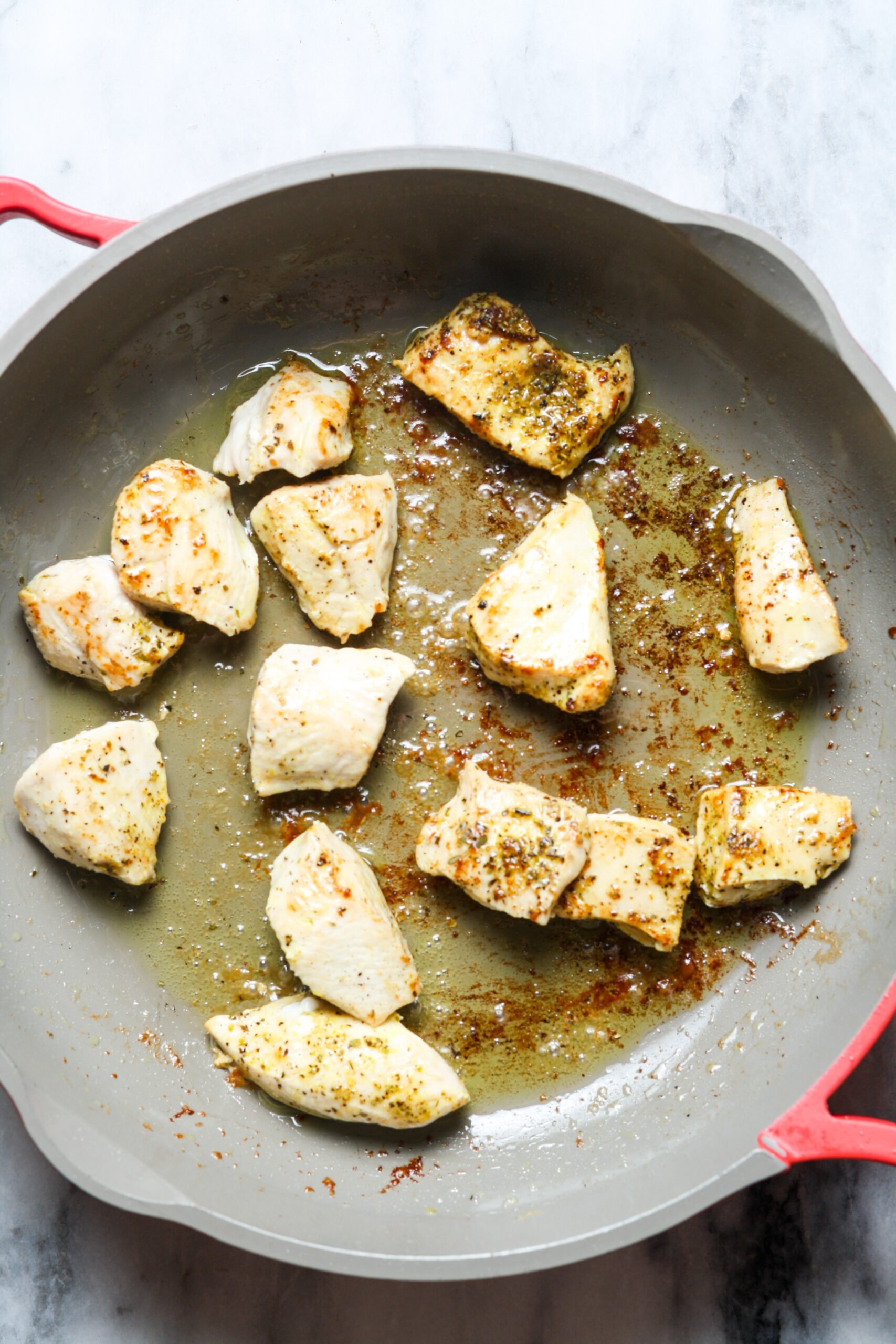
The process begins with the structural preparation of the poultry. Utilizing chicken breast, which is a lean source of niacin, selenium, and Vitamin B6, the meat must be cubed into uniform one-inch pieces to ensure even heat distribution. Seasoning with sea salt, cracked black pepper, and onion powder prior to searing acts as a dry brine, which scientific studies have shown helps maintain moisture levels during high-heat cooking.
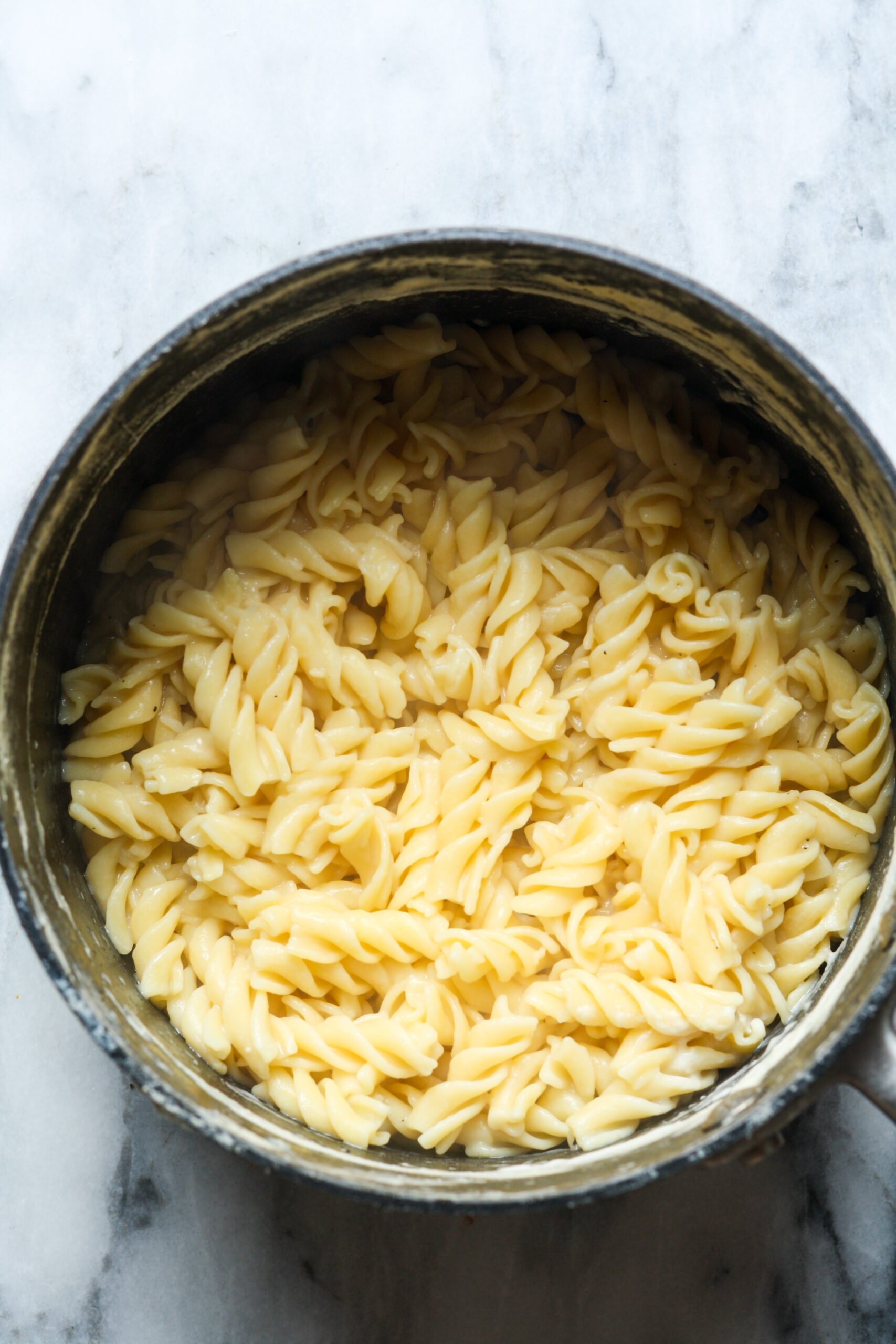
Simultaneously, the pasta is boiled in salted water. For those adhering to traditional dietary standards, whole wheat pasta is often recommended for its higher fiber content and lower glycemic index compared to refined semolina alternatives. The "al dente" texture is critical; the pasta should be slightly firm, as it will undergo a secondary heating phase when combined with the sauce.
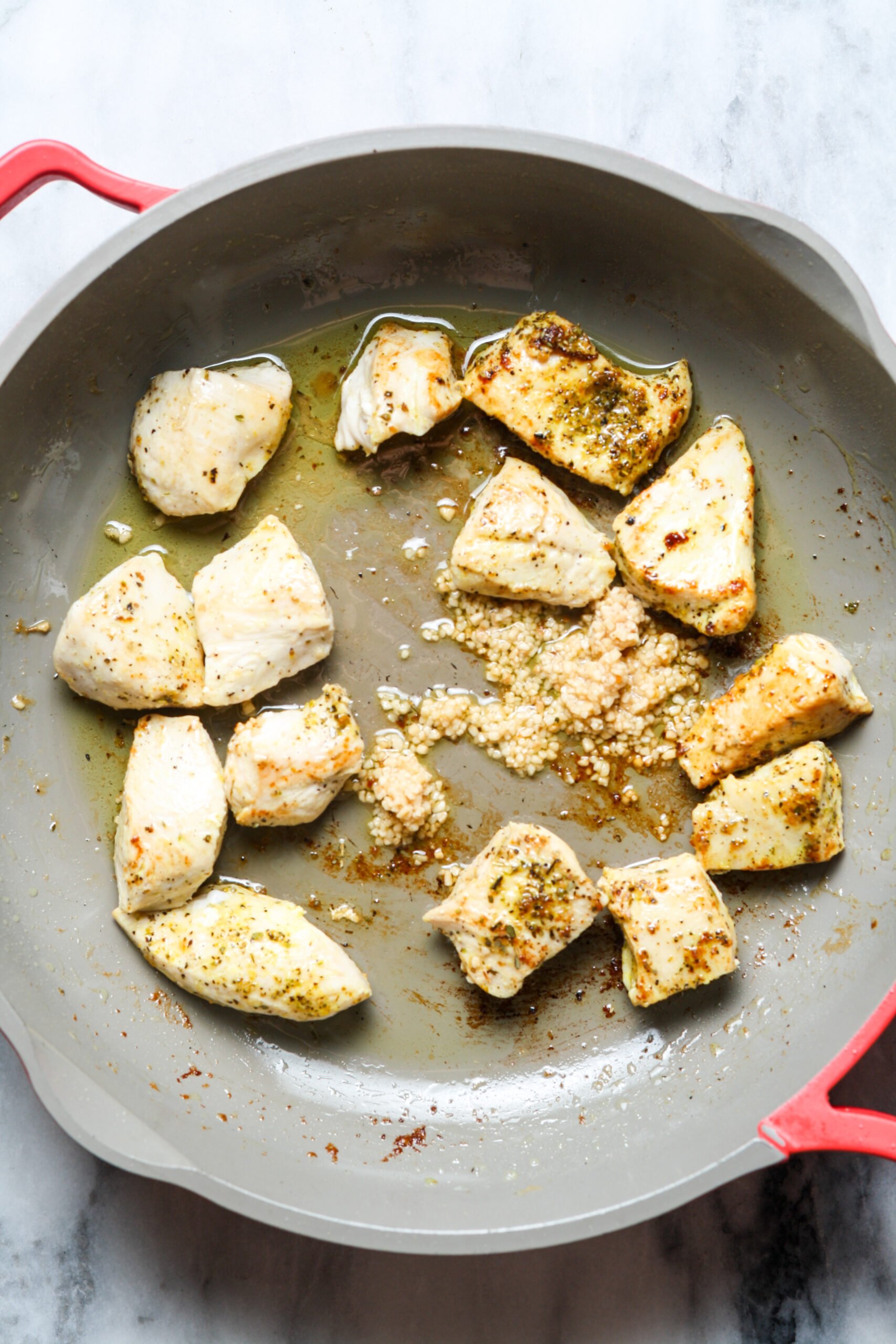
The skillet phase is where the dish develops its flavor profile. Using butter—or the clarified alternative, ghee—as the fat medium provides a smoke point conducive to browning chicken without burning. The introduction of fresh minced garlic is the final step before the deglazing process. Culinary experts advise against the use of dehydrated garlic powder in this specific application, as the chemical compound allicin, responsible for the pungent, aromatic profile of garlic, is best released through fresh mincing.
Nutritional Implications and Dietary Adaptability
From a nutritional perspective, the garlic chicken pasta offers a balanced macronutrient profile, provided portion sizes are moderated. Chicken provides the primary protein source required for muscle maintenance, while the inclusion of whole milk and Parmesan cheese introduces calcium and additional protein.
The versatility of this dish allows for significant dietary modifications without compromising the structural integrity of the sauce:
- Gluten Sensitivity: The move toward gluten-free pasta, typically composed of rice, corn, or quinoa flour, has made this dish accessible to those with Celiac disease or non-celiac gluten sensitivity.
- Lactose Considerations: While the recipe traditionally calls for whole milk, those with lactose intolerance have successfully utilized almond or oat-based unsweetened milks. However, it should be noted that plant-based alternatives may require the addition of a thickener, such as cornstarch or arrowroot powder, to achieve the same viscosity as dairy-based sauces.
- Vegetable Incorporation: Nutritionists frequently recommend adding fiber-dense vegetables such as spinach, sun-dried tomatoes, or broccoli florets during the final three minutes of the sauce preparation. This adds essential micronutrients, including Vitamin K and Vitamin C, without increasing the total preparation time beyond the twenty-minute threshold.
Economic and Logistical Analysis
The economic appeal of this dish is rooted in its low cost-per-serving ratio. By utilizing accessible staples, the recipe functions as an anti-inflationary meal option. In comparison to the rising costs of dining out or utilizing third-party food delivery services, preparing garlic chicken pasta at home results in an estimated cost saving of 70% per portion.
Furthermore, the storage and preservation qualities of this dish make it a prime candidate for "batch cooking." When stored in airtight containers, the dish maintains its flavor profile for up to 96 hours. The key to successful reheating lies in the reintroduction of moisture. Because pasta continues to absorb sauce during the cooling process, adding a small amount of liquid—either milk, broth, or water—prior to reheating is essential to restore the emulsified texture of the Parmesan sauce.
Industry Perspectives on Home Cooking Trends
The rise of the "cozy dinner" trend has been heavily documented by consumer behavior analysts. In a statement regarding current food consumption patterns, a spokesperson for a national food education initiative noted, "There is a psychological component to preparing a meal from scratch that mass-produced, pre-packaged meals cannot replicate. The ‘garlic-butter-cheese’ combination triggers a sensory response associated with comfort and security, which has become increasingly important in the current social climate."
Retail data supports this sentiment, showing a sustained increase in the sales of high-quality, fresh aromatics and premium hard cheeses. This suggests that while consumers want speed, they are unwilling to sacrifice quality for the sake of convenience. The twenty-minute garlic chicken pasta sits at the intersection of these two demands.
Practical Troubleshooting for the Home Cook
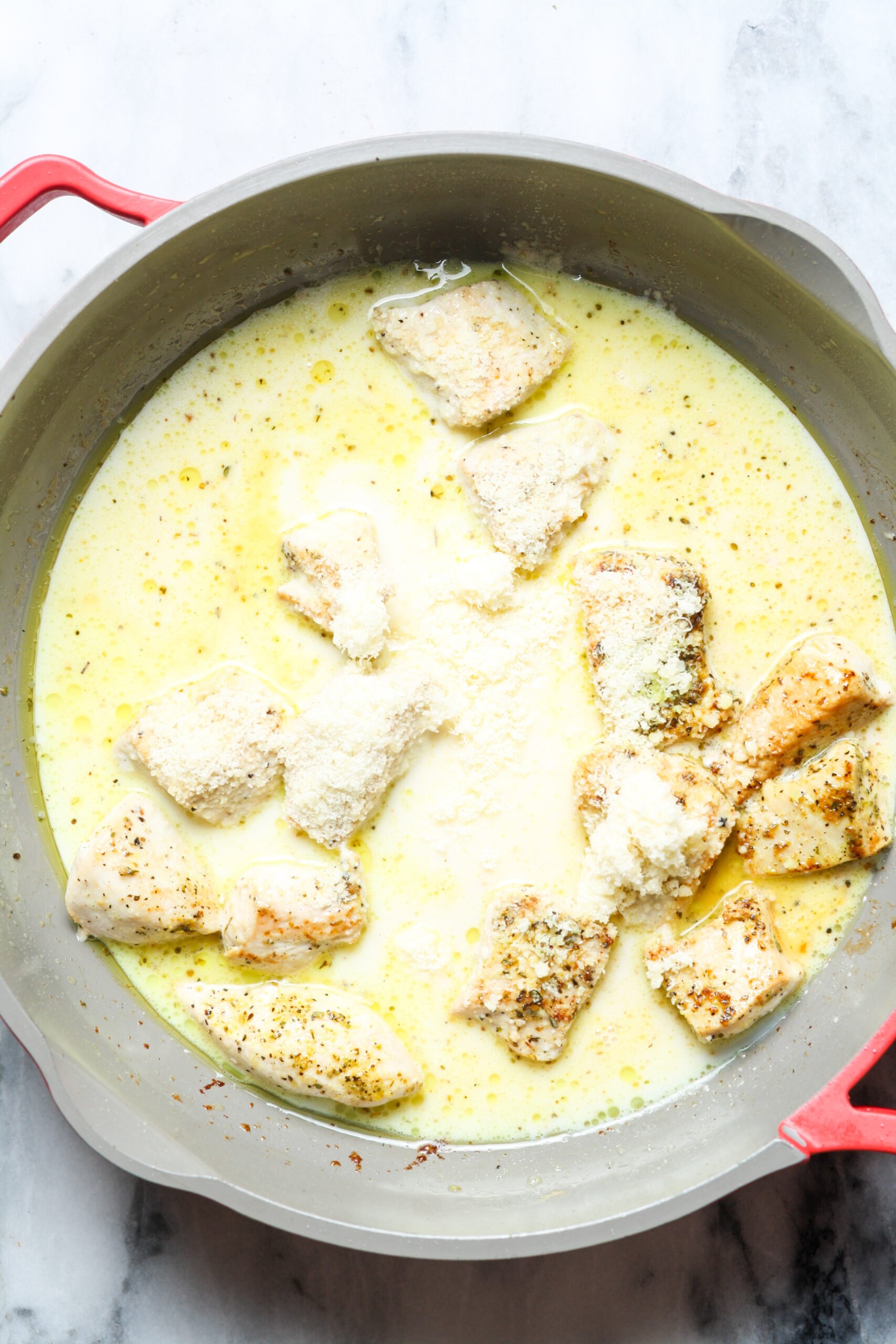
Despite its simplicity, common pitfalls can occur during the preparation process. The most frequent issue is the separation of the sauce, which typically happens if the cheese is added while the pan is at too high a temperature. The proteins in the cheese can coagulate and separate from the milk solids, resulting in a grainy texture.
To mitigate this, the heat should be reduced to a low setting before the cheese is introduced. If the sauce becomes too thick, the addition of reserved pasta water—which contains starches released during the boiling process—acts as a natural emulsifier, helping the sauce adhere to the pasta rather than sliding off the noodles. Conversely, if the sauce is too thin, extending the simmer time by sixty seconds typically allows the reduction of the liquid, concentrating the flavors of the garlic and butter.

Conclusion: The Future of the Quick-Service Meal
The enduring popularity of the garlic chicken pasta lies in its simplicity and its capacity for iteration. It is a dish that serves as a canvas for the home cook, adaptable to whatever ingredients are available in the refrigerator. As the culinary industry continues to move toward more sustainable, home-centric dining habits, recipes that prioritize efficiency without sacrificing the fundamental pleasures of a warm, home-cooked meal will remain the bedrock of the modern diet. Whether served with a side of crusty whole-wheat bread to capture the remaining sauce or enjoyed as a standalone meal, the dish represents the perfect marriage of modern time-efficiency and traditional comfort.