The Ultimate Guide to Making Homemade Cranberry Pecan Granola for Healthier Mornings

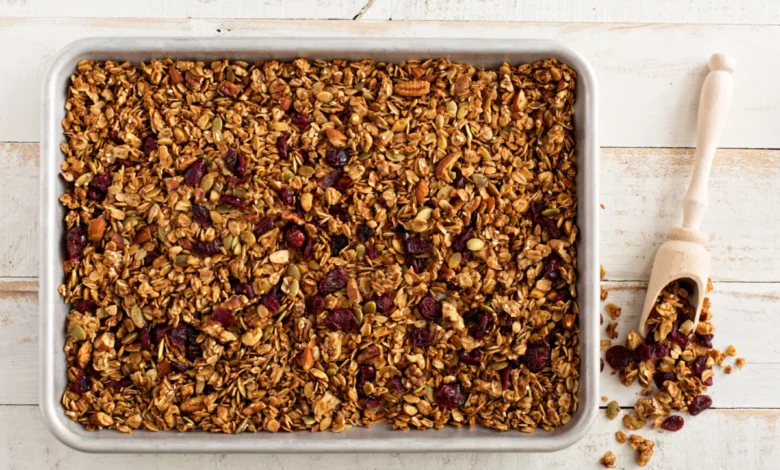
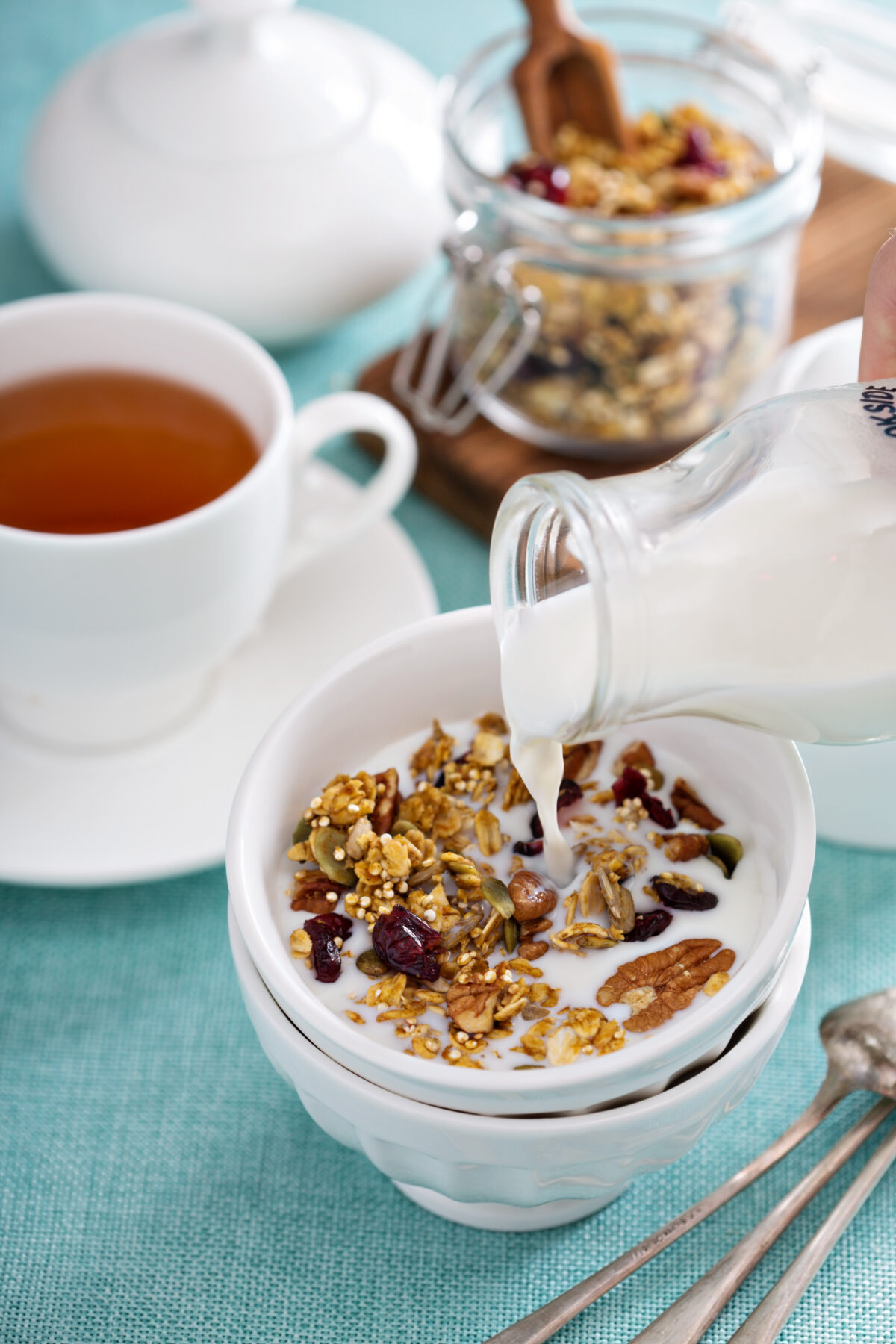
The modern breakfast table has experienced a notable shift over the past decade, moving away from heavily processed, sugar-laden cereals toward nutrient-dense, customizable alternatives. Among these, homemade granola has emerged as a staple for health-conscious households seeking control over their daily nutritional intake. A prime example of this culinary trend is the artisanal preparation of Homemade Cranberry Pecan Granola, a wholesome blend of old-fashioned oats, antioxidant-rich pecans, seeds, and tart dried cranberries. Culinary experts and nutritionists continually emphasize that preparing granola at home allows consumers to bypass the hidden sugars, sodium, and preservatives frequently found in commercial grocery store varieties. By balancing wholesome fats, complex carbohydrates, and natural sweeteners like maple syrup or honey, this recipe offers a practical solution for busy families, fitness enthusiasts, and anyone looking to elevate their morning routine with minimal effort.
Chronology and Historical Evolution of Granola
The origins of granola trace back to the late 19th century in the United States, closely tied to the broader health reform movements of the era. Originally developed by Dr. James Caleb Jackson at the Jackson Sanatorium in Dansville, New York, the earliest iteration was known as "ula" and consisted of heavy, dense chunks of baked graham flour dough that required prior soaking. Shortly thereafter, John Harvey Kellogg introduced a similar cereal at the Battle Creek Sanitarium, eventually popularizing the term granola.
Over the decades, granola underwent several transformations. During the counterculture movement of the 1960s and 1970s, it experienced a massive resurgence as a symbol of back-to-the-land organic eating, often sweetened with brown sugar and honey and tossed with various nuts and dried fruits. In the 21st century, the food industry witnessed the commercialization of granola into high-calorie, highly processed snack bars and boxed cereals, prompting a modern counter-movement toward scratch-made, transparent ingredient lists. Today, recipes like Cranberry Pecan Granola represent a return to these roots, combining traditional baking methods with contemporary understandings of balanced nutrition, such as incorporating omega-3-rich seeds and unrefined plant-based fats.
Nutritional Analysis and Dietary Implications
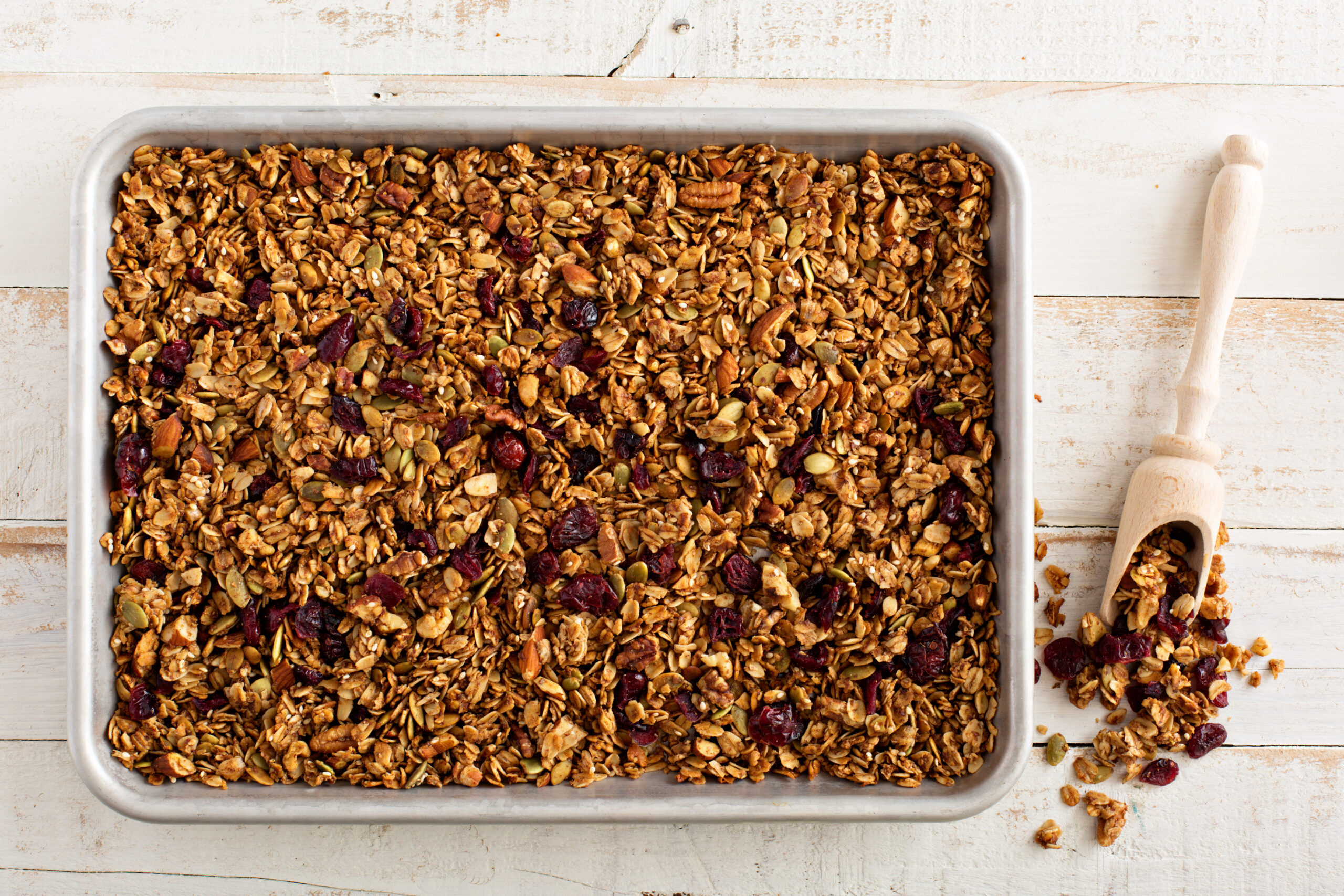
From a nutritional standpoint, incorporating a balanced granola into a daily diet yields several physiological benefits, provided portion sizes are monitored. Old-fashioned rolled oats serve as the foundation of the dish, delivering a high concentration of beta-glucan—a soluble fiber clinically proven to help regulate blood cholesterol levels, improve glycemic control, and support sustained digestive health.
Furthermore, the inclusion of tree nuts such as pecans and almonds introduces monounsaturated fatty acids, which play a critical role in cardiovascular health by lowering low-density lipoprotein (LDL) cholesterol. Pepitas (pumpkin seeds) and sesame seeds add a robust profile of plant-based protein, magnesium, zinc, and iron, essential micronutrients for cellular repair, immune function, and energy metabolism.
When balanced with natural anti-inflammatory spices like cinnamon and sweetened lightly with pure maple syrup or raw honey, homemade granola avoids the insulin spikes associated with refined white sugars. The final touch—dried cranberries—provides a burst of vitamin C, manganese, and powerful antioxidants known as proanthocyanidins, which help combat oxidative stress within the body. Dietitians frequently recommend pairing this granola with Greek yogurt, kefir, or plant-based milks to create a complete meal containing adequate protein, complex carbohydrates, and healthy fats.
Culinary Techniques for Achieving the Ideal Texture
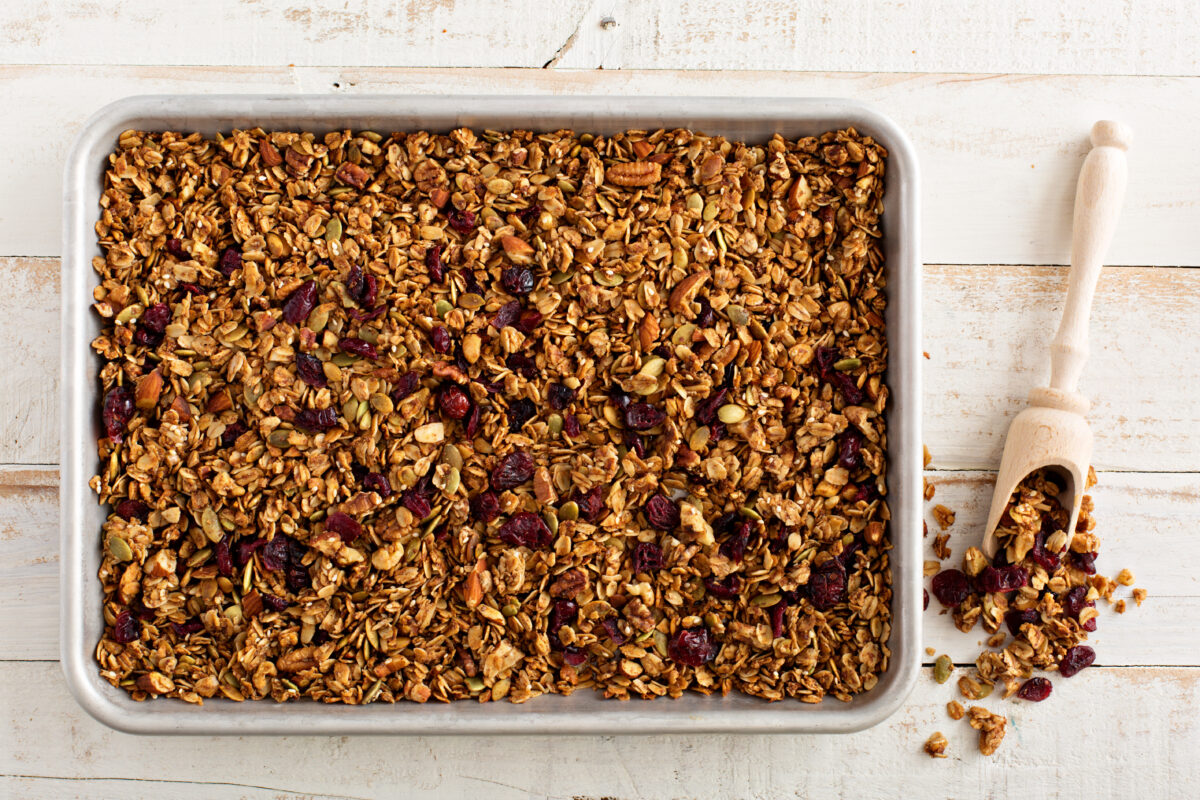
Achieving the perfect balance of crunch, chewiness, and structural integrity in homemade granola requires adherence to specific culinary science principles. According to professional bakers, the choice of grain dictates the final texture; old-fashioned rolled oats are universally preferred over quick-cooking oats because their larger surface area and structural thickness absorb binding agents more evenly, resulting in desirable, chunky clusters.
Temperature control and baking duration are equally critical parameters. Granola must be baked at a moderate temperature—typically around 300°F to 325°F (150°C to 163°C)—to allow the natural sugars in the honey or maple syrup to caramelize without burning the delicate oils present in the nuts and seeds. A common pitfall in home kitchens is over-stirring the mixture while it bakes. To cultivate large, satisfying clusters, the pan should be disturbed minimally, ideally just once midway through the baking cycle.
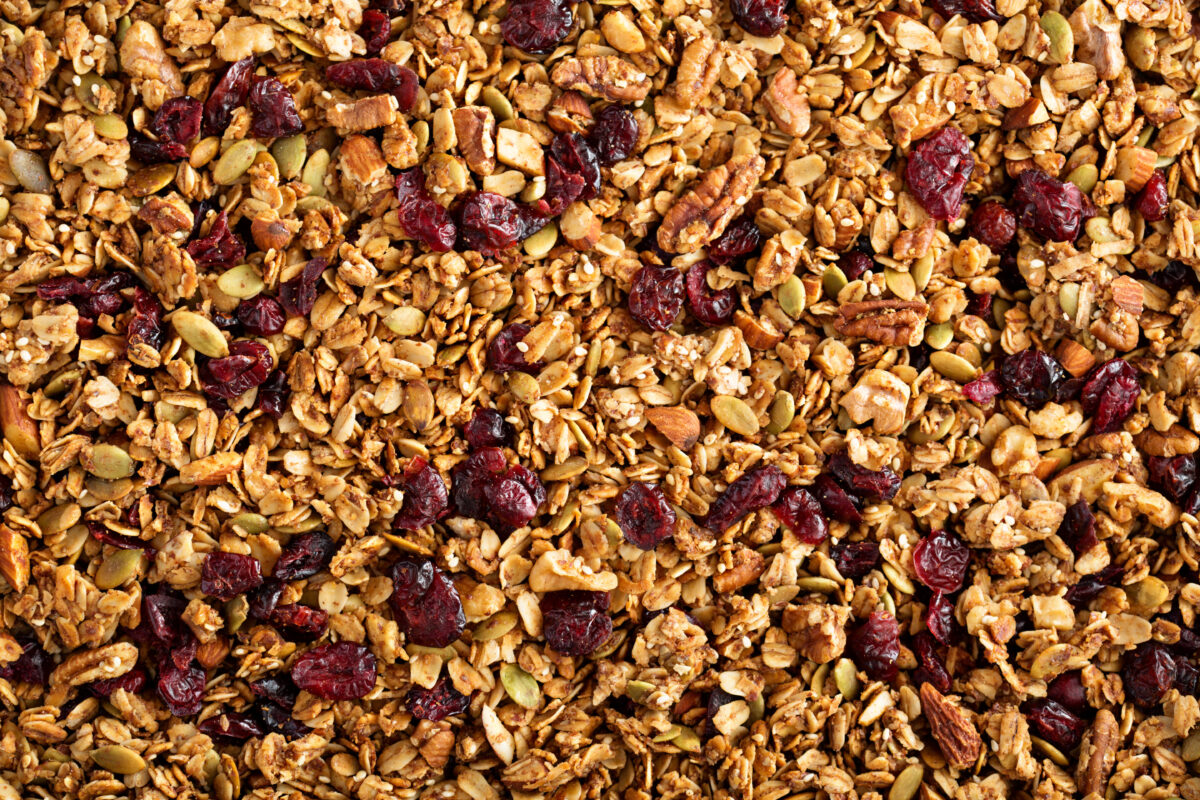
Equally important is the timing of heat-sensitive ingredients. Dried fruit, such as cranberries, contains concentrated natural sugars and very little moisture; exposing them to high oven heat for an extended duration causes them to harden into unpalatable, tooth-damaging pellets. Consequently, culinary protocols dictate that dried fruit must be folded into the warm mixture immediately after it exits the oven, allowing the residual heat to soften the fruit naturally without compromising its bright, tart flavor profile. Finally, patience during the cooling phase is mandatory. Freshly baked granola often appears deceptively soft and undercooked upon removal from the oven; however, as the starches and sugars cool to room temperature, they undergo retrogradation and crystallization, locking in the characteristic crisp crunch.
Customization and Flavor Variations
The versatility of a standard granola template allows home cooks to adapt the recipe to seasonal availability, personal dietary restrictions, or specific flavor preferences. Culinary innovators have introduced numerous variations that retain the core nutritional integrity of the original dish while offering entirely new sensory experiences.
For individuals seeking a vibrant, tropical, or aromatic profile, several modifications can be implemented seamlessly:
- Citrus Infusion: Incorporating freshly grated orange or lemon zest directly into the wet binder mixture introduces fragrant essential oils that complement the tartness of the cranberries.
- Tropical Adaptations: Adding unsweetened coconut flakes during the final ten minutes of the baking cycle provides a toasted, nutty sweetness reminiscent of tropical climates.
- Holiday-Inspired Spices: Supplementing ground cinnamon with warm undertones of freshly grated nutmeg, cardamom, or ground ginger transforms the everyday breakfast into a festive, comforting dish reminiscent of autumn and winter holidays.
- Protein and Seed Boosters: Hemp hearts, chia seeds, flaxseed meal, or sunflower seeds can be seamlessly folded into the dry oat mixture to elevate the protein and fiber content further.
- Confectionery Elements: For an indulgent treat, folding in dark chocolate chunks or mini chocolate chips strictly after the granola has cooled completely prevents melting and adds a sophisticated bittersweet contrast.
Storage, Shelf Life, and Food Safety
Proper post-baking management is essential for preserving the quality, safety, and texture of homemade granola. Because the recipe relies entirely on natural ingredients without commercial chemical preservatives, moisture control is the primary variable determining shelf life.
Once the granola has cooled completely on the baking sheet, it must be transferred immediately to an airtight glass container, food storage plastic container, or vacuum-sealed bag. Stored at room temperature in a cool, dark pantry, a batch of cranberry pecan granola maintains optimal crispness and flavor for up to two weeks.
For longer-term preservation, freezing offers a viable preservation method. Granola can be portioned into heavy-duty, freezer-safe bags and stored for up to three months. To serve, the desired portion is simply removed from the freezer and allowed to thaw at room temperature for a few minutes. This method prevents rancidity in the nut oils and inhibits mold growth, ensuring that households can enjoy a steady supply of fresh, artisanal breakfast food year-round.
Broader Economic and Lifestyle Implications
The growing popularity of scratch-made breakfast items reflects a broader cultural movement toward mindful consumption, financial economy, and domestic self-sufficiency. In an era marked by fluctuating grocery prices and heightened consumer awareness regarding food manufacturing practices, preparing staples like granola at home yields measurable economic advantages. Bulk purchasing of foundational ingredients—such as rolled oats, raw pecans, seeds, and dried fruit—significantly reduces the cost per serving compared to pre-packaged, branded artisan cereals.
Furthermore, the act of home cooking fosters a deeper connection to the food supply chain, encouraging individuals and families to take active ownership of their daily nutrition. By replacing highly processed convenience foods with nutrient-dense, whole-food alternatives, consumers contribute to a culture of wellness that prioritizes long-term health outcomes. As culinary education continues to democratize access to professional-grade techniques, simple recipes like Homemade Cranberry Pecan Granola demonstrate that wholesome, delicious eating is accessible to anyone with a mixing bowl, an oven, and a desire to nourish their body effectively.