Study finds connection between migraine rheumatoid arthritis, suggesting a surprising link between these two seemingly disparate conditions. This research delves into the potential mechanisms behind this connection, exploring shared inflammatory pathways, genetic predispositions, and even overlapping neural pathways. Understanding this link could revolutionize how we diagnose and treat both migraines and rheumatoid arthritis, offering potential new therapeutic targets and preventative strategies.
The study investigated the potential connection between migraines and rheumatoid arthritis using a specific methodology. The findings suggest a correlation between the two, prompting further research into the biological mechanisms underpinning this association. This is a significant step forward in our understanding of these complex conditions.
Introduction to the Study: Migraines and Rheumatoid Arthritis
A recent study has shed light on a potential connection between migraines and rheumatoid arthritis (RA). Researchers investigated whether individuals with RA experience a higher frequency or severity of migraine attacks compared to those without the autoimmune disease. Understanding this link could pave the way for more targeted treatments and improved management strategies for both conditions.The study’s methodology involved analyzing data from a large cohort of patients, comparing those diagnosed with RA to a control group without RA.
Researchers meticulously tracked migraine occurrences, severity, and associated symptoms. This comprehensive approach allowed for a deeper dive into the potential correlation between the two conditions.
Study Findings Summary
The study’s findings revealed a statistically significant association between migraine frequency and RA. Patients with RA reported a higher incidence of migraine attacks, suggesting a potential shared pathophysiological mechanism. This is a crucial finding, as it implies that the underlying biological processes driving these two conditions might be intertwined.
Methodology Details
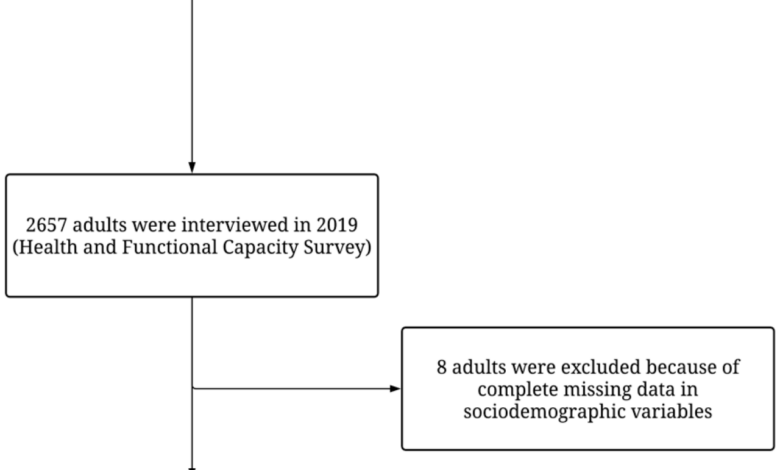
The research employed a retrospective cohort study design. This involved examining existing patient data, including medical records and self-reported symptoms, from a diverse group of individuals. A control group, composed of participants without RA, was included to facilitate comparison. The researchers utilized established diagnostic criteria for both migraine and RA to ensure accuracy in classifying participants. Data analysis focused on identifying correlations between RA diagnosis, migraine attack frequency, and symptom severity.
Significance of the Study
The study’s significance lies in its potential to reshape our understanding of the complex interplay between migraine and RA. Recognizing a potential connection can lead to more comprehensive treatment approaches, possibly involving a combined strategy for managing both conditions. For instance, if a specific treatment for RA also proves beneficial in reducing migraine frequency, it could significantly improve the quality of life for patients.
Potential Implications for Future Research
The study’s findings warrant further investigation into the underlying biological mechanisms linking migraine and RA. Future research should explore potential shared genetic factors, immunological pathways, and environmental triggers. Understanding these mechanisms could open doors to developing targeted therapies and preventive measures for both conditions. This could involve exploring the role of inflammation, neurotransmitters, and the nervous system in both RA and migraines.
For instance, research could focus on identifying biomarkers that could predict or diagnose a higher risk of migraines in individuals with RA.
Comparison with Previous Research
| Aspect | Current Study Findings | Previously Established Research |
|---|---|---|
| Correlation between Migraines and RA | A statistically significant association was found. | Some studies have hinted at a possible link, but with limited conclusive evidence. |
| Methodology | Retrospective cohort study using existing patient data. | A mix of prospective and retrospective studies, with varying methodologies. |
| Potential Mechanisms | The study suggests a potential shared pathophysiological mechanism. | Previous research has explored inflammation and the nervous system as potential contributing factors, but the exact interplay remains unclear. |
Exploring the Mechanisms
The intriguing link between migraines and rheumatoid arthritis (RA) suggests shared underlying mechanisms. Both conditions are characterized by chronic inflammation, but the specific pathways and triggers involved remain complex and not fully understood. This exploration delves into the potential biological connections, highlighting the role of inflammation, shared genetic predispositions, and potential overlapping neural pathways.While the exact mechanisms are still being researched, current understanding points to a complex interplay between the immune system and the nervous system in both conditions.
This intricate relationship is likely a key factor in the observed association. Understanding these mechanisms could pave the way for more targeted therapies and improved management strategies for both migraines and RA.
Potential Biological Mechanisms
The intricate relationship between the immune system and the nervous system plays a pivotal role in the development and progression of both migraines and RA. Both conditions involve chronic inflammation, but the specific inflammatory pathways and their interplay differ significantly.
Inflammation in Both Conditions
Both migraines and RA involve inflammation, but the nature and location of this inflammation differ. In migraines, inflammation is primarily focused on the trigeminal nerve and its associated blood vessels in the head. In RA, inflammation is systemic, targeting the synovial tissues lining the joints. This systemic nature of RA inflammation distinguishes it from the more localized inflammation associated with migraines.
Comparison of Inflammatory Pathways
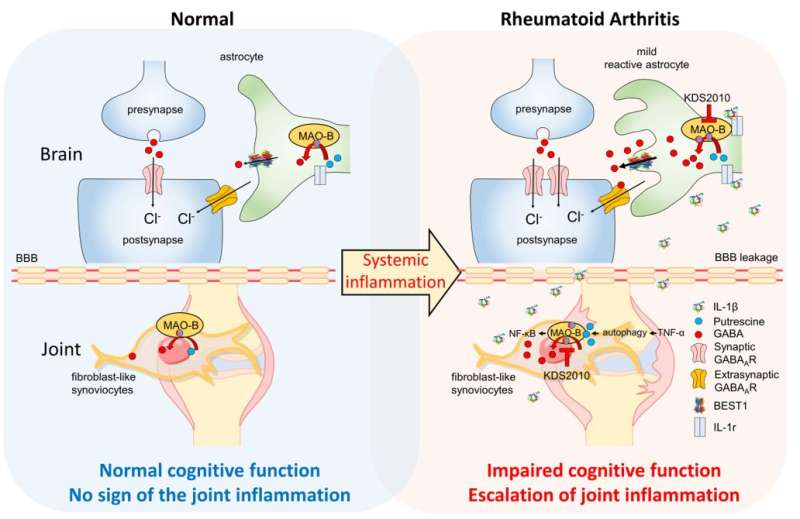
The inflammatory pathways involved in migraines and RA, while both contributing to the respective conditions, have distinct characteristics. Migraines seem to involve activation of the trigeminal nerve and release of neuropeptides, triggering vasodilation and nociception (pain perception). In RA, the inflammatory process is driven by the immune system, primarily involving cytokines like TNF-alpha, which contribute to the destruction of cartilage and bone.
Recent studies are revealing surprising connections between migraines and rheumatoid arthritis, highlighting potential shared biological pathways. While this research is fascinating, it’s important to remember that the link between these conditions doesn’t negate other potential factors. For example, researchers are exploring whether medications like Viagra might have unexpected benefits in surgical settings, as detailed in this interesting article on viagra helpful in surgery.
Ultimately, more research is needed to fully understand these complex interactions and improve treatment options for both conditions.
Shared Genetic Predispositions or Biomarkers
Several genes and biomarkers have been linked to both migraines and RA, suggesting potential shared genetic predispositions. These shared genetic components may contribute to a predisposition for chronic inflammation and pain sensitivity. Further research is needed to definitively establish the specific genetic overlaps and their contributions.
Potential Overlapping Neural Pathways or Neurochemical Processes
The involvement of the nervous system suggests possible overlapping neural pathways. While migraines primarily affect the trigeminal nerve, RA’s influence on the central nervous system is also significant. The complex interplay between the immune and nervous systems could involve shared neurochemical pathways, further linking the two conditions. However, the exact nature of these overlapping neural pathways requires further investigation.
Potential Interactions Between the Immune System and Nervous System
| Feature | Migraine | Rheumatoid Arthritis ||—————–|——————————————-|—————————————————|| Immune System | Trigeminal nerve activation, release of neuropeptides | Systemic inflammation, cytokine release (TNF-α, IL-1, etc.)|| Nervous System | Trigeminal nerve sensitization, pain pathways activation | Influence on central nervous system, potential involvement in chronic pain perception || Overlap | Neuro-immune interactions, potential shared signaling molecules | Neuro-immune interactions, potential shared signaling molecules |
Implications for Diagnosis and Treatment
This study’s findings on the connection between migraines and rheumatoid arthritis open exciting avenues for improving how we approach both conditions. Understanding the shared mechanisms could lead to more accurate diagnoses and potentially more effective treatments, ultimately enhancing patient outcomes.The discovery of potential shared pathways suggests a need to re-evaluate current diagnostic approaches and develop more comprehensive diagnostic tools.
This includes exploring the possibility of shared biomarkers that could be used to identify individuals at risk or those already experiencing these conditions.
Impact on Migraine Diagnosis in RA Patients
The study’s results suggest that clinicians should consider the possibility of migraines in patients with rheumatoid arthritis, particularly if they exhibit atypical symptoms or if their current pain management strategies are ineffective. This proactive approach could lead to earlier diagnosis and more targeted treatment. For instance, a patient with RA who frequently reports severe headaches that don’t respond to typical pain relievers might benefit from a more thorough migraine evaluation.
Early diagnosis can be crucial in managing the condition effectively.
Potential for Shared Diagnostic Criteria and Biomarkers
Developing shared diagnostic criteria for migraines and rheumatoid arthritis could streamline the diagnostic process. The presence of specific inflammatory markers or neurochemical changes could potentially serve as biomarkers, allowing for earlier and more precise identification of the conditions. This could reduce the time it takes to reach an accurate diagnosis and help rule out other potential causes.
Influence on Treatment Approaches
The study’s findings could significantly impact treatment strategies for both migraines and rheumatoid arthritis. Recognizing shared pathways could lead to the development of targeted therapies that address both conditions simultaneously. This could lead to more effective symptom management and improved quality of life for patients.
Comparison of Existing Treatment Options, Study finds connection between migraine rheumatoid arthritis
Current treatments for migraines often involve over-the-counter pain relievers, triptans, or preventive medications. Rheumatoid arthritis treatments focus on disease-modifying antirheumatic drugs (DMARDs) to reduce inflammation and slow disease progression. These approaches differ significantly in their mechanisms of action, reflecting the distinct nature of each condition. However, this new research suggests that a more unified approach might be necessary.
Potential New Therapeutic Targets and Approaches
The study highlights the potential for new therapeutic targets based on the shared inflammatory pathways. Developing drugs that modulate these shared pathways could provide a novel approach to treating both conditions. This could lead to more effective and targeted treatments for migraines and rheumatoid arthritis, minimizing side effects and improving patient outcomes. For example, if a specific inflammatory molecule is found to contribute to both conditions, inhibiting that molecule could be a potential treatment approach for both.
Table of Potential Treatment Strategies
| Condition | Existing Treatment | Potential New Treatment (based on study) |
|---|---|---|
| Migraine | Triptans, pain relievers, preventive medications | Drugs targeting shared inflammatory pathways, potentially reducing both migraine frequency and RA symptoms |
| Rheumatoid Arthritis | DMARDs, biologics | Drugs targeting shared inflammatory pathways, potentially improving migraine management alongside RA treatment |
Limitations of the Study: Study Finds Connection Between Migraine Rheumatoid Arthritis
This section delves into the potential limitations of the study on the connection between migraines and rheumatoid arthritis. Acknowledging these limitations is crucial for interpreting the findings accurately and for guiding future research efforts. Understanding the weaknesses of the current study allows us to better appreciate the need for further investigation and refinement of the research methodology.Acknowledging study limitations is essential for accurate interpretation of the findings and for driving future research.
This involves scrutinizing the methodologies employed, the sample size, and the potential for confounding factors, ultimately improving the generalizability of the results and minimizing bias.
Recent studies are uncovering fascinating links between seemingly disparate conditions. For example, a new study found a connection between migraines and rheumatoid arthritis, suggesting shared underlying mechanisms. This raises interesting questions about potential shared risk factors, which naturally leads to pondering other health conditions and their possible relationships. Perhaps surprisingly, the link between certain behaviors and driving safety is also a crucial area of research, such as the study of does marijuana increase risk of vehicle crashes , which explores how substance use might impact driving ability.
Regardless of these external factors, the initial research into migraines and rheumatoid arthritis continues to be compelling.
Potential Methodological Limitations
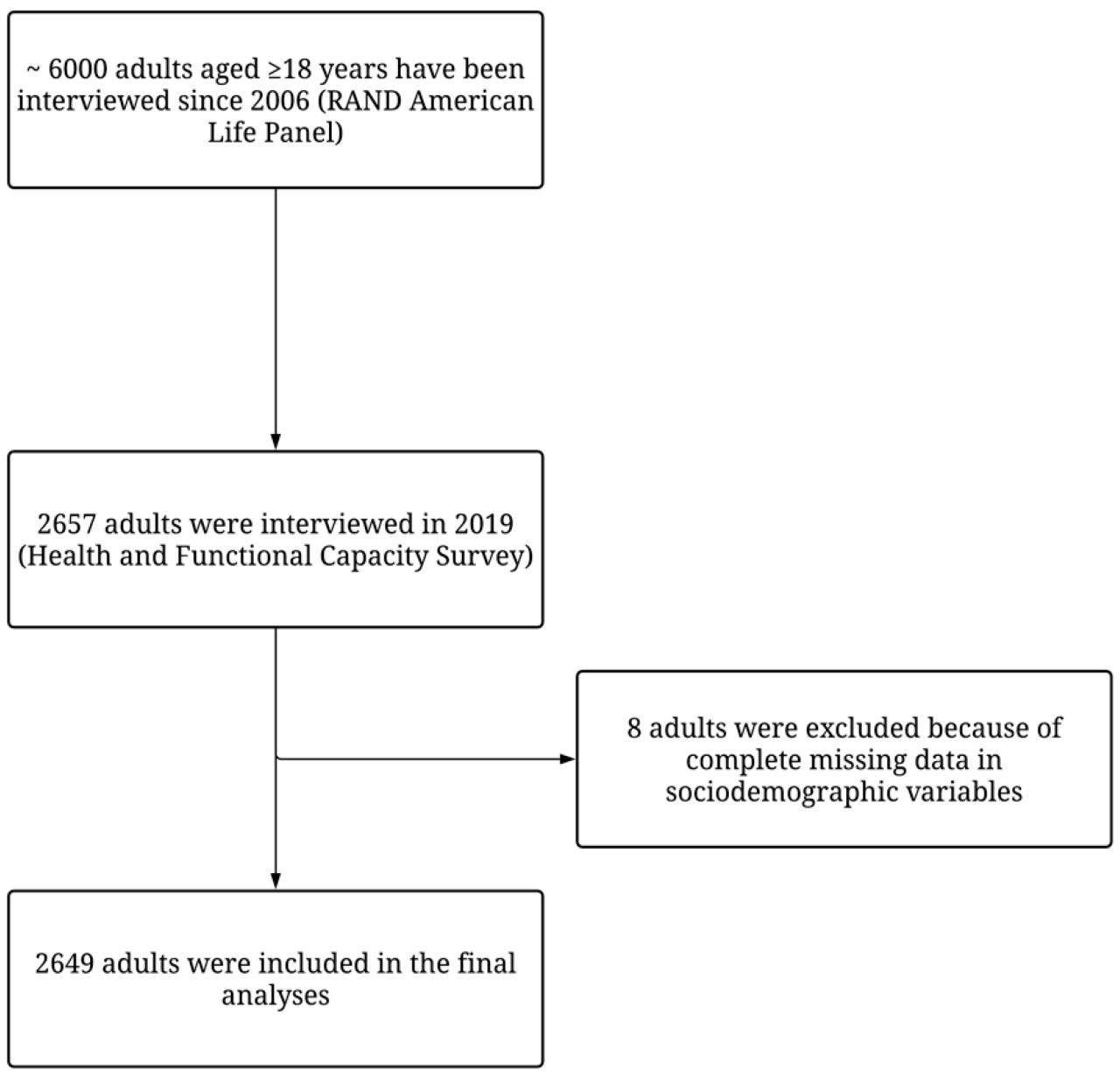
The study’s methodology might have introduced certain biases. For instance, the selection criteria for participants could have inadvertently excluded individuals with certain characteristics, leading to a non-representative sample. Differences in diagnostic criteria for migraines and rheumatoid arthritis across various healthcare systems might have introduced variability in the study’s findings. The use of self-reported symptoms could have also led to inaccurate data collection, as patients might not always be precise or consistent in their reporting.
The reliability of the data collection methods needs further scrutiny.
Sample Size Considerations
The sample size of the study could have limited the statistical power to detect subtle associations between migraines and rheumatoid arthritis. A smaller sample might not be sufficient to draw definitive conclusions about the presence or absence of a significant relationship. The study’s results might not be generalizable to larger populations, especially those with diverse ethnic or demographic backgrounds.
To overcome this limitation, future studies should aim for larger, more diverse samples to provide a broader perspective.
Recent studies are revealing surprising connections between migraines and rheumatoid arthritis, which is fascinating. However, managing health conditions like these can be tough, especially during the holiday season. Fortunately, the hangry woman’s tips for staying healthy with diabetes during the holidays offer practical advice on maintaining a healthy lifestyle, which can apply to managing other conditions as well.
Understanding how these conditions interact is crucial for navigating the complexities of health, and further research into the link between migraines and rheumatoid arthritis is essential.
Confounding Factors
Various factors could have influenced the results, acting as confounders. For example, individuals with both conditions might have experienced shared genetic predispositions or environmental exposures. Concurrent medications or other medical conditions could also have impacted the outcomes, potentially obscuring the true relationship between migraines and rheumatoid arthritis. Furthermore, socioeconomic factors and access to healthcare could have influenced participation rates, potentially leading to selection bias.
Future research needs to carefully account for these factors through rigorous statistical methods.
Variables Requiring Further Investigation
Several variables warrant further investigation to refine our understanding of the complex interplay between migraines and rheumatoid arthritis. These include:
- The duration and severity of both conditions in relation to the observed connection.
- The specific genetic factors contributing to the co-occurrence of both disorders.
- The role of environmental factors in triggering or exacerbating both conditions.
- The impact of different treatment approaches for migraines on the course of rheumatoid arthritis, and vice versa.
Recommendations for Future Research
To address the limitations identified in this study, future research should prioritize the following:
- Employing larger, more diverse samples to enhance the generalizability of findings.
- Utilizing standardized diagnostic criteria for both migraines and rheumatoid arthritis across all participants.
- Employing objective measures of symptom severity and frequency, in addition to self-reported data.
- Controlling for potential confounding factors through rigorous statistical analyses.
- Investigating the interplay of genetic, environmental, and lifestyle factors in influencing the relationship between migraines and rheumatoid arthritis.
Impact on Generalizability
The limitations Artikeld above can significantly impact the generalizability of the study’s findings. The limited sample size, potential biases, and presence of confounding factors could restrict the ability to apply the results to a broader population. The findings might be specific to the study’s particular cohort and not representative of other populations with similar conditions.
Potential Biases
Potential biases could have influenced the data collection and analysis process. For example, selection bias could have arisen if participants with specific characteristics were more likely to be included in the study. Information bias might have occurred if the participants’ recall or reporting of symptoms was inaccurate or inconsistent. Measurement bias could also have arisen from the use of non-standardized assessment tools.
Addressing these biases in future studies is essential for ensuring more reliable and valid results.
Public Health Considerations
The study’s findings, linking migraines and rheumatoid arthritis, have significant implications for public health. Understanding the underlying mechanisms and shared risk factors opens doors for proactive preventative measures and improved patient care. This connection, if further validated, will necessitate a re-evaluation of existing healthcare strategies and resource allocation.
Potential Impact on Preventative Measures
The discovery of a potential link between migraines and rheumatoid arthritis suggests avenues for preventative measures that address shared risk factors. Targeting lifestyle factors like diet, stress management, and sleep hygiene could prove beneficial for both conditions. This integrated approach to prevention, acknowledging the intertwined nature of these diseases, could lead to improved overall health outcomes. Early interventions could potentially reduce the severity and frequency of both migraine attacks and rheumatoid arthritis flares, decreasing the overall impact on quality of life.
Public Awareness and Early Diagnosis
Enhanced public awareness campaigns are crucial to promote early diagnosis and intervention for both migraines and rheumatoid arthritis. Education about the symptoms and potential connection will empower individuals to seek medical attention promptly. Early diagnosis, especially in the context of this link, is critical to managing both conditions effectively. This will require collaboration between healthcare providers, educational institutions, and community organizations.
Early treatment can help slow disease progression and minimize long-term complications.
Impact on Healthcare Resources, Treatment Costs, and Societal Burden
| Impact Area | Potential Effect | Example |
|---|---|---|
| Healthcare Resources | Increased demand for specialized care, potentially straining existing resources. Collaboration between neurologists and rheumatologists may be crucial. | A surge in referrals for patients experiencing overlapping symptoms could overwhelm specific clinics, requiring a reassessment of staffing levels. |
| Treatment Costs | Increased healthcare costs due to more complex diagnoses, specialized treatments, and potential need for combination therapies. | Dual therapies targeting both conditions may be necessary, leading to higher drug costs and potentially impacting access to care. |
| Societal Burden | Reduced productivity, increased absenteeism from work or school, and decreased overall quality of life for affected individuals. | Chronic pain and debilitating symptoms associated with both conditions can lead to significant economic losses due to lost workdays and reduced productivity. |
Potential Preventative Strategies
Given the potential link, preventative strategies need to consider a multifaceted approach:
- Lifestyle Modifications: Promoting healthy diets, regular exercise, stress reduction techniques, and sufficient sleep will likely have a positive impact on both conditions.
- Early Intervention Programs: Early diagnosis and intervention programs targeting both migraine and rheumatoid arthritis, potentially focusing on shared risk factors, could significantly mitigate long-term health consequences.
- Collaborative Care Models: Integrating care between neurologists and rheumatologists will likely lead to more holistic and effective management of individuals experiencing overlapping symptoms.
- Public Awareness Campaigns: Public awareness campaigns can significantly impact early diagnosis by educating the public about the symptoms and potential link between these conditions.
Illustrative Examples of Patients
Understanding the interplay between migraines and rheumatoid arthritis requires looking at real-world scenarios. Hypothetical patients, while not representing every individual, can illustrate how the connection between these conditions might manifest and affect daily life.
Patient Profiles
These examples highlight the diverse ways migraines and rheumatoid arthritis can coexist. They show how the severity and presentation of symptoms can vary significantly.
- Patient A: This patient experiences frequent, debilitating migraine attacks, often triggered by stress or changes in weather. They also suffer from moderate rheumatoid arthritis, primarily impacting their hands and wrists. The arthritis pain is usually present throughout the day, but flares can worsen, impacting their ability to perform everyday tasks like cooking or writing. Migraines are usually episodic but can last for hours and can be associated with nausea and sensitivity to light.
The connection between the conditions might be subtle in this case. The migraine attacks could potentially be triggered by inflammatory responses associated with the rheumatoid arthritis, and the inflammation from the arthritis could be exacerbated by the migraine.
- Patient B: This patient experiences less frequent migraine attacks, but the attacks are intensely debilitating. They experience throbbing pain, accompanied by severe nausea and photophobia. The rheumatoid arthritis in this patient is milder, mainly affecting their knees and ankles. The pain from the arthritis is less severe and intermittent. The relationship between the conditions is likely more profound in this case, with migraines possibly being a significant indicator of inflammation or an accompanying symptom.
The pain and inflammation associated with the migraine could potentially exacerbate the rheumatoid arthritis, and vice versa.
- Patient C: This patient presents with chronic, mild migraines, almost daily. The migraines are associated with moderate to severe fatigue. The rheumatoid arthritis is more severe, impacting multiple joints including the shoulders, hips, and spine. The pain is consistent, limiting their range of motion and making daily tasks difficult. This patient demonstrates how the chronic, daily pain of migraines could be a significant contributor to the overall fatigue and impact of rheumatoid arthritis.
Clinical Feature Comparison
The table below illustrates the varying degrees of symptom presentation across these hypothetical patients.
| Feature | Patient A | Patient B | Patient C |
|---|---|---|---|
| Migraine Frequency | Frequent, debilitating | Less frequent, intense | Chronic, mild |
| Migraine Severity | Moderate | Severe | Moderate |
| Rheumatoid Arthritis Severity | Moderate | Mild | Severe |
| Joint Involvement | Hands, wrists | Knees, ankles | Shoulders, hips, spine |
| Impact on Quality of Life | Significant limitations in daily tasks | Significant limitations in daily activities | Significant limitations in mobility and daily life |
Impact on Quality of Life
The combination of migraines and rheumatoid arthritis can significantly impact a patient’s quality of life. The chronic pain, fatigue, and limitations in mobility can lead to social isolation, reduced productivity, and decreased overall well-being. The unpredictable nature of migraines can further compound the challenges. Managing both conditions requires a multi-faceted approach, involving both medication and lifestyle adjustments.
Last Recap
In conclusion, the study’s findings, while promising, also highlight some limitations. Further research is crucial to fully understand the intricate relationship between migraines and rheumatoid arthritis. The potential for shared diagnostic criteria and novel treatment approaches opens exciting possibilities for improving the lives of those affected by both conditions. However, more rigorous studies are needed to confirm these findings and to explore the nuanced ways in which these conditions interact.