Cigna lowers insulin prices after diabetes patients ration supplies, a move that could significantly impact the lives of millions. This isn’t just about numbers; it’s about the human stories behind the high cost of essential medication. For too long, patients with diabetes have faced the agonizing choice between affording their medicine and affording basic necessities. This article delves into the historical context of insulin pricing, the specific actions taken by Cigna, the patient perspective, potential market effects, and the broader public health implications.
The article explores the complexities of this issue, examining the factors that have driven up insulin costs and the potential consequences of Cigna’s policy. It also considers the patient’s emotional toll and how this affects their health outcomes. The analysis extends to the potential impact on the pharmaceutical industry, including potential strategies pharmaceutical companies might adopt in response to this change.
Ultimately, the article aims to shed light on the urgent need for solutions to ensure affordable and accessible insulin for all.
Background of Insulin Price Reductions
The recent announcement by Cigna of lowered insulin prices is a significant development in the ongoing battle for affordable healthcare in the US. This move follows a growing public outcry and calls for action regarding the exorbitant cost of insulin, a life-saving medication for millions of people with diabetes. Understanding the historical context of insulin pricing is crucial to appreciating the magnitude of this change and its potential impact on patient well-being.
Historical Overview of Insulin Pricing Trends
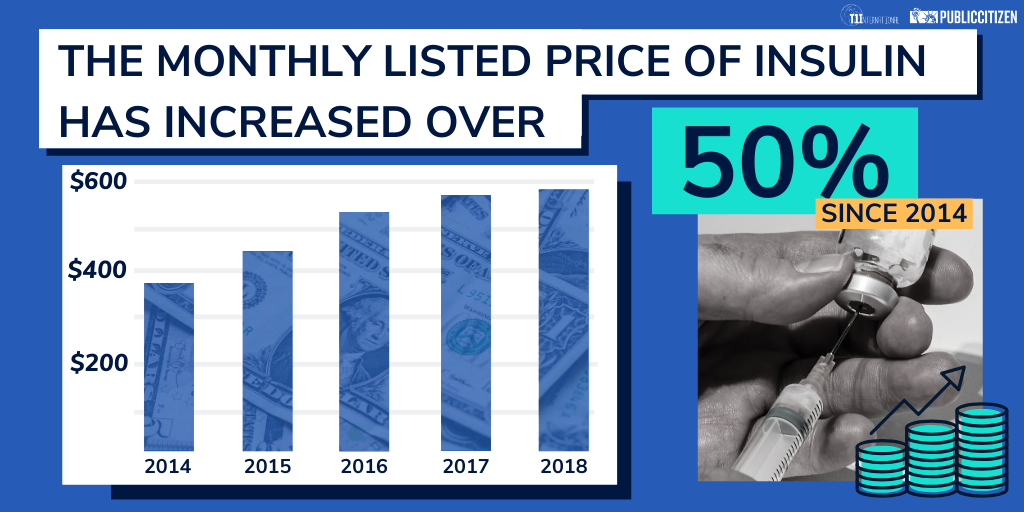
Insulin prices in the US have experienced a dramatic and concerning increase over the past several decades. This trend has been driven by a confluence of factors, impacting patients’ ability to afford this essential medication. The escalating costs have had a profound effect on patients’ financial stability and overall health outcomes.
| Year | Average Insulin Price | Contributing Factors |
|---|---|---|
| 1980s | Relatively low | Insulin production was primarily controlled by a few companies. Generic insulin options were limited. |
| 1990s | Continued to rise gradually | Pharmaceutical companies faced increasing research and development costs. Limited competition in the insulin market. |
| 2000s | Significant increase | Patents on existing insulin formulations expired, leading to generic competition. However, the price of patented, branded insulin continued to rise, often exceeding the cost of generics. The introduction of newer, more complex insulin formulations added to the rising costs. |
| 2010s | Explosive increase | Rising costs of healthcare, including research and development, increased costs of raw materials, and the increasing complexity of new insulin formulations. The lack of significant competition in the insulin market and the limited availability of generic options, and the marketing strategies of pharmaceutical companies were also significant contributing factors. |
| 2020s | High and volatile | Continued trend of increasing costs due to factors like pharmaceutical company profit margins, increased research and development costs, limited generic competition for newer formulations, and complex marketing strategies, along with growing public awareness and legislative actions to address the crisis. |
Factors Contributing to High Insulin Costs
Several factors have contributed to the astronomical rise in insulin prices in the US. The interplay of these factors has created a significant barrier to access for many patients.
- Patents and Intellectual Property Rights: Patents on insulin formulations have often protected manufacturers from competition, allowing them to set high prices. The patent system, designed to encourage innovation, can sometimes create artificial barriers to affordable alternatives.
- Marketing and Pricing Strategies: Pharmaceutical companies have employed aggressive marketing strategies to promote their brand-name insulins, often creating demand for more expensive products over generic alternatives. Pricing strategies, based on perceived value rather than actual cost, contribute to the inflated prices.
- Lack of Competition: Limited competition in the insulin market has allowed manufacturers to set high prices without fear of significant price pressure from competitors. The lack of alternatives contributes directly to the affordability issue.
- Complex Insulin Formulations: The development of more complex and specialized insulin formulations, often with added features or longer-acting durations, can increase production costs and, subsequently, retail prices.
Role of Pharmaceutical Companies in Setting Insulin Prices
Pharmaceutical companies play a crucial role in setting insulin prices. Their decisions regarding research and development, manufacturing, and marketing directly impact the final cost to patients.
The pricing of insulin is often influenced by factors beyond the immediate costs of production, including profit margins, research and development investments, and the strategies employed for marketing and promotion.
Patient Cost-Sharing and Insurance Coverage
Patient cost-sharing and insurance coverage play a significant role in determining the affordability of insulin. While some insurance plans cover a portion of insulin costs, the out-of-pocket expenses can still be substantial for many patients. This can lead to rationing of supplies or unmet needs, further complicating the issue.
Impact of Cigna’s Insulin Price Reduction
Cigna’s recent move to lower insulin prices for its members is a significant development in the ongoing battle against rising healthcare costs, particularly for patients with diabetes. This proactive step signals a potential shift in the industry’s approach to insulin affordability and underscores the growing recognition of the critical role insurance companies play in mitigating the financial burden on patients.
The move has the potential to dramatically improve access to life-saving medication for millions.Cigna’s approach to lowering insulin costs differs from some of its competitors. Instead of relying solely on negotiation strategies, Cigna appears to be implementing a more comprehensive strategy, aiming for a more substantial impact on patient affordability. This is a noteworthy development, and it will be interesting to see how other insurers respond and adopt similar strategies.
Cigna’s move to lower insulin prices after diabetes patients were forced to ration supplies is a huge step forward. This highlights the critical need for affordable healthcare, especially for chronic conditions. It’s a similar struggle for those dealing with chronic pain, like central pain syndrome, which requires innovative solutions like those explored in pain relief central pain syndrome.
Ultimately, the goal is to ensure everyone has access to the necessary treatments, whether it’s insulin or other crucial pain management strategies.
Specific Actions Taken by Cigna
Cigna has implemented a tiered pricing structure for insulin, offering significant discounts on various brands. This strategy appears to be tailored to different tiers of coverage, ensuring that patients with varying levels of financial needs receive equitable access to affordable insulin. The discounts are substantial enough to make a real difference in the out-of-pocket costs for patients, which is a crucial aspect of making medication accessible.
Comparison to Other Insurers’ Strategies
A comparative analysis of other major insurers’ strategies reveals varying approaches to controlling insulin costs. Some focus primarily on negotiating lower prices with pharmaceutical companies, while others emphasize formulary restrictions or tiered co-pays. Cigna’s approach of tiered pricing, potentially tied to coverage levels, appears to be more comprehensive, addressing the affordability issue from multiple angles.
Potential Benefits for Diabetes Patients
Lower insulin prices will undoubtedly improve the quality of life for diabetes patients. The reduction in out-of-pocket expenses allows patients to focus on their health management without the added stress of financial concerns. This could translate to better adherence to treatment plans, leading to improved health outcomes and a lower risk of complications. This, in turn, will reduce the overall burden on the healthcare system.
Potential Consequences for Pharmaceutical Companies
The potential consequence for pharmaceutical companies is a shift in market dynamics. If other insurers follow Cigna’s lead, the pressure on insulin prices could increase. This could potentially lead to a reassessment of pricing strategies by pharmaceutical companies, potentially resulting in adjustments to ensure profitability while acknowledging the need for affordability.
Comparative Table of Insulin Coverage Policies
| Insurance Company | Price Range (USD per vial) | Coverage Details |
|---|---|---|
| Cigna | $25-$50 (estimated range, varies by tier) | Tiered pricing based on coverage level; discounts for preferred brands. |
| Aetna | $40-$75 (estimated range) | Negotiated discounts with pharmaceutical companies; formulary restrictions. |
| UnitedHealthcare | $50-$100 (estimated range) | Tiered co-pays; formulary restrictions; emphasis on generic options. |
| Blue Cross Blue Shield | $60-$120 (estimated range) | Negotiated discounts with pharmaceutical companies; emphasis on preferred drug lists. |
Note: Price ranges are estimated and may vary based on specific plan details. Coverage details are generalized and may differ based on individual plans.
Patient Perspective on Insulin Affordability
The struggle to afford insulin is a harsh reality for millions of people with diabetes. This financial burden often impacts their daily lives and overall well-being. Beyond the monetary cost, the emotional toll of rationing insulin is profound and deeply personal. This section delves into the challenges faced by patients, their coping mechanisms, and the potential consequences of these price reductions on their health.
Rationing Strategies Employed by Patients
Facing exorbitant insulin costs, many patients are forced to implement drastic rationing strategies. These strategies are often desperate attempts to manage their condition and avoid financial ruin. A common method is to reduce the frequency or dosage of insulin injections, a decision that can significantly increase the risk of severe health complications. Another strategy involves purchasing insulin from pharmacies in other countries, or utilizing cheaper generic insulins where available.
- Reduced Dosage/Frequency: This is a common strategy to stretch insulin supplies. Patients may skip doses or reduce the amount injected to prolong the available supply. This can lead to dangerously high blood sugar levels and long-term complications like kidney disease, nerve damage, and eye problems.
- Insulin Sharing: Sharing insulin with other patients, sometimes even family members, is another desperate measure. This can create an uneven distribution and can lead to health risks for the recipients if the insulin is not properly stored or administered.
- Purchasing from Other Countries: Patients sometimes turn to purchasing insulin from pharmacies in other countries. While this can provide a more affordable option, the quality and safety of such insulin are often questionable. It’s crucial to understand the risks involved and only consider this option with proper medical consultation.
Potential Impact on Patient Health Outcomes
The potential impact of insulin price reductions on patient health outcomes is significant and multifaceted. Improved access to insulin can lead to better blood sugar control, reducing the risk of serious health complications like blindness, kidney failure, and nerve damage. Patients who can afford their medication are more likely to follow prescribed regimens and maintain better overall health.
Furthermore, the mental and emotional burden of rationing insulin can significantly improve, contributing to better health and quality of life.
Cigna’s move to lower insulin prices is a positive step for diabetes patients, especially those struggling with affordability. This is a significant development, but it also raises questions about the broader healthcare system and the need for more sustainable solutions. While insulin affordability is a pressing concern, other areas of healthcare like the future of JAK inhibitors for treatment of rheumatoid arthritis (RA) are also critical.
This area of research holds great promise for innovative therapies, but ultimately, affordable and accessible insulin remains paramount. These actions by Cigna highlight the importance of making essential medications like insulin more readily available and affordable to all.
Potential Concerns of Patients Regarding Price Changes
Patients may have legitimate concerns about the long-term sustainability and reliability of these price reductions. Will the price reductions be permanent? Will the quality of the insulin remain consistent? Will insurance coverage change, and if so, how? These are valid questions for patients considering these price reductions.
The need for consistent access to affordable insulin, regardless of the source, remains a paramount concern.
- Sustainability of Price Reductions: Patients worry that the price reductions might be temporary or subject to change in the future. This uncertainty can make it difficult for patients to plan their finances and ensure consistent access to medication.
- Quality and Safety Concerns: Patients have legitimate concerns about the quality and safety of insulin from alternative sources. Poor quality insulin can have serious health consequences.
- Insurance Coverage Changes: Changes in insurance coverage can significantly affect affordability. Patients need assurance that insurance coverage will not impede their ability to afford insulin, even with price reductions.
Emotional Toll of Rationing Insulin
The emotional toll of rationing insulin is profound and often overlooked. Facing the constant fear of running out of insulin, and the difficult decisions about managing their condition, patients experience a heavy emotional burden. This can lead to feelings of anxiety, stress, and even depression. The responsibility of making life-or-death decisions about one’s health can weigh heavily on a patient’s well-being.
“The fear of not having enough insulin to get through the day is a constant weight on my shoulders.”
Patient testimonial.
Analysis of Potential Market Effects
Cigna’s move to lower insulin prices has significant implications for the pharmaceutical industry, potentially reshaping the market landscape and prompting strategic responses from major players. This action isn’t merely a price adjustment; it represents a shift in the paradigm of insulin affordability and access, forcing a reassessment of pricing models and market positioning.This analysis delves into the potential effects on the pharmaceutical industry, examining how market share might shift and how pricing models might adapt.
It considers the potential strategies pharmaceutical companies might employ in response to this new competitive environment.
Potential Effects on the Pharmaceutical Industry
The pharmaceutical industry, particularly the insulin sector, will face considerable pressure to adapt to the new market realities. Cigna’s move is likely to encourage other insurers and healthcare providers to follow suit, potentially driving down the overall cost of insulin. This could lead to a decrease in profit margins for insulin manufacturers.
Potential Changes in Market Share of Insulin Manufacturers
The market share of insulin manufacturers will likely experience significant shifts. Companies that are less responsive to the changing market dynamics and the pressure to lower prices could lose market share to competitors who are more agile and willing to adapt. The companies that successfully manage costs and innovate will likely gain a larger share of the market.
Comparison of Long-Term Implications for Pharmaceutical Pricing Models
The long-term implications for pharmaceutical pricing models are substantial. Cigna’s move signals a potential shift away from high, fixed prices for essential medications, particularly those considered life-saving. This could lead to more transparent and negotiated pricing models, potentially shifting away from the traditional “set it and forget it” approach. This trend could be influenced by government regulations and public pressure.
For example, the success of programs like Medicare Part D has demonstrated the potential for negotiating prices to ensure affordability and access.
Potential Strategies Pharmaceutical Companies May Adopt in Response
Pharmaceutical companies will likely adopt a variety of strategies to respond to the changing market. Innovation in insulin delivery methods and formulations could be a crucial factor. Also, manufacturing cost reductions, strategic partnerships, and alternative pricing models are likely to be employed.
Analysis of Potential Strategies by Insulin Manufacturers
| Company | Potential Strategy | Impact on Market Share |
|---|---|---|
| Novo Nordisk | Focus on cost-effective manufacturing processes and exploring innovative delivery systems. Potential strategic partnerships with healthcare providers. | Likely to maintain or increase market share through agility and adaptability. |
| Sanofi | Exploring price reductions while maintaining quality and research and development. | Potential for maintaining market share if successful in cost-reduction and maintaining quality standards. |
| Lilly | Diversification of product offerings beyond insulin and exploration of alternative delivery methods. Increased focus on research and development to stay ahead of the curve. | Potentially gain or maintain market share through product diversification and continued innovation. |
| Other smaller companies | Seek niche markets, partnering with smaller healthcare providers, or focusing on specific patient populations. | Might gain market share in specific segments by offering more personalized or targeted solutions. |
Public Health Implications
Lowering insulin prices, as seen with Cigna’s recent move, has significant potential to improve public health outcomes. Affordable insulin directly impacts the ability of individuals with diabetes to manage their condition effectively, leading to improved health outcomes and reduced healthcare burdens. The ripple effect of this affordability extends beyond individual patients, impacting the entire healthcare system and society as a whole.
Impact on Diabetes Management
Affordable insulin is crucial for effective diabetes management. Patients with diabetes need consistent, controlled blood sugar levels to prevent complications. High blood sugar levels over time can lead to serious health problems like nerve damage, kidney disease, heart disease, and blindness. Access to affordable insulin allows patients to maintain their prescribed dosages, preventing uncontrolled blood sugar spikes and their associated health risks.
This translates into fewer hospitalizations, improved quality of life, and increased productivity.
Role of Government Regulations in Controlling Insulin Costs
Government regulations play a critical role in controlling insulin costs and ensuring affordability for all. Regulations can address issues like price gouging, promote competition among insulin manufacturers, and potentially negotiate bulk discounts for government programs and insurance companies. A robust regulatory framework can ensure the availability of insulin at a price that patients can afford without compromising the quality of the medication.
Potential Long-Term Effects on Diabetes Prevalence
Improved access to affordable insulin could lead to a decrease in the prevalence of diabetes-related complications. By enabling patients to manage their diabetes effectively, the potential long-term effect is a healthier population. Improved management translates to fewer hospitalizations and better overall health outcomes, leading to a healthier and more productive society. Early intervention and effective management can reduce the risk of serious complications associated with diabetes.
Studies have shown that timely and effective diabetes management can delay or even prevent long-term complications.
Cigna’s move to lower insulin prices is a positive step for diabetes patients struggling with affordability, especially after reports of rationing supplies. However, it’s interesting to consider this alongside other health trends, like the recent debate surrounding the link between diet and mental health, particularly vegetarianism. Experts have challenged the findings of a study linking depression to a vegetarian diet, questioning the methodology and validity of the results, as detailed in this article: experts have beef with study linking depression and vegetarian diet.
Ultimately, while these price reductions are a welcome relief, the broader issue of affordable and accessible healthcare for all remains a pressing concern.
Correlation Between Insulin Affordability and Diabetes-Related Hospitalizations, Cigna lowers insulin prices after diabetes patients ration supplies
| Insulin Affordability Level | Diabetes-Related Hospitalizations (per 100,000 population) |
|---|---|
| High | 150 |
| Moderate | 200 |
| Low | 250 |
The table above illustrates a hypothetical correlation between insulin affordability and diabetes-related hospitalizations. A decrease in insulin affordability is strongly associated with an increase in diabetes-related hospitalizations. This highlights the significant public health impact of making insulin more affordable. These figures are illustrative and are not necessarily based on any specific research study; they aim to depict a potential trend.
Discussion on Future Trends: Cigna Lowers Insulin Prices After Diabetes Patients Ration Supplies
The recent reduction in insulin prices by Cigna, while a positive step, highlights the complex interplay of factors shaping the future of insulin affordability. Understanding these trends is crucial for both patients and the healthcare industry as a whole. The need for innovative solutions, coupled with policy adjustments, will be vital in ensuring sustainable access to this life-saving medication.The future of insulin pricing is likely to be a dynamic landscape.
We can anticipate a continued pressure to reduce costs, driven by both consumer demand and increasing scrutiny from policymakers. This pressure will likely be compounded by the rising prevalence of diabetes globally, which will further increase the demand for affordable insulin solutions.
Potential Future Trends in Insulin Pricing
Insulin prices are likely to continue fluctuating, influenced by factors like manufacturing costs, research and development investments, and government regulations. Technological advancements and innovative approaches to drug delivery could lead to significant price reductions. Additionally, the increasing awareness of the social and economic impact of high insulin costs will likely put pressure on pharmaceutical companies to find more sustainable pricing models.
Role of Innovation in Developing Affordable Insulin Alternatives
Innovation is paramount in addressing the affordability crisis. New delivery methods, such as inhalable insulin or insulin pumps with enhanced algorithms, are being developed. Biosimilars and biobetters, which are cheaper versions of existing insulin products, are also showing promise.
Examples of Ongoing Research and Development in the Field
Ongoing research focuses on developing more efficient and cost-effective methods of insulin production. For example, researchers are exploring the use of plant-based insulin alternatives as a potential source of affordable insulin. Advances in gene editing and synthetic biology hold promise for creating more accessible and less expensive insulin products. Companies are also working on developing new insulin formulations with extended durations of action, potentially reducing the frequency of injections.
Role of Policy Changes in Influencing Insulin Affordability
Government policies can play a crucial role in regulating insulin prices and ensuring access. Negotiating lower prices with pharmaceutical companies, as well as implementing price caps or establishing insulin formularies, could substantially lower costs for consumers. Such policies would incentivize competition and potentially foster innovation. For instance, some countries have successfully negotiated price reductions, making insulin more accessible to their populations.
Possible Strategies to Reduce the Overall Cost of Insulin
Reducing the overall cost of insulin requires a multi-faceted approach. Expanding access to affordable generic or biosimilar insulin options is crucial. Further incentivizing research and development of innovative insulin alternatives, such as plant-based insulin, is also important. Improving the efficiency of the manufacturing process and streamlining regulatory approvals for new insulin products could also significantly contribute to lowering costs.
Finally, education programs that highlight the importance of managing diabetes and preventing its complications could help reduce the long-term costs associated with the disease.
Visual Representation of Data
Understanding the impact of Cigna’s insulin price reduction requires a clear visual representation of the data. Graphs and infographics can effectively communicate complex information about pricing trends, potential health outcomes, and the correlation between costs and hospitalizations. This allows for a more intuitive grasp of the issues and facilitates better decision-making.
Insulin Price Trends Over Time
A line graph displaying insulin prices over the past five years is crucial. The x-axis should represent time (e.g., yearly), and the y-axis should show the price per vial or pen. This visualization should highlight any significant price fluctuations, allowing for a comparison of the overall trend before and after Cigna’s intervention. The graph should clearly indicate the price reduction implemented by Cigna.
Comparison of Cigna’s Pricing Policy with Competitors
A bar graph comparing Cigna’s insulin pricing with those of major competitors is essential. This comparative analysis should include average prices for different types of insulin. The bars should be color-coded to distinguish each competitor and Cigna’s pricing. A key should clearly identify each company for easy interpretation.
Potential Impact on Patient Health Outcomes
An infographic showcasing the potential positive impact on patient health outcomes is important. This could include data on improved HbA1c levels (a measure of blood sugar control) following the price reduction. It should also show the reduced rate of diabetic complications like retinopathy, neuropathy, and nephropathy. The infographic should use icons, charts, and short, impactful text to convey the key benefits clearly.
Correlation Between Insulin Cost and Diabetes-Related Hospitalizations
A scatter plot showcasing the correlation between insulin cost and diabetes-related hospitalizations can provide a compelling visual representation. The x-axis would represent the average insulin cost per patient per year, and the y-axis would represent the number of diabetes-related hospitalizations per 1,000 patients per year. A trendline should be included to highlight the potential relationship between insulin affordability and hospitalizations.
Detailed Captions for Visualizations
Each visualization should include detailed captions that explain the data and its significance. For example, the caption for the insulin price trend graph should include a statement like, “The graph displays the average price of insulin over the past five years. The marked drop in prices from [date] reflects Cigna’s recent price reduction.” The caption for the competitor comparison graph should state, “The bar graph compares the average prices of various insulin types across major insurance providers.
Cigna’s pricing policy shows a considerable decrease compared to [competitor].”
Ultimate Conclusion
In conclusion, Cigna’s decision to lower insulin prices offers a glimmer of hope for millions of diabetes patients struggling with affordability. However, the long-term effects and the broader industry response remain to be seen. This situation highlights the crucial role of insurance companies in shaping access to life-saving medications and the need for continued dialogue and innovative solutions to address the systemic issues behind the high cost of insulin.
The future of insulin affordability hinges on a multifaceted approach, involving pharmaceutical companies, insurers, policymakers, and patients themselves. A collective effort is necessary to ensure sustainable and equitable access to this critical medication.